
 英语
英语 西班牙语
西班牙语 德语
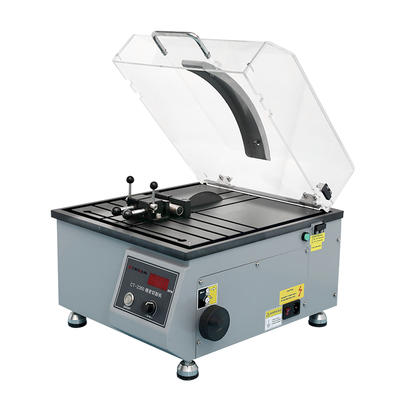
德语CT-2300 Manual Cut-off Machine
Product Description
CT-2300 is a compact, desktop Manual Cut-off Machine,widely used for cutting mat...
We use first- and third-party cookies including other tracking technologies from third party publishers to give you the full functionality of our website, to customize your user experience, perform analytics and deliver personalized advertising on our websites, apps and newsletters across internet and via social media platforms. For that purpose, we collect information about user, browsing patterns and device.
By clicking "Accept All Cookies", you accept this, and agree that we share this information with third parties, such as our advertising partners. If you prefer, you can choose to continue with "Only Required Cookies". But keep in mind that blocking some types of cookies may impact how we can deliver tailored content that you might like.
For more information and to customize your options, click on "Cookie settings". If you want to learn more about cookies and why we use them, visit our Cookie Policy page at any time. Cookie Policy

In modern laboratory environments, the choice between automatic and manual polishing equipment represents a critical decision that impacts productivity, sample quality, and operational efficiency. The polishing process is fundamental to metallographic and materials analysis, yet many laboratories struggle to determine which approach best aligns with their specific workflows and budget constraints.
This guide examines both methodologies in detail, helping you understand when to invest in fully automated solutions and when traditional manual techniques remain advantageous. By evaluating technical capabilities, cost considerations, and practical applications, you can make an informed decision that enhances your laboratory's performance.
Polishing represents the final step in sample preparation, designed to create a mirror-like surface suitable for microscopic examination. This process removes subsurface damage introduced during grinding and produces the optical quality necessary for accurate material analysis.
Successful polishing depends on several interconnected factors: abrasive particle size, applied pressure, rotational speed, and duration of contact. Each variable influences the final surface finish and determines whether your prepared samples will reveal the material's true microstructure.
The polishing action combines mechanical abrasion with chemical assistance. Polishing compounds dissolve into the sample surface slightly while fine particles remove microscopic imperfections. This dual mechanism, when properly controlled, produces superior results compared to mechanical action alone.
When evaluating polishing effectiveness, laboratories typically measure:
Manual polishing remains widely practiced across laboratories worldwide. This approach grants operators direct control over pressure, angle, and polishing duration, enabling real-time adjustments based on visual assessment.
In traditional manual polishing, technicians hold samples against rotating polishing discs covered with abrasive media. The operator maintains consistent downward pressure while moving the sample across the disc surface. Skill and experience significantly influence the quality of results, as experienced technicians develop an intuitive sense for proper pressure and technique.
The process typically involves sequential stages: coarse polishing with larger abrasive particles, intermediate polishing with medium-grade materials, and final polish using the finest abrasives. Manual operators can adjust pressure and speed at each stage based on the specific material being prepared.
Modern automatic polishing machine systems represent significant technological advancement in laboratory sample preparation. These devices combine mechanical precision with programmable parameters to deliver consistent, reproducible results across multiple samples.
Automatic polishing machines utilize advanced mechanical systems to maintain precise pressure, speed, and timing throughout the polishing process. Operators program parameters such as rotational speed, applied force, polishing duration, and disc type. Once activated, the machine executes the predetermined sequence without intervention, allowing technicians to focus on other laboratory tasks.
Most modern systems feature multiple polishing stations, enabling simultaneous preparation of numerous samples. This capability dramatically increases throughput compared to sequential manual processing. Advanced models incorporate feedback sensors that monitor pressure and detect process completion automatically.
Understanding how these approaches differ across important dimensions helps laboratories make decisions aligned with their operational priorities.
| Criterion | Manual Polishing | Automatic Polishing |
|---|---|---|
| Initial Cost | Low to Moderate | High |
| Result Consistency | Moderate to Low | High |
| Sample Throughput | 5-10 samples/day | 20-50 samples/day |
| Operator Skill Required | High | Moderate |
| Maintenance Complexity | Simple | Complex |
| Flexibility for Special Cases | Excellent | Limited |
| Operating Cost (Annual) | Moderate | Low |
| Worker Safety | Repetitive strain risk | Minimal risk |
While automatic systems require substantial upfront investment, the long-term financial equation often favors automation. Laboratories processing more than 15 samples weekly typically recover equipment costs within 3-5 years through reduced labor expenses and improved efficiency.
Manual polishing remains economically advantageous for smaller operations with irregular sample preparation demands. Research facilities with sporadic polishing needs can avoid the fixed costs associated with expensive automated equipment.
Understanding the range of available technologies helps identify solutions matching specific laboratory requirements.
Single disc configurations feature one rotating polishing surface, accommodating one or two samples simultaneously. These systems occupy minimal laboratory space and offer moderate throughput capacity. They work well for facilities with limited sample volume and space constraints. Single disc machines provide good flexibility for adjusting parameters between different material types and sample sizes.
Dual disc systems incorporate two rotating polishing surfaces, each independently controlled. This configuration doubles processing capacity compared to single disc equipment while maintaining separate parameter control for different sample types. Many laboratories consider Dual Disc Polishing Machine systems optimal for balancing productivity with flexibility. The dual arrangement enables simultaneous processing of different materials or different stages of the same material type.
Comprehensive Lab Polishing Machine solutions integrate grinding, polishing, and sometimes etching functions into single platforms. These systems automate the entire sample preparation workflow from initial grinding through final polishing. Fully automatic metallographic sample preparation equipment represents the highest level of automation, handling complete sample processing sequences without operator intervention.
These integrated systems typically feature:
Traditional benchtop polishing units combine mechanical simplicity with operator control. These devices typically feature one or two rotating discs without programmable parameters. Technicians manually apply samples to the rotating surface, maintaining pressure and position by hand. While basic, these systems remain popular in educational institutions and research labs where sample volumes justify manual processing.
Selecting between manual and automatic polishing requires systematic evaluation of your laboratory's specific circumstances. Consider the following factors in order of importance to your operations.
Sample Volume: Laboratories processing more than 20 samples weekly typically benefit from automation. Lower volumes may not justify equipment investment. Calculate your average monthly sample throughput and project growth over the next 3-5 years.
Result Consistency Requirements: Quality assurance protocols demanding high consistency and documented reproducibility favor automatic systems. Research applications prioritizing flexibility may accept manual techniques.
Budget Constraints: Initial capital availability significantly influences the decision. Determine whether your facility can absorb automation costs through departmental budgets, grants, or equipment leasing arrangements.
Available Space: Automatic equipment typically requires more floor area than manual systems. Assess your laboratory layout and available installation locations.
Staff Expertise: Laboratories with experienced technicians skilled in manual polishing may achieve excellent results without automation. Conversely, facilities with frequent staff turnover benefit significantly from automation's operator-independent consistency.
Material Diversity: Laboratories handling many different materials may prefer manual systems' adaptability. Specialized facilities processing primarily one or two material types achieve better efficiency with automated systems optimized for those specific applications.
Integration with Existing Workflow: Consider how new equipment integrates with your current sample preparation procedures. Systems requiring significant workflow modifications create disruption costs beyond equipment purchase.
Evaluate automatic polishing investment using this framework:
Whether selecting manual or automatic polishing, successful implementation requires careful planning and staff engagement.
Proper equipment installation establishes the foundation for consistent performance. For automatic systems, ensure stable electrical supply, appropriate drainage for polishing compound waste, and secure equipment mounting to minimize vibration. Manual systems require clear workspace with proper lighting for operator visibility.
Environmental factors significantly impact polishing results. Maintain laboratory temperature stability, control dust and contamination, and establish separate areas for grinding and polishing to prevent abrasive material transfer. Adequate ventilation removes polishing dust and compound vapors.
Manual polishing requires comprehensive training in pressure application, disc positioning, and material-specific techniques. New technicians should practice under experienced supervision before processing critical samples. Ongoing training helps staff recognize surface quality indicators and troubleshoot emerging problems.
Automatic system training emphasizes parameter programming, software operation, and basic troubleshooting. While technical demands differ from manual techniques, operators must still understand the underlying science to recognize when results deviate from expectations.
Document detailed standard operating procedures for each material type and sample geometry in your laboratory. Procedures should specify:
Establish quality control measures appropriate to your facility's requirements. Manual operations benefit from regular photomicroscopy review to verify surface quality. Automatic systems should include periodic validation to confirm programmed parameters produce expected results. Maintain records documenting process parameters and results for each batch processed.
Successful polishing demands material-specific approaches. Different metals, ceramics, and composite materials respond differently to abrasive action and require tailored techniques.
Steel and iron samples tolerate relatively aggressive polishing without damage. Harder abrasives and higher pressures effectively remove subsurface damage. These materials respond well to both manual and automatic polishing when appropriate parameters are applied.
Aluminum, copper, and their alloys require gentler polishing to prevent surface deformation and scratching. Lower pressure and finer abrasives produce superior results compared to aggressive techniques. Automatic systems excel with these materials by maintaining consistent gentle pressure throughout processing.
Ceramic samples, composites, and hard coatings demand specialized polishing compounds and extended processing times. These materials benefit significantly from automatic systems that maintain constant gentle pressure without operator fatigue-related inconsistency.
Samples containing multiple phases with different hardness levels challenge standard polishing procedures. Different phases polish at different rates, potentially creating surface relief where harder phases protrude above softer matrix material. Skilled manual operators adapt techniques real-time to manage this challenge. Automatic systems require pre-programmed compromises that may not optimally polish all phases simultaneously.
Even with proper technique, polishing problems occasionally occur. Scratches indicate inadequate abrasive degradation; address by using finer abrasives or shorter polishing times. Residual grinding marks suggest insufficient coarse polishing stage; extend duration or increase applied pressure. Surface relief indicates uneven pressure distribution; check sample contact and disc surface flatness. Deformation signals excessive pressure on soft materials; reduce force and extend processing time instead.
Proper maintenance ensures sustained performance and extends equipment lifespan regardless of whether you operate manual or automatic systems.
Benchtop polishing systems require simple regular care. Clean polishing discs after each use session to prevent compound accumulation. Inspect rotating surfaces for uneven wear and replace discs when wear becomes uneven. Check mechanical components for loose connections and apply light lubricant to moving parts annually. Maintain electrical safety by inspecting power cords and ensuring proper grounding.
Automated equipment demands more comprehensive maintenance protocols. Establish regular inspection schedules checking all moving components, electrical connections, and control systems. Lubricate mechanical components according to manufacturer specifications. Replace disc polishing surfaces on manufacturer-recommended schedules. Software systems require periodic updates to maintain optimal performance and security. Keep detailed maintenance logs documenting all service performed.
Systematic preventive maintenance reduces unexpected downtime and extends equipment service life significantly. Establish monthly, quarterly, and annual maintenance tasks appropriate to your equipment type. Train staff in basic maintenance procedures and troubleshooting. Schedule major service during periods when sample preparation demands are lowest.
The sample preparation industry continues evolving with advancing technology and changing laboratory requirements.
Next-generation systems increasingly incorporate artificial intelligence and machine learning to optimize parameters automatically based on sample properties. Advanced sensor systems detect process completion in real-time, eliminating over-polishing. Integrated image analysis monitors surface quality continuously throughout processing.
Modern equipment development emphasizes environmental responsibility. Water-based polishing compounds replace traditional solvent-based formulations. Waste reduction technologies minimize polishing compound disposal requirements. Energy-efficient motors and process optimization reduce electrical consumption.
Sample preparation increasingly integrates with broader laboratory information management systems. Automated parameter logging and result documentation enable seamless data flow from preparation through analysis. Cloud-based systems facilitate remote monitoring and troubleshooting of equipment operations.
Future automated systems will offer greater flexibility through modular designs accommodating diverse sample types and preparation procedures. Rapid changeover capabilities will enable efficient handling of material variety without extensive reconfiguration.
Different laboratory situations favor different polishing approaches. These scenarios illustrate how to match technology to specific operational circumstances.
A university materials science group processes 8-12 samples monthly from various student research projects. Each project investigates different materials and sample geometries. This laboratory benefits from manual polishing due to low sample volume, diverse material requirements, and budget constraints. Experienced graduate students can develop polishing expertise over their tenure. Equipment investment remains minimal while achieving results adequate for research and publication purposes.
A manufacturing facility's quality assurance team examines 30-40 samples daily from production batches. Consistency across all samples is critical for maintaining product specifications. Reproducible documentation satisfies regulatory requirements. This facility requires automatic polishing to achieve the consistency, throughput, and documentation necessary for quality control applications. The equipment cost is quickly offset by increased efficiency and reduced labor requirements.
An independent materials testing facility receives samples with varying compositions from dozens of clients. Projects range from single-sample evaluations to large batch analysis. This laboratory benefits from hybrid approaches: maintaining both manual and automatic systems. Routine high-volume work utilizes automatic equipment while specialized or unusual samples receive manual attention. Flexibility and capacity justify maintaining both technologies.
A technical college teaching materials science maintains a teaching laboratory where students learn sample preparation techniques. Manual polishing equipment effectively demonstrates fundamental principles and develops practical skills. The educational value of hands-on manual technique outweighs efficiency considerations in this context. Simple, robust equipment withstands student use while remaining cost-effective for an educational budget.
Understanding the complete sample preparation process helps identify where polishing fits and how different equipment choices integrate with overall procedures.
lead toManual polishing performed by experienced technicians typically achieves surface roughness values of 0.05-0.15 micrometers, depending on the material and final abrasive used. Automatic systems consistently produce roughness values of 0.03-0.08 micrometers due to precise pressure and timing control. The superior consistency of automatic equipment ensures all samples meet specifications without rework.
Manual polishing usually requires 30-60 minutes per sample depending on material type, initial surface condition, and operator skill level. Automatic systems process samples in 15-30 minutes per sample. For facilities processing multiple samples, automatic equipment's simultaneous multi-sample capacity dramatically reduces total processing time.
Automatic systems perform excellently with standardized material types for which appropriate parameters have been optimized. However, unusual materials, extreme hardness variations, or very fragile samples may require manual adjustments. Most laboratories benefit from maintaining some manual capability even with primary automated processing.
Polishing disc lifespan depends on usage intensity and material type. Discs typically remain effective for 50-200 samples before wear becomes uneven and surface quality declines. Automatic systems with higher usage rates replace discs more frequently than manually operated equipment. Proper disc maintenance, including regular cleaning and occasional retruing, extends usable lifespan.
Scratches typically indicate inadequate abrasive degradation or excessive disc wear. Address by switching to finer polishing media or replacing worn discs. Haze suggests residual abrasive particles trapped on the surface; improve cleaning procedures between stages. Surface relief indicates uneven pressure; ensure proper sample mounting and disc surface flatness. Temperature-related issues require checking polishing compound composition.
Thorough cleaning between stages prevents coarse particles from contaminating finer polishing stages. Rinse samples under running water using soft brushes for gentle abrasive removal. For delicate samples, use ultrasonic cleaning equipment to safely remove abrasive particles. Allow samples to air dry completely before proceeding to the next polishing stage.
Different materials require optimized polishing compound formulations. Standard compounds work adequately for many metals, but specialized formulations exist for specific applications. Silicon carbide compounds suit ferrous materials; alumina works well for non-ferrous metals; diamond compounds excel for ceramics. Consult material-specific literature or equipment manufacturers for optimal compound selections.
Transitioning from manual to automatic polishing requires developing and validating new standard operating procedures. Parameters optimized for manual technique may not translate directly to automatic systems. Plan transition periods allowing parallel operation of both systems while validating automatic system parameters against known manual results. This validation ensures new equipment produces equivalent or superior quality.
Operators need training in software operation, parameter programming, basic troubleshooting, and equipment maintenance. Understanding underlying polishing science helps operators recognize when results deviate from expectations. Training typically requires 2-4 weeks of hands-on practice under experienced supervision before independent operation. Refresher training annually helps maintain proficiency.
Yes, many laboratories benefit from hybrid approaches maintaining both manual and automatic equipment. Automatic systems handle routine, high-volume work while manual stations address specialized or unusual samples requiring custom techniques. This hybrid strategy balances efficiency with flexibility and accommodates diverse operational requirements.
The decision between manual and automatic polishing represents a significant strategic choice influencing laboratory efficiency, sample quality, and operational costs. Neither approach is universally superior; the optimal choice depends entirely on your facility's specific circumstances, sample volume, material diversity, and organizational priorities.
Manual polishing remains valuable for laboratories with modest sample volumes, diverse material requirements, or budget constraints. The flexibility and operator control inherent in manual technique enable creative solutions for unusual polishing challenges. Experienced technicians develop valuable expertise that sophisticated equipment cannot entirely replace.
Automatic polishing delivers superior consistency, dramatically increased throughput, and reduced operational complexity for facilities processing substantial sample volumes. The investment in automation pays measurable returns through labor cost reduction, quality improvement, and workflow predictability. Modern automated systems represent mature, reliable technology proven across thousands of installations globally.
Many laboratories ultimately benefit from evaluating their specific needs systematically using the assessment criteria discussed throughout this guide. Calculate your true operational costs, project future growth, and honestly assess your facility's constraints. The optimal solution may involve multiple approaches: primary reliance on manual techniques supplemented by automated equipment for high-volume routine work, or vice versa.
Whatever approach you select, commit to proper training, documented procedures, and regular maintenance. These fundamentals matter more than equipment sophistication in determining long-term success. Investment in staff development and systematic quality control produces superior results regardless of technology choice.
As your laboratory's needs evolve, remain flexible about reconsidering your polishing strategy. Equipment upgrades, staffing changes, or shifting research priorities may justify transitions from manual to automatic systems or hybrid approaches. Continuous evaluation ensures your sample preparation capabilities remain optimally aligned with operational requirements and organizational objectives.
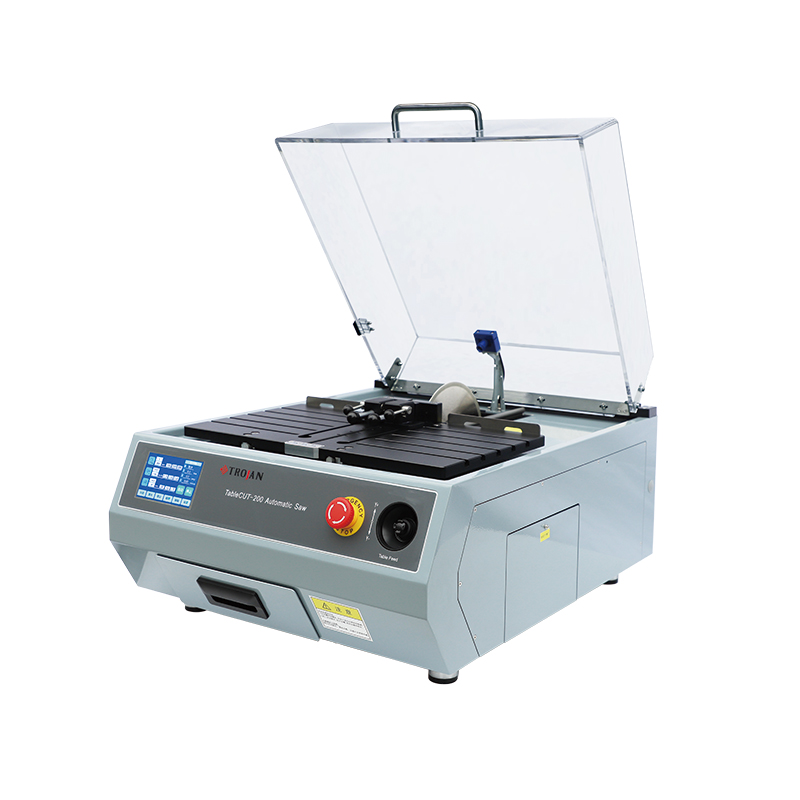
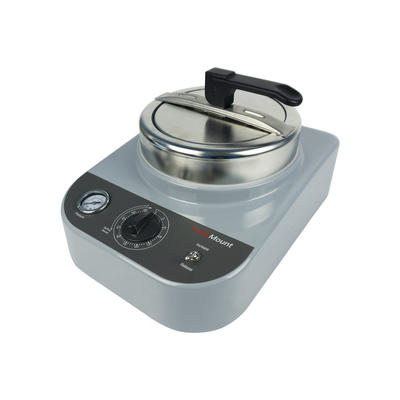

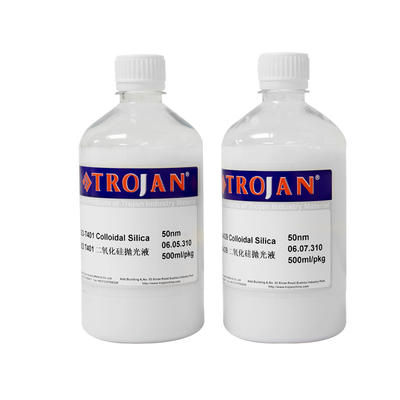
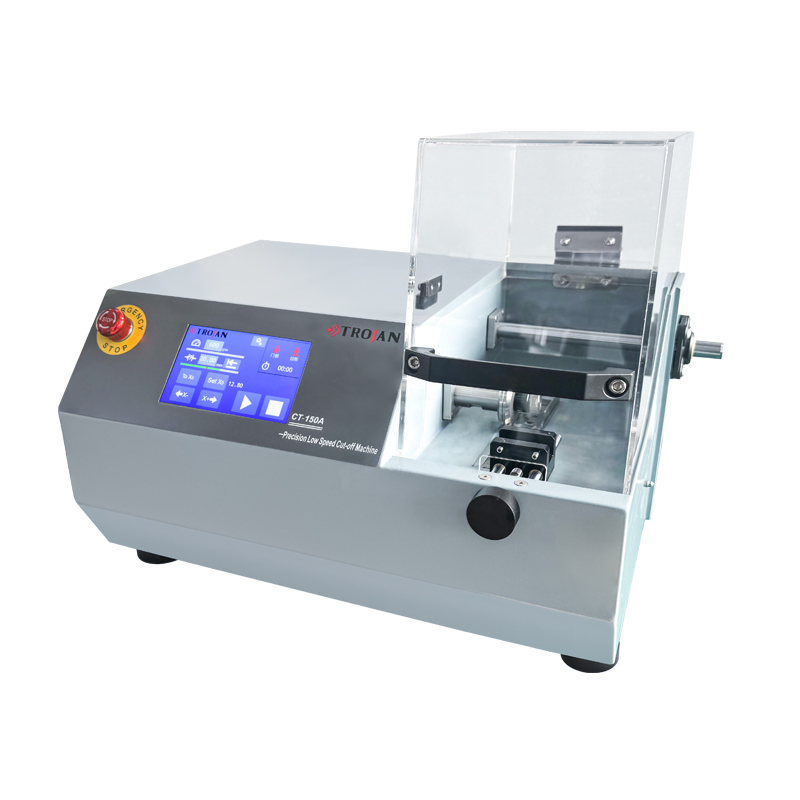
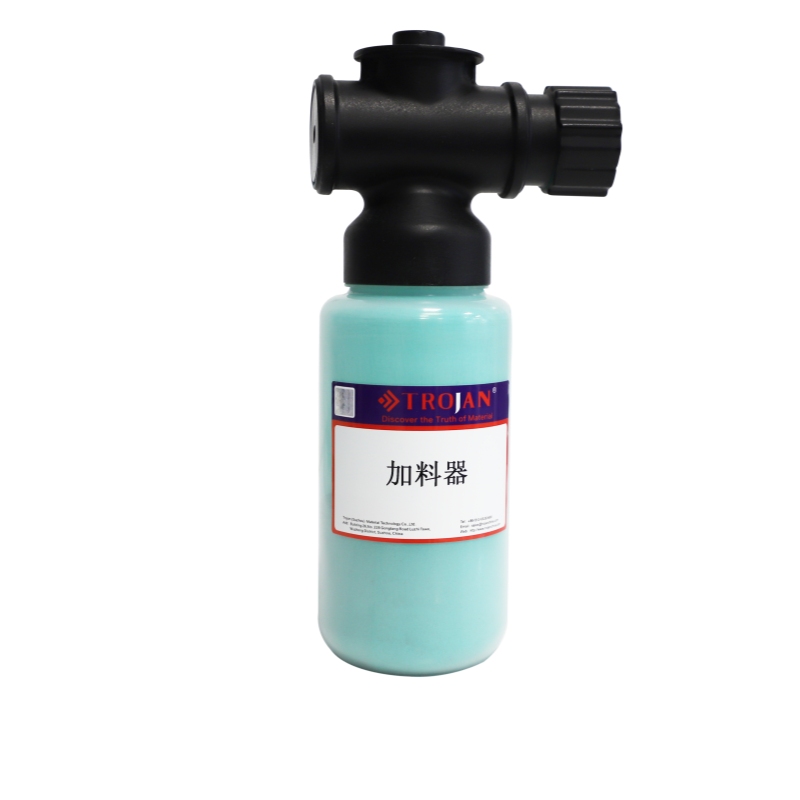

Based in China, TROJAN pays attention to the international market, and has sold metallographic equipment to more than 50 countries, such as Europe, America, Japan and South Korea, Southeast Asia countries and regions


