Industry knowledge
What are the key features and functionalities of a modern metallurgical cutting machine?
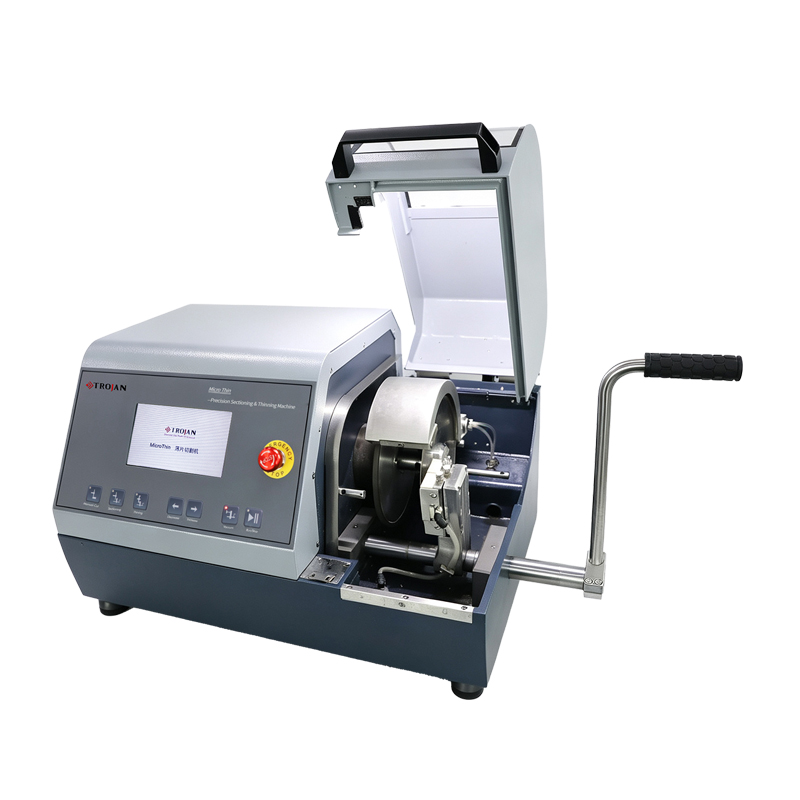
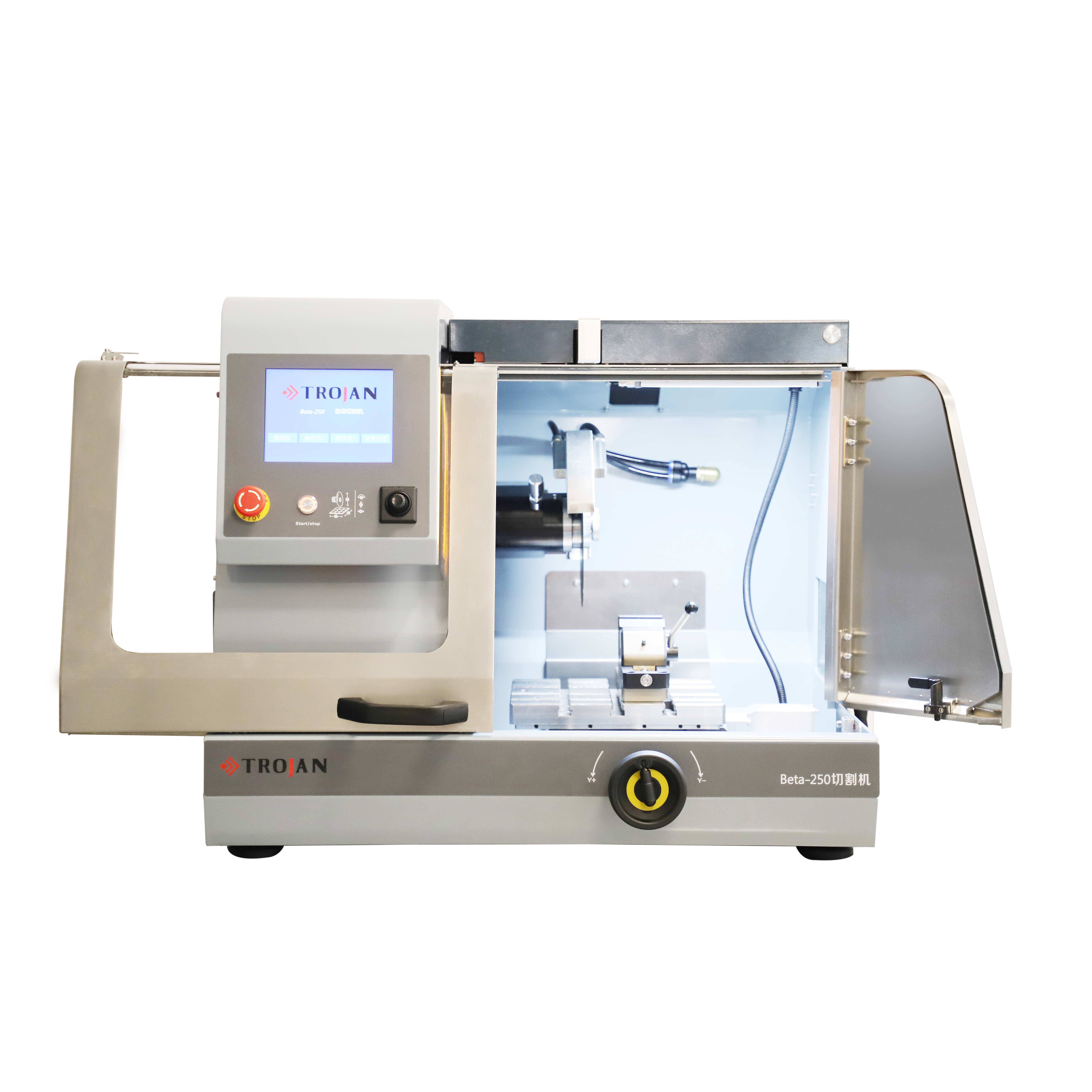
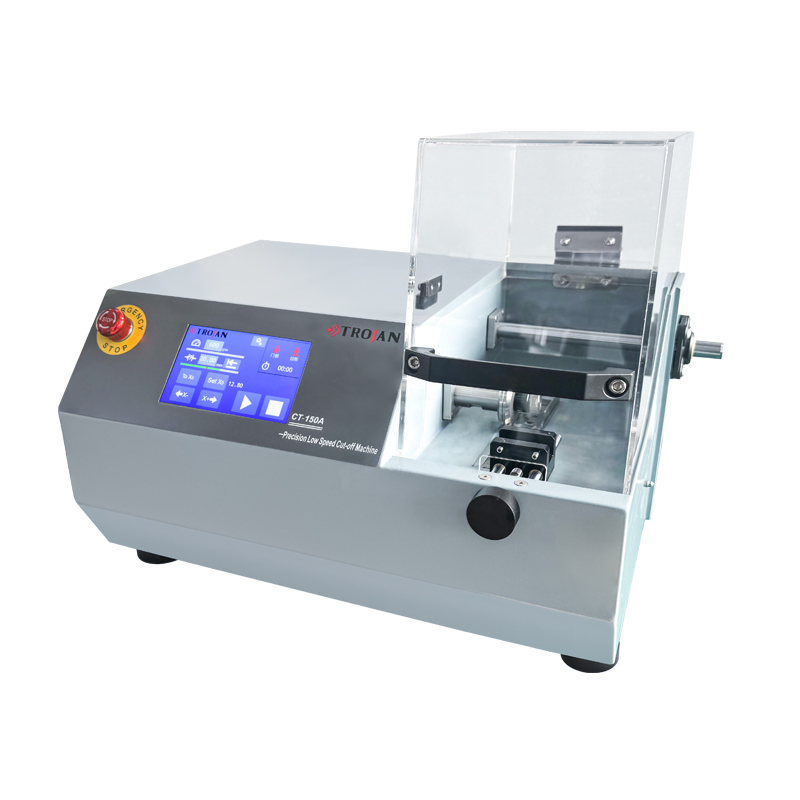
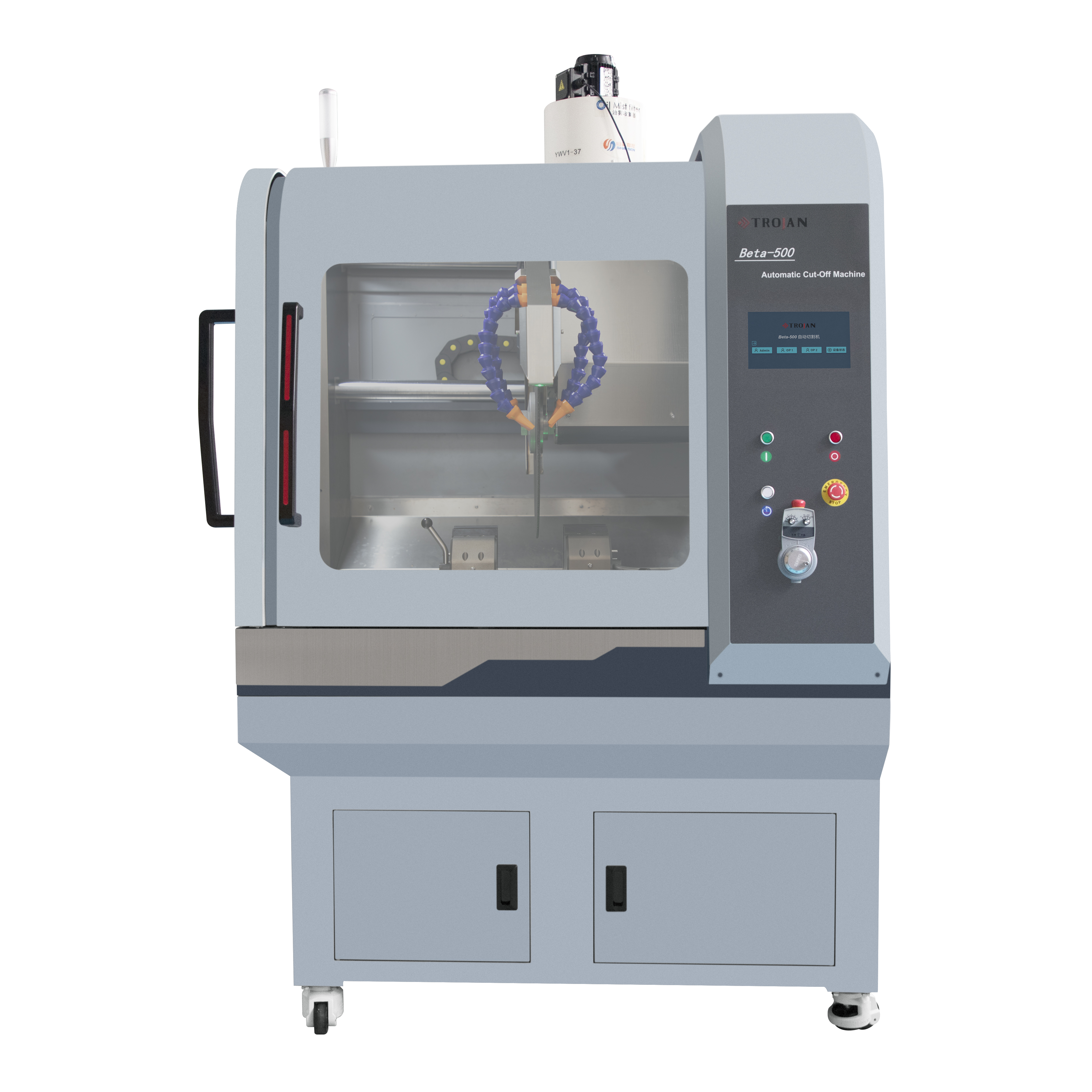
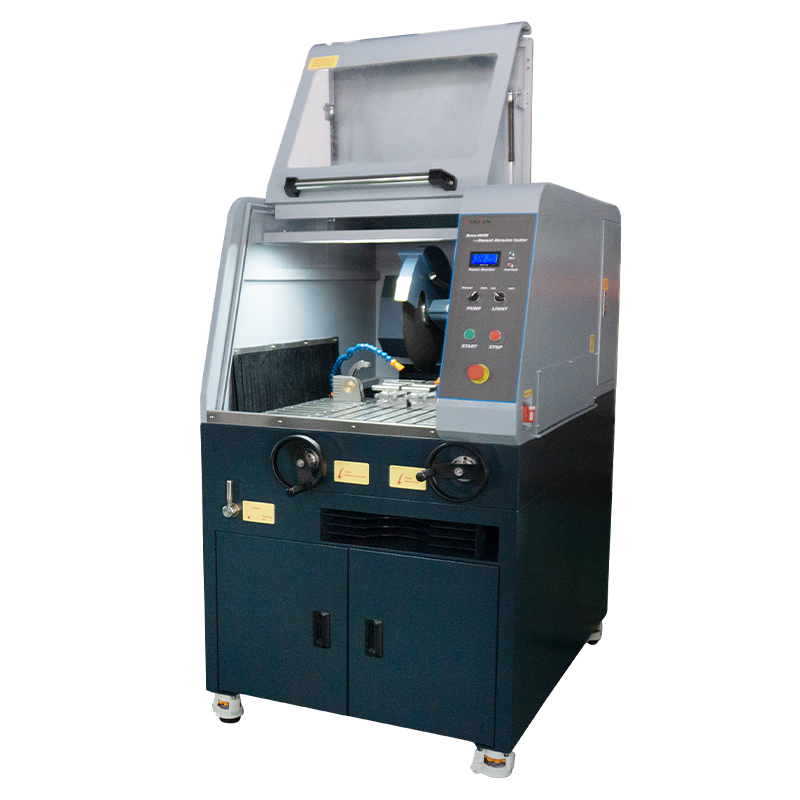
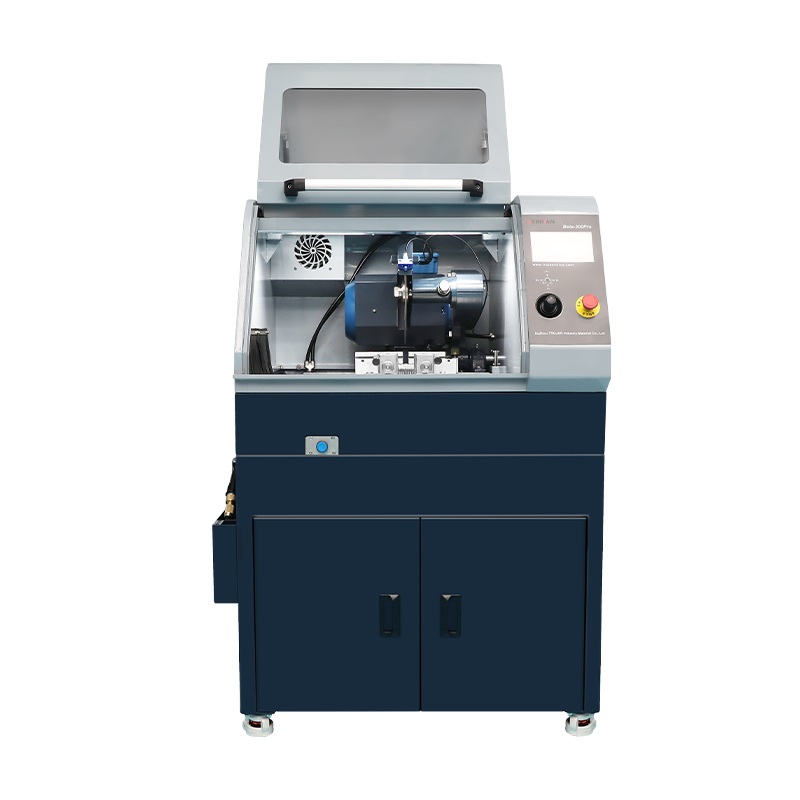
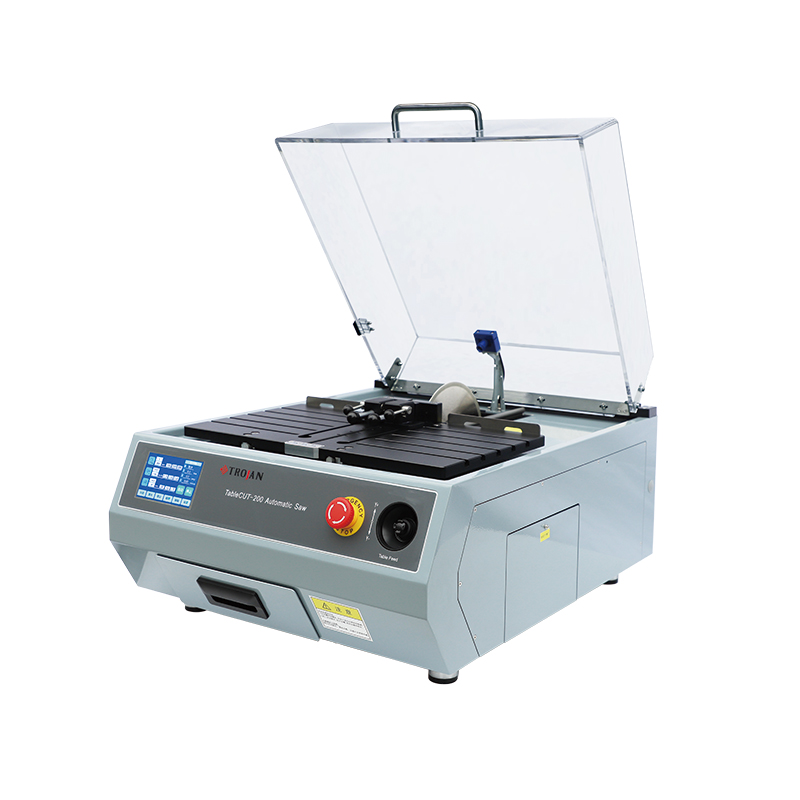
Cutting Mechanisms: Metallurgical cutting machines utilize various cutting mechanisms such as abrasive cutting, diamond cutting, or abrasive waterjet cutting to achieve clean and precise cuts through different types of metals. The choice of cutting mechanism depends on the material's hardness and the desired cut quality.
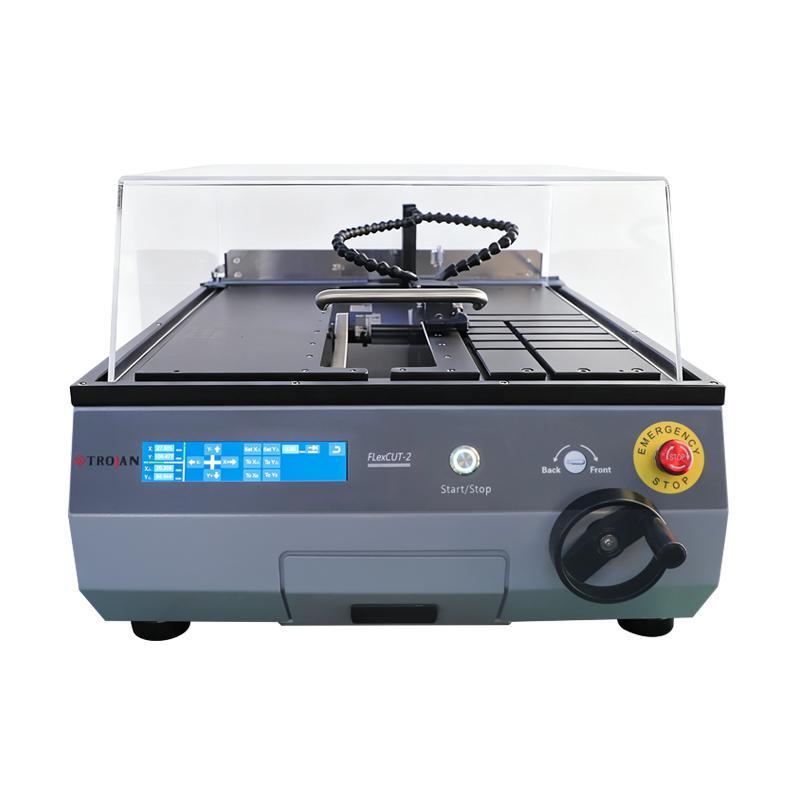
Precision Control: These machines are equipped with advanced control systems that allow users to specify the exact dimensions and positions for cuts. This precision control ensures that the cut samples are consistent in size and shape, which is crucial for accurate analysis and testing.
Sample Fixturing: Metallurgical cutting machines often come with adjustable sample fixtures that securely hold the metal specimens in place during the cutting process. This minimizes vibration and movement, leading to cleaner cuts and reduced material deformation.
Cutting Parameters: Operators can adjust cutting parameters such as cutting speed, feed rate, and cutting depth to optimize the cutting process for different types of metals. These parameters are chosen based on the material's characteristics to achieve optimal results.
Cooling Systems: To prevent overheating and material distortion, modern abrasive saw machines incorporate cooling systems that deliver a controlled amount of coolant or lubricant during the cutting process. This ensures the sample's integrity and helps maintain the quality of the cut surface.
Automated Operation: Many metallurgical cutting machines offer automated cutting capabilities. Users can program the machine to follow specific cutting paths and sequences, reducing the need for constant manual intervention and enhancing productivity.
Safety Features: Safety is a critical aspect of metallurgical cutting machines. They often have safety interlocks, emergency stop buttons, and protective enclosures to prevent accidents and ensure operator safety during operation.
Integrated Software: Some machines are equipped with integrated software interfaces that allow users to design cutting paths, import CAD files, and visualize the cutting process before initiating the operation. This feature enhances efficiency and accuracy in the cutting process.
Material Handling: Metallurgical cutting machines may include automated systems for loading and unloading samples, streamlining the workflow and reducing manual handling.
Versatility: These machines are designed to accommodate various sample sizes and shapes, enabling the cutting of different types of metal specimens for various testing and analysis purposes.
How does a metallurgical cutting machine contribute to improving efficiency and precision in the metal fabrication industry?
Consistent Precision: Metallurgical cutting machines are engineered to deliver precise and repeatable cuts, ensuring uniform sample dimensions. This consistency is crucial for accurate analysis and testing, reducing variability in results and enhancing overall quality control.
Reduced Material Waste: By enabling precise cuts, these machines minimize material wastage during the sample preparation process. This is particularly important when dealing with expensive or rare metals, as it maximizes the utilization of available resources.
Faster Processing: Traditional manual cutting methods can be time-consuming and labor-intensive. Metallurgical cutting machines automate the cutting process, significantly reducing processing times. This automation allows technicians to focus on other tasks, increasing overall productivity.
Minimized Operator Error: Human errors can lead to inconsistent cuts and compromised samples. Abrasive cutting machines operate based on programmed parameters, reducing the influence of operator-related errors and ensuring consistent quality.
Enhanced Safety: These machines are equipped with safety features such as interlocks and protective enclosures. By minimizing the risk of accidents, they create a safer working environment for operators, reducing the potential for injuries and associated downtime.
Optimized Cutting Parameters: Metallurgical cutting machines allow operators to fine-tune cutting parameters to match specific metal types and characteristics. This optimization ensures optimal cutting performance and quality, even when dealing with a variety of materials.
Streamlined Workflow: With automated loading and unloading systems, as well as integrated software interfaces, these machines streamline the workflow. Operators spend less time on manual tasks, enabling them to focus on higher-value activities.
Improved Sample Integrity: Metallurgical cutting machines often come with cooling systems that prevent material distortion or heat-induced changes in the sample's properties. This preserves the integrity of the cut samples, leading to more accurate test results.
Adaptability to Complex Shapes: Some abrasive cutting machines can handle intricate shapes and designs, which might be difficult or time-consuming to achieve using manual methods. This adaptability is particularly advantageous for industries that require intricate metal components.
Conservation of Expertise: Skilled operators are a valuable asset in metal fabrication. Metallurgical cutting machines allow these experts to apply their skills to programming and optimizing cutting parameters rather than performing repetitive manual cutting tasks.
 英语
英语 西班牙语
西班牙语 德语
德语