
 英语
英语 西班牙语
西班牙语 德语
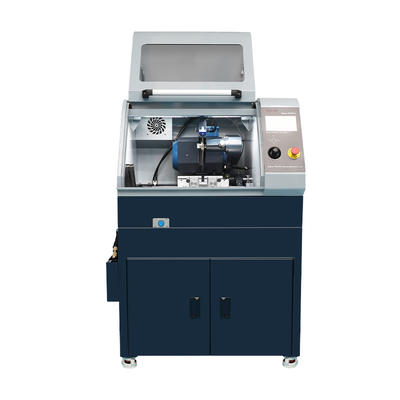
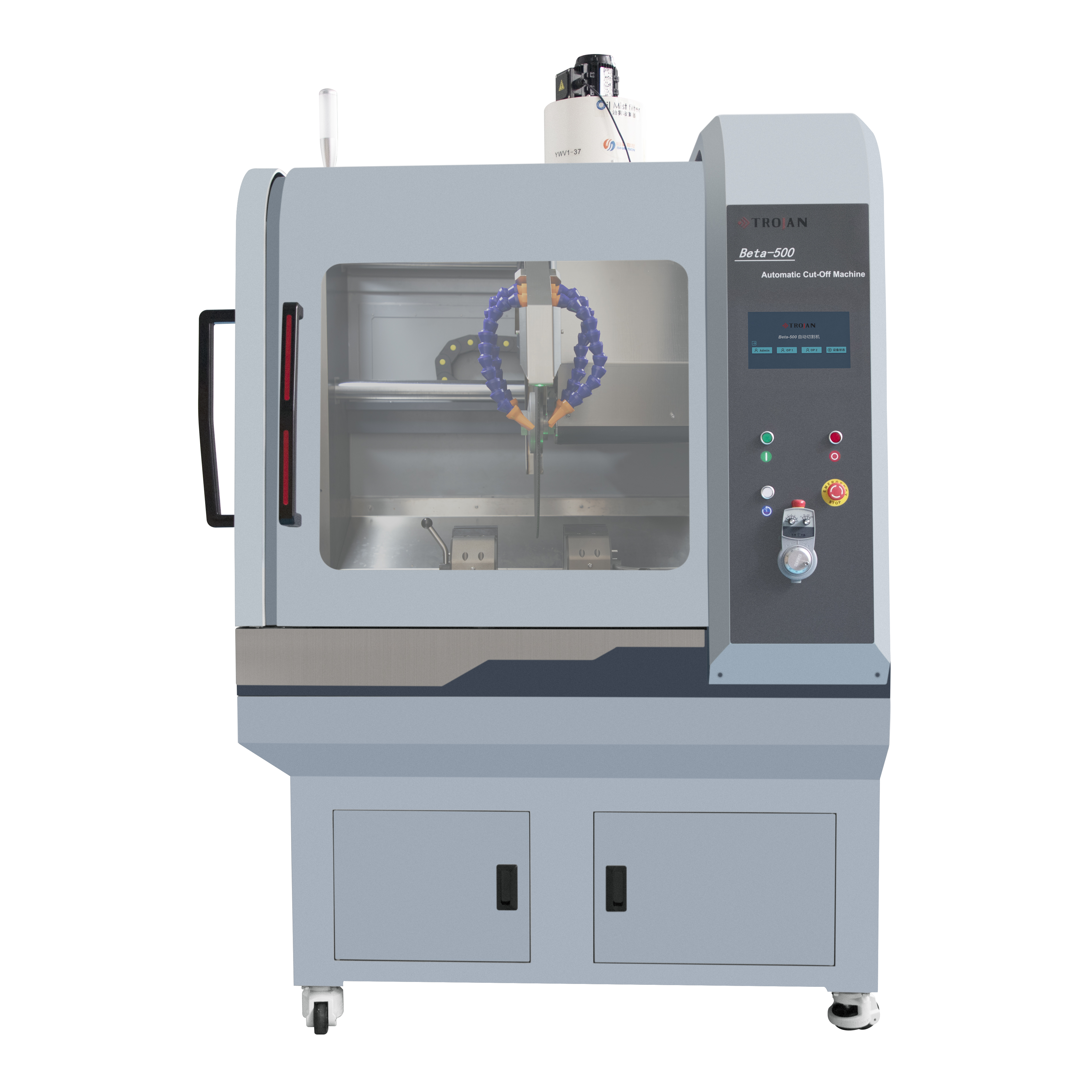
德语Beta-300Pro Automatic Abrasive Sectioning Machine
Beta-300Pro is a fully automatic vertical metallographic cutting machine. It utilizes advanced intel...
We use first- and third-party cookies including other tracking technologies from third party publishers to give you the full functionality of our website, to customize your user experience, perform analytics and deliver personalized advertising on our websites, apps and newsletters across internet and via social media platforms. For that purpose, we collect information about user, browsing patterns and device.
By clicking "Accept All Cookies", you accept this, and agree that we share this information with third parties, such as our advertising partners. If you prefer, you can choose to continue with "Only Required Cookies". But keep in mind that blocking some types of cookies may impact how we can deliver tailored content that you might like.
For more information and to customize your options, click on "Cookie settings". If you want to learn more about cookies and why we use them, visit our Cookie Policy page at any time. Cookie Policy

The ASTM E3 standard guide is widely recognized in the field of metallography for providing systematic procedures for the preparation of metallographic specimens. It serves as a reference for laboratories, educational institutions, and industrial facilities that need to ensure consistency and accuracy in specimen preparation. Following these guidelines ensures reproducibility and high-quality results in microscopic examination, hardness testing, and failure analysis.
Key aspects covered by the ASTM E3 standard include specimen mounting, grinding, polishing, and etching. These processes are critical for revealing the true microstructure of metals and alloys, such as stainless steel preparation and other corrosion-resistant materials.
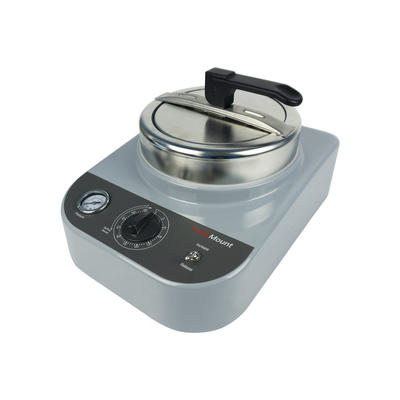
Mounting is the first step in metallographic specimen preparation. Proper mounting stabilizes the specimen, making it easier to handle during subsequent grinding and polishing stages. There are two primary mounting methods:
Selection of the mounting method depends on specimen size, hardness, and the intended analytical method. For instance, hot mounting is ideal for high-volume production environments due to its faster curing time, while cold mounting is preferred for delicate or composite materials.
Once mounted, specimens undergo a series of grinding and lapping steps to produce a flat and smooth surface. This step is critical for eliminating surface irregularities and preparing the specimen for high-quality polishing. The ASTM E3 standard emphasizes sequential use of abrasive papers with decreasing grit size.
Lubricants such as water or alcohol are recommended during grinding to reduce friction and prevent overheating. Proper specimen orientation during grinding ensures minimal distortion and avoids introducing artifacts.
Polishing removes the fine scratches left by grinding, producing a surface suitable for microstructural observation. According to ASTM E3, polishing is conducted using cloths impregnated with fine diamond or alumina suspensions.
Different materials may require specific polishing media. For instance, stainless steel surfaces benefit from colloidal silica for their hardness and to reduce surface deformation.
Etching is used to reveal the grain boundaries, phases, and structural features of metallic specimens. The ASTM E3 standard guides the selection of chemical etchants compatible with different metals. For example, stainless steel etching often involves a mixture of nitric and hydrofluoric acids applied carefully to avoid over-etching.
The etching process can be conducted using immersion, swabbing, or electrolytic methods depending on the specimen's characteristics and desired microstructural visibility. Consistent timing and concentration are crucial to obtaining reproducible results.
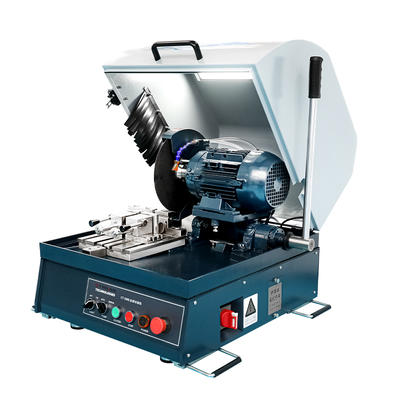
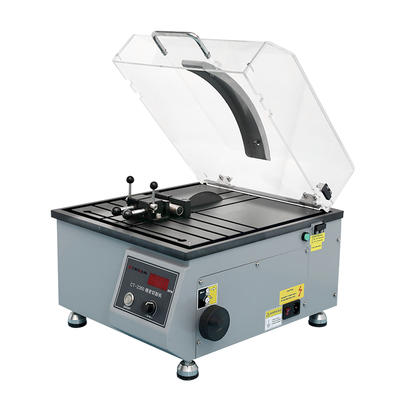
High-quality specimen preparation requires reliable metallography consumables and equipment. Key components include:
The combination of proper consumables and well-maintained equipment ensures consistent specimen quality and reduces preparation errors.
ASTM E3 emphasizes quality control throughout the specimen preparation process. Detailed documentation of preparation steps, materials used, and equipment settings allows reproducibility and verification of results. Laboratories often maintain logs that record:
This rigorous documentation ensures consistency and supports regulatory compliance in metallurgical laboratories.
While the overall preparation process is similar across metals, stainless steel exhibits specific challenges due to its corrosion resistance and hardness. Compared to carbon steel:
Understanding these distinctions is critical for laboratories handling multiple metal types and ensures optimal microstructural clarity.
Adhering to the ASTM E3 standard ensures that metallographic specimens are prepared consistently, allowing accurate microstructural analysis. The integration of proper mounting techniques, precise grinding and polishing, careful etching, and the use of high-quality metallography consumables are essential components of a reliable workflow. Following these guidelines reduces preparation errors and supports meaningful metallurgical evaluation.
The mounting press stabilizes specimens, allowing easier handling during grinding, polishing, and etching, and ensures uniformity across samples.
Stainless steel requires finer abrasives, longer polishing, and delicate etching due to its hardness and corrosion resistance.
High-quality consumables prevent surface defects, contamination, and ensure reproducibility in specimen preparation.
Cold mounting is ideal for heat-sensitive materials but may not provide the same mechanical durability as hot mounting for very hard metals.
It provides structured guidance for specimen preparation, ensuring consistent, reproducible, and high-quality microstructural analysis.


.jpg?imageView2/2/w/400/format/jpg/q/75 "PL-W Polishing Lubricants")

Based in China, TROJAN pays attention to the international market, and has sold metallographic equipment to more than 50 countries, such as Europe, America, Japan and South Korea, Southeast Asia countries and regions


