 英语
英语 西班牙语
西班牙语 德语
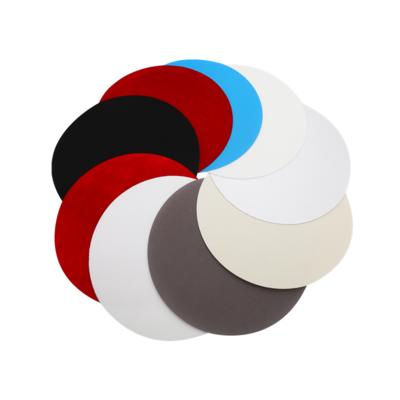
德语Disposable Sample Cups
product manual
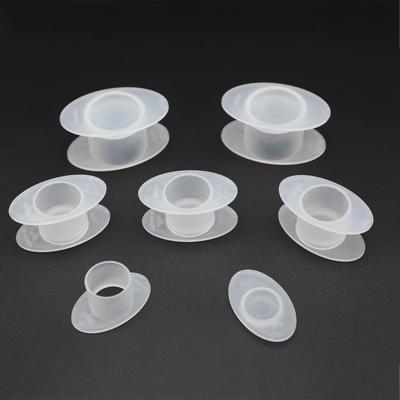
Used for cold curing.
We use first- and third-party cookies including other tracking technologies from third party publishers to give you the full functionality of our website, to customize your user experience, perform analytics and deliver personalized advertising on our websites, apps and newsletters across internet and via social media platforms. For that purpose, we collect information about user, browsing patterns and device.
By clicking "Accept All Cookies", you accept this, and agree that we share this information with third parties, such as our advertising partners. If you prefer, you can choose to continue with "Only Required Cookies". But keep in mind that blocking some types of cookies may impact how we can deliver tailored content that you might like.
For more information and to customize your options, click on "Cookie settings". If you want to learn more about cookies and why we use them, visit our Cookie Policy page at any time. Cookie Policy

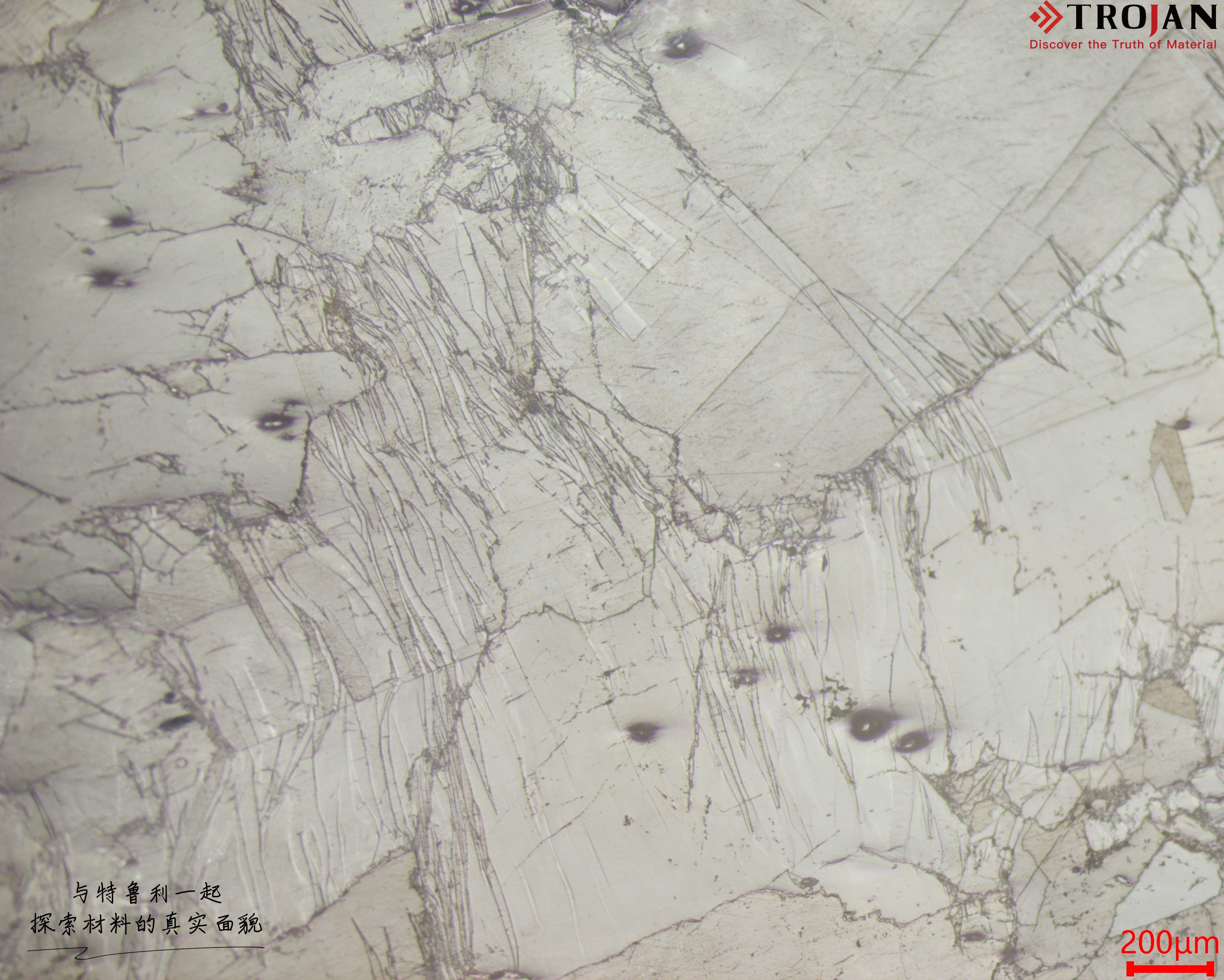
When it comes to gypsum rock, don’t just think of construction gypsum boards! This sedimentary rock formed from calcium sulfate minerals has plenty of hidden talents.
Its formation dates back to ancient oceans or lakes. As water evaporated, calcium sulfate crystals gradually precipitated and compacted, eventually forming the gypsum rock we see today. It is not only visually appealing—some varieties are pure white and fine-grained, while others feature pale blue or light gray veins, making them ideal as decorative stone materials—but also highly practical. Beyond the construction industry, it is used in medicine (for making orthopedic casting plaster), agriculture (for improving soil structure), and even in the food industry as a stabilizer.
From an ancient geological wonder to a staple of modern life, gypsum rock has quietly become an integral part of various aspects of our daily lives after millions of years of sedimentation.
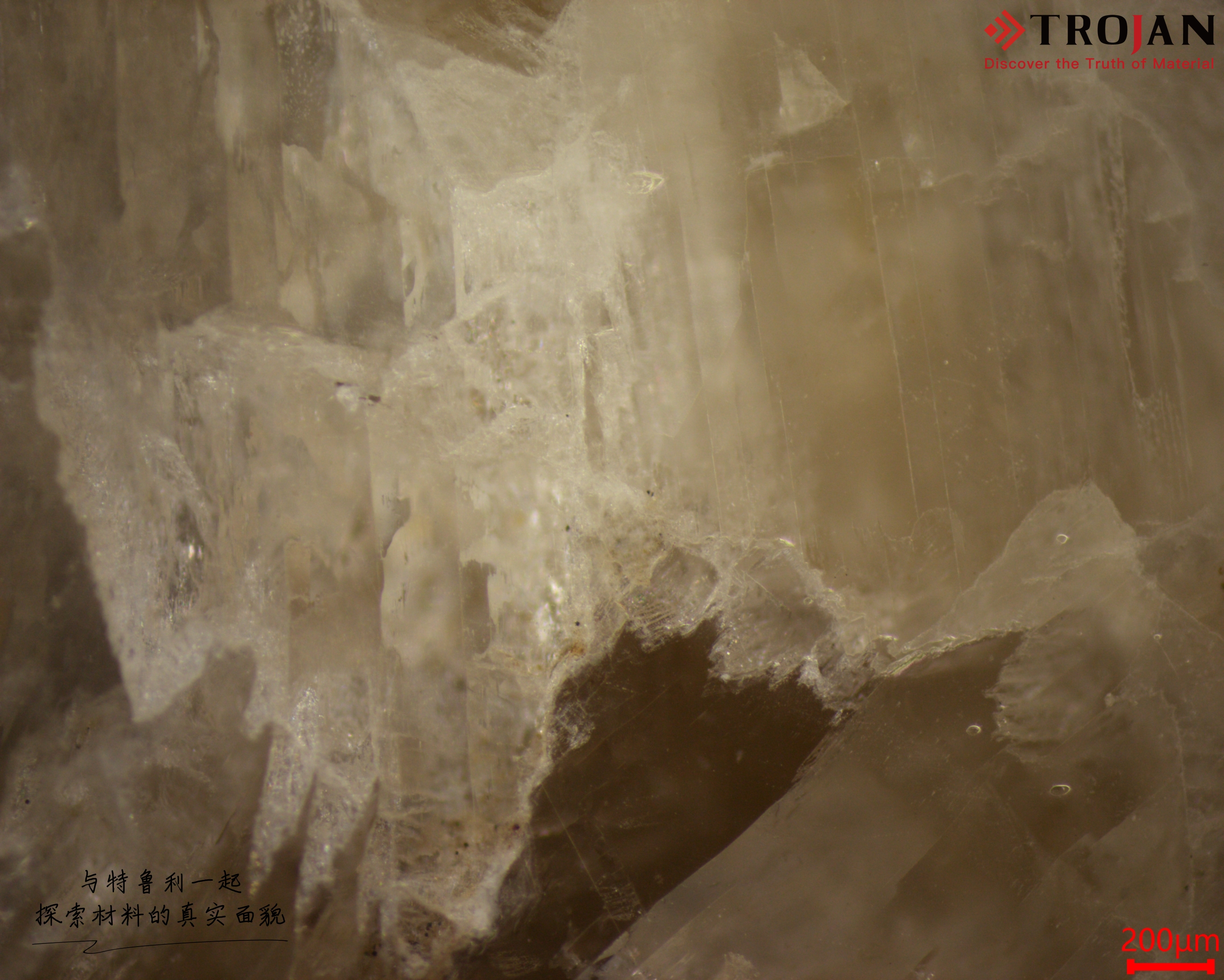
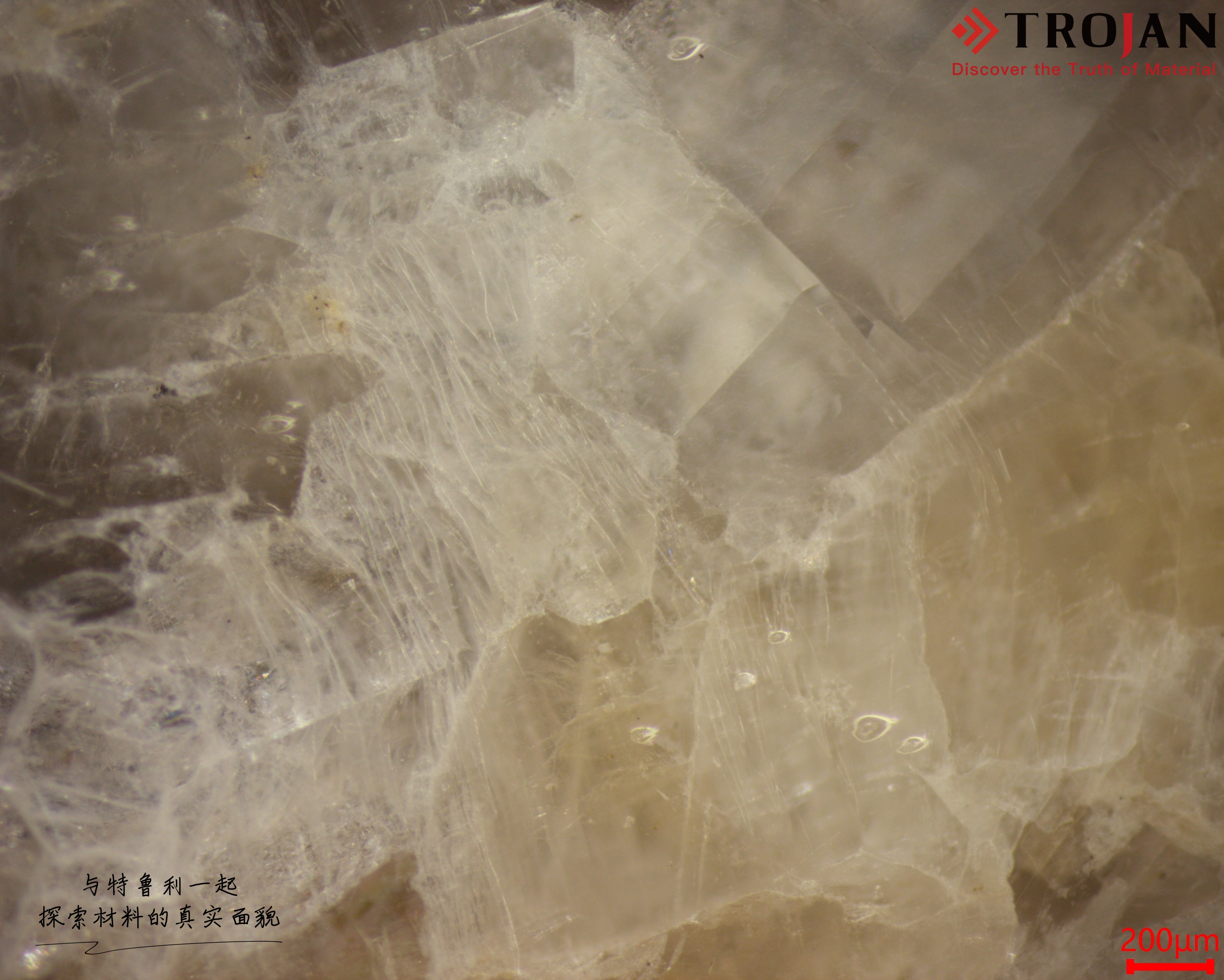
Below are the sample preparation parameters and metallographic effect appreciation for gypsum rock:
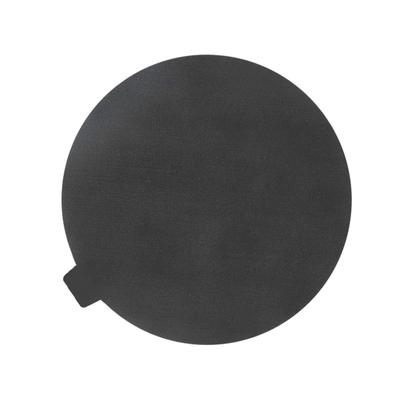
1️⃣ Grinding: MET-S P800-2500
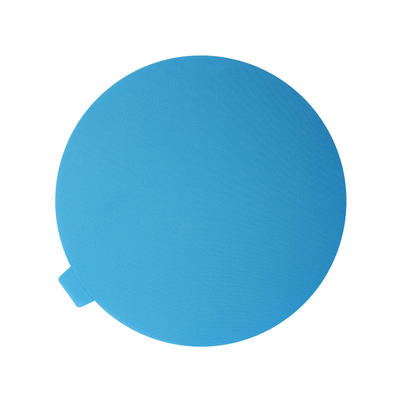
2️⃣ Rough Polishing: SC + 3μm PD-WT
3️⃣ Final Polishing: ZN + SO-A539
#Trojan #Trojanmetallography #Trojanmaterial #SteelMicrostructure
#MaterialScience #Metallography #SteelSamples
#MicrostructureAnalysis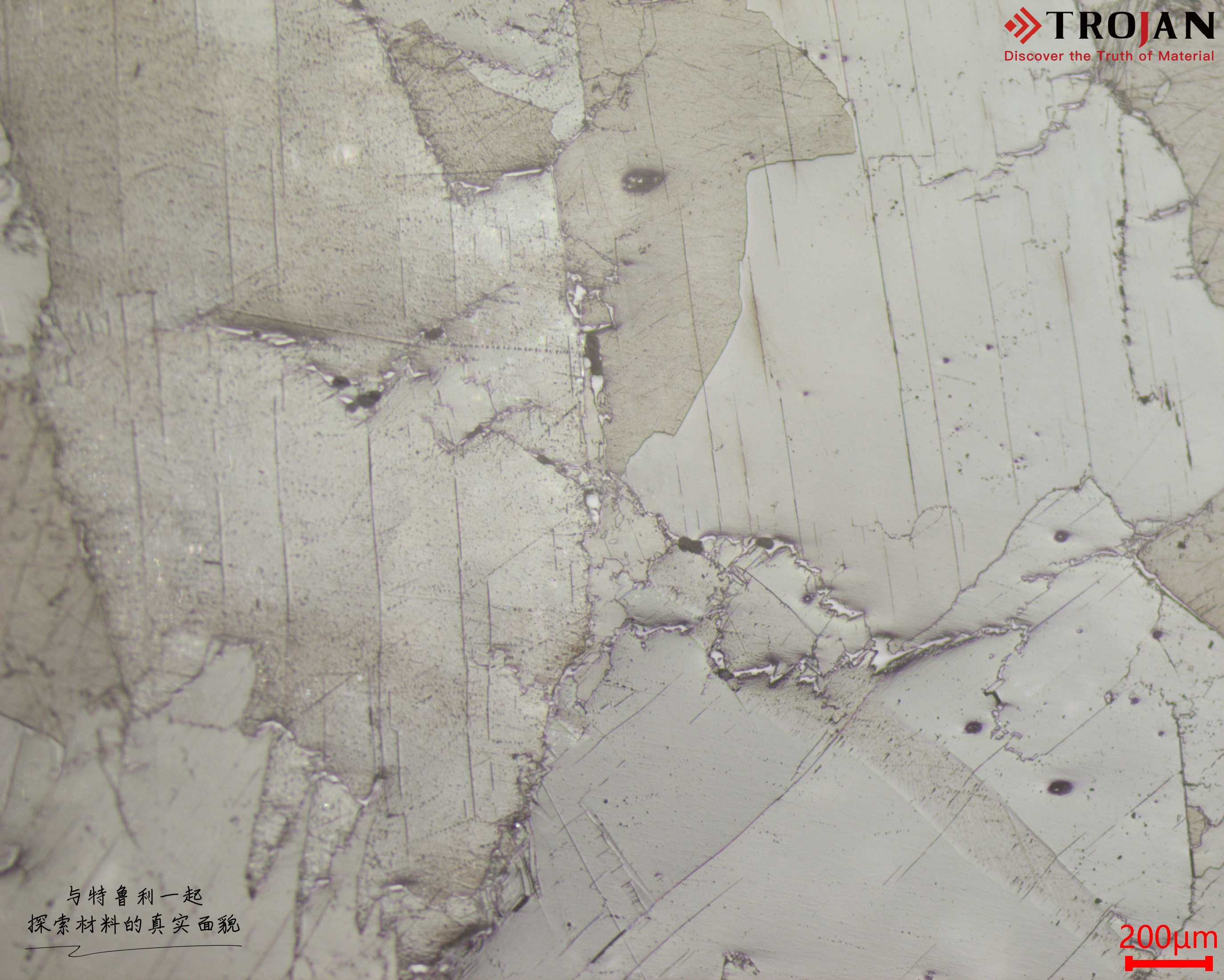
.png?imageView2/2/w/400/format/jpg/q/75 "Disposable Sample Cups")

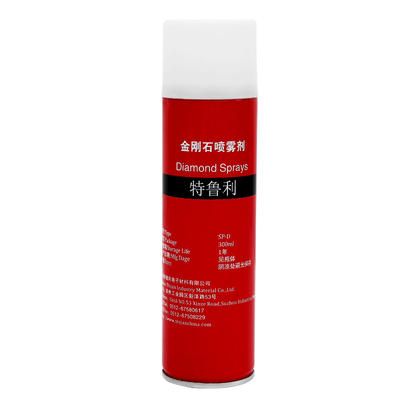
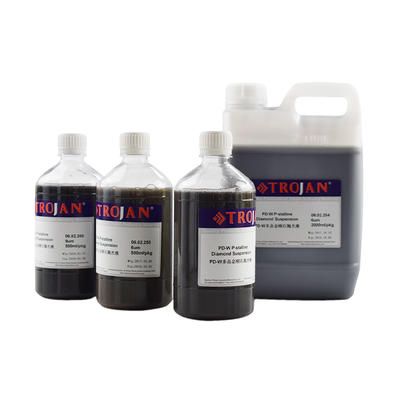
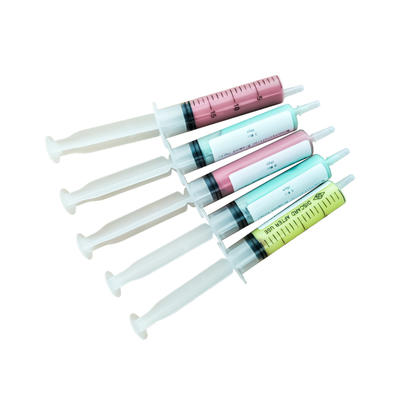
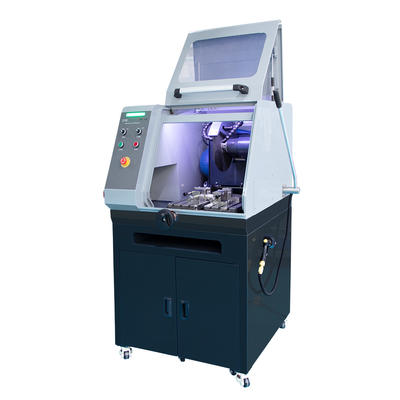

Based in China, TROJAN pays attention to the international market, and has sold metallographic equipment to more than 50 countries, such as Europe, America, Japan and South Korea, Southeast Asia countries and regions