 英语
英语 西班牙语
西班牙语 德语
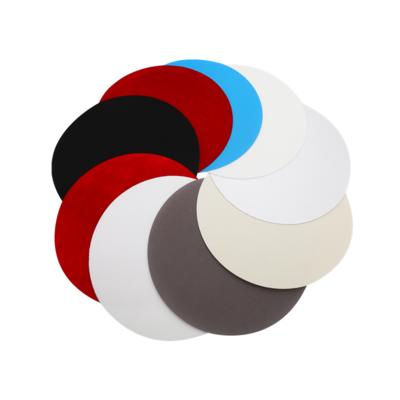
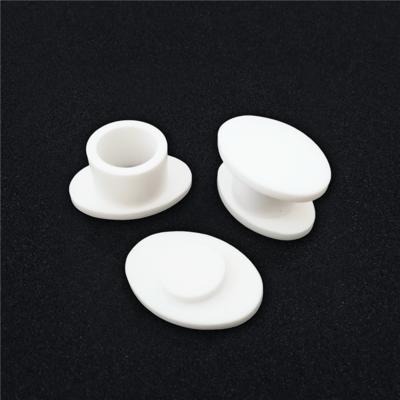
德语Disposable Sample Cups
product manual
Used for cold curing.
We use first- and third-party cookies including other tracking technologies from third party publishers to give you the full functionality of our website, to customize your user experience, perform analytics and deliver personalized advertising on our websites, apps and newsletters across internet and via social media platforms. For that purpose, we collect information about user, browsing patterns and device.
By clicking "Accept All Cookies", you accept this, and agree that we share this information with third parties, such as our advertising partners. If you prefer, you can choose to continue with "Only Required Cookies". But keep in mind that blocking some types of cookies may impact how we can deliver tailored content that you might like.
For more information and to customize your options, click on "Cookie settings". If you want to learn more about cookies and why we use them, visit our Cookie Policy page at any time. Cookie Policy

Thermal spray coating is known as the “protective armor” for industrial components, widely used in machinery, aerospace, energy and other fields. It not only provides wear-resistant protection for easily worn shafts and blades, but also builds a corrosion-resistant barrier for pipelines and containers in corrosive environments. Additionally, it can realize functions such as heat insulation and electrical conductivity for high-temperature components, thereby extending the service life of equipment.
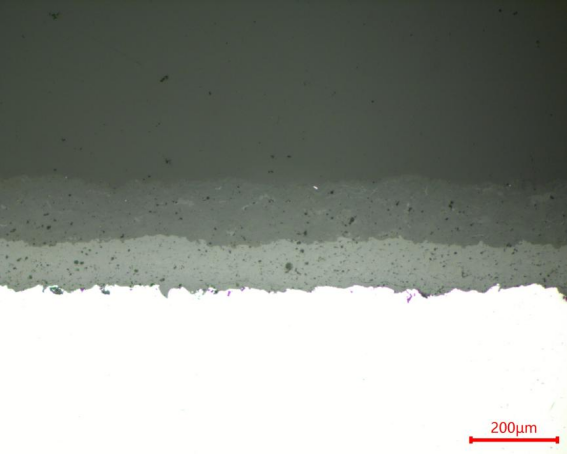
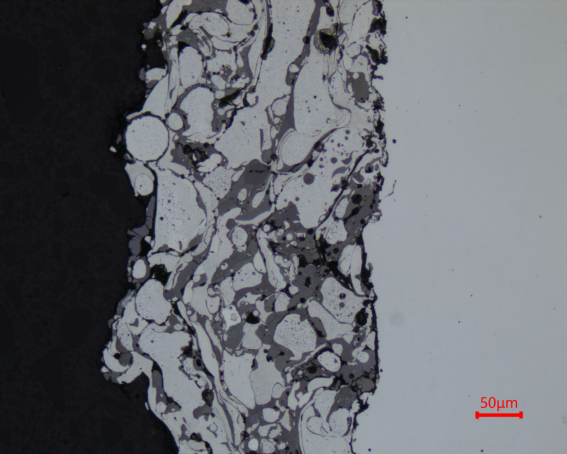
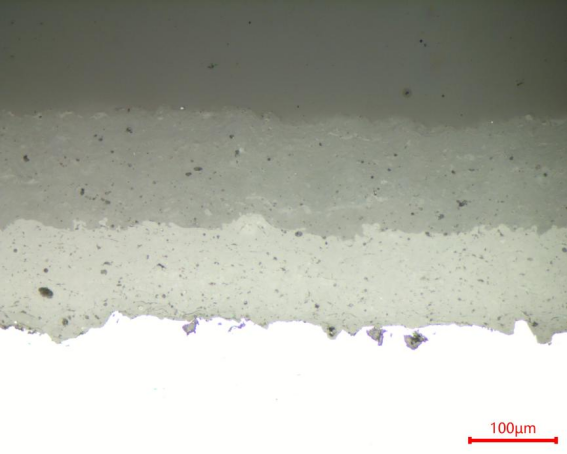
If thermal spray coating is the “armor”, then the metallographic section of the thermal spray sample is the “quality inspection magnifying glass”, which is a key link in coating quality control. Through metallographic section preparation and microscopic observation, the uniformity of coating thickness, the bonding interface state with the substrate can be accurately detected, microscopic defects such as pores and cracks can be identified, and the integrity of the coating microstructure can be analyzed. This not only verifies the rationality of the spraying process and avoids potential application risks in advance, but also provides intuitive data support for coating performance optimization, ensuring that the “protective armor” can truly withstand industrial tests!
Standard Metallographic Sample Preparation Procedures for Thermal Spray Ceramic Coatings:
1️⃣ Rough Grinding: Use P400 metallographic sandpaper and grind until the sample surface is flat
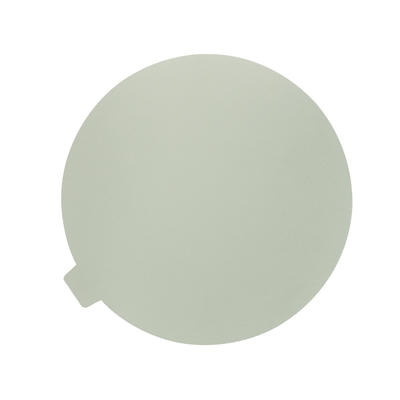
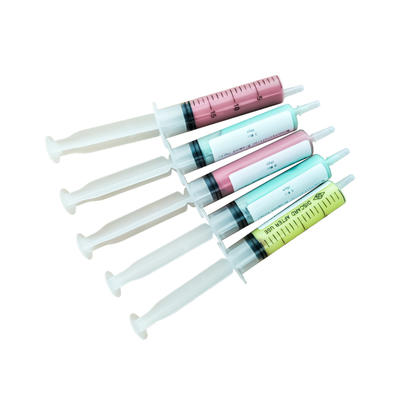
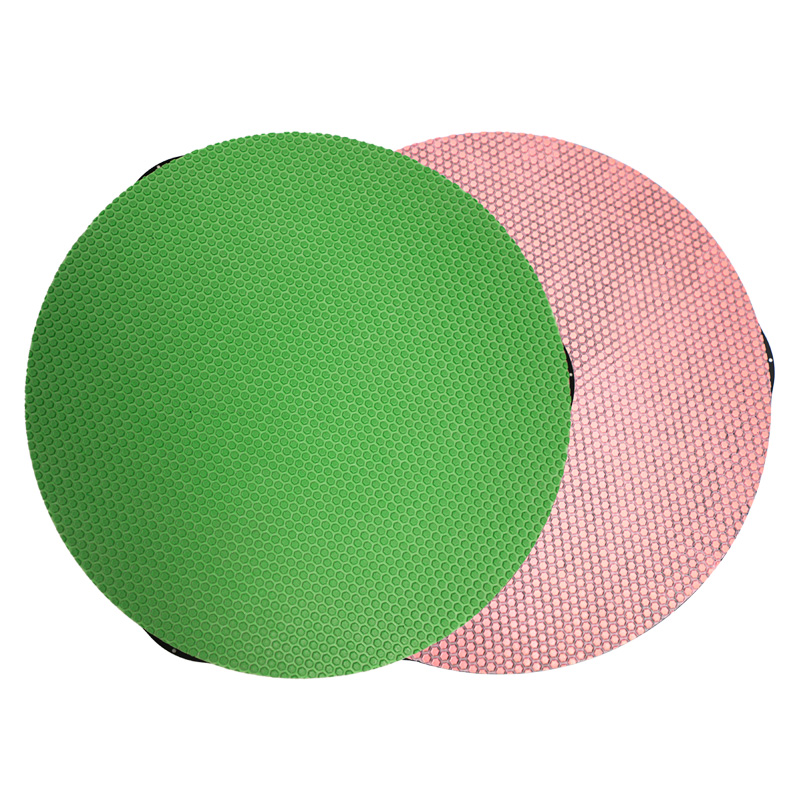
2️⃣ Fine Grinding: POS polishing pad + 9μm PD-WT polishing fluid
3️⃣ Rough Polishing: SC polishing pad + 3μm PD-WT polishing fluid
4️⃣ Intermediate Polishing: ET polishing pad + 1μm PD-WT polishing fluid
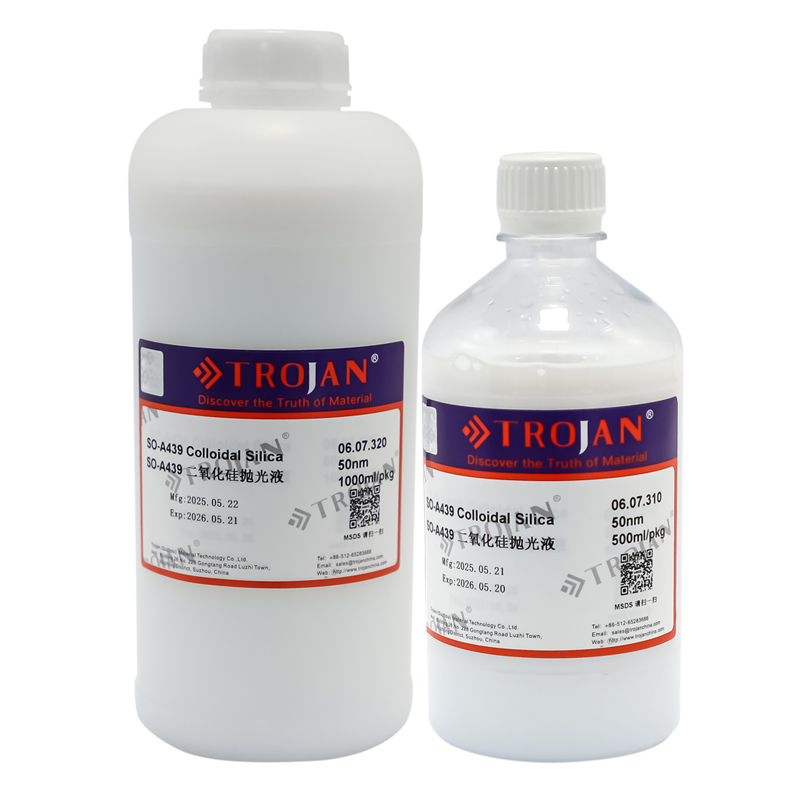
5️⃣ Fine Polishing: ZN polishing pad + 0.05μm SO-T401 polishing fluid
#SteelMicrostructure #MaterialScience #Metallography #Trojan #Trojanmetallography
.png?imageView2/2/w/400/format/jpg/q/75 "Disposable Sample Cups")
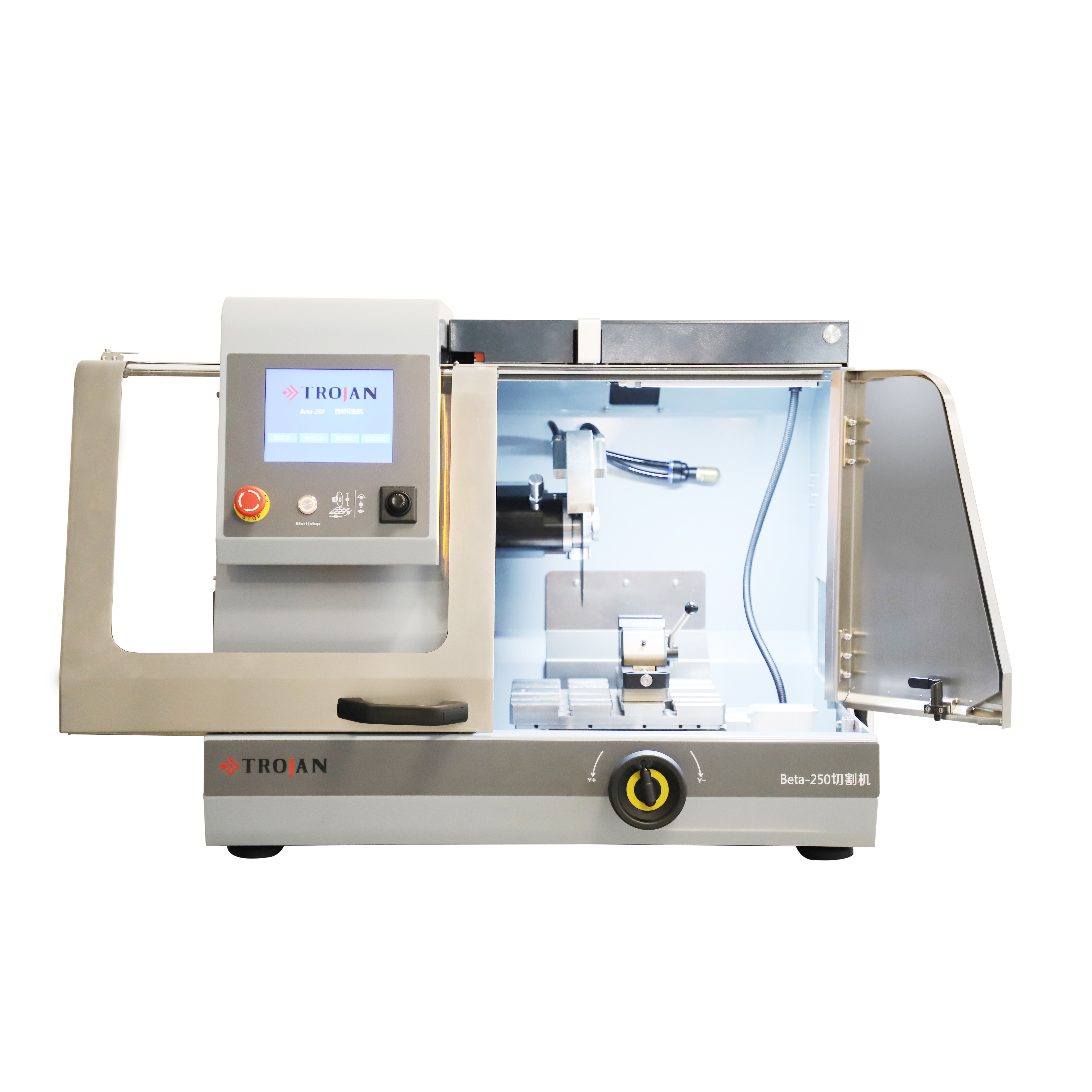
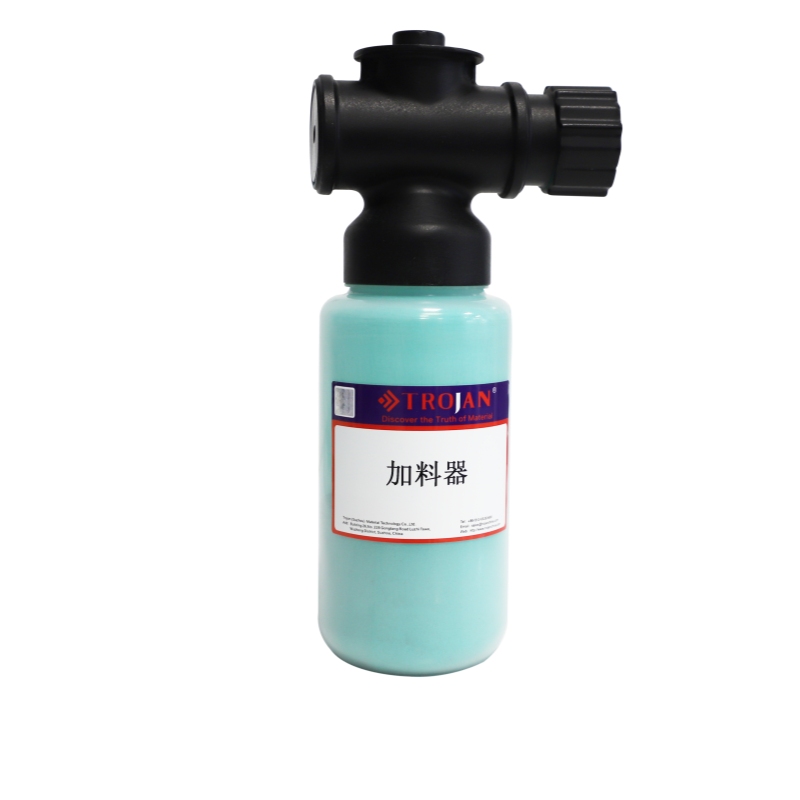

Based in China, TROJAN pays attention to the international market, and has sold metallographic equipment to more than 50 countries, such as Europe, America, Japan and South Korea, Southeast Asia countries and regions