
 英语
英语 西班牙语
西班牙语 德语
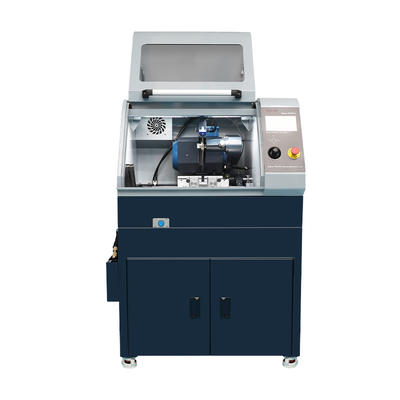
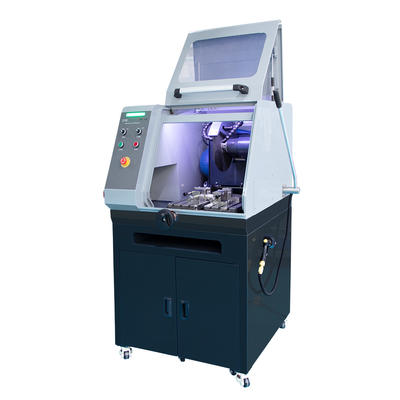
德语Beta-300Pro Automatic Abrasive Sectioning Machine
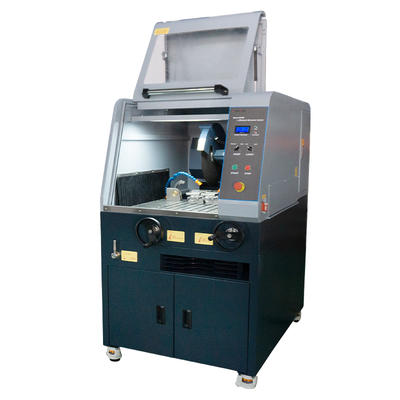
Beta-300Pro is a fully automatic vertical metallographic cutting machine. It utilizes advanced intel...
We use first- and third-party cookies including other tracking technologies from third party publishers to give you the full functionality of our website, to customize your user experience, perform analytics and deliver personalized advertising on our websites, apps and newsletters across internet and via social media platforms. For that purpose, we collect information about user, browsing patterns and device.
By clicking "Accept All Cookies", you accept this, and agree that we share this information with third parties, such as our advertising partners. If you prefer, you can choose to continue with "Only Required Cookies". But keep in mind that blocking some types of cookies may impact how we can deliver tailored content that you might like.
For more information and to customize your options, click on "Cookie settings". If you want to learn more about cookies and why we use them, visit our Cookie Policy page at any time. Cookie Policy

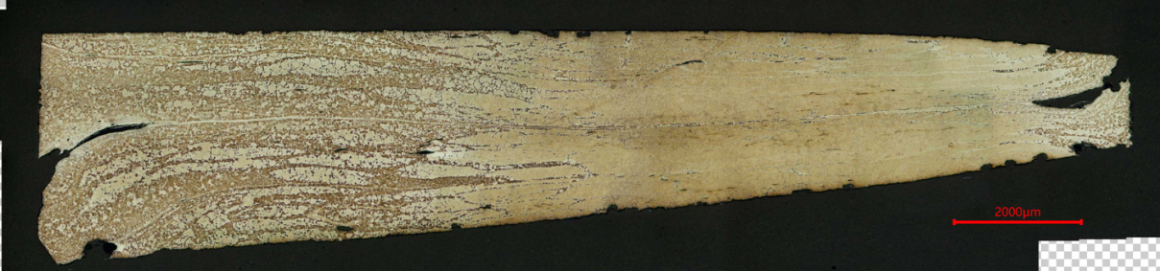
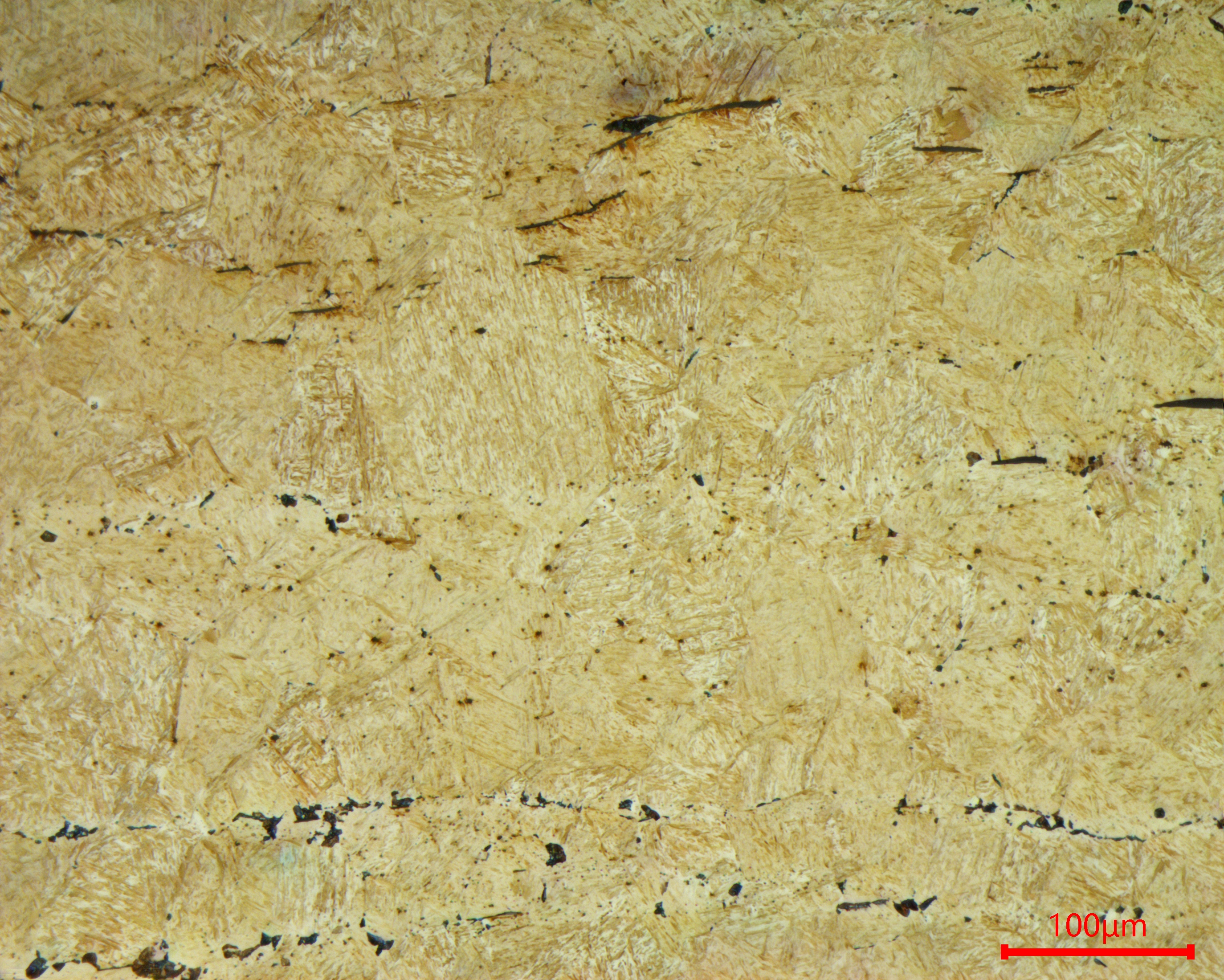
Beneath the sharp edges of traditionally forged knives lie hidden changes in metallographic structures. With proper specimen preparation and microscopic inspection, we can fully figure out the merits and flaws of classic forging techniques.
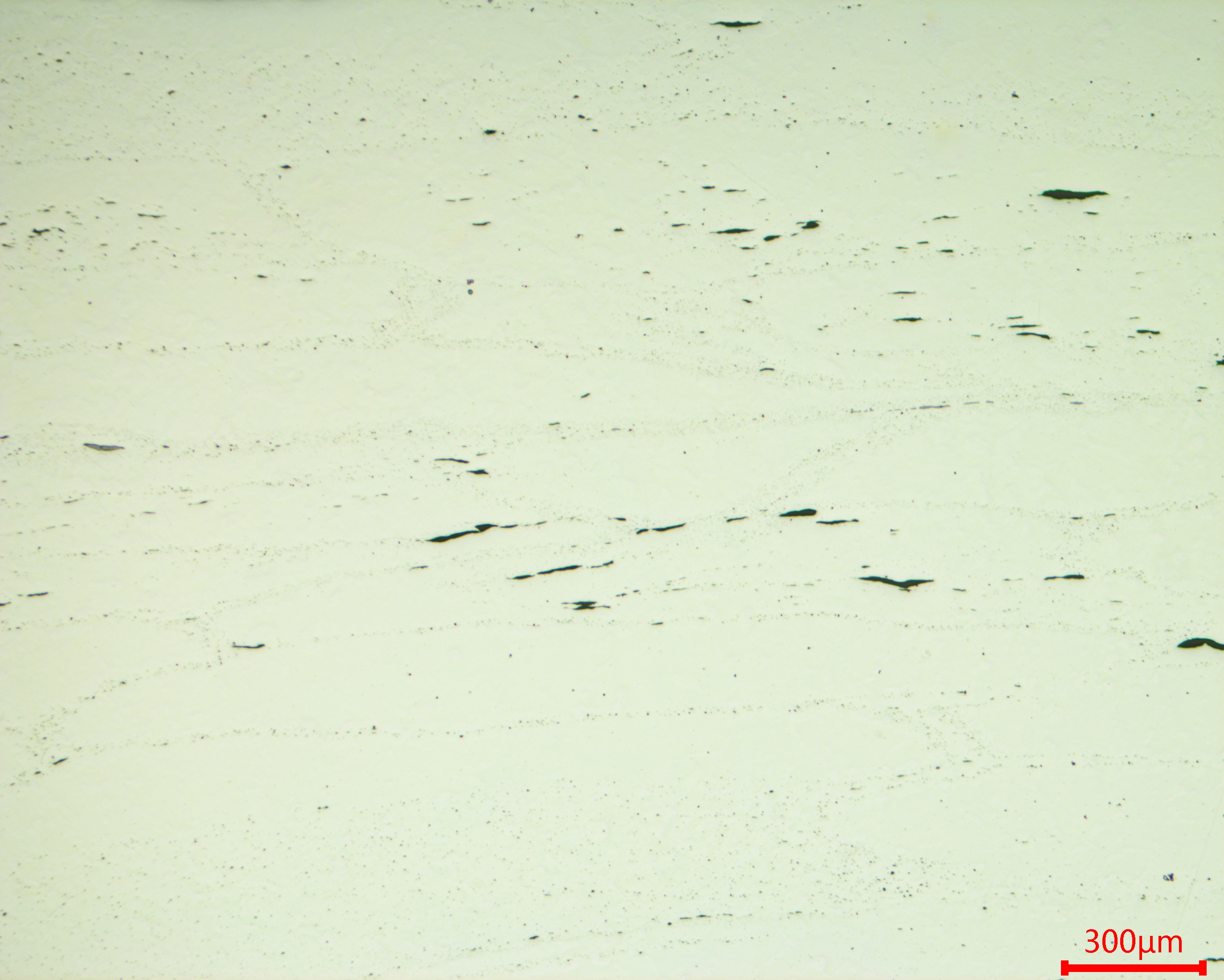
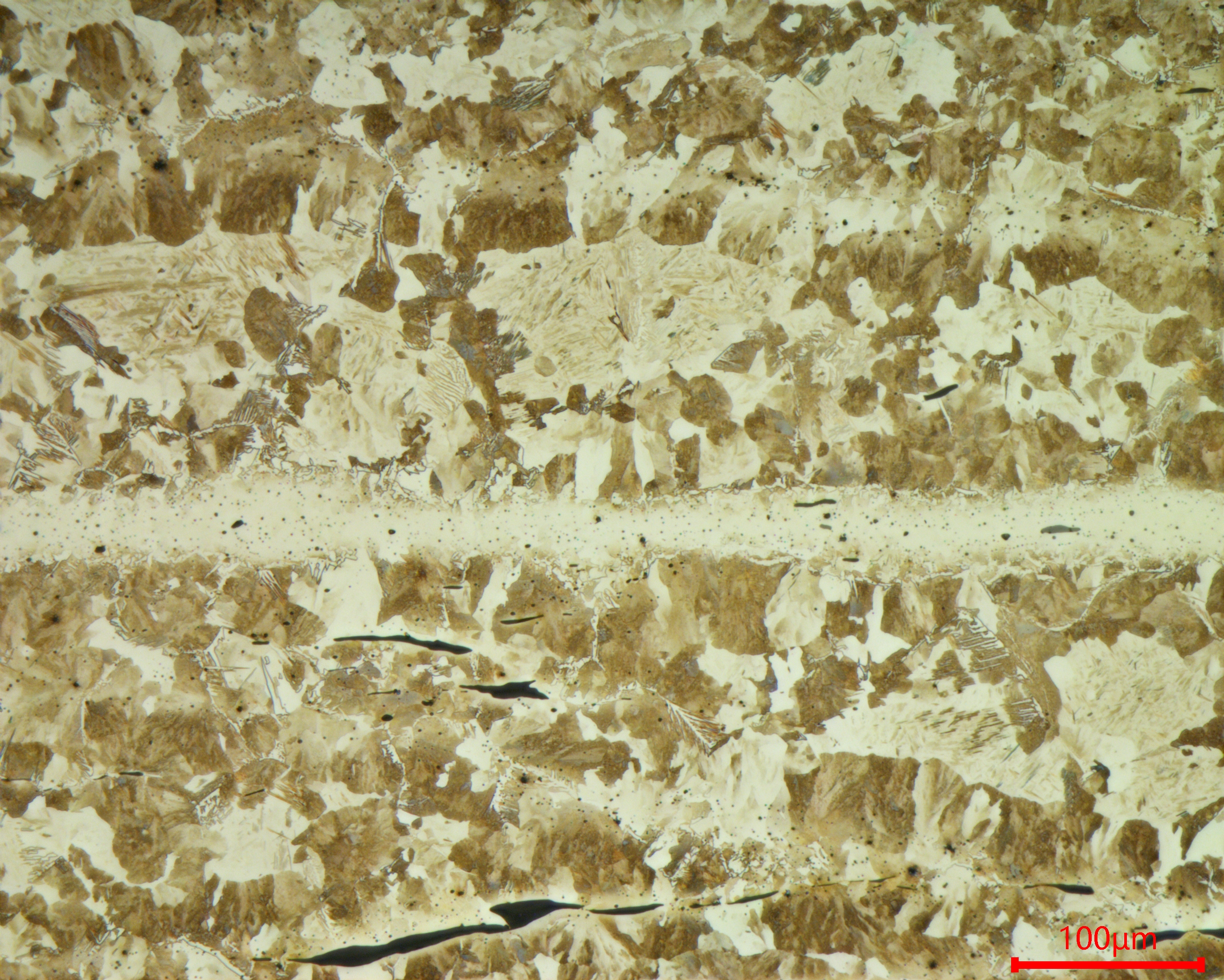
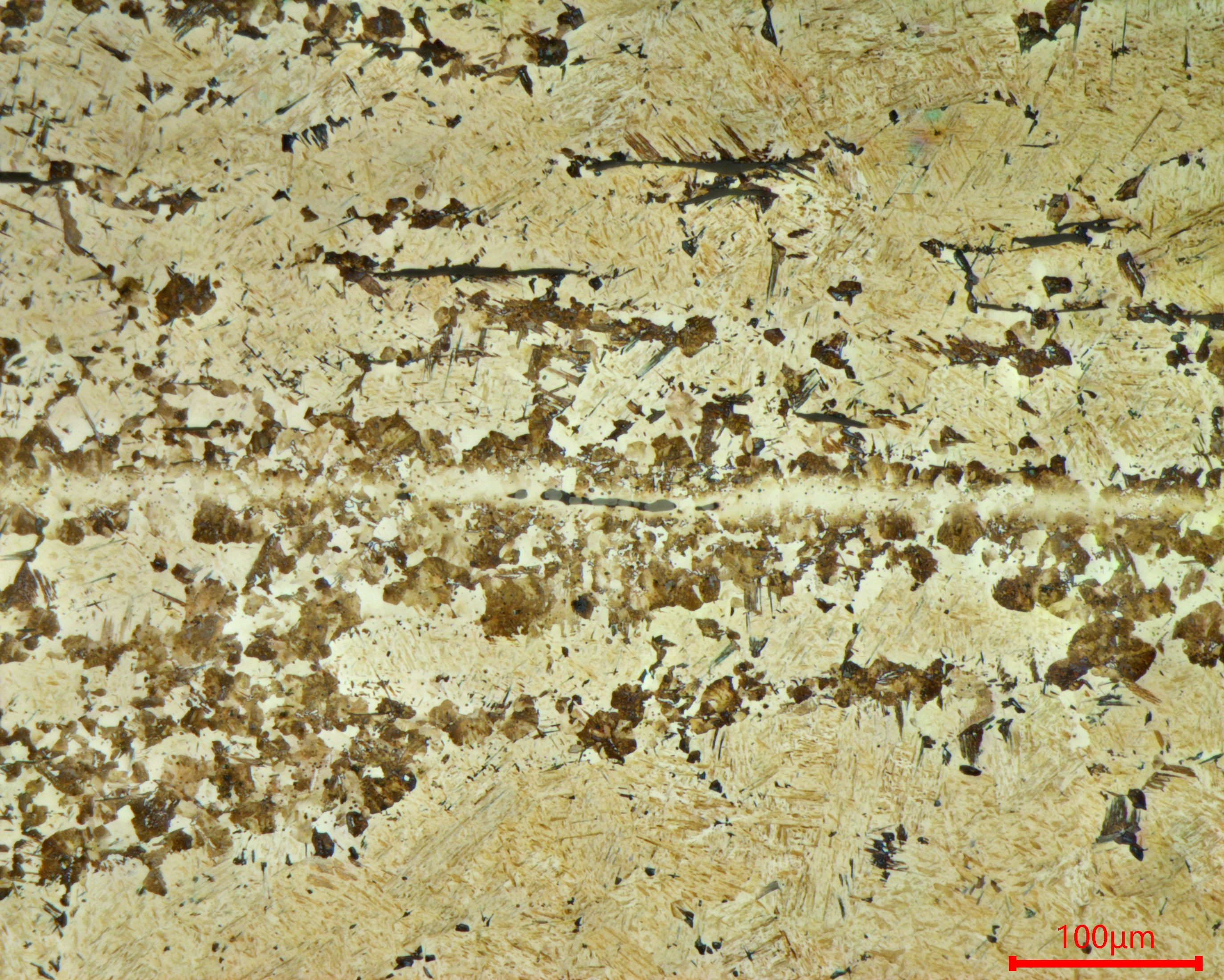
Metallographic views show obvious slag inclusions from embedded scale layers and high-temperature induced decarburization zones at folded forging joints. These parts cannot form hard martensite after quenching, only ductile pearlite is obtained instead.
Clear structural gradients exist from blade spine to cutting edge.



Based in China, TROJAN pays attention to the international market, and has sold metallographic equipment to more than 50 countries, such as Europe, America, Japan and South Korea, Southeast Asia countries and regions


