 英语
英语 西班牙语
西班牙语 德语
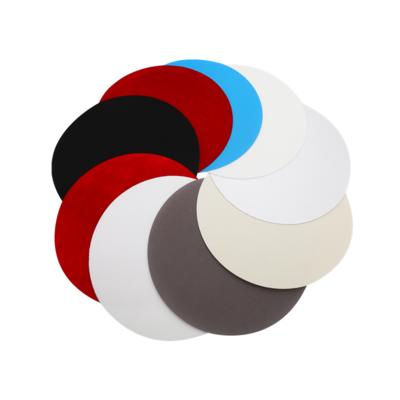
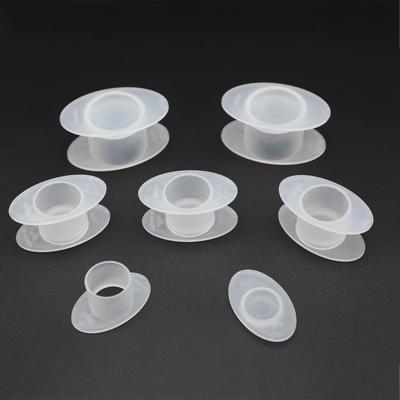
德语2-Part Mounting Cups
Product Description
The 2-part Mounting Cups feature a detachable bottom, allowing easy removal of ...
We use first- and third-party cookies including other tracking technologies from third party publishers to give you the full functionality of our website, to customize your user experience, perform analytics and deliver personalized advertising on our websites, apps and newsletters across internet and via social media platforms. For that purpose, we collect information about user, browsing patterns and device.
By clicking "Accept All Cookies", you accept this, and agree that we share this information with third parties, such as our advertising partners. If you prefer, you can choose to continue with "Only Required Cookies". But keep in mind that blocking some types of cookies may impact how we can deliver tailored content that you might like.
For more information and to customize your options, click on "Cookie settings". If you want to learn more about cookies and why we use them, visit our Cookie Policy page at any time. Cookie Policy

Every metallurgical laboratory runs on a simple promise: the specimen on the microscope stage must represent the material it was cut from. When that promise breaks, the failure rarely shows up as a dramatic event. It shows up as a slightly rounded edge, a faint scratch pattern that will not disappear, or a mounting resin that pulls away from the sample under vacuum. These small deviations accumulate into rework, wasted reagents, and delayed reporting.
Consumable selection is often treated as a purchasing decision rather than a technical one. In practice, the cutting wheel, the resin, the cloth, and the suspension used at each stage of preparation directly influence measurement accuracy, including results derived from gravimetric analysis, where even minor mass changes from contamination or incomplete drying can distort a reading. A lab that standardizes its consumable choices around the material being processed tends to see fewer repeat preparations and more consistent inter-operator results.
The chart below summarizes where preparation-related defects most commonly originate, based on patterns commonly logged in quality-control review across specimen preparation workflows.
Sectioning is the first point at which a specimen can be permanently compromised, and no later step can fully correct it. Selecting metallurgical cutting consumables that match the hardness and thermal sensitivity of the material determines whether the cut surface carries deformation deep enough to interfere with later grinding stages. A wheel that is too aggressive for a soft, ductile alloy smears the surface; a wheel that is too fine for a hardened tool steel overheats and can alter the microstructure near the cut line through localized heating.
.jpg)
The practical implication is that cutting consumables should be selected by material family rather than by a single default wheel used across the entire lab. A resin-bonded wheel suited to hardened steels will behave very differently on a soft aluminum alloy, where chip loading and clogging become the dominant failure mode instead of wheel wear. Labs that maintain two or three wheel specifications matched to their most common sample types typically report shorter section-to-mount cycle times and less thermal damage requiring extra grinding to remove.
The flowchart below outlines the standard specimen preparation sequence. A defect introduced at the cutting stage does not stay isolated; it propagates into mounting, where a rough cut surface can trap air and create voids, and into grinding, where extra material must be removed to reach undamaged material, adding time to every subsequent step.
Mounting exists to give an irregular or fragile specimen a stable, edge-retaining form that survives grinding and polishing without crumbling or delaminating. The choice of cold mounting resins & epoxies is not interchangeable across sample types. Porous materials, coated surfaces, and specimens containing residual cutting fluid all interact differently with a given resin chemistry, and a mismatch shows up later as edge rounding, resin pull-away, or trapped bubbles at the specimen interface that interfere with edge retention analysis.
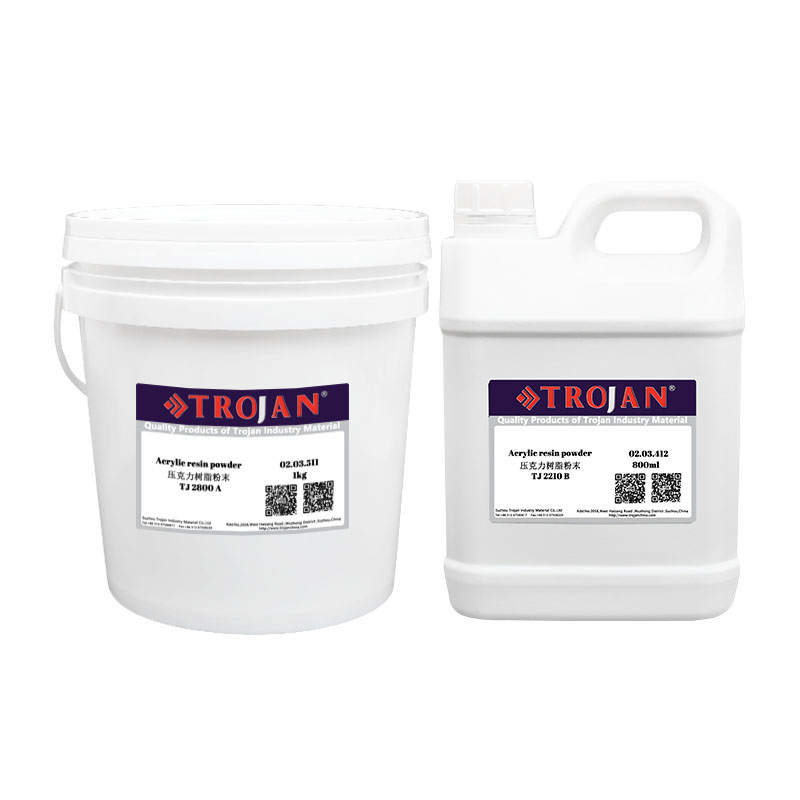
Chemical compatibility becomes especially important when a specimen will later be exposed to etchants or held in solution for extended imaging sessions. A resin that is not resistant to the etchant class in use can soften, swell, or discolor at the mount boundary, which distorts measurements taken near the specimen edge. Cure time is another practical constraint: a fast-curing system reduces turnaround for routine samples, while a slower, low-shrinkage system is often preferable when dimensional stability matters more than speed, such as in coating-thickness evaluation.
| Consideration | Fast-Cure System | Low-Shrinkage System |
| Typical cycle time | Short | Longer |
| Edge retention | Moderate | High |
| Best fit | Routine batch work | Coating/edge studies |
The line chart below illustrates a representative relationship between cure duration and relative bond strength for two general resin behaviors, showing why rushing a low-shrinkage system undermines the property it was chosen for.
Grinding removes bulk damage, but final surface quality is determined at the polishing stage, and the cloth itself is one of the most under-managed consumables in a typical lab. Polishing cloths differ in nap length, fiber structure, and resilience, and each of those properties changes how abrasive particles are held and released during polishing. A cloth with too much nap can round edges and features that need to stay sharp, such as coating layers or precipitates near a grain boundary; a cloth that is too hard for a soft alloy can leave fine scratching that is mistaken for a material defect.
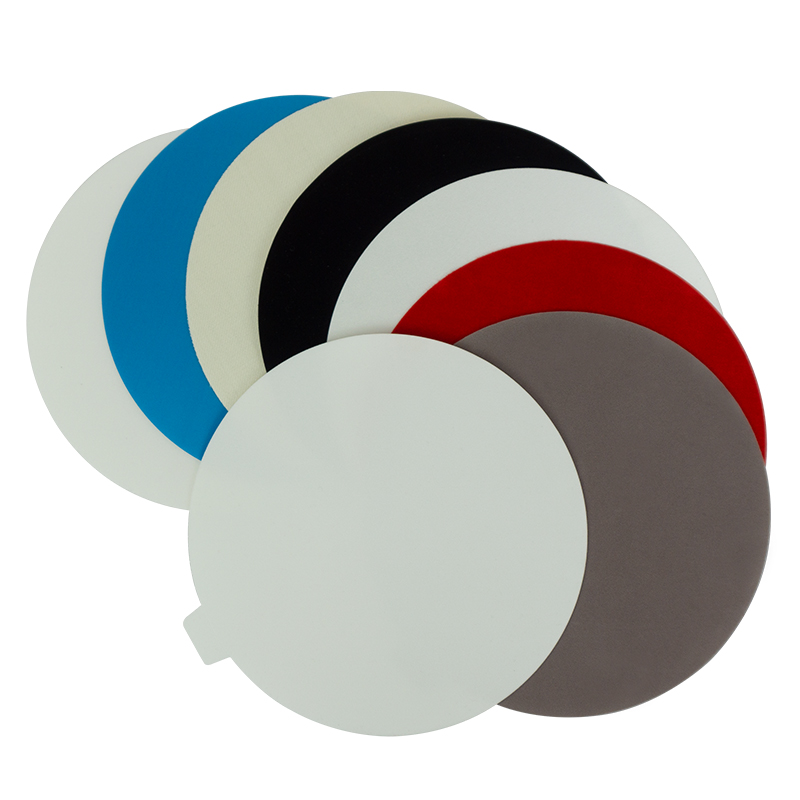
Cloth lifespan is also a real cost factor that is easy to underestimate. A cloth that has been cross-contaminated with a coarser abrasive from a previous stage will introduce scratches regardless of how carefully the current polishing step is executed, which means cloths need to be tracked and retired on a schedule rather than used until they visibly wear out. The chart below shows a general pattern for how many specimens a cloth can typically process before finish quality degrades, grouped by nap category.
Once the cloth is chosen, the abrasive delivery system determines how consistently material is removed across the specimen surface. Suspensions & lubricants control particle distribution, cooling, and the rate at which abrasive is replenished during polishing. A suspension with particle sizes that are too coarse for the final stage leaves residual scratching visible under higher magnification, while one that is too dilute forces operators to extend polishing time to reach the same finish, adding unnecessary cycle time.
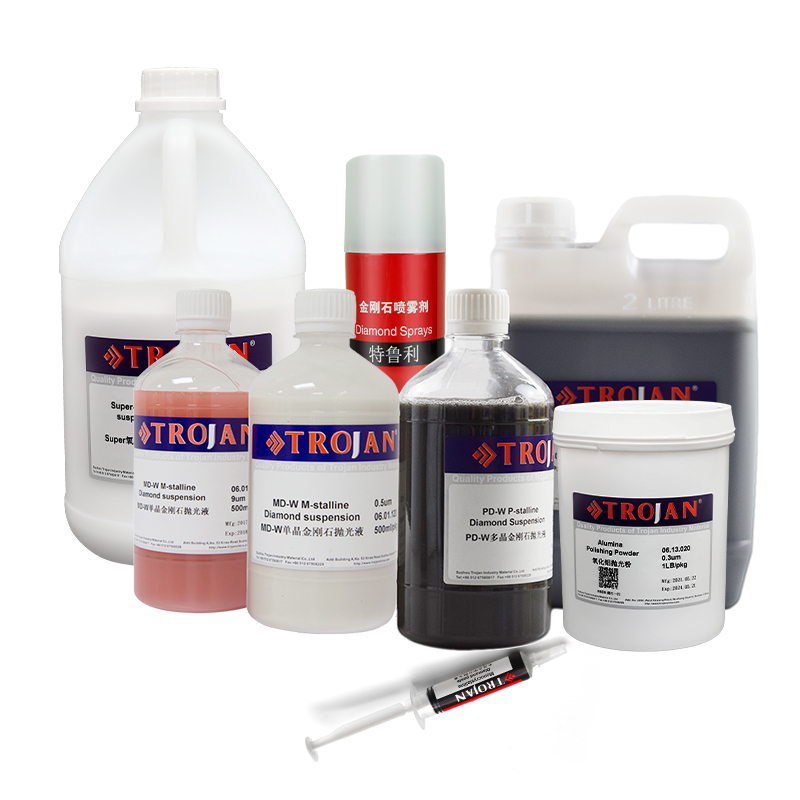
Lubricant choice also affects thermal control at the specimen surface. Materials sensitive to heat-induced phase changes benefit from lubricants with higher cooling capacity, while lubricant-to-abrasive ratio needs to be rebalanced whenever cloth type changes, since a coarser cloth typically requires more lubricant to prevent particle clumping. The radar chart below compares two general suspension grades across the factors labs weigh most often when selecting a final-stage product.
Consumables degrade gradually, which makes their decline easy to miss without a tracking system. A cutting wheel that has lost sharpness cuts hotter, a resin batch that has passed its recommended shelf window cures inconsistently, and a suspension that has separated in storage delivers uneven particle concentration. None of these failures announce themselves; they surface later as unexplained variation in results, sometimes described as systematic errors when the real cause is a consumable that should have been retired.
Labs that formalize these habits tend to spend less time diagnosing whether a result reflects the material or the preparation process, which is often the more time-consuming investigation of the two.
The cumulative effect of matched cutting, mounting, polishing, and suspension choices is fewer repeated preparations. A specimen that has to be re-sectioned, re-mounted, or re-polished does not just cost the consumables used the second time; it costs the operator time, delays reporting, and in time-sensitive failure analysis work, can affect decisions that are waiting on that result. Labs that standardize consumable selection by material type generally report shorter average preparation cycles and fewer specimens flagged for rework during quality review.
Consumable selection is rarely the most discussed part of a metallurgical workflow, but it is consistently one of the most controllable sources of preparation variation.
None of this requires a complete equipment overhaul. It requires treating cutting wheels, resins, cloths, and suspensions as technical parameters tied to the material being examined, documenting their condition, and reviewing compatibility whenever the workflow changes.
Replacement is best tied to specimen count and observed finish quality rather than a fixed calendar interval, since usage intensity and material hardness both affect how quickly a cloth loses performance.
A single wheel specification can work for a narrow range of similar materials, but hardness and thermal sensitivity vary enough across common alloy families that most labs benefit from at least two or three matched options.
Voids typically result from trapped air during resin infiltration, incompatible resin chemistry for the specimen surface, or curing too quickly for the resin's specified working time.
Both matter together. Particle size determines removal rate and scratch depth, while lubricant controls cooling and how evenly particles are distributed across the cloth during polishing.
Residual mounting resin, incomplete cleaning between abrasive stages, or moisture retained in a porous cloth can all introduce small mass errors that affect gravimetric results if not accounted for during specimen cleaning.
Yes. Consumables degrade on a different timeline than equipment, and combining the two logs often causes expired resins or suspensions to be overlooked during routine maintenance reviews.

.jpg?imageView2/2/w/400/format/jpg/q/75 "MD-WT Monocrystalline Diamond Suspension")

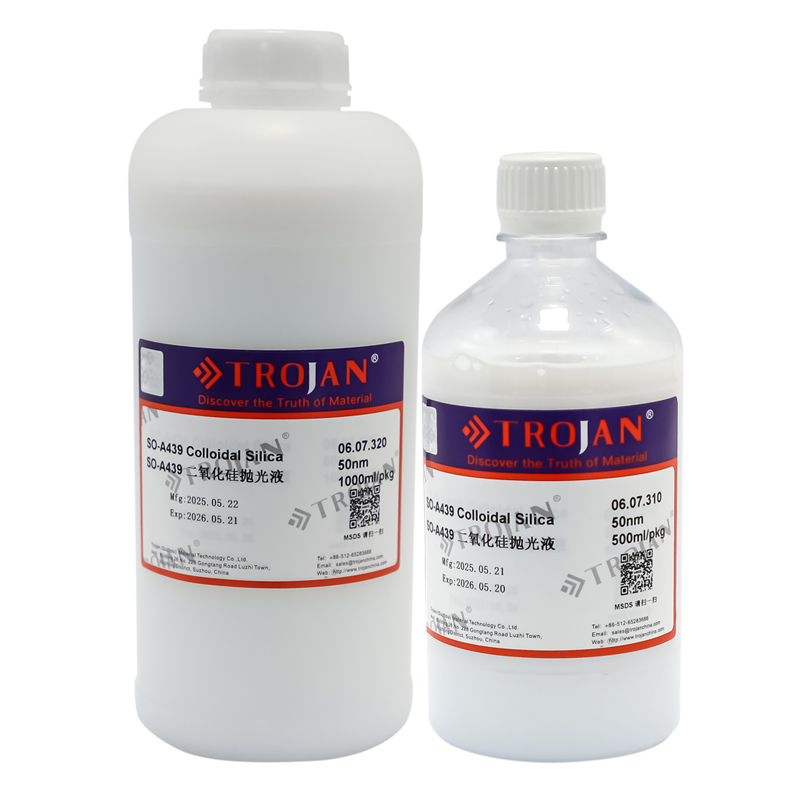
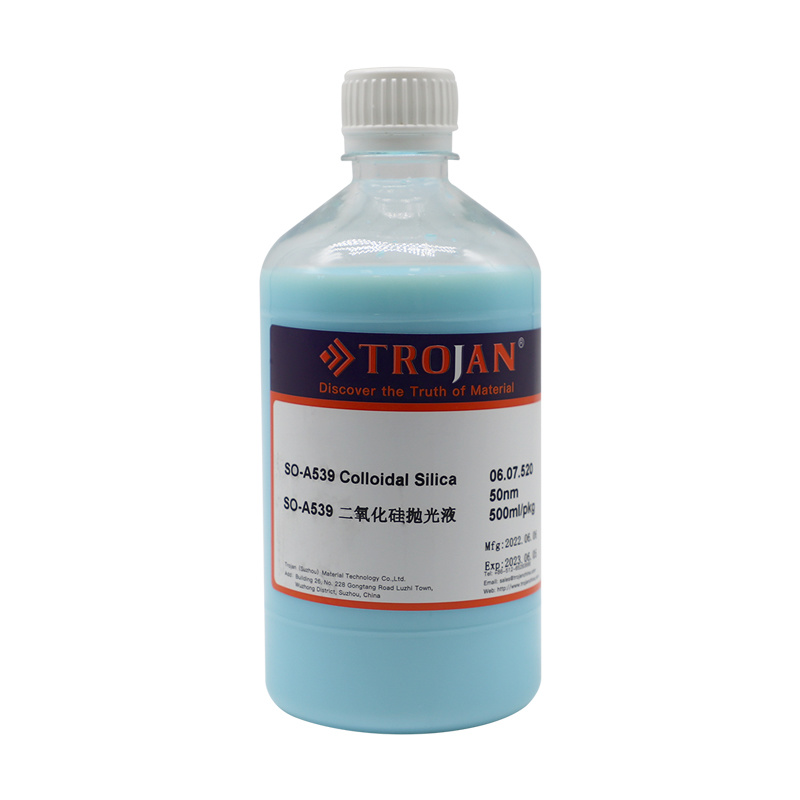
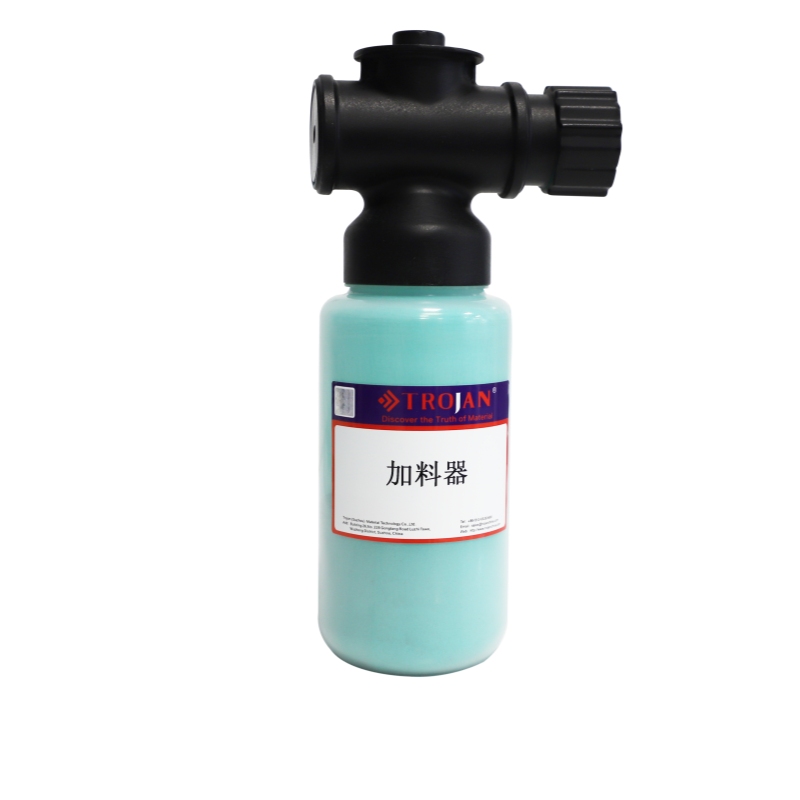
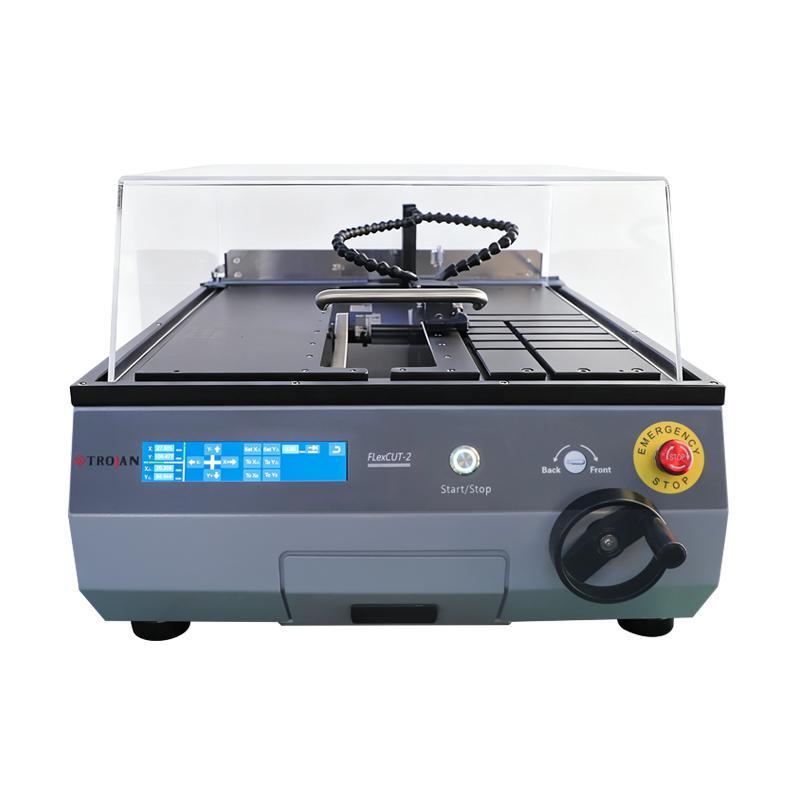

Based in China, TROJAN pays attention to the international market, and has sold metallographic equipment to more than 50 countries, such as Europe, America, Japan and South Korea, Southeast Asia countries and regions