
 英语
英语 西班牙语
西班牙语 德语
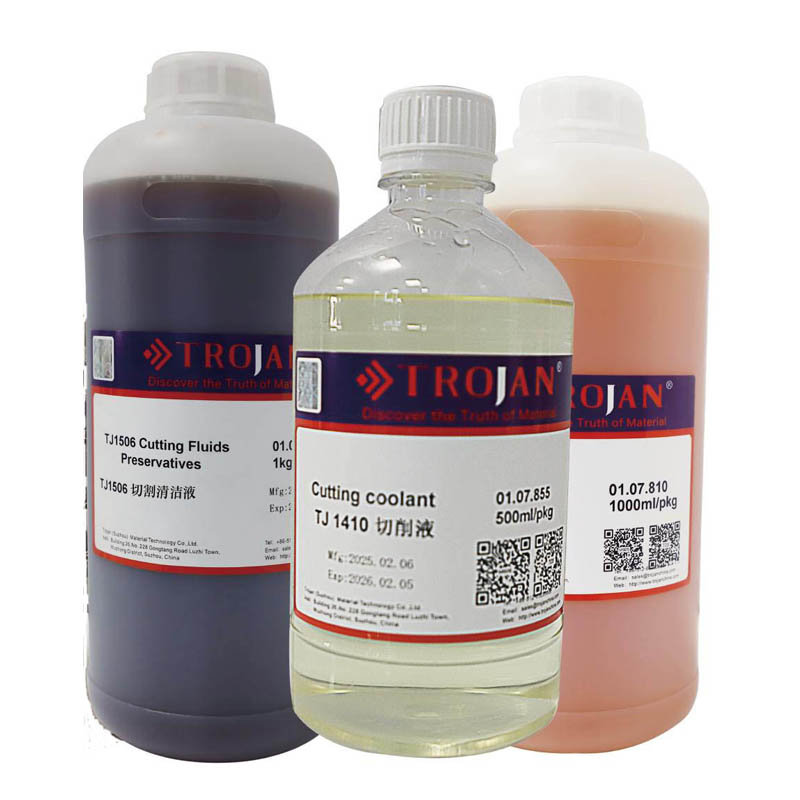
德语Cutting Coolant
Product Description
To achieve optimal cutting results and minimize thermal damage during metallogra...
We use first- and third-party cookies including other tracking technologies from third party publishers to give you the full functionality of our website, to customize your user experience, perform analytics and deliver personalized advertising on our websites, apps and newsletters across internet and via social media platforms. For that purpose, we collect information about user, browsing patterns and device.
By clicking "Accept All Cookies", you accept this, and agree that we share this information with third parties, such as our advertising partners. If you prefer, you can choose to continue with "Only Required Cookies". But keep in mind that blocking some types of cookies may impact how we can deliver tailored content that you might like.
For more information and to customize your options, click on "Cookie settings". If you want to learn more about cookies and why we use them, visit our Cookie Policy page at any time. Cookie Policy

Metallographic sample preparation devices play a pivotal role in material analysis, quality control, and research laboratories. Proper maintenance ensures that these devices operate efficiently, provide consistent results, and extend their service life. Understanding the maintenance requirements for metallographic sample preparation systems is essential for laboratory managers, quality engineers, and procurement specialists.
Maintenance of metallographic sample preparation devices is not merely a procedural task; it is a critical factor that directly impacts the quality and accuracy of sample analysis. Poorly maintained equipment can result in surface imperfections, inaccurate microstructural representation, and inconsistent test outcomes. Laboratory instruments involved in cutting, grinding, polishing, and mounting processes require meticulous care to prevent premature wear and contamination.
Effective maintenance routines improve operational reliability, minimize downtime, and reduce long-term costs associated with equipment replacement or repair. Furthermore, regular upkeep ensures compliance with laboratory standards and enhances the reproducibility of metallographic analysis results.
Metallographic sample preparation devices consist of several critical components, each with specific maintenance needs. These components include cutting machines, grinding and polishing units, mounting presses, and etching stations.
Cutting machines are used to section metallic and non-metallic specimens to sizes suitable for further analysis. The primary maintenance requirements include:
Grinding and polishing devices remove material to achieve a smooth and flat surface. Their maintenance involves:
Mounting presses encase samples in resin or other mounting media for easier handling:
Etching reveals microstructural features of prepared samples:
A preventive maintenance schedule reduces unexpected breakdowns and maintains metallographic sample preparation devices in optimal condition. Preventive maintenance typically includes daily, weekly, and monthly tasks.
Table 1: Sample Preventive Maintenance Schedule for Metallographic Sample Preparation Devices
| Frequency | Maintenance Task | Target Component | Purpose |
|---|---|---|---|
| Daily | Clean workspace and device surfaces | Entire device | Remove debris, dust, and polishing residues |
| Daily | Inspect blades, pads, and belts | Cutting and polishing units | Ensure quality and prevent damage |
| Weekly | Lubricate moving parts | Motors, spindles, and rails | Reduce friction and wear |
| Weekly | Check alignment and calibration | Cutting and grinding machines | Ensure consistent sample preparation |
| Monthly | Inspect electrical connections | Entire device | Prevent shorts and operational failures |
| Monthly | Replace consumables | Polishing cloths, mounting molds | Maintain surface quality and consistency |
Implementing such a schedule ensures consistent results, minimizes repair costs, and prolongs device longevity.
Cleaning is a critical maintenance aspect for metallographic sample preparation devices. Contaminants such as metal particles, polishing residues, or resin fragments can compromise microstructural observation.
Key cleaning practices include:
Maintaining a clean environment is particularly critical in laboratories that process multiple materials or delicate alloys.
Mechanical integrity is fundamental to the performance of metallographic sample preparation devices. Regular lubrication ensures smooth motion, reduces friction, and prevents premature wear of spindles, bearings, and linear guides.
Table 2: Recommended Lubrication Practices
| Component | Lubrication Method | Frequency | Notes |
|---|---|---|---|
| Bearings and spindles | Light machine oil or grease | Weekly | Avoid over-lubrication |
| Linear guides and rails | Synthetic lubricant | Monthly | Ensures smooth motion and precision |
| Gear assemblies | Gear-specific oil | Monthly | Prevents gear wear and noise |
Proper lubrication not only extends device life but also maintains precision during grinding and polishing, which is critical for high-quality metallographic sample preparation.
Accurate calibration and alignment are central to producing reliable and reproducible samples. Misaligned cutting blades or polishing heads can introduce defects and reduce the clarity of microstructural features.
Recommended calibration practices include:
Regular calibration ensures that the device meets laboratory standards and minimizes operator errors.
Modern metallographic sample preparation devices incorporate advanced electrical and safety systems. Proper maintenance includes:
Safety-focused maintenance protects laboratory personnel and maintains device integrity.
Consumables, including cutting blades, polishing pads, mounting resins, and etchants, play a significant role in metallographic sample preparation. Their management involves:
Effective consumables management ensures consistent microstructural results and prevents costly downtime.
Maintaining detailed records of all maintenance activities provides multiple benefits:
Records should include maintenance dates, tasks performed, parts replaced, and calibration details. Digital logs can enhance accessibility and data-driven decision-making.
Personnel involved in metallographic sample preparation maintenance should be trained in:
Well-trained staff reduce human error, improve device longevity, and maintain the quality of prepared samples.
Despite structured maintenance, laboratories may encounter challenges such as:
Addressing these challenges requires proactive monitoring, routine inspections, and timely replacement of critical components.
Some laboratories implement advanced maintenance strategies, such as:
These strategies enhance device uptime and maintain consistent quality in metallographic analysis.
Maintenance of metallographic sample preparation devices is a multifaceted process involving cleaning, lubrication, calibration, consumable management, and safety inspections. Proper upkeep ensures device reliability, consistent sample quality, and extended service life. Laboratories that implement structured preventive maintenance schedules, maintain detailed records, and train personnel effectively can achieve high-quality and reproducible results in metallographic analysis.
Q1: How often should cutting blades be replaced in metallographic sample preparation devices?
A1: Cutting blades should be inspected daily and replaced when signs of wear or chipping are observed to ensure consistent sample quality.
Q2: What is the role of polishing cloths in metallographic sample preparation?
A2: Polishing cloths remove fine material from sample surfaces. Regular replacement prevents contamination and maintains a uniform finish.
Q3: How can laboratories prevent contamination during sample preparation?
A3: Implementing dedicated storage for consumables, cleaning devices after each session, and monitoring ventilation systems helps prevent contamination.
Q4: Why is calibration critical for metallographic sample preparation devices?
A4: Calibration ensures accuracy and reproducibility, reducing defects and ensuring consistent microstructural analysis.
Q5: What documentation should be maintained for device maintenance?
A5: Records should include dates of maintenance, tasks performed, parts replaced, calibration details, and observations for traceability and compliance.
.png?imageView2/2/w/400/format/jpg/q/75 "Disposable Sample Cups")
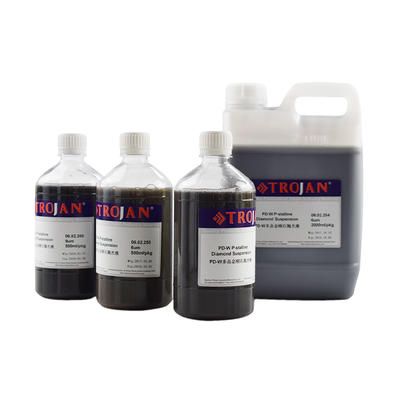
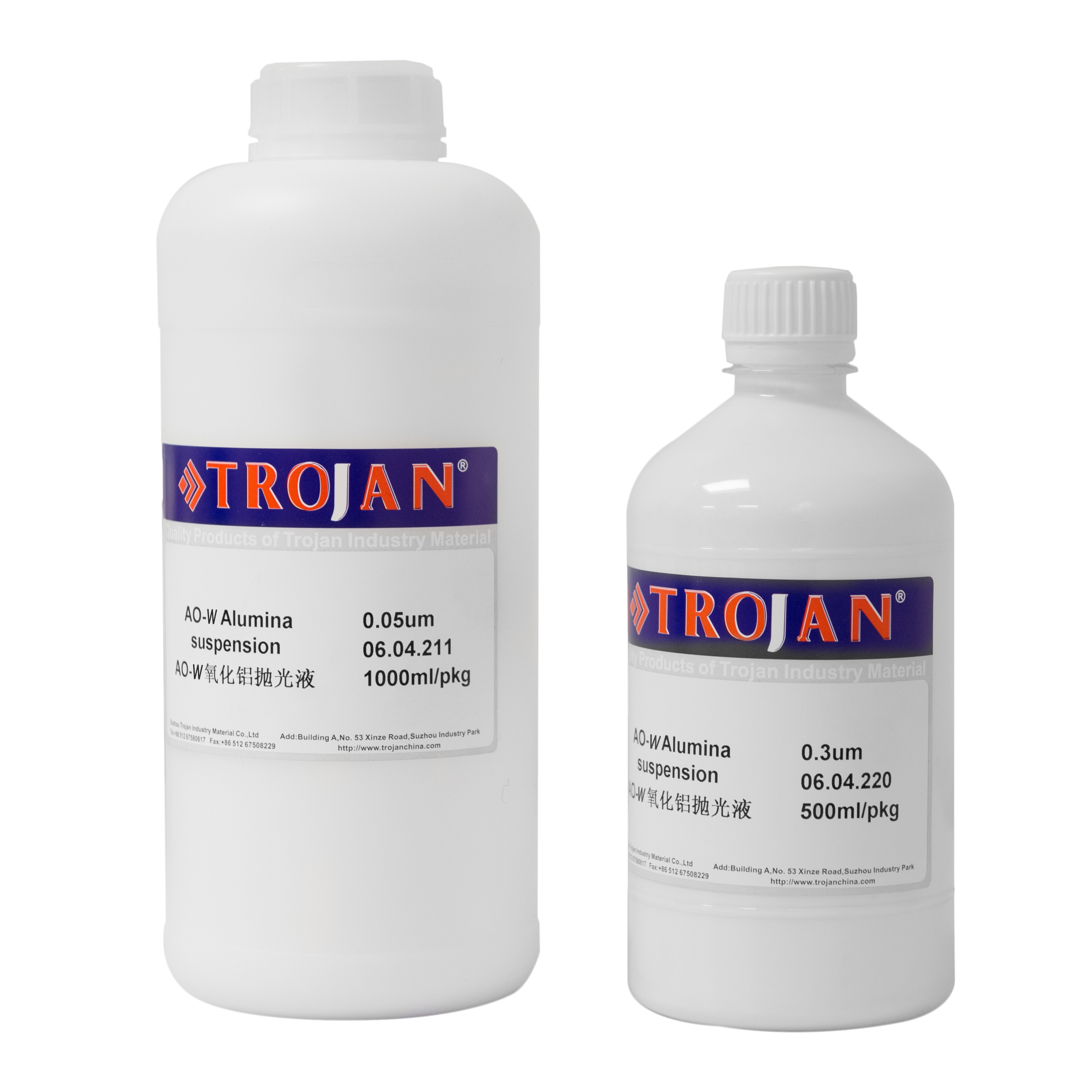
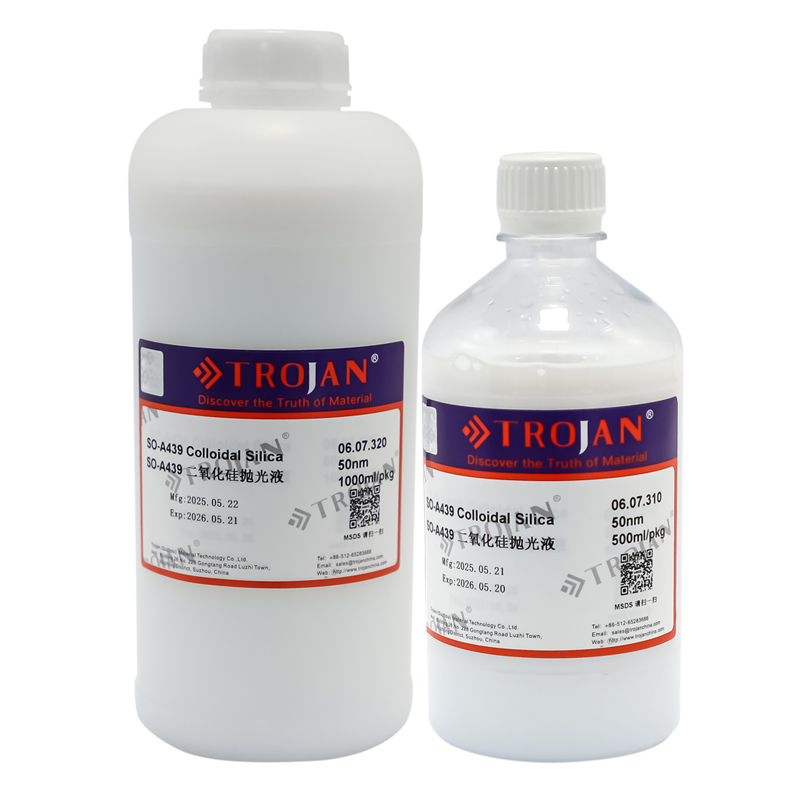
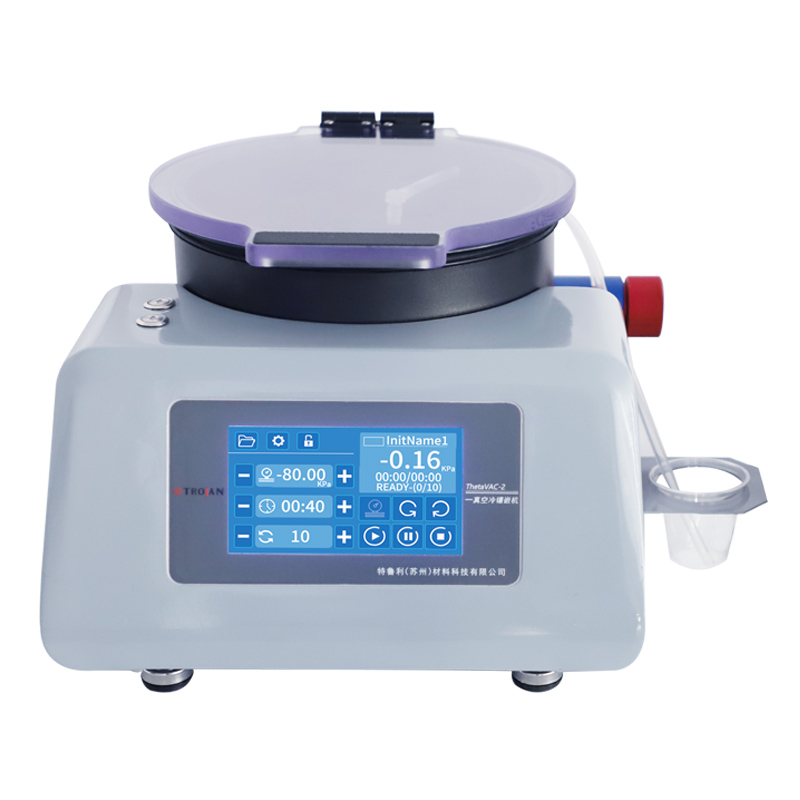


Based in China, TROJAN pays attention to the international market, and has sold metallographic equipment to more than 50 countries, such as Europe, America, Japan and South Korea, Southeast Asia countries and regions