
 英语
英语 西班牙语
西班牙语 德语
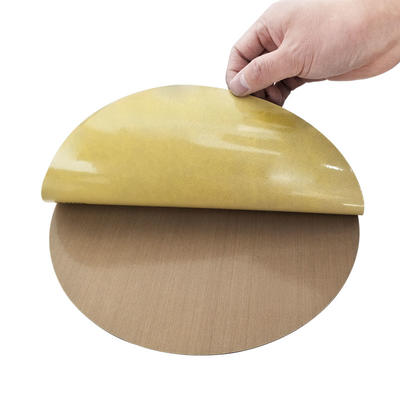
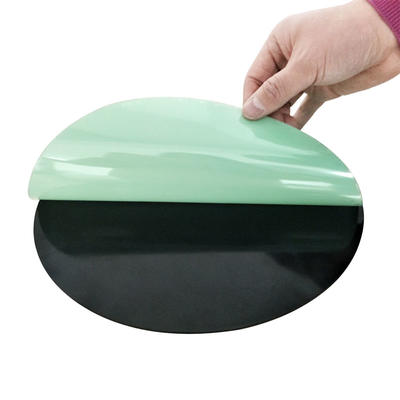
德语CS-JP Blue Synthetin Silk Polishing Cloth (PSA)
Product Description
Suitable for ferrous and non-ferrous metal,plating and and plastic,fine polishi...
We use first- and third-party cookies including other tracking technologies from third party publishers to give you the full functionality of our website, to customize your user experience, perform analytics and deliver personalized advertising on our websites, apps and newsletters across internet and via social media platforms. For that purpose, we collect information about user, browsing patterns and device.
By clicking "Accept All Cookies", you accept this, and agree that we share this information with third parties, such as our advertising partners. If you prefer, you can choose to continue with "Only Required Cookies". But keep in mind that blocking some types of cookies may impact how we can deliver tailored content that you might like.
For more information and to customize your options, click on "Cookie settings". If you want to learn more about cookies and why we use them, visit our Cookie Policy page at any time. Cookie Policy

The theta vacuum cold mounting machine is a critical piece of laboratory equipment used for sample preparation in materials science, metallography, and quality control. Its performance directly impacts the accuracy of subsequent testing and analysis. Understanding the various factors that affect the performance of theta vacuum cold mounting machine is essential for laboratory personnel, equipment managers, and quality engineers to ensure reliable results and prolonged machine lifespan.
The theta vacuum cold mounting machine is designed to encapsulate samples in resin under vacuum conditions, minimizing air entrapment and ensuring a uniform mount. Unlike hot mounting machines, which use heat to cure the resin, cold mounting machines rely on chemical curing at room temperature, making them suitable for sensitive or heat-sensitive samples. The theta vacuum cold mounting machine is widely applied in laboratories for preparing specimens for microstructural analysis, hardness testing, and failure investigation.
The performance of theta vacuum cold mounting machine is influenced by multiple interconnected factors, including resin selection, vacuum efficiency, environmental conditions, sample preparation, and operator expertise. Each of these factors can affect the mounting quality, sample integrity, and the overall reliability of laboratory analyses.
One of the most significant factors affecting the performance of theta vacuum cold mounting machine is the choice of resin. Cold mounting resins are available in various types, including polyester, epoxy, and acrylic resins. Each resin type exhibits unique properties, such as curing time, hardness, shrinkage, and chemical resistance.
The viscosity of the resin determines how well it penetrates fine structures in the sample. Low-viscosity resins flow easily and fill gaps, reducing the risk of air bubbles. High-viscosity resins, while providing better mechanical stability, may trap air pockets if the vacuum system is not efficient. Choosing an appropriate resin viscosity is critical for achieving a defect-free mount.
Curing time influences both laboratory throughput and the quality of the mount. Rapid-curing resins may produce uneven polymerization if the vacuum is not applied promptly, whereas slower-curing resins allow more time for air removal but require longer handling periods. Additionally, the chemical stability of the resin is important to prevent shrinkage or discoloration, which can compromise microscopic analysis.
Key point: Using a resin compatible with both the sample material and laboratory conditions is essential for optimal performance of theta vacuum cold mounting machine.
The vacuum system is central to the operation of theta vacuum cold mounting machine, as it removes air from the resin and sample interface. The effectiveness of the vacuum directly influences mounting quality, surface finish, and the prevention of voids.
A high-performance vacuum pump ensures consistent pressure reduction, enabling the resin to flow uniformly around the sample. Over time, pump wear, oil contamination, or leaks can reduce vacuum efficiency, leading to incomplete encapsulation or trapped air bubbles.
The integrity of the vacuum chamber also impacts the performance of theta vacuum cold mounting machine. Damaged gaskets, loose fittings, or micro-cracks in the chamber walls can cause air ingress, reducing vacuum efficiency. Regular inspection and maintenance of seals are essential to maintain consistent performance.
The duration for which the vacuum is applied affects bubble removal. Some samples with complex geometries require extended vacuum times to ensure complete resin infiltration. Using pressure gauges or vacuum indicators helps operators monitor system performance and optimize vacuum cycles.
Key point: Maintaining a reliable vacuum system is critical to achieving high-quality mounts with theta vacuum cold mounting machine.
Proper sample preparation is crucial to the performance of theta vacuum cold mounting machine. The shape, cleanliness, and orientation of the sample all influence resin penetration and surface finish.
The dimensions of the sample should be compatible with the machine’s mold size. Oversized or irregularly shaped samples may prevent complete resin coverage or reduce vacuum efficiency. Additionally, sharp edges or thin structures may require special positioning or protective measures during mounting.
Contaminants, such as oil, dust, or corrosion products, can interfere with resin adhesion and lead to air pockets. Thorough cleaning of the sample using appropriate solvents or ultrasonic baths enhances resin flow and adhesion, improving the overall performance of theta vacuum cold mounting machine.
Proper orientation within the mounting mold is essential for analysis. Misaligned samples may result in uneven cross-sections, complicating microstructural examination or hardness testing. Consistent orientation ensures reproducibility and reliable results.
Key point: Careful sample preparation is a prerequisite for optimal performance of theta vacuum cold mounting machine.
The laboratory environment can significantly influence the performance of theta vacuum cold mounting machine. Temperature, humidity, and ventilation affect resin curing, vacuum efficiency, and overall machine reliability.
Cold mounting resins are sensitive to temperature fluctuations. Extremely low temperatures can slow curing, whereas excessively high temperatures may accelerate chemical reactions, potentially causing uneven polymerization or cracks. Maintaining a controlled laboratory temperature ensures consistent results.
High humidity can introduce moisture into the resin, resulting in cloudiness, reduced hardness, or void formation. Proper laboratory ventilation and humidity control are essential to prevent these issues and maintain the integrity of mounted samples.
Dust or particulate matter in the laboratory can settle on the sample surface or resin, affecting surface finish and analytical accuracy. Using cleanroom practices, dust covers, or dedicated preparation areas helps minimize contamination.
Key point: Environmental control plays a vital role in achieving reliable performance from theta vacuum cold mounting machine.
Even with advanced machinery, operator knowledge and skill significantly influence the performance of theta vacuum cold mounting machine.
Operators should be trained to follow standard operating procedures, including resin selection, vacuum application, and sample positioning. Adherence to these procedures ensures consistency, reproducibility, and reduced error rates.
Careful handling during resin mixing, pouring, and vacuum application prevents air entrapment and resin spillage. Mishandling can compromise sample integrity and necessitate repeat mounting, affecting laboratory efficiency.
Operators who are aware of routine maintenance needs, such as cleaning the chamber, checking seals, and servicing the vacuum pump, contribute to the prolonged performance of theta vacuum cold mounting machine.
Key point: Skilled operators are critical to maximizing both the efficiency and quality of theta vacuum cold mounting machine outputs.
Regular maintenance and inspection directly affect the operational reliability of theta vacuum cold mounting machine.
| Maintenance Task | Impact on Performance |
|---|---|
| Cleaning vacuum chamber | Prevents contamination and improves resin flow |
| Inspecting seals and gaskets | Ensures vacuum efficiency and reduces air entrapment |
| Servicing vacuum pump | Maintains consistent pressure and prolongs equipment lifespan |
| Checking electrical components | Prevents operational failures and maintains consistent curing cycles |
Regular preventive maintenance not only ensures consistent machine performance but also extends its service life and reduces unexpected downtime.
While cold mounting resins cure at room temperature, the curing process still requires precise control to achieve optimal mount quality.
Accurate resin-to-hardener ratios are essential. Incorrect ratios can lead to incomplete curing, soft mounts, or uneven polymerization. Following manufacturer guidelines ensures a solid, defect-free mount.
Even after initial curing, some resins benefit from post-curing in controlled environments to achieve full hardness. Monitoring and following these post-curing steps enhances mount durability and sample stability.
Key point: Proper control of curing parameters is essential to the successful operation of theta vacuum cold mounting machine.
Certain samples may present unique challenges that influence the performance of theta vacuum cold mounting machine.
Delicate samples require gentle handling and careful resin selection to prevent damage or penetration failure. Low-viscosity, slow-curing resins are often preferred for fragile specimens.
Samples composed of multiple materials may exhibit different thermal or chemical properties. Selecting a resin that is compatible with all constituent materials ensures uniform mounting and reduces the risk of differential shrinkage or stress.
For metallographic or microstructural analysis, the mount surface must be smooth and free of defects. Surface preparation, resin selection, and vacuum efficiency must all be optimized to achieve the desired finish.
Key point: Adapting procedures to sample-specific characteristics is crucial for high-quality mounting outcomes with theta vacuum cold mounting machine.
The performance of theta vacuum cold mounting machine is also influenced by workflow considerations.
Balancing resin curing time, vacuum application, and sample handling helps maximize laboratory throughput while maintaining quality. Overloading the machine with too many samples can reduce performance and increase error rates.
The quality of mounts produced affects subsequent analysis steps, such as grinding, polishing, or microscopy. Efficient coordination between mounting and downstream processes ensures consistent laboratory results.
Key point: Laboratory workflow optimization enhances both the performance and utility of theta vacuum cold mounting machine.
The performance of theta vacuum cold mounting machine in a laboratory setting is influenced by a combination of factors, including resin selection, vacuum efficiency, sample preparation, environmental conditions, operator expertise, maintenance practices, and workflow management. Understanding these factors allows laboratory personnel to optimize mounting quality, reduce errors, and extend the machine’s service life. By addressing both technical and operational aspects, laboratories can achieve reliable, consistent, and high-quality sample preparation outcomes using theta vacuum cold mounting machine.

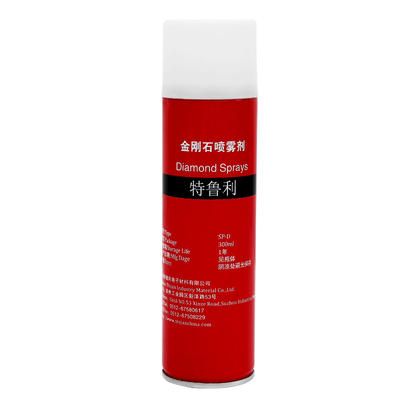
.jpg?imageView2/2/w/400/format/jpg/q/75 "MD-WT Monocrystalline Diamond Suspension")
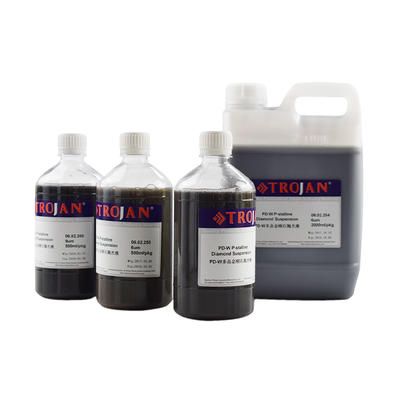
.jpg?imageView2/2/w/400/format/jpg/q/75 "PL-W Polishing Lubricants")
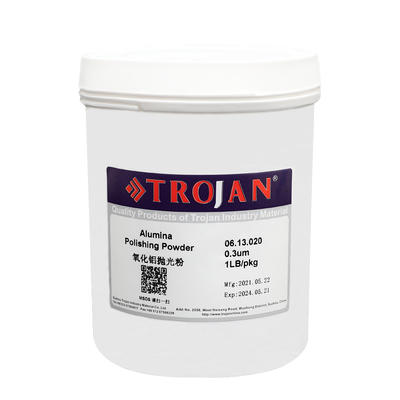
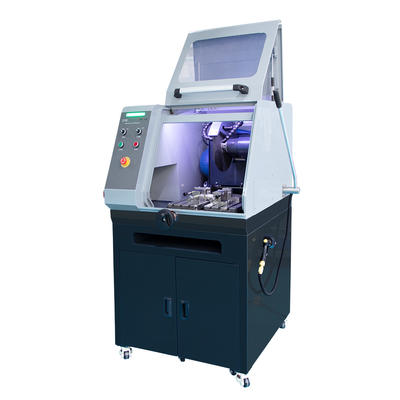
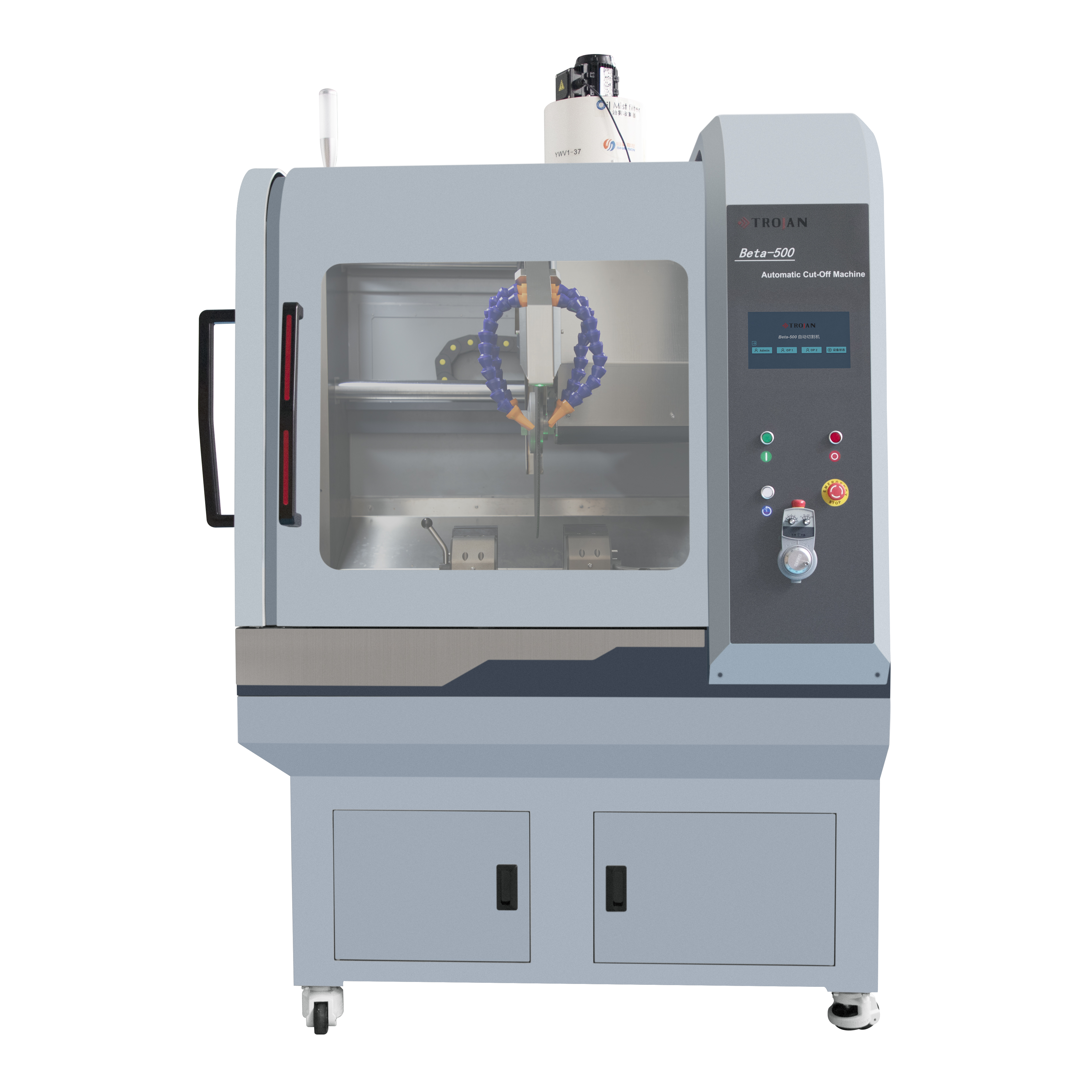

Based in China, TROJAN pays attention to the international market, and has sold metallographic equipment to more than 50 countries, such as Europe, America, Japan and South Korea, Southeast Asia countries and regions


