 英语
英语 西班牙语
西班牙语 德语
德语
Understanding Titanium Alloy Polishing Challenges
Titanium alloys represent one of the most challenging materials to polish effectively in industrial manufacturing environments. The unique combination of high strength-to-weight ratio, excellent corrosion resistance, and biocompatibility makes titanium alloys indispensable across aerospace, medical, automotive, and marine applications. However, these same properties create significant obstacles during surface finishing operations.
The primary difficulty in polishing titanium alloys stems from their low thermal conductivity combined with high chemical reactivity. When subjected to abrasive polishing processes, titanium generates substantial heat that cannot dissipate quickly, leading to surface burning, material adhesion to abrasive tools, and work hardening that complicates subsequent finishing stages. Additionally, titanium's tendency to gall and seize onto abrasive surfaces necessitates careful selection of abrasive disk materials and polishing parameters.
For B2B buyers evaluating abrasive polishing machine options for titanium processing, understanding these material characteristics is essential for making informed procurement decisions. The wrong abrasive selection can result in excessive consumable costs, extended processing times, and compromised surface quality that fails to meet industry specifications.
Silicon Carbide Abrasive Disks for Initial Titanium Processing
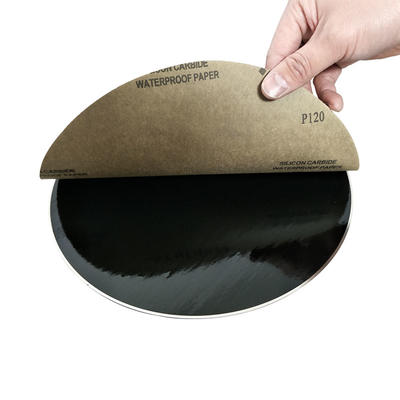
Silicon carbide abrasive disks remain the most widely established methodology for planar and fine grinding of titanium alloys in industrial settings. The sharp angular facets of SiC abrasive grains provide aggressive cutting action necessary for removing material from tough, abrasion-resistant titanium surfaces. However, the interaction between SiC and titanium requires careful process management to achieve optimal results.
Progressive Grit Progression Strategy
Effective titanium polishing using silicon carbide disks follows a systematic grit progression that gradually reduces surface roughness while minimizing subsurface damage. The standard progression for alpha-beta alloys like Ti-6Al-4V typically begins with P120 grit (125 μm particle size) for initial planarization, advancing through P220 (68 μm), P320 (46.2 μm), P500 (30.2 μm), P800 (21.8 μm), P1200 (15.3 μm), and concluding with P2500 (8.4 μm) for pre-polishing preparation.
Research demonstrates that surface roughness values decrease significantly through each grinding stage. Starting from approximately 0.243 μm Sa with P320 grit, progressive refinement achieves 0.098 μm Sa at P1200, approximately 0.020 μm Sa at P2400-P4000 grit levels, and prepares the surface for subsequent diamond polishing stages.
Critical Process Parameters for SiC Disks
The most critical parameter when using silicon carbide abrasive disks on titanium alloys is the duration of use per disk. Extensive empirical evidence shows that extending the use of a single SiC paper beyond 30 to 60 seconds of active grinding results in the abrasive entirely ceasing to cut effectively. The dulled grains begin to smear, burnish, and mechanically plow the titanium surface, injecting destructive cold work and deep mechanical twins into the alpha grains.
To maintain active, clean cutting action, SiC grinding disks must be changed with extreme frequency. Complementary rotation, where both the motorized head and the underlying platen rotate in the same clockwise direction, maximizes the sheer rate of material removal. Maintaining aggressive, high-volume water cooling throughout the process completely suppresses potential thermal damage or localized burning.
Comparative Performance: Green SiC vs Cerium-Doped SiC
Among silicon carbide variants, cerium-doped silicon carbide grinding wheels demonstrate superior performance compared to standard green silicon carbide when processing titanium alloys. The cerium addition enhances thermal stability and reduces the chemical affinity between the abrasive and titanium workpiece. Grinding temperatures remain lower with cerium SiC, reducing the risk of surface burns and thermal damage to the workpiece.
Mixed abrasive formulations incorporating green silicon carbide or cerium silicon carbide as primary abrasives, combined with chromium corundum, single crystal corundum, zirconium corundum, or microcrystalline corundum as auxiliary abrasives, provide balanced cutting action and extended disk life while maintaining surface quality standards required for precision titanium components.
Diamond Abrasive Disks for Precision Titanium Polishing
Diamond abrasive disks represent the premium solution for achieving precision surface finishes on titanium alloys. As the hardest known material with exceptional thermal conductivity, diamond abrasives overcome many limitations inherent to conventional silicon carbide processing. The superior hardness of diamond (HV 8000-10000) compared to silicon carbide (HV 2800) enables consistent material removal rates without the rapid dulling characteristic of SiC abrasives.
Fixed Diamond Grinding Disk Systems
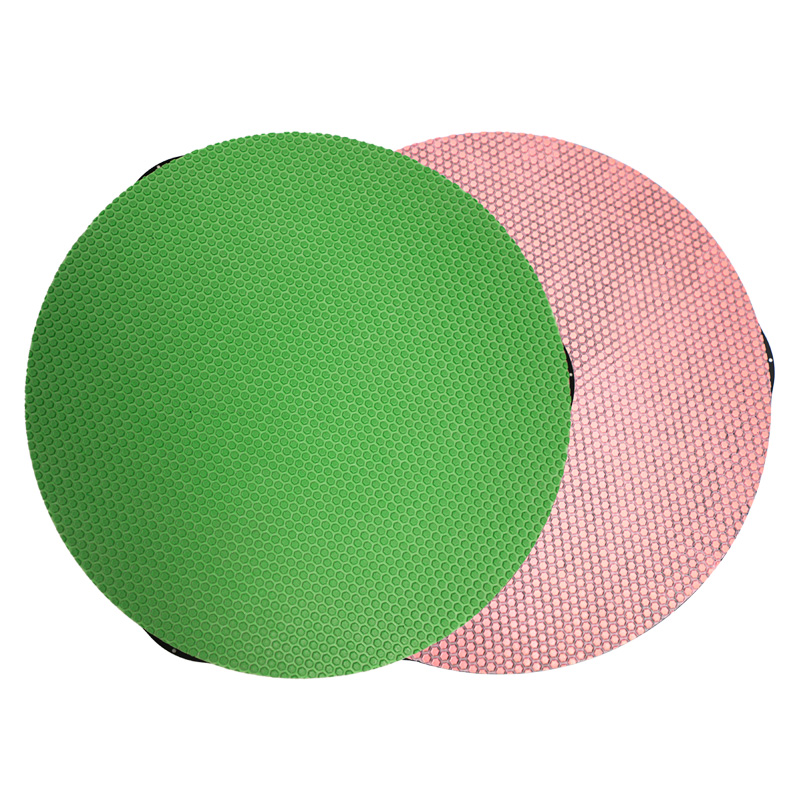
Modern high-volume manufacturing facilities increasingly adopt fixed diamond grinding disks for titanium alloy preparation. These systems utilize high-grade diamond particles embedded in a hard matrix with extremely sharp edges that maintain consistent cutting performance throughout extended use cycles. Water serves as the sole lubricant, simplifying process chemistry and reducing contamination risks.
For pure titanium materials exhibiting high ductility, a two-step diamond grinding process proves highly effective. The rigid diamond grinding system compresses the traditional 10-minute SiC paper cycle to a fast 3-minute cycle while producing minimal waste and ensuring flatness is perfectly preserved. This efficiency gain translates directly to reduced processing costs and increased throughput for B2B manufacturing operations.
Diamond Particle Size Selection
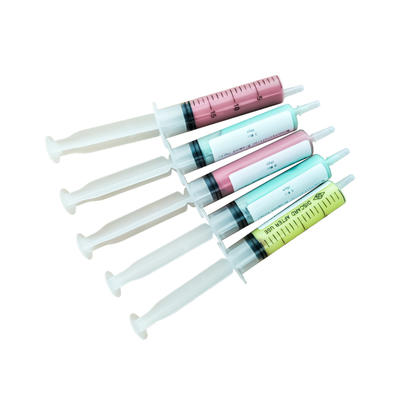
Diamond abrasive disks for titanium polishing are specified by direct micron particle sizes rather than mesh equivalents. Standard progressions utilize 9 μm diamond for initial polishing stages, advancing through 6 μm, 3 μm, and 1 μm for progressively finer surface finishes. For ultra-precision applications, sub-micron diamond suspensions (0.5 μm, 0.25 μm) achieve mirror-quality surfaces with roughness values below 0.020 μm Sa.
Research confirms that diamond polishing of Ti-6Al-4V alloy achieves surface roughness values of approximately 0.050 μm Sa, representing a significant improvement over SiC-ground surfaces. The diamond polishing process creates more even topography with shallow, uniform grooves replacing the deep longitudinal marks characteristic of coarse grinding stages.
Bond Type Considerations for Diamond Disks
The bonding matrix for diamond abrasive disks significantly influences performance characteristics when polishing titanium alloys:
- Ceramic Bond Diamond Disks: Offer strong abrasive retention, excellent thermal and chemical stability, waterproof characteristics, heat resistance, and corrosion resistance. These disks maintain grinding performance over extended periods with low wear rates. The porous structure resists clogging and delivers high productivity. When used with appropriate grinding oils (GF-2 or GF-3), ceramic bond diamond wheels achieve grinding ratios 100 times superior to conventional silicon carbide.
- Metal Bond Diamond Disks: Provide high efficiency, excellent shape retention, and extended service life. Metal bonds are particularly effective for rough cutting operations where material removal rate is the primary objective.
- Resin Bond Diamond Disks: Deliver superior surface quality and excellent roughness characteristics. The advantage becomes more pronounced as grinding depth increases, with resin bond wheels maintaining consistent surface finish even under aggressive processing conditions.
- Electroplated Bond Diamond Disks: Offer high efficiency and elevated material removal rates. These disks are particularly effective for rough cutting applications where rapid stock removal is required.
Cubic Boron Nitride Abrasive Solutions
Cubic boron nitride represents the second-hardest material after diamond and offers distinct advantages for titanium alloy polishing applications. CBN abrasive disks demonstrate exceptional thermochemical stability when processing titanium, avoiding the adhesion and chemical reactions that plague silicon carbide abrasives at elevated temperatures.
Thermochemical Stability Advantages
Comparative testing between CBN and SiC grinding wheels reveals fundamental performance differences rooted in material properties. SiC abrasive grains react chemically with titanium alloys above 800°C, resulting in severe abrasive grain adhesion with measured adhesion areas reaching 25% to 40% of the cutting surface. In contrast, CBN maintains chemical inertness with titanium even at elevated processing temperatures.
The microhardness of CBN abrasive grains (HV 4500) significantly exceeds that of SiC (HV 2800), and CBN demonstrates superior high-temperature hardness retention, maintaining 85% of room temperature hardness at 800°C. These characteristics enable CBN grinding wheels to maintain long-lasting cutting sharpness, achieving more stable processing performance and superior surface quality in titanium alloy processing.
CBN Abrasive Belt Applications
Resin-bonded CBN abrasive belts are particularly suitable for polishing hard and tough difficult-to-machine materials including titanium alloys, iron-based alloys, stainless steel, and high-temperature nickel and cobalt-based alloys. When grinding titanium alloys with CBN abrasive belts, the grinding force remains small, grinding temperatures stay low, and grinding ratios achieve very high values.
The surface layer after CBN belt polishing maintains a compressive stress state, making CBN an ideal grinding tool for titanium alloy finishing. Compared with ordinary coated abrasives, CBN abrasive belts offer high grinding efficiency, extended durability, low grinding temperature, excellent surface quality, and high cost performance. Additional benefits include reduced dust generation, lower noise levels, and smooth operation creating a better working environment.
Practical applications demonstrate that CBN abrasive belts can reduce surface roughness on pure titanium and titanium alloy plates to approximately Ra 0.03 μm, ultimately achieving mirror-effect surface finishes suitable for high-specification aerospace and medical components.
Performance Metrics: CBN vs SiC
Systematic comparative analysis reveals significant advantages of CBN grinding wheels in titanium alloy processing. Experimental data confirms that CBN wheels increase grinding ratios by 3 to 5 times compared to conventional abrasives while reducing surface residual stress by 40% to 60%. Surface integrity improvements include macro crack density reduction of approximately 40% and subsurface damage layer thickness reduction exceeding 35%.
Under extreme working conditions with grinding depth of 50 μm, CBN grinding wheels demonstrate even more pronounced performance advantages. Machined surface roughness Ra values are 30% to 45% lower than traditional silicon carbide grinding wheels, with this advantage expanding further as grinding parameters are optimized.
Colloidal Silica and Chemical-Mechanical Polishing
Colloidal silica represents the final polishing stage for achieving atomic-level surface finishes on titanium alloys. Unlike purely mechanical abrasives, colloidal silica combines mechanical abrasion with chemical polishing action, creating surfaces free from the deformation layers inherent to mechanical-only processing methods.
Chemical-Mechanical Polishing Mechanism
The chemical-mechanical polishing process for titanium alloys utilizes the combined action of hydrogen peroxide as an oxidizing agent and silica as the abrasive medium. The titanium alloy surface is first oxidized by hydrogen peroxide, generating oxides of titanium and aluminum. These oxides are subsequently dissolved by hydrogen ions derived from citric acid or other acidic components in the polishing slurry.
Titanium and aluminum ions are chelated with hydrogen peroxide and citric acid respectively, forming soluble complexes that are removed from the surface. The soft oxidized layer on the titanium alloy surface is then mechanically removed by the colloidal silica abrasive particles and polishing pad. This synergistic chemical and mechanical action produces surfaces with minimal subsurface damage and exceptional smoothness.
Achieving Atomic-Level Surfaces
Advanced chemical-mechanical polishing formulations incorporating lanthanum-cerium oxyfluoride, silica, citric acid, hydrogen peroxide, glycine, and deionized water have demonstrated exceptional results on titanium alloys. Research shows that after CMP processing, atomic surfaces with surface roughness Sa of 0.155 nm can be achieved over measurement areas of 50 × 50 μm², with material removal rates of 20.16 μm/h.
These results represent the best-published values for titanium alloy atomic surfaces, surpassing conventional mechanical polishing limitations. The oxide layer thickness on chemo-mechanically polished surfaces measures approximately 2.7 nm compared to 5.5 nm on ground surfaces, indicating reduced surface oxidation and improved passive layer characteristics.
Surface Integrity Benefits
Chemo-mechanically polished titanium alloy surfaces exhibit distinctive microstructural visibility. While ground and diamond-polished surfaces do not clearly distinguish alpha and beta phases using standard electron microscopy, CMP surfaces reveal these phases clearly due to the preferential chemical attack on different crystal structures. This enhanced microstructural contrast aids quality control and metallographic analysis without additional etching steps.
Electrochemical testing demonstrates that chemo-mechanically polished surfaces show improved corrosion resistance compared to ground surfaces. The lower surface roughness and improved structural uniformity facilitate formation of ordered, compact protective oxide films, reducing pitting susceptibility and enhancing long-term performance in aggressive environments.
Magnetic Abrasive Finishing for Complex Geometries
Magnetic abrasive finishing represents an advanced technique particularly effective for polishing titanium alloy components with complex geometries, internal surfaces, and precision features that are inaccessible to conventional abrasive disks. This method utilizes magnetic fields to control abrasive particle movement, enabling precise material removal without mechanical contact between the polishing tool and workpiece.
Dual-Pole Magnetic Abrasive Finishing
Dual-pole magnetic abrasive finishing systems have demonstrated exceptional capability for achieving nano-level mirror surfaces on TC4 titanium alloy. The process utilizes combinations of electrolytic iron powder (Fe3O4) mixed with white alumina (WA) or diamond abrasives in staged progressions. Optimal combinations include #100 Fe3O4 + #2000 WA for initial stages, #200 Fe3O4 + #8000 WA for intermediate stages, and #450 Fe3O4 + #W1 diamond for final polishing.
Under optimized parameters with 5 mm gap between upper and lower magnetic poles, 300 rpm rotational speed, and 2:1 mass ratio of iron-based phase to polishing phase, experimental results demonstrate average surface roughness Ra reduction from initial 0.433 μm to 8 nm after 30 minutes of multi-stage DMAF processing. This represents achievement of nano-level mirror polishing effects suitable for optical and precision engineering applications.
Process Parameter Optimization
Magnetic abrasive finishing effectiveness depends on precise control of multiple parameters. The working gap between magnetic poles significantly influences magnetic induction intensity and polishing pressure. Research indicates that smaller gaps increase magnetic field strength and polishing pressure but may reduce abrasive particle mobility. Optimal gaps typically range from 4 mm to 6 mm depending on workpiece geometry and desired material removal rates.
Rotational speed affects abrasive particle velocity and cutting action. Higher speeds increase material removal rates but may generate excessive heat. Testing shows that 300 rpm represents an optimal balance for titanium alloy processing, providing sufficient cutting action while maintaining thermal control. The abrasive particle size and concentration directly influence surface roughness, with smaller particles and higher concentrations producing finer surface finishes.
Abrasive Disk Selection by Titanium Alloy Grade
Different titanium alloy grades exhibit varying polishing characteristics that influence abrasive disk selection. Understanding these material-specific requirements enables B2B buyers to specify appropriate consumables for their specific applications.
| Titanium Grade | Characteristics | Recommended Abrasive Disk | Special Considerations |
| Commercially Pure Ti (Grades 1-4) | High ductility, lower hardness | Diamond disks with reduced pressure | Reduced polishing head speed by 20% |
| Ti-6Al-4V (Grade 5) | Alpha-beta alloy, high strength | CBN or Diamond disks | Standard parameters applicable |
| Ti-6Al-4V ELI | Extra low interstitial, biomedical | Colloidal silica final polish | Mirror finish required |
| Ti-5Al-2.5Sn | Alpha alloy, good weldability | SiC progression to diamond | Avoid excessive heat input |
| Ti-15V-3Al-3Cr-3Sn | Beta alloy, heat treatable | Ceramic bond diamond | High hardness requires aggressive abrasives |
Grade-Specific Processing Recommendations
Commercially pure titanium grades exhibit lower hardness compared to alloyed grades, requiring adjusted polishing parameters. Research indicates that polishing speeds should be reduced by approximately 20% compared to standard steel polishing parameters to prevent surface damage and excessive material adhesion. Diamond abrasives remain effective but require reduced pressure application to avoid surface deformation.
Ti-6Al-4V, representing the most widely used titanium alloy, responds well to standard diamond and CBN abrasive disk protocols. The alpha-beta microstructure provides consistent polishing characteristics across the material surface. Surface roughness values of 0.25 μm are readily achievable with standard polishing protocols, with electrochemical polishing capable of reducing roughness further to 0.24 μm.
Beta titanium alloys such as Ti-15V-3Al-3Cr-3Sn exhibit higher hardness and strength, necessitating more aggressive abrasive selections. Ceramic bond diamond disks provide the retention and cutting efficiency required for these high-strength materials. The increased hardness extends processing times but produces excellent surface quality when proper parameters are maintained.
Equipment Integration and Process Optimization
Successful titanium alloy polishing requires integration of appropriate abrasive disks with properly configured polishing equipment. B2B buyers must consider machine specifications, automation capabilities, and process control features when selecting abrasive polishing machine systems for titanium processing.
Critical Machine Specifications
Effective titanium polishing equipment must provide precise speed control, consistent pressure application, and reliable cooling systems. Polishing wheel speeds for titanium alloys typically range from 900 to 1800 meters per minute, with lower speeds preferred for final finishing stages to avoid burnishing and micro-crack formation. Variable speed control enables optimization across different polishing stages from coarse grinding to mirror finishing.
Pressure control systems must maintain consistent force application throughout the polishing cycle. Titanium's tendency to work harden under excessive pressure necessitates careful force management, particularly during intermediate and final polishing stages. Automated pressure regulation systems improve process consistency and reduce operator-dependent variability.
Cooling and Lubrication Systems
Adequate cooling is essential for titanium alloy polishing due to the material's low thermal conductivity. High-volume water cooling prevents thermal damage, surface burning, and abrasive loading. For diamond polishing stages, specialized lubricants maintain specimen temperature, carry abrasive particles across the polishing surface, and flush titanium debris from the contact zone.
Lubricant flow rates require precise control during intermediate polishing stages. Excessive lubricant causes hydroplaning and reduced cutting efficiency, while insufficient flow leads to heat buildup and surface damage. Optimal drop rates of 2 to 3 drops per minute maintain adequate lubrication without hydroplaning effects. Water-based cooling is sufficient for SiC grinding stages, while specialized diamond extenders improve performance during fine polishing operations.
Automation and Process Control
Modern polishing equipment incorporates automation features that enhance titanium processing consistency. Programmable polishing heads enable precise control of rotation speeds, direction changes, and dwell times. Automated abrasive change systems reduce setup time between grit progressions, improving throughput in high-volume manufacturing environments.
Process monitoring systems track polishing parameters in real-time, enabling immediate detection of deviations that could compromise surface quality. Force sensors detect changes in cutting resistance that indicate abrasive dulling or loading, prompting timely consumable changes. Temperature monitoring prevents thermal damage by adjusting cooling flow rates or reducing processing speeds when heat buildup is detected.
Quality Control and Surface Characterization
Verifying surface quality after polishing operations ensures titanium alloy components meet application-specific requirements. B2B buyers should specify quality control protocols that validate surface roughness, microstructural integrity, and chemical cleanliness.
Surface Roughness Measurement
Surface roughness evaluation utilizes contact profilometry or optical methods depending on required precision levels. Standard parameters include Ra (arithmetic average roughness), Sa (surface area roughness for 3D measurements), and Rz (maximum peak-to-valley height). Aerospace applications typically require Ra values below 0.4 μm, while optical and medical applications may specify Ra below 0.05 μm.
Atomic force microscopy provides nanometer-scale resolution for ultra-precision applications, revealing surface topography features invisible to conventional profilometry. AFM measurements confirm surface roughness values as low as 0.017 μm Sa following optimized chemo-mechanical polishing protocols.
Microstructural Examination
Polished titanium surfaces require microscopic examination to verify microstructural integrity and detect subsurface damage. Scanning electron microscopy reveals surface features, abrasive scratches, and potential defects from improper polishing parameters. Back-scattered electron imaging distinguishes alpha and beta phases in alloyed titanium grades.
X-ray diffraction analysis confirms crystallographic structure and detects residual stresses induced by polishing operations. Excessive mechanical deformation during grinding stages can introduce preferred orientation or residual stresses that compromise fatigue performance. Properly polished surfaces maintain random crystallographic orientation with minimal residual stress.
Chemical Cleanliness Verification
Surface contamination from polishing compounds, lubricants, or abrasive particles must be eliminated before subsequent processing or service. Ultrasonic cleaning in acetone or ethanol removes organic residues, while deionized water rinsing eliminates ionic contaminants. X-ray photoelectron spectroscopy verifies surface chemistry, confirming removal of polishing compounds and detecting native oxide layer formation.
For biomedical applications, surface cleanliness directly impacts biocompatibility and cellular response. Sterilization validation ensures polished surfaces meet medical device cleanliness standards without compromising surface finish quality achieved through careful abrasive disk selection and process control.
Industry Applications and Specifications
Titanium alloy polishing requirements vary significantly across industries, influencing abrasive disk selection and process specifications. Understanding these application-specific needs enables B2B buyers to align procurement decisions with end-use requirements.
Aerospace Component Finishing
Aerospace applications demand ultra-smooth surfaces for aerodynamic efficiency, fatigue resistance, and corrosion protection. Critical rotating components such as compressor blades, turbine disks, and structural fasteners require surface roughness values below 0.2 μm Ra. The combination of CBN grinding wheels for material removal followed by diamond and colloidal silica polishing achieves these specifications while maintaining dimensional tolerances.
Aerospace specifications often mandate specific polishing protocols to ensure consistency across production batches. Nadcap accreditation for special processes requires documented polishing procedures, qualified equipment, and trained operators. Abrasive disk selection must consider traceability, batch consistency, and certification requirements for flight-critical components.
Medical Implant Surface Preparation
Medical implants require mirror-finish surfaces to enhance biocompatibility, reduce bacterial adhesion, and minimize wear debris generation. Orthopedic implants, dental prosthetics, and cardiovascular devices utilize titanium alloys for their biocompatibility and corrosion resistance. Surface roughness specifications typically range from Ra 0.02 μm to 0.1 μm depending on implant location and function.
Research demonstrates that surface roughness directly influences cellular response and osseointegration. Mirror-polished surfaces (Ra 0.15 μm) promote cell spreading with large lamellipodia indicating active migration, while rougher surfaces show reduced proliferation and altered cell morphology. CMP finishing with colloidal silica produces the atomic-level surfaces preferred for premium medical applications.
Marine and Chemical Processing Equipment
Marine applications prioritize corrosion resistance through smooth surfaces that minimize crevice corrosion initiation sites. Heat exchangers, valves, and piping systems benefit from polished surfaces that resist biofouling and facilitate cleaning operations. Surface roughness targets of Ra 0.4 μm to 0.8 μm balance corrosion performance with manufacturing economics.
Chemical processing equipment requires polished surfaces to prevent product contamination and facilitate cleaning between batches. Electropolishing often supplements mechanical polishing for these applications, removing surface irregularities and enhancing passive film formation. The combination of mechanical polishing with SiC and diamond disks followed by electrochemical finishing achieves the superior surface quality required for pharmaceutical and food-grade applications.
Cost Analysis and Economic Considerations
B2B procurement decisions for titanium polishing abrasives must balance initial consumable costs against processing efficiency, surface quality, and total manufacturing economics. While premium abrasives like diamond and CBN involve higher initial investment, their superior performance often delivers lower total cost per finished component.
Consumable Cost vs Processing Efficiency
Silicon carbide abrasive disks offer lower unit cost but require frequent replacement when polishing titanium alloys. The 30 to 60 second effective life per SiC paper when processing titanium creates high consumable consumption rates and frequent changeover downtime. Diamond and CBN disks, despite higher initial cost, maintain cutting performance over extended periods, reducing per-part consumable costs and improving equipment utilization.
Grinding ratio comparisons demonstrate the economic advantage of superhard abrasives. CBN grinding wheels achieve grinding ratios 3 to 5 times higher than conventional SiC wheels when processing titanium alloys. Ceramic bond diamond wheels with proper grinding oils achieve grinding ratios 100 times superior to SiC, dramatically reducing abrasive consumption per unit of material removed.
Surface Quality and Rework Costs
Poor surface quality from inadequate abrasive selection generates significant hidden costs through rework, scrap, and potential field failures. Titanium's high material value amplifies the cost of scrapping finished components due to surface defects. Premium abrasive disks that consistently achieve specified surface roughness reduce quality control rejections and warranty claims.
Surface integrity improvements from CBN and diamond abrasives include 40% reduction in macro crack density and 35% reduction in subsurface damage layer thickness. These quality improvements translate to enhanced fatigue performance and extended service life for critical components, providing value beyond the immediate manufacturing operation.
Process Time and Throughput Economics
Fixed diamond grinding systems compress traditional 10-minute SiC preparation cycles to 3-minute cycles while maintaining superior flatness and surface quality. This 70% reduction in processing time enables significant throughput increases without additional equipment investment. For high-volume manufacturing operations, reduced cycle times deliver labor cost savings and increased capacity for revenue generation.
Multi-stage polishing processes utilizing optimized abrasive progressions minimize total processing time while achieving premium surface finishes. Magnetic abrasive finishing achieves nano-level mirror surfaces in 30 minutes, replacing lengthy conventional polishing sequences. Process optimization through appropriate abrasive disk selection directly impacts manufacturing economics and competitive positioning.
Environmental and Safety Considerations
Titanium polishing operations generate environmental and safety concerns that influence abrasive disk selection and process design. B2B buyers must evaluate workplace safety, waste generation, and environmental compliance when specifying polishing consumables.
Dust and Fume Generation
Dry grinding of titanium alloys generates fine metallic dust with potential fire and explosion hazards. Titanium dust is highly combustible, requiring proper ventilation, dust collection systems, and fire suppression measures. Wet grinding and polishing using water-based coolants significantly reduces dust generation while improving surface quality and abrasive life.
CBN abrasive belts generate less dust and lower noise levels compared to conventional abrasives, improving workplace conditions and reducing respiratory protection requirements. The smooth operation of CBN belts contributes to better working environments while maintaining high productivity levels.
Waste Management and Recycling
Spent abrasive disks and polishing slurries require proper disposal according to local regulations. Silicon carbide papers contaminated with titanium particles may be classified as hazardous waste depending on jurisdiction. Diamond and CBN abrasives, while more durable, eventually require disposal when worn beyond effective use.
Chemical-mechanical polishing slurries containing hydrogen peroxide, citric acid, and rare earth compounds require neutralization before disposal. Green CMP formulations minimize environmental impact through biodegradable components and reduced hazardous chemical content. Waste reduction through extended abrasive life and efficient material removal rates supports sustainability initiatives.
Operator Safety Considerations
Polishing operations present mechanical hazards from rotating equipment and potential chemical exposure from coolants and cleaning agents. Proper machine guarding, personal protective equipment, and training programs mitigate these risks. Automated polishing systems reduce operator exposure while improving process consistency.
Water-based cooling systems eliminate fire hazards associated with oil-based coolants while providing adequate heat removal for titanium processing. The selection of appropriate coolants and lubricants balances performance requirements with workplace safety considerations.
Future Trends in Titanium Polishing Technology
Emerging technologies and evolving industry requirements continue to advance titanium alloy polishing capabilities. B2B buyers should monitor these developments to maintain competitive manufacturing processes and meet advancing quality standards.
Advanced Abrasive Formulations
Research into rare earth composite abrasives, including lanthanum-cerium oxyfluoride compounds, demonstrates potential for achieving atomic-level surfaces with enhanced material removal rates. These advanced formulations combine chemical and mechanical action to produce superior surface finishes while reducing processing time and environmental impact.
Nano-scale abrasive particles enable ultra-precision finishing with minimal subsurface damage. Colloidal silica formulations with precisely controlled particle size distributions achieve surface roughness values below 0.2 nm Sa, supporting emerging applications in precision optics and semiconductor manufacturing.
Automation and Smart Manufacturing
Industry 4.0 integration extends to polishing operations through sensor-equipped equipment, real-time process monitoring, and predictive maintenance systems. Smart polishing machines automatically adjust parameters based on material removal feedback, optimizing cycle times and surface quality while reducing operator intervention.
Machine learning algorithms analyze historical polishing data to predict optimal abrasive disk change intervals, preventing quality degradation from worn consumables. Automated surface inspection systems provide immediate feedback on polishing effectiveness, enabling closed-loop process control.
Sustainable Processing Development
Environmental sustainability drives development of biodegradable polishing compounds, recyclable abrasive substrates, and energy-efficient processing equipment. Green chemical-mechanical polishing formulations eliminate hazardous components while maintaining or improving surface quality outcomes.
Dry polishing technologies utilizing advanced abrasive bonding systems and optimized cutting geometries reduce coolant requirements and waste generation. These developments address environmental regulations while potentially reducing operating costs through simplified waste management.
Frequently Asked Questions
Q1: What is the most effective abrasive disk type for initial grinding of titanium alloys?
Silicon carbide abrasive disks remain the standard for initial titanium grinding due to their aggressive cutting action and cost-effectiveness. Cerium-doped silicon carbide provides superior performance compared to standard green SiC, offering lower grinding temperatures and reduced adhesion. For high-volume production, fixed diamond grinding disks compress processing cycles from 10 minutes to 3 minutes while maintaining superior flatness.
Q2: How long should silicon carbide abrasive disks be used when polishing titanium?
SiC abrasive disks should be changed every 30 to 60 seconds of active grinding when processing titanium alloys. Beyond this duration, abrasive grains dull completely and begin smearing and burnishing the surface rather than cutting, injecting destructive cold work and mechanical twins into the material. Frequent disk changes are essential for maintaining active cutting action and achieving specified surface quality.
Q3: Why are diamond abrasive disks preferred for precision titanium polishing?
Diamond abrasive disks offer superior hardness (HV 8000-10000), exceptional thermal conductivity, and chemical inertness with titanium. These properties enable consistent material removal without the rapid dulling characteristic of SiC abrasives. Diamond disks achieve surface roughness values of 0.050 μm Sa and prepare surfaces for final colloidal silica polishing to mirror finishes.
Q4: What advantages do CBN abrasive disks offer for titanium processing?
CBN abrasive disks provide thermochemical stability that prevents the adhesion and chemical reactions occurring between SiC and titanium at temperatures above 800°C. CBN maintains 85% of room temperature hardness at 800°C, achieves grinding ratios 3 to 5 times higher than SiC, reduces surface residual stress by 40% to 60%, and decreases macro crack density by approximately 40%.
Q5: What role does colloidal silica play in titanium polishing?
Colloidal silica provides final polishing through combined chemical and mechanical action. The silica abrasives mechanically remove material while chemical components oxidize and dissolve titanium surfaces. CMP with colloidal silica achieves atomic-level surfaces with roughness Sa of 0.155 nm, reduces oxide layer thickness to 2.7 nm, and improves corrosion resistance compared to mechanically polished surfaces.
Q6: What polishing disk specifications are recommended for Ti-6Al-4V alloy?
Ti-6Al-4V processing typically utilizes P120 to P2500 SiC progression for initial grinding, followed by 9 μm to 1 μm diamond disks for intermediate polishing, and colloidal silica for final finishing. CBN abrasive belts provide effective alternatives for continuous processing. Surface roughness values of 0.25 μm Ra are readily achievable, with electrochemical polishing capable of further reduction to 0.24 μm.
Q7: How does magnetic abrasive finishing work for titanium components?
Magnetic abrasive finishing uses magnetic fields to control abrasive particle movement without mechanical tool contact. Dual-pole systems utilizing Fe3O4 mixed with WA or diamond abrasives achieve nano-level mirror surfaces. Optimal parameters include 5 mm pole gap, 300 rpm rotation, and 2:1 iron-to-abrasive ratio. Processing reduces roughness from 0.433 μm to 8 nm in 30 minutes, ideal for complex geometries.
Q8: What cooling requirements are essential for titanium polishing operations?
High-volume water cooling is essential throughout titanium polishing to prevent thermal damage and surface burning. Wet grinding eliminates combustible dust hazards while improving surface quality. Diamond polishing requires controlled lubricant flow at 2 to 3 drops per minute to prevent hydroplaning while maintaining cooling. Oil mist cooling is recommended for ultra-precision polishing operations.
Q9: What surface roughness specifications apply to different titanium applications?
Aerospace components typically require Ra below 0.2 μm for fatigue resistance and aerodynamic efficiency. Medical implants specify Ra 0.02 μm to 0.1 μm depending on implant function, with mirror finishes preferred for premium applications. Marine and chemical processing equipment targets Ra 0.4 μm to 0.8 μm balancing corrosion performance with manufacturing economics. Optical applications may require Ra below 0.05 μm.
Q10: How do B2B buyers evaluate total cost when selecting titanium polishing abrasives?
Total cost evaluation balances initial consumable price against processing efficiency, surface quality, and rework rates. While diamond and CBN disks cost more initially, grinding ratios 100 times superior to SiC reduce per-part abrasive costs. Reduced processing time, lower scrap rates, and improved surface integrity deliver overall cost advantages despite higher unit prices for premium abrasives.
.jpg?imageView2/2/w/400/format/jpg/q/75 "MD-WT Monocrystalline Diamond Suspension")