
 英语
英语 西班牙语
西班牙语 德语
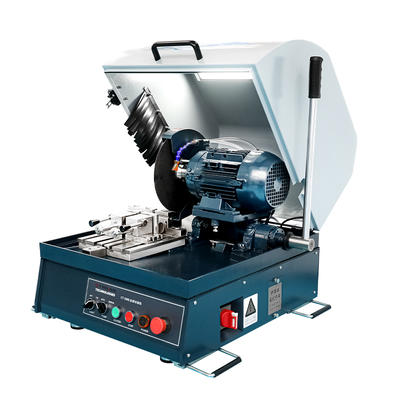
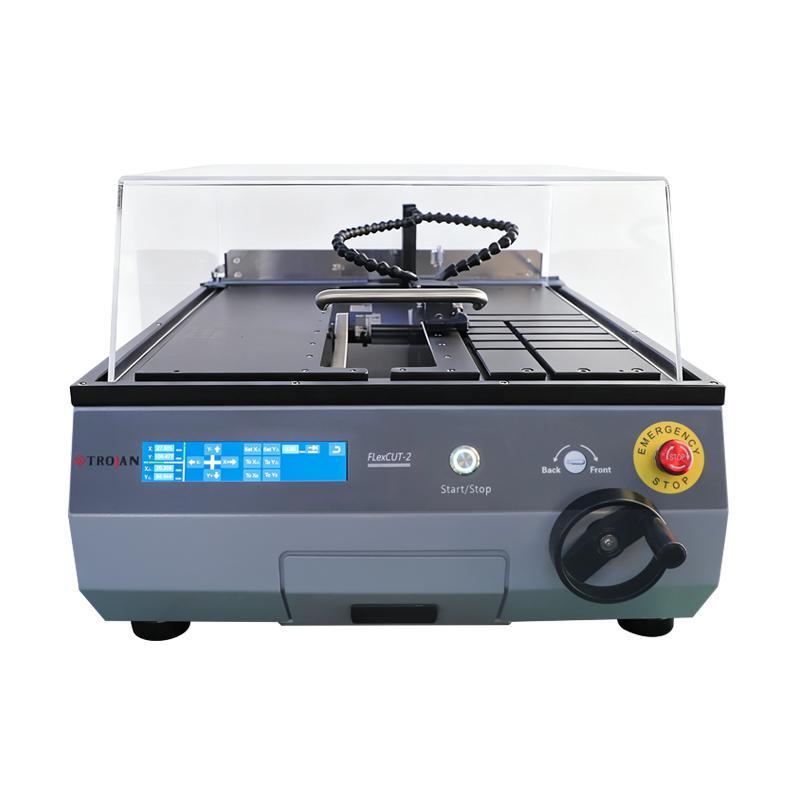
德语CT-250S/CT-250V Manual Sectioning Machine
CT-250S/250V is a manual sectioning machine designed with safety and environmental principles in min...
We use first- and third-party cookies including other tracking technologies from third party publishers to give you the full functionality of our website, to customize your user experience, perform analytics and deliver personalized advertising on our websites, apps and newsletters across internet and via social media platforms. For that purpose, we collect information about user, browsing patterns and device.
By clicking "Accept All Cookies", you accept this, and agree that we share this information with third parties, such as our advertising partners. If you prefer, you can choose to continue with "Only Required Cookies". But keep in mind that blocking some types of cookies may impact how we can deliver tailored content that you might like.
For more information and to customize your options, click on "Cookie settings". If you want to learn more about cookies and why we use them, visit our Cookie Policy page at any time. Cookie Policy

Metallographic equipment serves as the foundational infrastructure for analyzing the internal microstructure of metallic and non-metallic materials, directly determining the accuracy and reliability of material performance evaluation. This category of specialized instruments transforms invisible material structures into observable, measurable, and analyzable visual data, supporting industrial manufacturing, material research, quality control, and failure analysis across aerospace, automotive, electronics, and metallurgy sectors.
The core value of metallographic equipment lies in its ability to reveal the relationship between material composition, processing technology, microstructure, and mechanical properties. Without precise metallographic analysis, material development and product quality control would lack objective data support, leading to potential safety risks and performance defects in industrial products.
Modern metallographic equipment integrates optical technology, electronic technology, digital imaging, and software analysis, evolving from traditional manual observation to intelligent, automated, and high-precision detection systems. The development of this equipment has greatly improved the efficiency of material analysis, reducing human error and standardizing detection processes in laboratories worldwide.
Statistical data shows that over 90% of material performance failures are closely related to internal microstructure defects, making metallographic testing an indispensable step in material research and industrial production. Metallographic equipment provides quantitative and qualitative analysis of grain size, phase composition, inclusions, porosity, and layer thickness, forming a complete detection system for material characterization.
The complete set of metallographic equipment consists of 35 professional tools divided into five major categories, each undertaking specific tasks in the sample preparation and analysis process. This classification system ensures a standardized, efficient, and accurate workflow from raw material samples to final microstructure analysis reports.
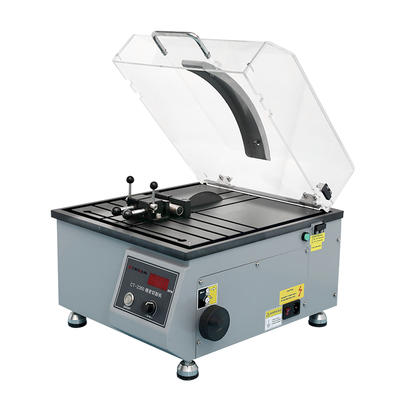
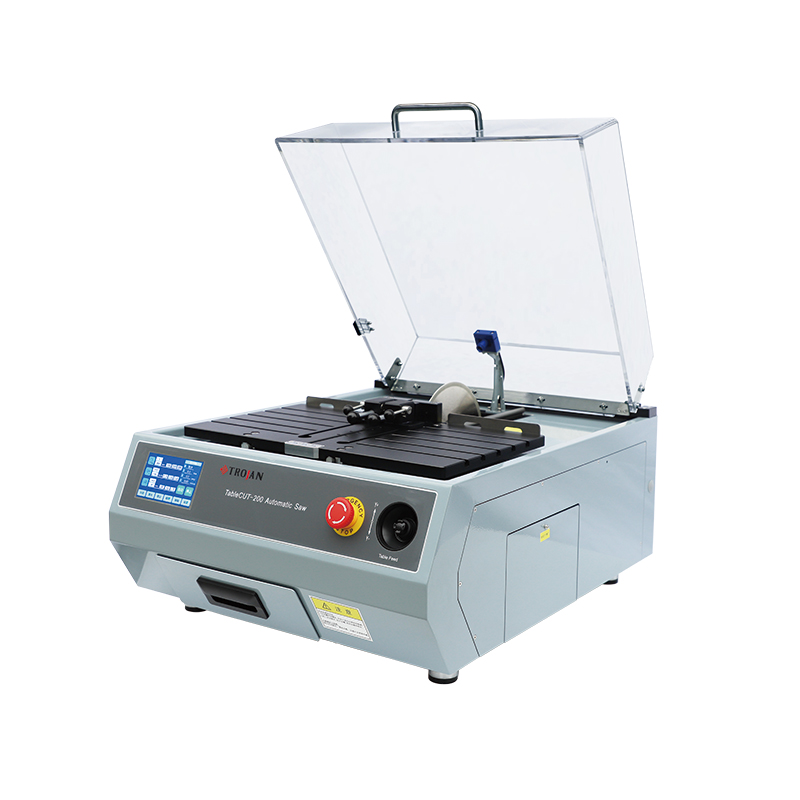
Cutting equipment is the first step in metallographic sample preparation, designed to separate test samples from raw materials or finished products without causing thermal damage or structural deformation. Precision cutting ensures the original microstructure of the material remains intact for subsequent analysis.
Mounting equipment fixes irregular, small, or fragile samples into standardized shapes, facilitating convenient handling during grinding, polishing, and observation. This step improves sample stability and ensures consistent testing conditions.
Grinding and polishing are the most critical steps in metallographic sample preparation, removing surface damage and creating a mirror-finish surface free of scratches, deformation, or embedded abrasives. The quality of this process directly determines the validity of microstructure observation.
Etching equipment uses chemical reagents to reveal the internal microstructure of polished samples by creating contrast between different phases and grain boundaries. Cleaning equipment removes residual reagents and contaminants to ensure clear observation.
Observation and analysis equipment captures, measures, and documents the microstructure of prepared samples, providing quantitative data and professional reports for material evaluation. This category represents the core detection tools in metallographic laboratories.
Selecting appropriate metallographic equipment requires evaluating core performance parameters to match specific material types, testing requirements, and laboratory standards. Understanding these parameters ensures accurate, efficient, and repeatable analysis results.
Cutting speed, blade type, and cooling system are the primary parameters for cutting equipment. The optimal cutting speed ranges from 1500 to 3000 rpm for most metallic materials, preventing overheating and structural changes. Precision cutting tools offer tolerance control within 0.01mm for high-precision applications.
Cutting capacity defines the maximum sample size, with industrial models supporting diameters up to 120mm. Automatic cooling systems maintain stable cutting temperatures, critical for heat-sensitive alloys and non-ferrous metals.
Hot mounting presses operate at temperatures between 130°C and 180°C with pressure ranges from 15 to 30 MPa. Automatic models provide precise control over heating, holding, and cooling cycles, ensuring consistent mounting quality.
Mounting mold sizes range from 20mm to 50mm in diameter, accommodating various sample dimensions. Vacuum mounting systems achieve vacuum degrees below 100Pa for defect-free transparent mounting.
Grinding equipment offers adjustable speeds from 100 to 1000 rpm, with automatic systems supporting programmable multi-step processes. Polishing pressure ranges from 5 to 50N, adjustable for different material hardness levels.
High-precision polishers achieve surface roughness below 0.01μm, meeting the requirements for advanced microstructure analysis. Multi-station machines allow simultaneous processing of 6 to 12 samples, improving laboratory efficiency.
Metallographic microscopes provide magnification ranges from 50X to 1000X, with high-end models reaching 2000X for ultra-fine structure observation. Resolution capability reaches 0.2μm, ensuring clear visualization of micro-scale features.
Digital imaging systems use cameras with 5 to 20 megapixels for high-quality image capture. Analysis software supports automatic measurement of grain size, phase percentage, inclusion rating, and layer thickness with high accuracy.
Standardized operating procedures ensure the proper use of metallographic equipment, prolong service life, and guarantee consistent, reliable analysis results. Adhering to established workflows is essential for meeting international material testing standards.
Proper microscope operation begins with equipment calibration and sample placement. Operators should start with low magnification to locate target areas, then gradually increase magnification for detailed analysis. Adjusting light intensity, aperture, and focus ensures clear imaging.
Digital analysis systems require standardization before measurement, including scale calibration and parameter setting. Capturing multiple images from different areas ensures representative analysis results. Saving raw data and analysis reports completes the testing process.
Regular maintenance is critical for sustained performance of metallographic equipment. Daily maintenance includes cleaning work surfaces, replacing consumables, and inspecting functional components. Weekly maintenance involves lubrication, calibration, and system checks.
Annual professional maintenance ensures long-term accuracy and reliability, including optical system alignment, electrical component inspection, and software updates. Following maintenance schedules reduces equipment downtime and repair costs.
Metallographic equipment supports microstructure analysis across diverse industrial and research fields, providing essential data for material development, process optimization, quality control, and failure analysis. The versatility of these tools makes them indispensable in modern manufacturing.
In aerospace manufacturing, metallographic equipment analyzes high-strength alloys, titanium materials, and superalloys used in engine components, structural parts, and critical accessories. Strict quality requirements demand 100% inspection of key parts to ensure flight safety.
Microstructure evaluation detects defects such as cracks, inclusions, and abnormal grain growth that could lead to catastrophic failure. Metallographic testing verifies compliance with aerospace material standards and supports the development of advanced lightweight materials.
The automotive industry uses metallographic equipment for quality control of engine parts, transmission components, chassis structures, and electronic connectors. Over 70% of automotive core components require metallographic analysis to ensure performance and durability.
Analysis of heat-treated components, welded joints, and surface coatings ensures vehicles meet safety, reliability, and longevity standards. Metallographic testing supports the development of new materials for energy-efficient and electric vehicle technologies.
Metallographic equipment examines microstructures of electronic materials, connectors, lead frames, and semiconductor components. Precision analysis at the micro and nano scales ensures the reliability of electronic devices and integrated circuits.
Analysis of plating layers, solder joints, and conductive materials prevents performance failures in electronic products. High-precision metallographic tools support the miniaturization trend in modern electronic technology.
Primary metal producers use metallographic equipment to monitor casting, forging, rolling, and heat treatment processes. Real-time microstructure analysis optimizes production parameters and ensures material consistency.
Quality inspection of steel, aluminum, copper, and alloy products confirms compliance with national and international standards. Metallographic testing identifies process improvements to enhance material properties and reduce production costs.
Universities, research centers, and testing laboratories rely on advanced metallographic equipment for material science research, new material development, and academic studies. These tools support innovation in metallic materials, composites, and functional materials.
High-precision analysis capabilities enable researchers to explore new material structures and properties, driving technological advancements across industries. Metallographic equipment forms the foundation of material characterization in scientific research.
Selecting appropriate metallographic equipment requires comprehensive evaluation of multiple factors to match specific application requirements, budget constraints, and long-term development needs. The following criteria ensure optimal equipment selection for different users.
Different materials require specific equipment configurations. Soft metals need low-stress polishing systems, while high-hardness materials require powerful grinding tools and electro-polishing capabilities. Heat-sensitive materials demand cold mounting and precision cutting equipment.
Sample size, shape, and quantity determine equipment specifications, including working space, capacity, and automation level. Understanding material characteristics is the fundamental step in equipment selection.
Testing accuracy, resolution, and automation requirements directly influence equipment selection. Routine quality control needs standard configurations, while research applications require high-precision, multi-functional systems.
Compliance with international testing standards (ISO, ASTM, GB) is essential for industrial applications. Equipment must support the specific analysis parameters and measurement methods defined by relevant standards.
Laboratory space, power supply, and environmental conditions determine equipment dimensions and operational requirements. High-throughput laboratories need automated, multi-station systems to improve efficiency.
Operator skill levels influence the choice between manual, semi-automatic, and fully automatic equipment. User-friendly interfaces and automated functions reduce operational complexity and human error.
Total cost of ownership includes purchase price, installation, consumables, maintenance, and operation costs. High-quality equipment offers lower long-term costs through durability, reliability, and reduced maintenance needs.
Investing in versatile, upgradeable systems provides better cost-effectiveness, accommodating future testing requirements and technological advancements. Prioritizing core functions over unnecessary features optimizes budget allocation.
Regular maintenance and effective troubleshooting ensure continuous, stable operation of metallographic equipment, minimizing downtime and maintaining analysis accuracy. Proper maintenance extends equipment service life and protects laboratory investment.
Daily maintenance includes cleaning optical components, removing abrasive residues, checking fluid levels, and inspecting electrical connections. Keeping equipment clean prevents contamination of samples and ensures optimal performance.
Weekly maintenance involves lubricating moving parts, calibrating measurement systems, replacing worn consumables, and verifying functional accuracy. Documenting maintenance activities creates a comprehensive service record.
| Maintenance Frequency | Maintenance Items | Expected Effect |
| Daily | Surface cleaning, consumable inspection | Clean working environment, normal operation |
| Weekly | Calibration, lubrication, parts inspection | Stable performance, accurate measurement |
| Monthly | System inspection, function verification | Consistent results, early fault detection |
| Annual | Professional servicing, component replacement | Extended lifespan, optimal performance |
Cutting equipment issues typically involve blade wear, insufficient cooling, or unstable clamping. Replacing consumables, adjusting parameters, and securing samples resolve most problems. Irregular cutting indicates blade damage or alignment issues.
Polishing defects stem from inappropriate abrasive types, incorrect pressure settings, or contaminated polishing surfaces. Changing polishing materials, adjusting operating parameters, and thorough cleaning restore performance. Poor surface quality requires reviewing the complete preparation process.
Microscope imaging problems relate to light source issues, lens contamination, or calibration errors. Cleaning optical components, adjusting illumination, and recalibrating systems improve image quality. Blurred images indicate focus issues or damaged optical parts.
Analysis software errors require parameter resetting, software restarting, or system updates. Data inconsistencies suggest calibration requirements or hardware malfunctions. Professional technical support addresses complex equipment issues.
The metallographic equipment industry continues evolving with technological advancements, focusing on automation, intelligence, precision, and integration. These developments enhance analysis efficiency, accuracy, and functionality to meet increasingly demanding material testing requirements.
Modern metallographic equipment features fully automated sample preparation and analysis processes, reducing manual intervention and improving result consistency. Automatic systems complete cutting, mounting, grinding, polishing, etching, and observation without human operation.
Intelligent software enables automatic identification, measurement, and reporting of microstructural features, with artificial intelligence enhancing defect recognition and data analysis capabilities. Smart sensors monitor equipment status and predict maintenance needs.
Advancements in optical and imaging technology push analysis resolution to the nano-level, supporting ultra-fine microstructure observation. High-precision positioning systems achieve sample positioning accuracy within 1μm for detailed local analysis.
3D imaging and reconstruction technology provides multi-dimensional microstructure analysis, offering comprehensive material characterization beyond traditional 2D observation. Quantitative analysis becomes more precise and comprehensive.
Integrated metallographic systems combine multiple functions into a single platform, streamlining workflows and reducing laboratory space requirements. Combined structure and performance analysis tools provide comprehensive material evaluation.
Modular designs allow flexible configuration and future upgrades, adapting to evolving testing requirements. Data integration with laboratory information systems enables seamless data management and analysis.
Digital metallographic equipment supports remote operation, cloud data storage, and online analysis, breaking geographical limitations for collaborative research and expert consultation. Automated data collection and report generation improve laboratory efficiency.
Big data analysis of metallographic images establishes material databases, supporting quality tracing, process optimization, and intelligent decision-making. Digital transformation revolutionizes traditional metallographic analysis methods.
Polishing is the most critical step, directly determining the quality of microstructure observation and analysis results.
Precision equipment requires monthly calibration, with comprehensive annual calibration by professional technicians.
100X to 500X magnification covers most routine applications, with 1000X for detailed microstructural analysis.
Manual preparation takes 30-60 minutes per sample, while automatic systems complete 6-12 samples in 20-30 minutes.
Inappropriate abrasive types, incorrect pressure, contaminated surfaces, and incomplete cleaning cause polishing defects.
Yes, with appropriate preparation methods, these tools analyze ceramics, polymers, composites, and other materials.
Temperature 15-25°C, humidity 45-65%, dust-free environment, and stable power supply ensure optimal performance.
Hot mounting for most metals; cold mounting for heat-sensitive, porous, or fragile materials.
10-15 years with proper maintenance; optical components last over 20 years with careful handling.
Basic operation requires standard training, while complex analysis needs professional knowledge of materials and microstructure.
.jpg?imageView2/2/w/400/format/jpg/q/75 "Abrasive Wheels")
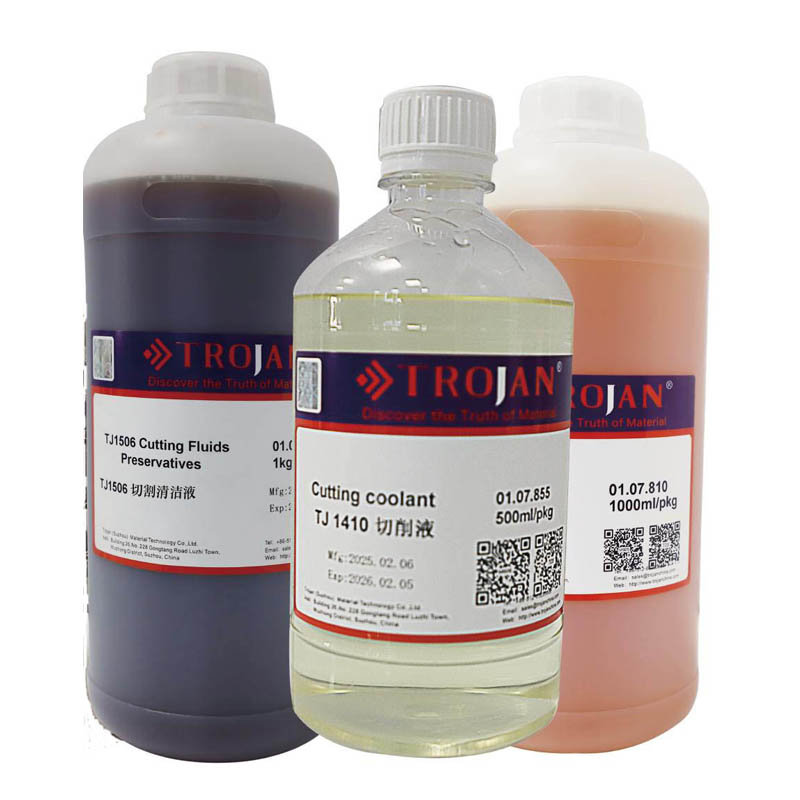



Based in China, TROJAN pays attention to the international market, and has sold metallographic equipment to more than 50 countries, such as Europe, America, Japan and South Korea, Southeast Asia countries and regions


