
 英语
英语 西班牙语
西班牙语 德语
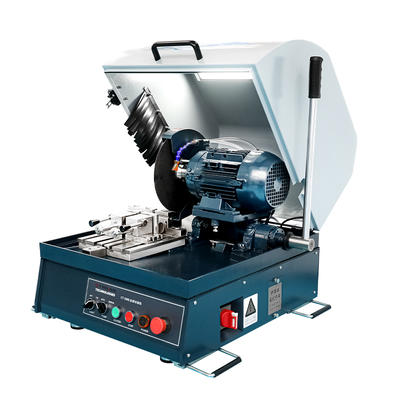
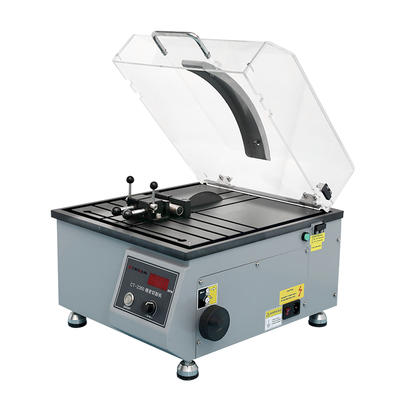
德语CT-250S/CT-250V Manual Sectioning Machine
CT-250S/250V is a manual sectioning machine designed with safety and environmental principles in min...
We use first- and third-party cookies including other tracking technologies from third party publishers to give you the full functionality of our website, to customize your user experience, perform analytics and deliver personalized advertising on our websites, apps and newsletters across internet and via social media platforms. For that purpose, we collect information about user, browsing patterns and device.
By clicking "Accept All Cookies", you accept this, and agree that we share this information with third parties, such as our advertising partners. If you prefer, you can choose to continue with "Only Required Cookies". But keep in mind that blocking some types of cookies may impact how we can deliver tailored content that you might like.
For more information and to customize your options, click on "Cookie settings". If you want to learn more about cookies and why we use them, visit our Cookie Policy page at any time. Cookie Policy

The grinding polishing machine represents a critical piece of equipment across metallurgical laboratories, manufacturing facilities, and research institutions. At the heart of these machines lies a fundamental technical distinction that significantly impacts performance outcomes: the choice between variable speed and fixed speed operation modes. This distinction determines not only the quality of surface finish achieved but also the range of materials that can be processed effectively and the overall operational flexibility of the equipment.
Speed control in grinding polishing machines refers to the ability to adjust the rotational velocity of the grinding or polishing disc, typically measured in revolutions per minute (RPM). Fixed speed machines operate at a predetermined, constant rotational velocity, while variable speed systems allow operators to adjust RPM across a defined range, often spanning from as low as 50 RPM to over 1400 RPM depending on the machine specifications. This fundamental difference creates distinct operational characteristics that influence processing results across diverse industrial applications.
The significance of this speed control capability extends beyond simple convenience. In metallographic sample preparation, for instance, different materials exhibit optimal processing speeds based on their hardness, thermal sensitivity, and structural composition. Aluminum alloys may require gentler processing at lower speeds to prevent heat buildup and microstructural damage, while harder materials like ceramics or hardened steels can tolerate and benefit from higher rotational velocities. Variable speed machines accommodate these material-specific requirements through precise RPM adjustment, whereas fixed speed systems apply a uniform approach that may compromise results for certain material types.
Fixed speed grinding polishing machines employ conventional AC induction motors designed to operate at a constant synchronous speed determined by the power supply frequency and motor pole configuration. In standard configurations operating on 50Hz or 60Hz electrical supplies, these motors typically achieve rotational speeds of 1400-1450 RPM or 1700-1725 RPM respectively. The motor connects directly to the grinding disc through a drive shaft, maintaining consistent rotational velocity throughout the operation cycle.
The simplicity of fixed speed architecture offers certain advantages. These machines typically feature fewer electronic components, reducing potential points of failure and maintenance requirements. The motor control circuitry remains straightforward, often consisting of basic on/off switching mechanisms with overload protection. This simplicity translates to lower initial equipment costs and reduced technical complexity, making fixed speed machines accessible for operations with limited technical expertise or budget constraints.
However, the fixed speed approach presents inherent limitations. Without the ability to modulate rotational velocity, operators cannot optimize processing parameters for different materials or surface finish requirements. The machine applies maximum rotational energy regardless of the specific application, potentially generating excessive heat during delicate operations or failing to achieve aggressive material removal when processing harder substrates. This one-size-fits-all approach restricts the machine's versatility and may necessitate multiple specialized machines for diverse processing requirements.
Modern variable speed grinding polishing machines utilize advanced motor control technologies to achieve precise speed regulation. The most common implementation employs DC brushless motors paired with variable frequency drives (VFD) or sophisticated electronic control systems. These configurations enable stepless speed adjustment across broad operational ranges, typically spanning 100-1000 RPM or 50-1400 RPM depending on the specific machine model and application requirements.
The technical implementation of variable speed control involves several key components working in concert. The motor controller receives input from the operator interface, which may range from simple rotary dials to sophisticated touchscreen panels with digital displays. The controller processes these inputs and adjusts the electrical supply to the motor, modulating voltage and frequency to achieve the desired rotational velocity. Advanced systems incorporate feedback mechanisms such as tachometers or encoder sensors to monitor actual RPM and maintain precise speed stability even under varying load conditions.
Contemporary variable speed machines often feature programmable speed profiles, allowing operators to define specific RPM values for different processing stages. For example, a metallographic preparation workflow might involve initial grinding at 600 RPM, followed by fine grinding at 400 RPM, and final polishing at 200 RPM. The machine can store these parameters as repeatable recipes, ensuring process consistency across multiple samples and operators. This programmability represents a significant advancement over manual speed adjustment, enabling standardized workflows essential for quality control and research reproducibility.
In metallographic laboratories, the choice between variable and fixed speed grinding polishing machines directly impacts sample quality and analytical reliability. Metallographic preparation requires progressive surface refinement through multiple stages, each demanding specific processing parameters. Variable speed machines excel in this context by enabling precise optimization for each preparation stage.
During the initial grinding phase, higher speeds between 500-800 RPM facilitate rapid material removal and planarization of the sample surface. The aggressive cutting action of coarse abrasives benefits from elevated rotational velocities that enhance cutting efficiency and reduce processing time. As preparation progresses to finer grinding stages using progressively smaller abrasive grits, reducing speed to 300-500 RPM minimizes subsurface damage and prepares the sample for subsequent polishing operations. The final polishing stage, utilizing fine diamond suspensions or oxide polishing suspensions, typically requires the lowest speeds of 100-300 RPM to achieve mirror-like surface finishes without introducing artifacts.
Fixed speed machines operating at typical commercial speeds of 1400-1450 RPM apply excessive velocity for most metallographic polishing operations. At these speeds, the polishing cloth generates significant frictional heat that can alter the metallurgical structure of heat-sensitive materials. Aluminum alloys, for example, may experience recrystallization or grain growth when subjected to high-speed polishing with inadequate cooling. Similarly, thermally sensitive coatings or surface treatments may degrade under excessive heat generation. Variable speed systems mitigate these risks by enabling low-speed operation that maintains sample integrity while achieving required surface quality.
Floor grinding and polishing applications demonstrate particularly dramatic performance differences between variable and fixed speed systems. Professional floor grinding machines equipped with variable speed control can adjust tool rotation from 300 RPM to over 1300 RPM, enabling adaptation to diverse surface conditions and material types. This flexibility proves essential when transitioning between concrete grinding, terrazzo restoration, marble polishing, and granite finishing operations.
Concrete grinding operations benefit from variable speed capabilities in several ways. Initial aggressive grinding to remove coatings, adhesives, or surface imperfections requires high rotational velocities to maximize cutting efficiency. Production rates for single-step concrete grinding can reach 400-800 square feet per hour when operating at optimized speeds with appropriate diamond tooling. Conversely, the final polishing stages creating decorative concrete finishes or superconcrete effects require reduced speeds of 300-500 RPM to achieve consistent gloss development without burning the surface or creating swirl marks.
Natural stone polishing presents even more stringent speed requirements. Marble and terrazzo surfaces require careful speed management to prevent scratching, burning, or uneven material removal. Variable speed machines allow operators to fine-tune rotational velocity based on stone hardness, existing surface condition, and desired finish level. Fixed speed systems operating at single predetermined velocities cannot accommodate these nuanced requirements, often resulting in suboptimal finishes or extended processing times as operators compensate through pressure adjustments or repeated passes.
Precision grinding and polishing applications, such as optical component fabrication, semiconductor wafer processing, and fiber optic connector polishing, demand exceptional process control that fixed speed systems cannot provide. These applications require not just variable speed but highly precise speed stability and repeatability.
Fiber optic connector polishing machines exemplify the critical importance of speed control. Industry-standard polishing equipment offers adjustable rotation speeds typically ranging from 30-200 RPM, with specific processes requiring precise velocity settings to achieve acceptable geometry and return loss specifications. Single-mode fiber connectors demand particularly stringent control, with polishing speeds affecting the radius of curvature, apex offset, and fiber height critical parameters. Variable speed machines enable operators to optimize these parameters for different connector types, including FC, SC, ST, LC, and specialized APC configurations.
Semiconductor chemical mechanical polishing (CMP) applications require variable speed control combined with precise pressure management and slurry delivery. The polishing platen rotation speed directly influences material removal rate, within-wafer uniformity, and defect density. Advanced CMP systems offer variable speed ranges from 10-150 RPM with digital feedback control maintaining speed stability within tight tolerances. Fixed speed operation would preclude the process optimization necessary for achieving the nanometer-level flatness and surface roughness specifications required by modern integrated circuit manufacturing.
Variable speed grinding polishing machines demonstrate significant advantages in processing time efficiency across diverse applications. The ability to match rotational velocity to specific material removal requirements enables aggressive cutting when appropriate and gentle finishing when necessary, optimizing the time invested in each processing stage.
In metallographic preparation workflows, variable speed machines can reduce total preparation time by 30-40% compared to fixed speed systems through optimized stage transitions. High-speed initial grinding rapidly removes sectioning damage and establishes planarity, while precisely controlled reduced speeds for fine grinding and polishing minimize the time required to eliminate scratches from previous stages. Fixed speed systems operating at compromise speeds either prolong initial grinding phases or necessitate extended fine polishing to remove damage introduced by excessive velocity.
Production environments processing diverse material types benefit substantially from variable speed flexibility. A single variable speed machine can process aluminum components at 400 RPM to prevent heat damage, then immediately transition to processing hardened steel components at 800 RPM for efficient material removal. Fixed speed installations would require either multiple specialized machines or acceptance of suboptimal processing parameters that extend cycle times or compromise surface quality.
Speed control significantly influences consumable service life and replacement costs. Grinding discs, polishing pads, and abrasive media experience wear rates directly correlated with rotational velocity and the resulting frictional forces. Variable speed machines enable operators to apply only the necessary rotational energy for each operation, extending consumable life and reducing material costs.
Polishing cloths used in metallographic preparation demonstrate particularly notable speed sensitivity. Operating at excessive speeds generates heat that degrades the polymeric binder materials holding abrasive particles, accelerating cloth deterioration and reducing cutting efficiency. Variable speed operation at appropriate velocities can extend polishing cloth service life by 50-100% compared to fixed speed operation at maximum RPM. For high-volume laboratories processing hundreds of samples monthly, this extended consumable life translates to substantial cost savings.
Diamond grinding discs used in floor grinding applications exhibit similar speed-dependent wear characteristics. High-speed operation increases diamond particle fracturing and bond material erosion, reducing disc life and increasing replacement frequency. Variable speed machines allow operators to use higher speeds only when necessary for aggressive material removal, then reduce velocity for finer grinding stages that do not require maximum cutting energy. This operational flexibility can reduce diamond tooling costs by 25-40% in commercial flooring applications.
Variable speed systems offer energy efficiency advantages particularly relevant to sustainable manufacturing initiatives. Fixed speed machines operate at maximum rated power continuously during operation, regardless of the actual processing requirements. Variable speed machines draw only the electrical power necessary to maintain the selected rotational velocity, reducing energy consumption during low-speed operations.
The energy savings become significant in continuous production environments. A variable speed machine operating at 300 RPM for delicate polishing may consume 40-50% less electrical power than the same machine operating at maximum speed. Extended over annual operation cycles involving thousands of processing hours, these savings contribute meaningfully to reduced operational costs and environmental impact. Additionally, reduced heat generation at lower speeds decreases cooling system requirements, further reducing energy consumption and facility cooling loads.
Thermal management represents a critical factor in grinding polishing operations, particularly for heat-sensitive materials or applications requiring precise dimensional control. The friction generated between the processing tool and workpiece converts kinetic energy to thermal energy, with temperature rise directly proportional to rotational velocity and processing pressure.
Variable speed machines provide essential thermal management capabilities through speed reduction. In metallographic preparation of temperature-sensitive materials such as aluminum, magnesium, or low-melting-point alloys, excessive heat can cause microstructural alterations including recrystallization, grain growth, or phase transformations that invalidate subsequent analysis. Operating at reduced speeds of 200-400 RPM with appropriate cooling maintains sample temperatures within acceptable ranges, preserving the microstructural integrity essential for accurate metallographic evaluation.
Precision grinding applications involving thermally sensitive coatings, plated surfaces, or heat-treated components similarly benefit from variable speed thermal control. Electronic component packages with soldered connections, for example, may experience joint reflow or component damage if subjected to excessive grinding temperatures. Variable speed operation enables processing at minimum necessary velocities, maintaining thermal budgets within safe limits while achieving required surface preparation.
The relationship between rotational speed and surface finish quality follows complex dependencies involving material properties, abrasive characteristics, and processing kinematics. Variable speed machines enable systematic optimization of these parameters to achieve target surface roughness values, flatness specifications, and cosmetic appearance requirements.
Surface roughness measurements (Ra, Rz, Rmax) demonstrate clear speed dependencies in grinding operations. Higher speeds generally increase material removal rates but may introduce deeper scratches or surface waviness if abrasive particles engage the workpiece too aggressively. Lower speeds typically produce finer surface finishes but may require extended processing times. Variable speed systems allow operators to identify the optimal speed range balancing efficiency and surface quality for specific material-abrasive combinations.
Flatness and parallelism specifications in precision grinding applications depend critically on speed control uniformity. Variable speed machines equipped with closed-loop feedback maintain consistent rotational velocity regardless of load variations, ensuring uniform material removal across the workpiece surface. Speed fluctuations in inadequately controlled systems create non-uniform removal patterns resulting in convex or concave surface profiles. Advanced variable speed systems achieve speed stability within 1-2% of setpoint values, supporting the tight tolerances required for precision component manufacturing.
Modern variable speed grinding polishing machines incorporate programmable control systems that enable process standardization essential for quality management systems and research reproducibility. These systems store processing parameters including speed, time, pressure, and direction as retrievable recipes that can be recalled for consistent application across multiple samples and operators.
The programmability advantage extends beyond simple speed setting to comprehensive process control. Advanced machines can implement multi-stage programs automatically transitioning between speeds, pressures, and abrasive types without operator intervention. For example, a metallographic preparation program might sequence through 60 seconds of grinding at 600 RPM, 30 seconds of fine grinding at 400 RPM, and 90 seconds of polishing at 200 RPM, with automatic abrasive delivery and cooling system activation at each stage. This automation eliminates operator variability and ensures consistent sample preparation quality.
Fixed speed machines lack this programmability, relying entirely on operator technique and timing for process control. While experienced operators can achieve consistent results, the inherent variability of manual operation introduces sample-to-sample variations that compromise statistical reliability in research applications or quality control decisions. Variable speed programmable systems reduce this variability by controlling the primary processing parameter, contributing to improved measurement uncertainty and confidence in analytical results.
Metallographic laboratories and research facilities should prioritize variable speed grinding polishing machines to accommodate the diverse material types and preparation requirements encountered in analytical work. The flexibility to optimize processing parameters for each sample type ensures maximum information preservation and analysis reliability.
Key selection factors for laboratory applications include:
Research applications involving publication-quality results or regulatory compliance documentation particularly benefit from the process traceability enabled by programmable variable speed systems. The ability to document exact processing parameters supports method validation, inter-laboratory comparison, and regulatory audit requirements.
Manufacturing facilities must evaluate variable speed versus fixed speed options based on production volume, material diversity, and quality requirements. High-volume production of single material types with consistent preparation requirements may justify fixed speed machines for cost efficiency. However, most manufacturing operations process diverse materials or require flexibility to accommodate product mix changes.
Variable speed machines prove essential when:
The economic analysis for manufacturing applications should consider total cost of ownership rather than initial purchase price alone. Variable speed machines typically command 20-40% price premiums over comparable fixed speed models, but this differential is often recovered through reduced consumable costs, improved processing efficiency, and reduced rework or scrap rates within the first year of operation.
Contract grinding and polishing service providers face unique requirements for equipment versatility. These operations must process diverse customer materials with varying specifications using shared equipment resources, making variable speed capability essentially mandatory for business viability.
Floor restoration contractors, for example, encounter concrete, terrazzo, marble, granite, and engineered stone surfaces requiring different processing approaches. A variable speed floor grinder enables the contractor to address all these materials with single machine investment, whereas fixed speed limitations would necessitate multiple specialized machines or refusal of certain project types. The business flexibility enabled by variable speed equipment directly translates to revenue opportunities and competitive positioning.
Similarly, precision grinding services supporting aerospace, medical device, or semiconductor industries require variable speed capabilities to meet customer-specific processing requirements. These industries typically specify exact processing parameters for critical components, and service providers lacking variable speed capability cannot bid on such work. The investment in variable speed equipment thus represents market access rather than merely operational preference.
The following comparison summarizes key technical differences between variable speed and fixed speed grinding polishing machines across typical industrial configurations:
| Specification | Variable Speed Systems | Fixed Speed Systems |
| Speed Range | 50-1400 RPM (stepless or multi-step) | 1400-1450 RPM (single speed) |
| Speed Control | Electronic/VFD with feedback | Direct AC motor drive |
| Programmability | 100-200 stored methods typical | None (manual operation only) |
| Speed Stability | ±1-2% under load | Speed varies with load (slip) |
| Material Compatibility | Universal (all material types) | Limited (hard materials preferred) |
| Consumable Life | Extended (optimized speed matching) | Standard (fixed wear rate) |
| Initial Cost | 20-40% premium | Base reference |
| Operating Cost | Lower (reduced consumables/energy) | Standard |
| Maintenance Complexity | Moderate (electronic systems) | Low (mechanical simplicity) |
The evolution of grinding polishing machine speed control continues with emerging technologies enhancing precision, automation, and connectivity. Advanced variable speed systems now incorporate servo motor technology achieving speed resolutions of 1 RPM with instantaneous response to load changes. These systems enable previously unattainable process control for ultra-precision applications.
Intelligent speed control represents the next frontier, with machines incorporating sensor feedback to automatically adjust speed based on real-time process conditions. Acoustic emission sensors monitoring grinding contact sounds, force sensors detecting pressure variations, and thermal sensors tracking temperature profiles enable adaptive speed control optimizing processing parameters continuously rather than relying on preset values. These intelligent systems promise to eliminate the expertise barrier for achieving optimal processing results, enabling consistent quality regardless of operator experience level.
Integration with Industry 4.0 manufacturing systems extends speed control significance beyond individual machine operation to comprehensive process management. Networked grinding polishing machines report speed parameters, processing times, and completion status to central manufacturing execution systems, enabling production optimization and predictive maintenance. Variable speed systems with digital control architectures naturally support this connectivity, while fixed speed machines lack the electronic infrastructure for Industry 4.0 integration.
The primary advantage lies in processing flexibility. Variable speed machines allow operators to adjust rotational velocity to match specific material requirements and processing stages, optimizing surface finish quality while preventing thermal damage. Fixed speed machines operate at a single predetermined velocity that may be too aggressive for delicate materials or insufficiently efficient for hard materials.
Fixed speed machines can process many materials adequately but face limitations with thermally sensitive or exceptionally hard/soft materials. Aluminum alloys, plastics, and coated components may experience heat damage or surface degradation at typical fixed speeds of 1400+ RPM. While skilled operators can sometimes compensate through pressure adjustment or extended cooling, variable speed systems provide superior control for challenging materials.
For metallographic applications, seek machines offering 100-1000 RPM minimum range. Floor grinding applications benefit from broader ranges of 300-1300 RPM. Precision polishing applications may require very low minimum speeds of 30-50 RPM. The specific range should match your primary application requirements, with broader ranges offering greater versatility.
Variable speed machines incorporate electronic control systems requiring occasional calibration and potential component replacement, while fixed speed machines rely on simpler mechanical systems. However, modern variable speed systems using brushless DC motors and solid-state electronics demonstrate reliability comparable to traditional AC motors. The extended consumable life and reduced rework associated with variable speed operation often offset any incremental maintenance considerations.
Consumable wear rates generally increase with rotational velocity due to elevated friction and cutting forces. Operating at unnecessarily high speeds accelerates abrasive disc degradation, polishing cloth deterioration, and diamond tool wear. Variable speed machines enable operators to apply only the speed necessary for efficient material removal, typically extending consumable life by 25-50% compared to continuous maximum speed operation.
For operations processing multiple sample types or requiring consistent results across operators, programmable systems deliver substantial value. The ability to store and recall optimized processing methods eliminates setup time, reduces operator training requirements, and ensures process consistency essential for quality systems. High-volume laboratories and manufacturing facilities typically recover the incremental investment through efficiency gains and reduced rework within 12-18 months.
Variable speed machines require the same fundamental safety precautions as fixed speed systems, including proper guarding, emergency stop functionality, and personal protective equipment. The variable speed capability actually enhances safety by enabling reduced speed operation when processing large or awkward specimens that might present control challenges at maximum velocity. Operators should always follow manufacturer speed recommendations for specific disc sizes and sample configurations.
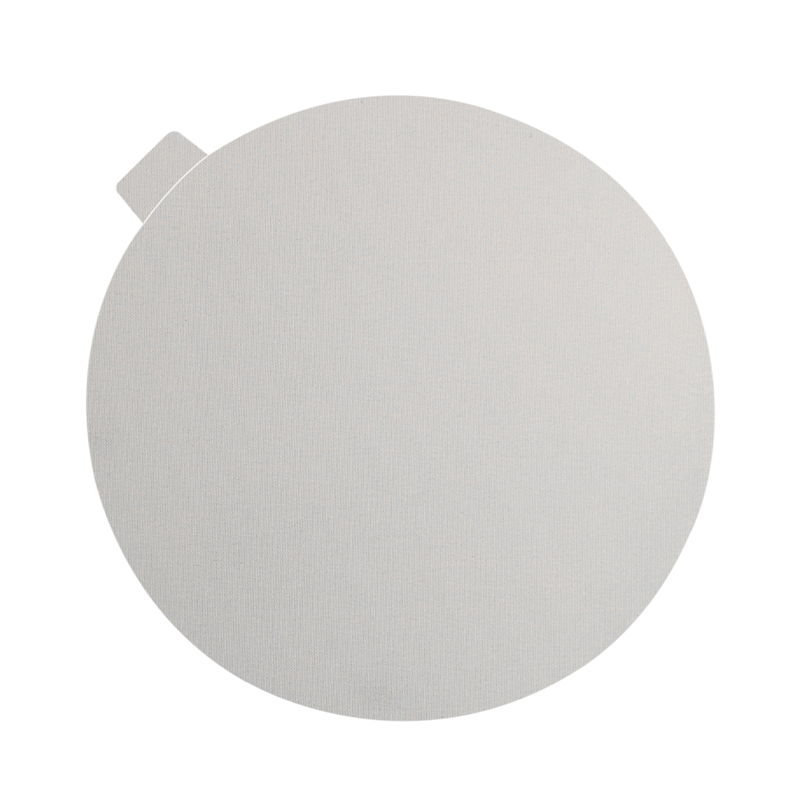
.jpg?imageView2/2/w/400/format/jpg/q/75 "Abrasive Wheels")

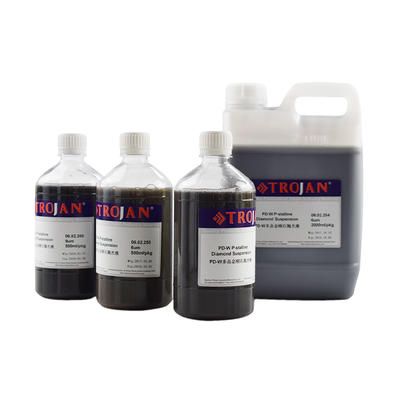
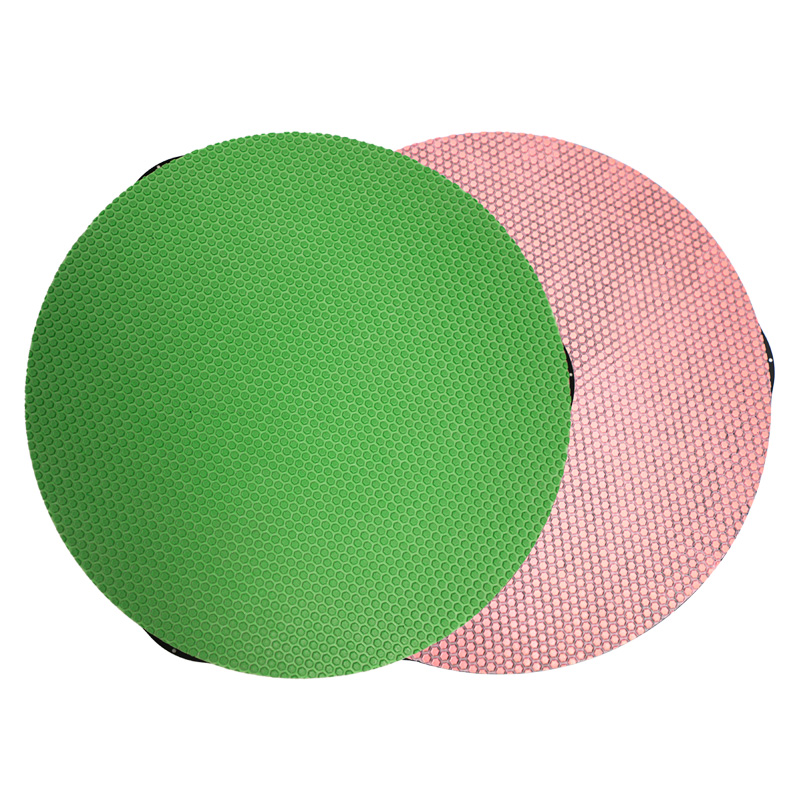
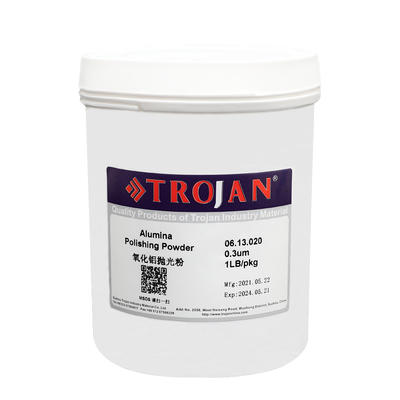
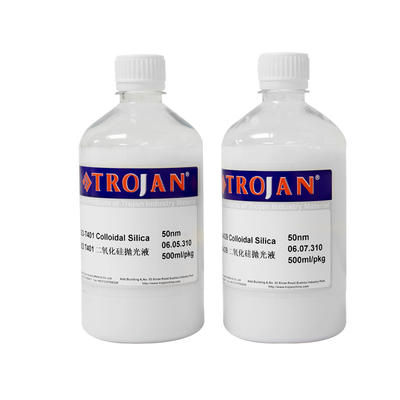
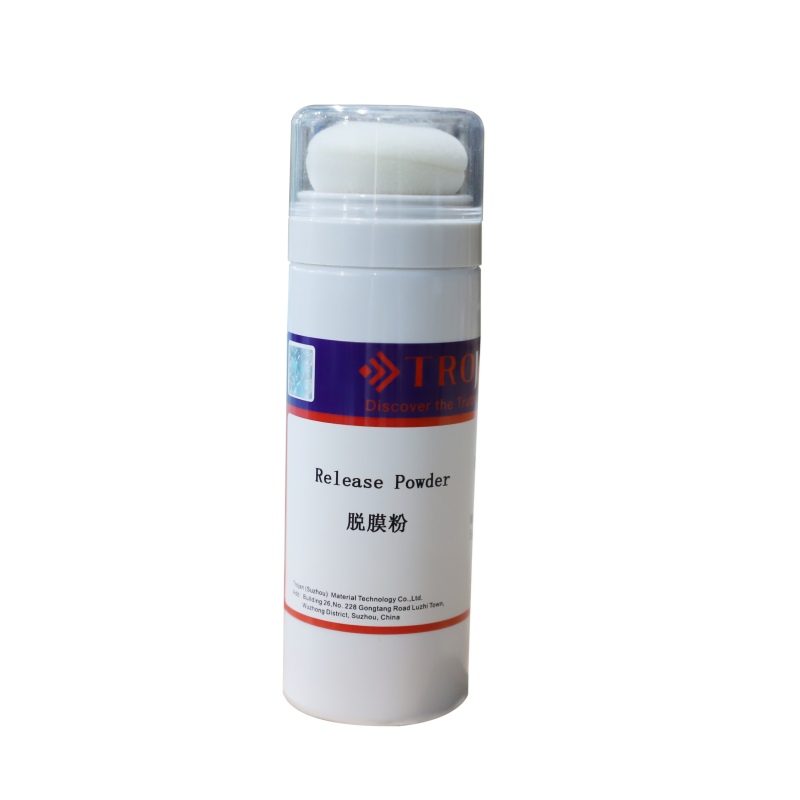

Based in China, TROJAN pays attention to the international market, and has sold metallographic equipment to more than 50 countries, such as Europe, America, Japan and South Korea, Southeast Asia countries and regions


