
 英语
英语 西班牙语
西班牙语 德语
德语Abrasive Wheels
Product Description
Cuting is the first step in material analysis, and the selection of the cutting ...
We use first- and third-party cookies including other tracking technologies from third party publishers to give you the full functionality of our website, to customize your user experience, perform analytics and deliver personalized advertising on our websites, apps and newsletters across internet and via social media platforms. For that purpose, we collect information about user, browsing patterns and device.
By clicking "Accept All Cookies", you accept this, and agree that we share this information with third parties, such as our advertising partners. If you prefer, you can choose to continue with "Only Required Cookies". But keep in mind that blocking some types of cookies may impact how we can deliver tailored content that you might like.
For more information and to customize your options, click on "Cookie settings". If you want to learn more about cookies and why we use them, visit our Cookie Policy page at any time. Cookie Policy

Technical insights into charge mitigation, edge retention, and high‑integrity microstructural characterization
Scanning electron microscopy (SEM) delivers nanometer‑scale resolution and exceptional depth of field, but its accuracy depends entirely on sample preparation. One recurring obstacle that degrades image quality, distorts elemental analysis, and wastes valuable instrument time is surface charging. When non‑conductive specimens are bombarded by the electron beam, accumulated negative charges deflect secondary electrons, causing bright streaks, image drift, and even damage to the microscope’s detectors. This is precisely Why Conductive Mounting Resin is Essential for SEM Analysis – it provides a continuous electrical pathway that drains away excess electrons, preserving both image fidelity and analytical accuracy.
Hot mounting resins reinforced with graphite or other conductive fillers have become the industry standard for preparing metallic, ceramic, electronic, and composite samples. Unlike traditional non‑conductive epoxy or acrylic resins, conductive hot mounting compounds actively participate in the electron dissipation process. This article explores the physics behind charging artifacts, compares conductive versus insulating mounting media, and provides actionable guidelines for selecting and using metallographic conductive resin in demanding SEM workflows.
When the primary electron beam strikes an insulating specimen surface, the number of incident electrons exceeds the number of backscattered and secondary electrons leaving the sample. This imbalance creates a negative electrostatic field that repels subsequent low‑energy secondary electrons – the very signal used for topographic imaging. The result is a cascade of artifacts:
Conventional solutions such as carbon coating or gold sputtering are effective for flat, small samples, but they fail to address charging from the sample’s sides, edges, or porous regions. A hot‑mounted conductive mounting compound encapsulates the entire sample in a conductive matrix, providing a low‑resistance path from the specimen surface to the metal mounting press or SEM stub. This approach eliminates the need for repeated coating and is particularly valuable for routine quality control and high‑throughput laboratories.
The schematic above illustrates how trapped charges accumulate when a non‑conductive resin surrounds the specimen (left), while graphite‑filled conductive resin (right) provides a continuous percolation network that safely drains the beam current to ground.
Cold mounting (room‑temperature epoxy or acrylic) is still widely used, but it suffers from several drawbacks when the goal is conductive SEM preparation. Hot mounting, typically performed at 150–200 °C and 200–300 bar pressure, compacts the conductive filler particles (graphite, copper, or silver‑coated graphite) into a dense, rigid matrix. This process yields three decisive advantages:
For laboratories processing dozens of samples daily, a hot mounting resin for SEM reduces the total preparation time from hours (cold cure + vacuum coating) to less than 15 minutes (mounting + polishing). Moreover, the conductive mount itself becomes the electrical contact, eliminating the need for messy silver paste or conductive tapes.
Among various conductive fillers, graphite stands out because it is chemically inert, lubricious (reduces grinding damage), and moderately priced. Graphite reinforced resin typically contains 50–70 vol% natural or synthetic graphite flakes with a flake size of 30–150 µm. During hot mounting, these flakes align partially perpendicular to the applied pressure, creating anisotropic but reliable conduction pathways. Graphite also absorbs minimal backscattered electrons, so it does not introduce significant contrast anomalies when imaging adjacent to metallic specimens.
The table below quantifies the most critical differences between standard non‑conductive hot mounting resins and conductive graphite‑reinforced alternatives. Data are based on typical laboratory characterisation using four‑point probe resistivity measurements and SEM image quality grading (ISO 19252 charging severity scale).
| Property | Non‑Conductive Resin (Phenolic) | Conductive Hot Mounting Resin |
|---|---|---|
| Volume resistivity (Ω·cm) | >10¹⁰ (insulator) | 5 – 50 (graphite grade) |
| Charging artifact severity (0=no artifact, 5=severe) | 4 – 5 | 0 – 1 |
| Maximum continuous SEM working distance (mm) | Limited to <5 (coating required) | 10 – 20 (no coating) |
| EDS spectral peak shift (eV, at 10 kV) | 25 – 60 eV (unstable) | <5 eV (stable) |
| Edge retention (relative score) | Low (shrinkage gaps common) | High (dense encapsulation) |
| Preparation time per sample (mount → polish) | 8 h (cold cure) + coating | 12 min (hot mounting + grinding) |
These figures make it evident that for any SEM application requiring high magnification (>5000×), reproducible EDS, or automated feature analysis, metallographic conductive resin is not merely beneficial – it is a prerequisite for statistical process control and failure analysis.
A printed circuit board assembly (PCBA) manufacturer observed that EDS mapping of copper traces and nickel underplating exhibited inconsistent nickel‑to‑phosphorus ratios, varying by as much as 12 rel% across the same sample. After switching from a non‑conductive epoxy cold mount to a metallographic conductive resin hot mounting protocol, the relative standard deviation dropped to below 2 %. The conductive mount eliminated transient charging that had been causing the electron beam to slightly defocus during spectral acquisition.
Quantifying porosity in tungsten carbide‑cobalt (WC‑Co) coatings requires high‑contrast backscattered electron (BSE) images. Using a non‑conductive resin, charge‑induced brightness fluctuations made automated thresholding impossible – the same image gave porosity values between 1.5 % and 8 % depending on the scan direction. Re‑mounting the identical specimens in graphite reinforced resin stabilised the surface potential, allowing consistent porosity results (2.3 ± 0.2 %) that matched mercury intrusion porosimetry.
Electron beam melting (EBM) Ti‑6Al‑4V samples often present intricate surface topographies. Traditional sputter coating only covers line‑of‑sight regions; deep crevices remain uncoated and charge severely. Conductive hot mounting backfills those recesses with a conductive compound, turning the entire fracture surface into a charge‑free zone. One aerospace testing lab reported a 90 % reduction in image acquisition time after adopting conductive resin, as they no longer needed to adjust beam dwell or use charge reduction mode.
To extract maximum benefit from conductive mounting compound, follow these process‑oriented guidelines:
Even with high‑quality hot mounting resin for SEM, mistakes in preparation can reintroduce charging or compromise data. Recognise and prevent these frequent errors:
Yes – in fact, non‑conductive ceramics benefit most from conductive mounting. The resin provides a discharge path for the ceramic’s surface, eliminating the need for carbon coating. Ensure the ceramic is completely encapsulated; porous ceramics may require vacuum impregnation with a low‑viscosity conductive resin before hot mounting.
Graphite offers the best cost‑to‑performance ratio for routine SEM/EDS. Copper‑filled resins have lower resistivity (~0.1 Ω·cm) but produce copper X‑ray peaks that can interfere with elemental analysis. Silver‑filled resins are even more conductive but are expensive and can create silver migration artifacts. Graphite is inert, EDS‑silent, and sufficient for 99 % of applications.
In secondary electron (SE) mode, graphite appears dark grey with minimal topographic detail. In backscattered electron (BSE) mode, its low atomic number (Z≈6) produces a uniformly dark background that contrasts well with most metallic samples. This actually aids image segmentation: a simple threshold easily separates the specimen from the mount.
Yes. Conductive mounts are durable and can be repolished 3‑5 times as long as the total height remains above 8 mm. However, repeated grinding may expose deeper resin layers that have lower graphite concentration due to particle settling during hot pressing. Always re‑polish with a final fine step (1 µm diamond) before re‑imaging.
Absolutely. Conductive mounts can be placed directly on standard 30 mm or 40 mm SEM stubs. For large automated systems (e.g., 12‑sample holders), ensure the mount’s height is uniform (±0.1 mm) to maintain consistent working distance. Some laboratories use a dedicated conductive resin with a standardised 19 mm height for full automation.
When stored in a cool (<25 °C), dry environment (<50 % RH) in the original sealed container, shelf life exceeds 24 months. High humidity can cause graphite to absorb moisture, leading to steam voids during hot mounting; use a dehumidifier in the sample prep lab.
The transition from non‑conductive mounting media to a high‑quality conductive mounting compound is one of the most impactful upgrades a metallography or analytical SEM laboratory can implement. It directly addresses the root cause of charging artifacts, delivers consistent and reliable BSE/EDS data, and reduces the need for multiple sputter coating steps. The initial cost of graphite reinforced resin is quickly offset by savings in instrument time, re‑preparation, and operator frustration. Whether your application is failure analysis, quality control of electronic components, or advanced materials research, adopting a conductive hot mounting resin for SEM ensures that your microscopy results are limited only by the instrument – not by sample preparation compromises.
.jpg?imageView2/2/w/400/format/jpg/q/75 "Abrasive Wheels")
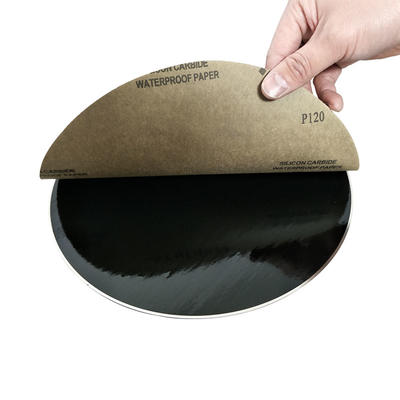
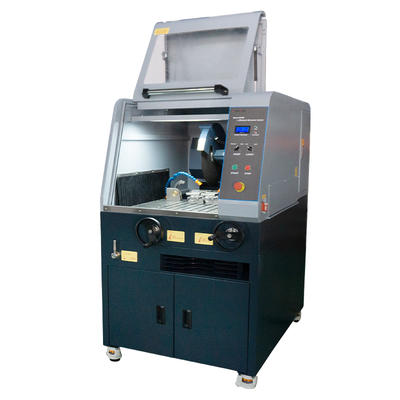
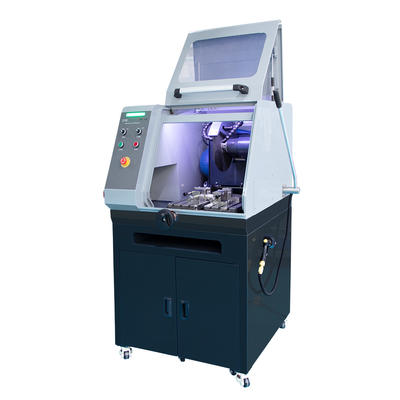
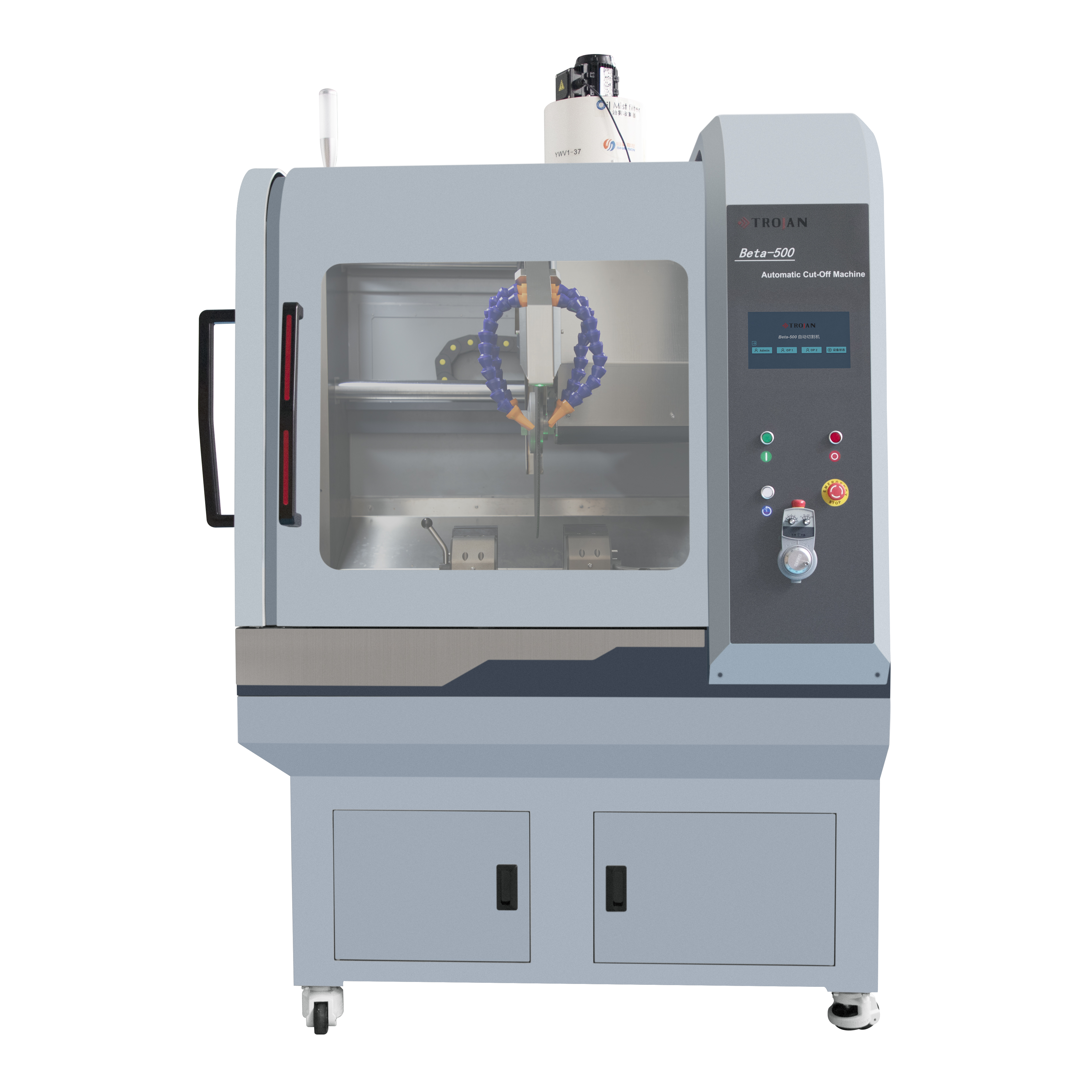

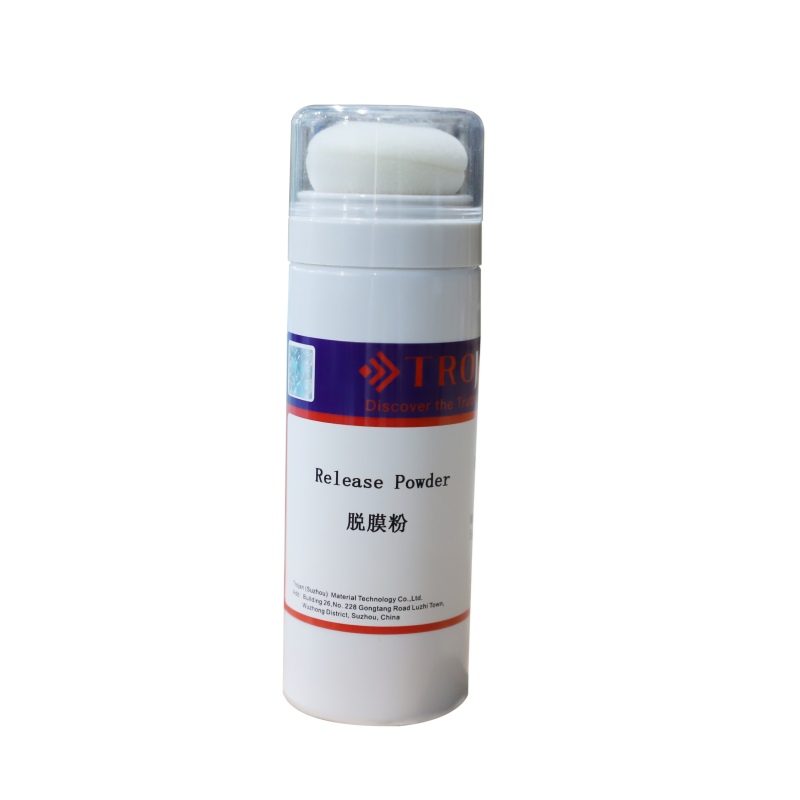
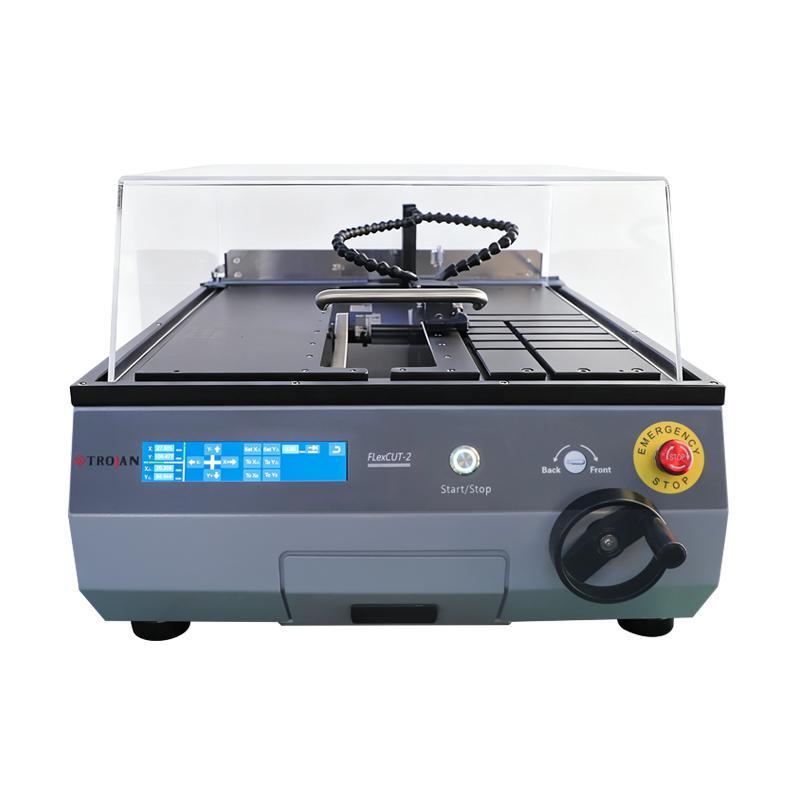

Based in China, TROJAN pays attention to the international market, and has sold metallographic equipment to more than 50 countries, such as Europe, America, Japan and South Korea, Southeast Asia countries and regions


