
 英语
英语 西班牙语
西班牙语 德语
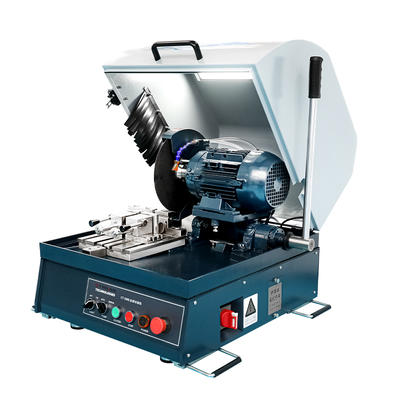
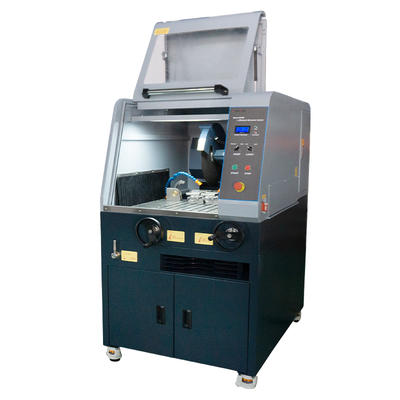
德语CT-250S/CT-250V Manual Sectioning Machine
CT-250S/250V is a manual sectioning machine designed with safety and environmental principles in min...
We use first- and third-party cookies including other tracking technologies from third party publishers to give you the full functionality of our website, to customize your user experience, perform analytics and deliver personalized advertising on our websites, apps and newsletters across internet and via social media platforms. For that purpose, we collect information about user, browsing patterns and device.
By clicking "Accept All Cookies", you accept this, and agree that we share this information with third parties, such as our advertising partners. If you prefer, you can choose to continue with "Only Required Cookies". But keep in mind that blocking some types of cookies may impact how we can deliver tailored content that you might like.
For more information and to customize your options, click on "Cookie settings". If you want to learn more about cookies and why we use them, visit our Cookie Policy page at any time. Cookie Policy

As a star coating in the field of catalysis, cuprous oxide (Cu₂O) coating is a typical p-type semiconductor with a band gap of approximately 2.2 eV. It can absorb visible light to initiate catalytic reactions, and is widely used in organic pollutant degradation, water splitting for hydrogen production, and other applications. Its catalytic activity directly depends on the microstructure and quality of the coating. Coatings prepared by electrochemical deposition, chemical reduction, and other methods can adhere tightly to the substrate and provide sufficient active sites for catalytic reactions.
Metallographic analysis serves as a key method to control the quality of catalytic-grade cuprous oxide coatings. Through metallographic observation, we can accurately measure coating thickness, grain size, and phase composition, and detect defects such as pores, cracks, and cupric oxide inclusions. These defects reduce active sites and coating adhesion, directly leading to lower catalytic efficiency and coating delamination failure. Reliable metallographic testing verifies the rationality of preparation processes, optimizes coating microstructure, and ensures stable catalytic performance from the source. It is an essential quality control step in the mass production and application of catalytic-grade Cu₂O coatings.
Metallographic Sample Preparation Procedure for Cu₂O Coatings
1️⃣ Grind with P400 metallographic sandpaper disc to remove cutting deformation and flatten the surface.
2️⃣ Perform fine grinding with P800 and P2000 metallographic sandpapers.
3️⃣ Rough polishing: SC-JP polishing cloth + 9 μm PD-WT polishing suspension.
4️⃣ Intermediate polishing: SC-JP polishing cloth + 3 μm PD-WT polishing suspension.
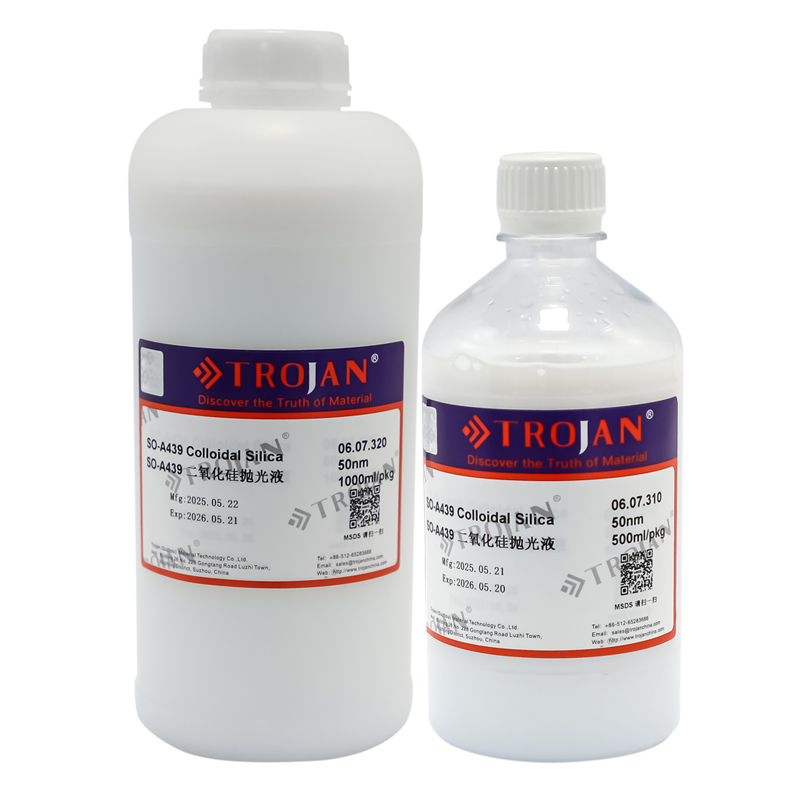
5️⃣ Final polishing: ZN-ZP polishing cloth + AO-A439 polishing suspension.
#MetallographicEquipment #AutomaticGrindingPolishing #Metallography #TROJAN #MaterialTesting
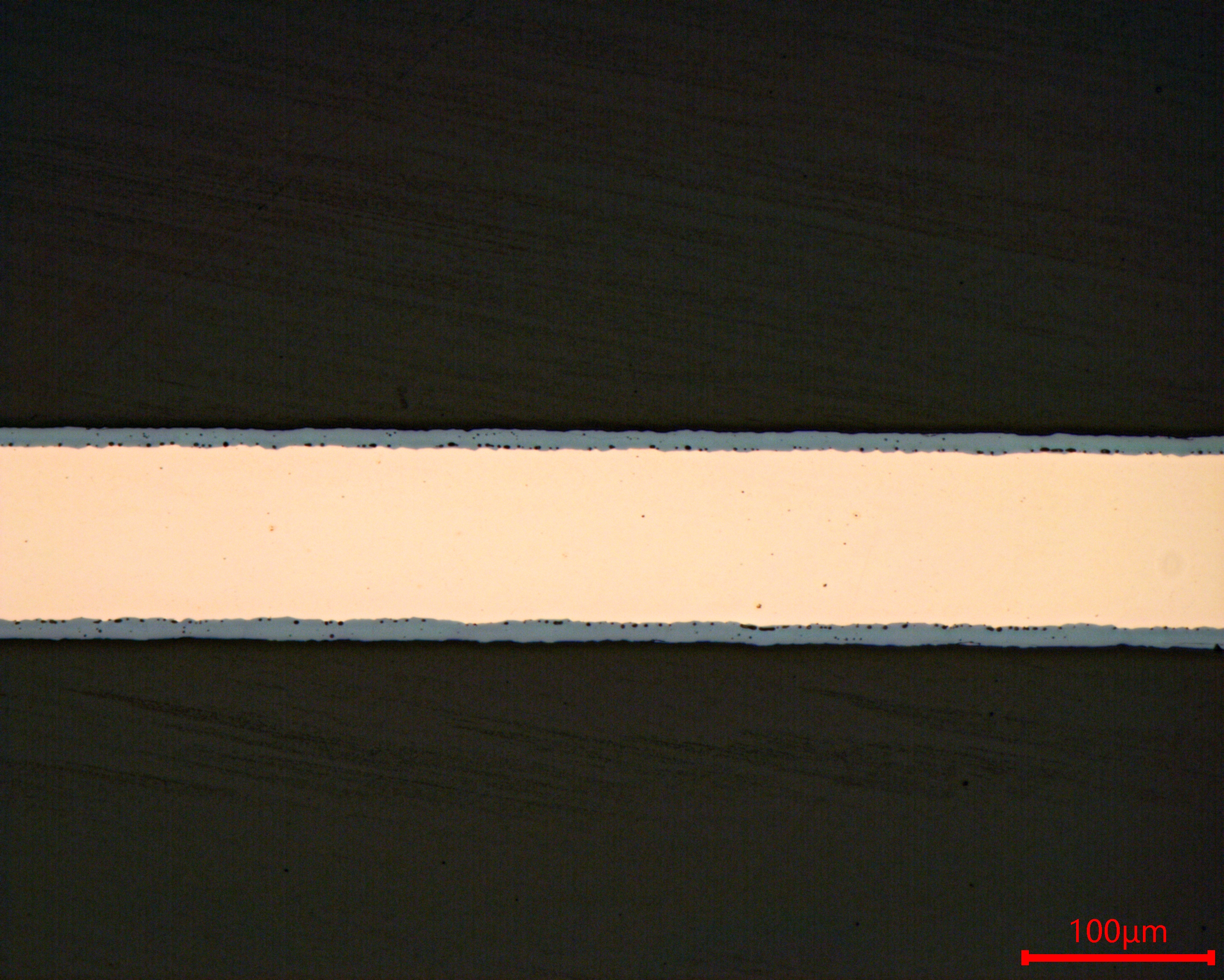
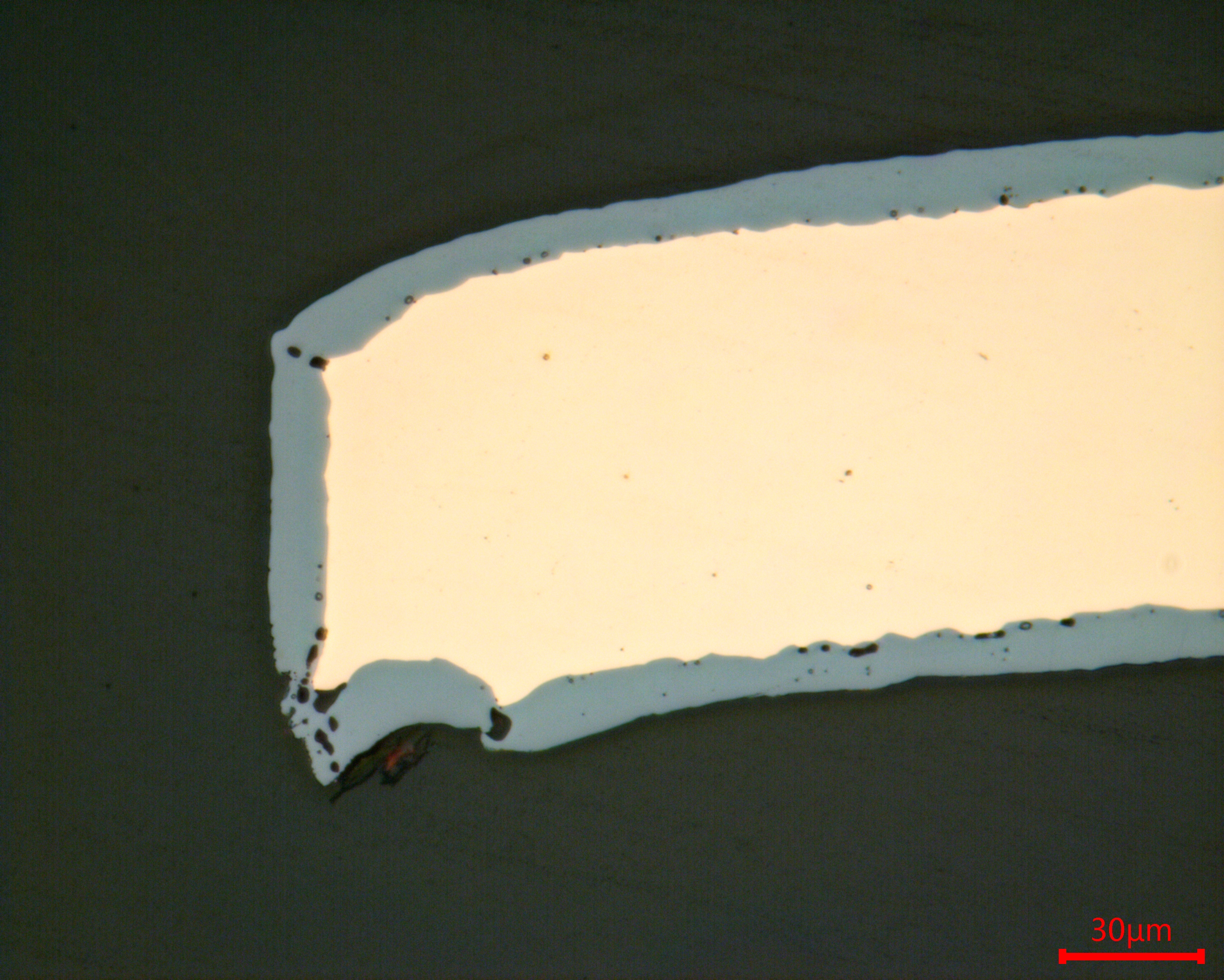
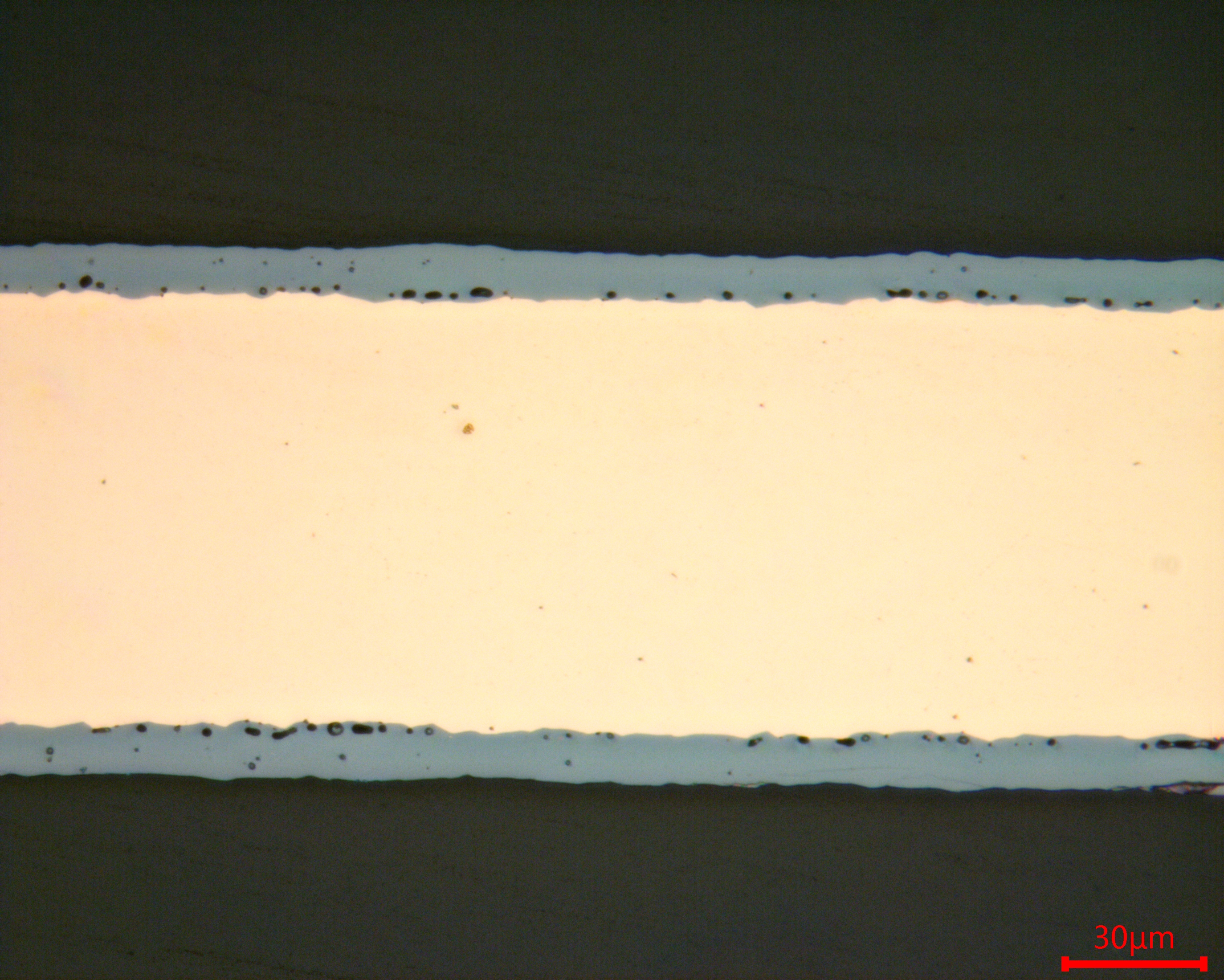
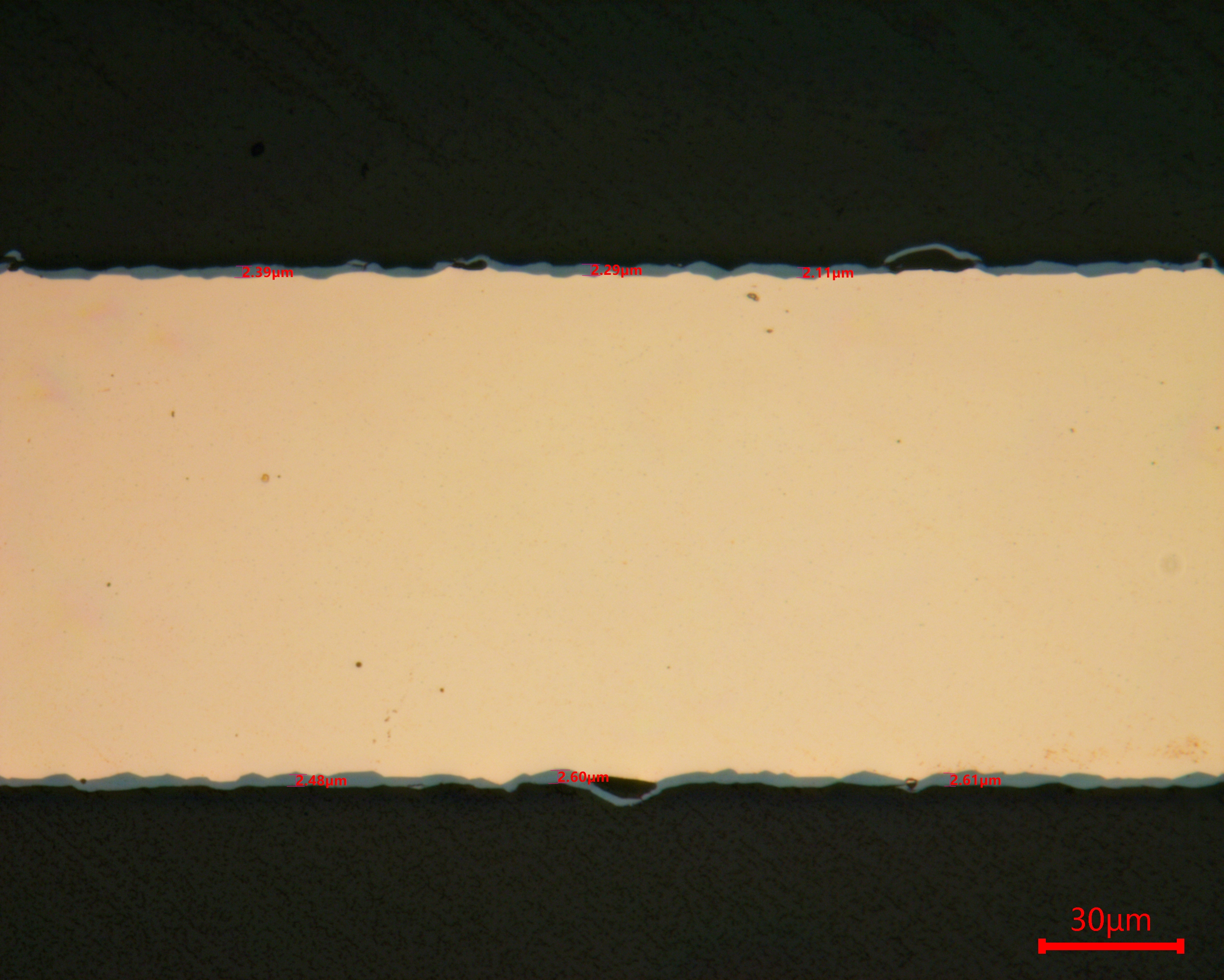
.jpg?imageView2/2/w/400/format/jpg/q/75 "Abrasive Wheels")
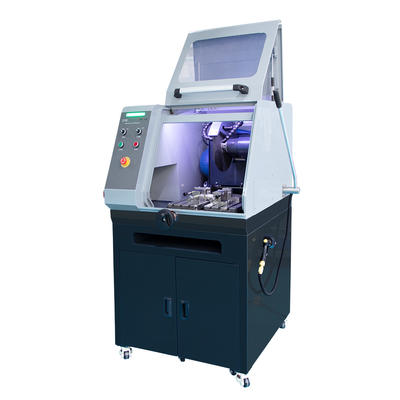
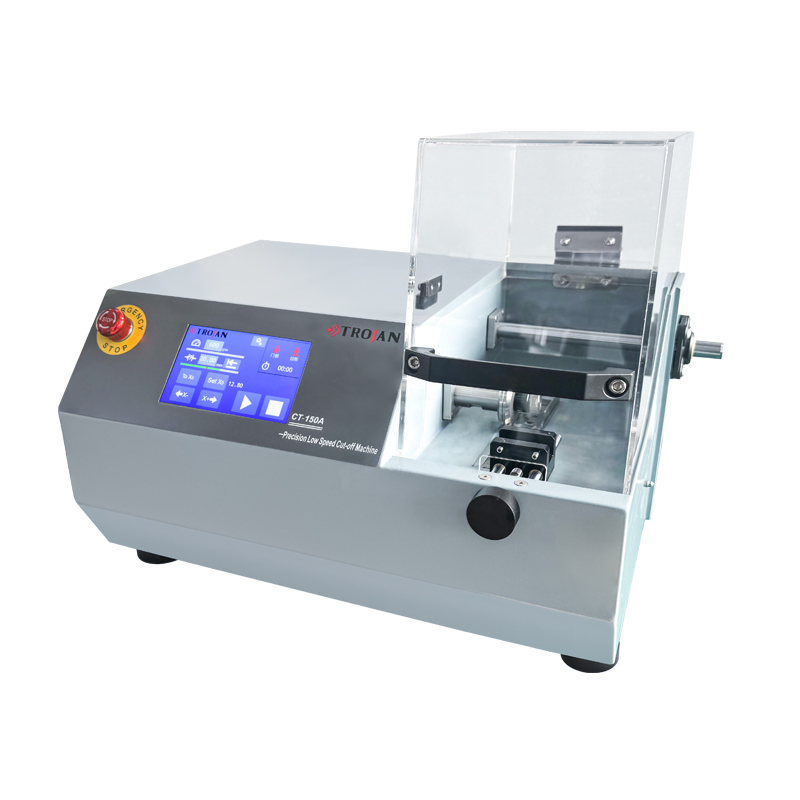
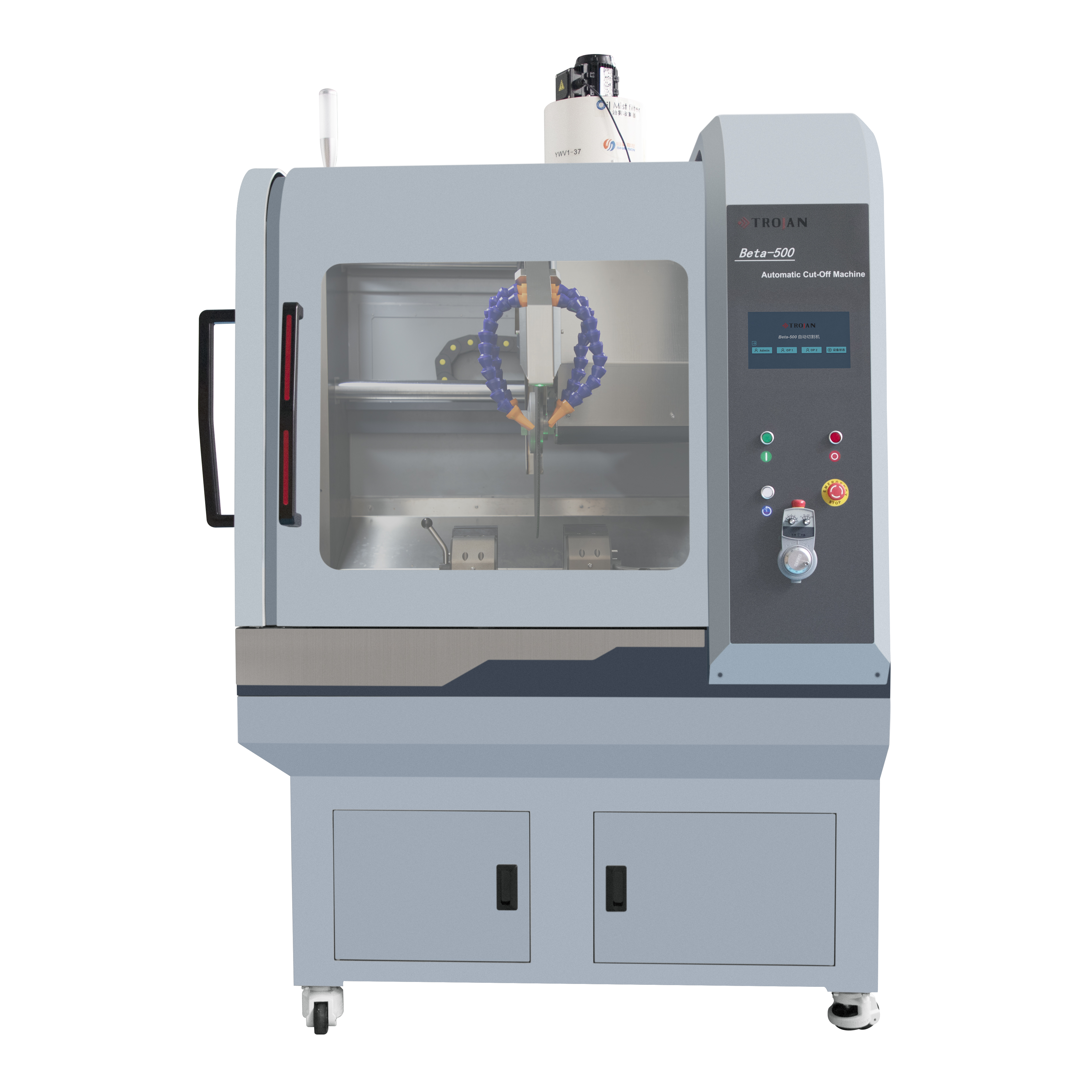

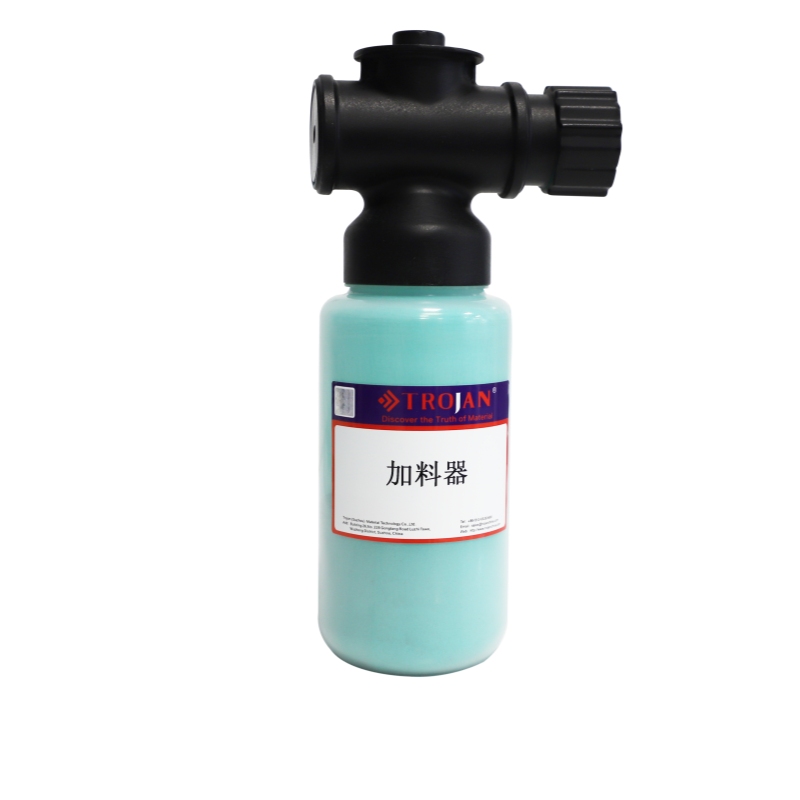

Based in China, TROJAN pays attention to the international market, and has sold metallographic equipment to more than 50 countries, such as Europe, America, Japan and South Korea, Southeast Asia countries and regions


