
 英语
 西班牙语
 德语
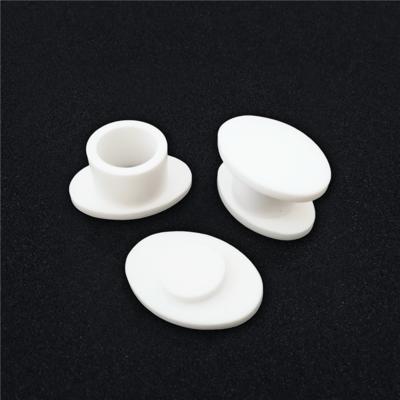
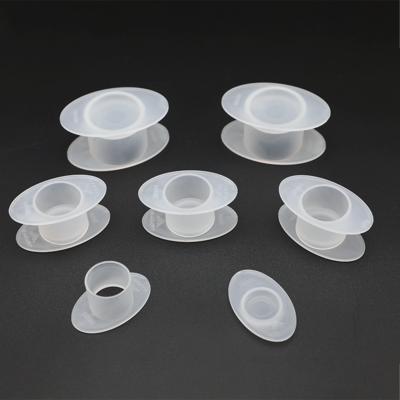
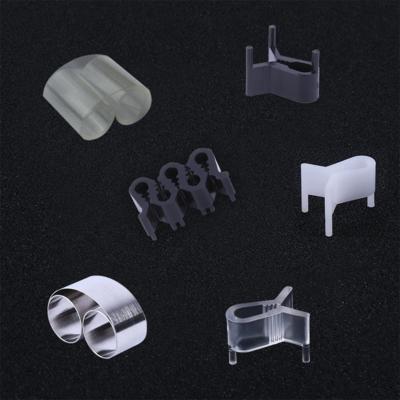
Disposable Sample Cups
product manual
Used for cold curing.
We use first- and third-party cookies including other tracking technologies from third party publishers to give you the full functionality of our website, to customize your user experience, perform analytics and deliver personalized advertising on our websites, apps and newsletters across internet and via social media platforms. For that purpose, we collect information about user, browsing patterns and device.
By clicking "Accept All Cookies", you accept this, and agree that we share this information with third parties, such as our advertising partners. If you prefer, you can choose to continue with "Only Required Cookies". But keep in mind that blocking some types of cookies may impact how we can deliver tailored content that you might like.
For more information and to customize your options, click on "Cookie settings". If you want to learn more about cookies and why we use them, visit our Cookie Policy page at any time. Cookie Policy

Selective laser melting (SLM) offers significant potential for producing Cu-Ni alloys for marine equipment and heat-exchange components, thanks to their corrosion resistance and thermal conductivity.
However, the relatively soft, ductile material and potential microcracks along melt pool boundaries make high-quality EBSD sample preparation challenging. Surface deformation, residual stress, and charging during SEM examination can compromise EBSD pattern quality and data acquisition.



TROJAN provides an integrated preparation workflow combining TJ2227 conductive epoxy resin, Alpha-610 Automatic Grinder & Polisher, and VP-430 vibratory polishing.
The prepared surface reveals linear microdefects associated with the printed material, providing a basis for investigating grain orientation, melt pool microstructure, and defect distribution.
Reliable sample preparation is an important step toward meaningful EBSD characterization and better understanding of additive-manufactured materials.
#EBSD #AdditiveManufacturing #SLM #CopperNickelAlloy #Metallography #SamplePreparation #MaterialsCharacterization #TrojanMetallographic



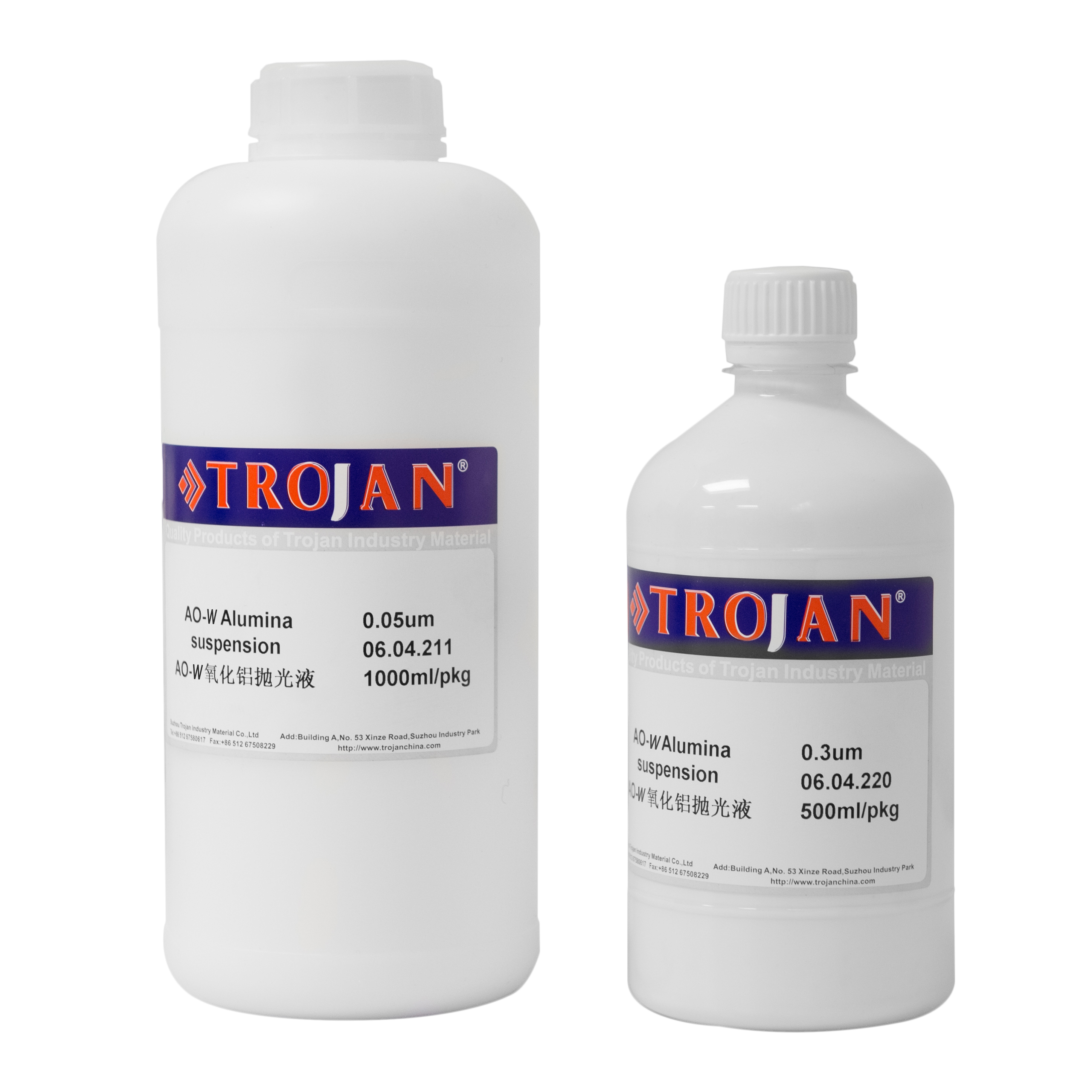

Based in China, TROJAN pays attention to the international market, and has sold metallographic equipment to more than 50 countries, such as Europe, America, Japan and South Korea, Southeast Asia countries and regions


