 英语
英语 西班牙语
西班牙语 德语
德语
Bronze mirrors of the Han Dynasty mark the pinnacle of ancient Chinese mirror casting craftsmanship, evolving through three distinct phases: Early & mid-Western Han inherited techniques from the Warring States Period before forming a unique minimalist aesthetic. From the late Western Han to the Wang Mang reign, geometric TLV pattern mirrors and blessing inscriptions became mainstream, establishing the classic shape and cultural design language of Han mirrors. The Eastern Han era saw divergent northern and southern styles, with high-relief pictorial mirrors dominating and pushing casting art and aesthetics to new heights.
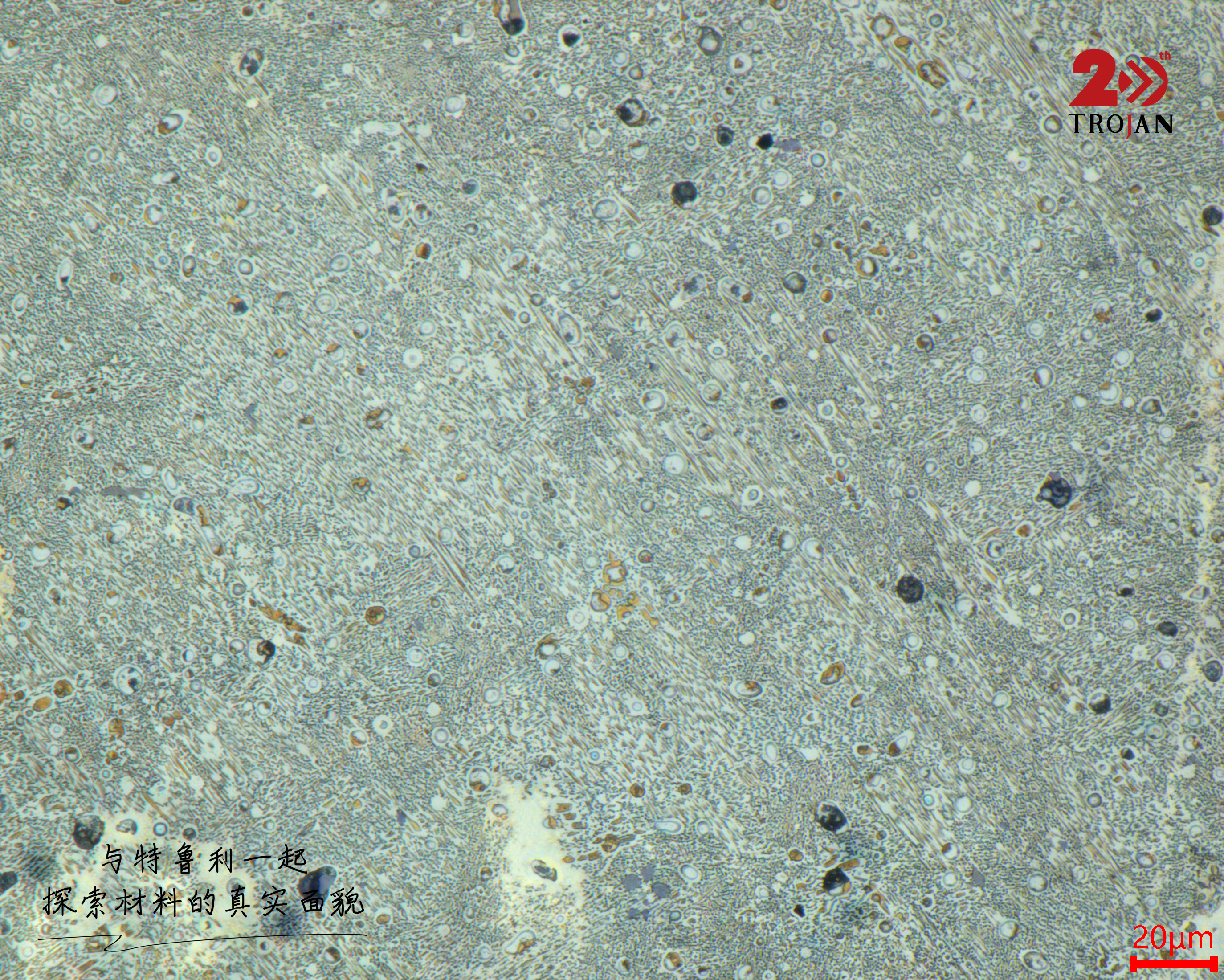
These artifacts embody the finest metallurgy and artistic taste of the Han people. Modern metallographic preparation unlocks their ancient manufacturing secrets, revealing extraordinary ancient metallurgical wisdom.
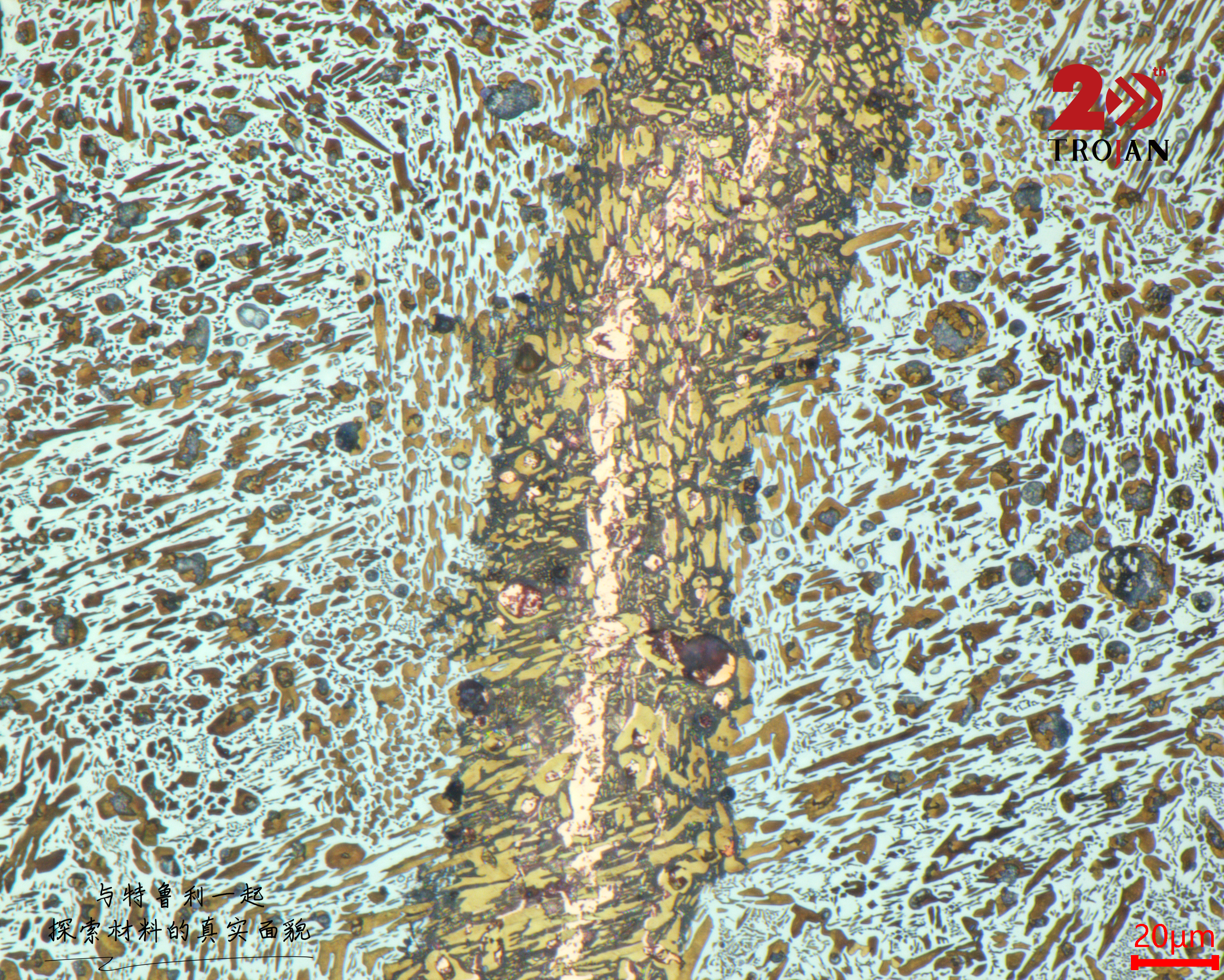
Han bronze mirrors are tin-lead-rich bronze alloys, bringing multiple challenges for sample prep: Long-term underground burial leaves porous, fragile corroded surface layers that peel and delaminate easily during grinding. Hard tin-rich phases and soft lead phases inside the substrate have a massive hardness gap, resulting in deep scratches and plastic deformation during rough grinding. Frictional heat generated by grinding also damages corrosion boundaries, blurring the interface between base metal and rust layers.
Optimized Preparation Solutions
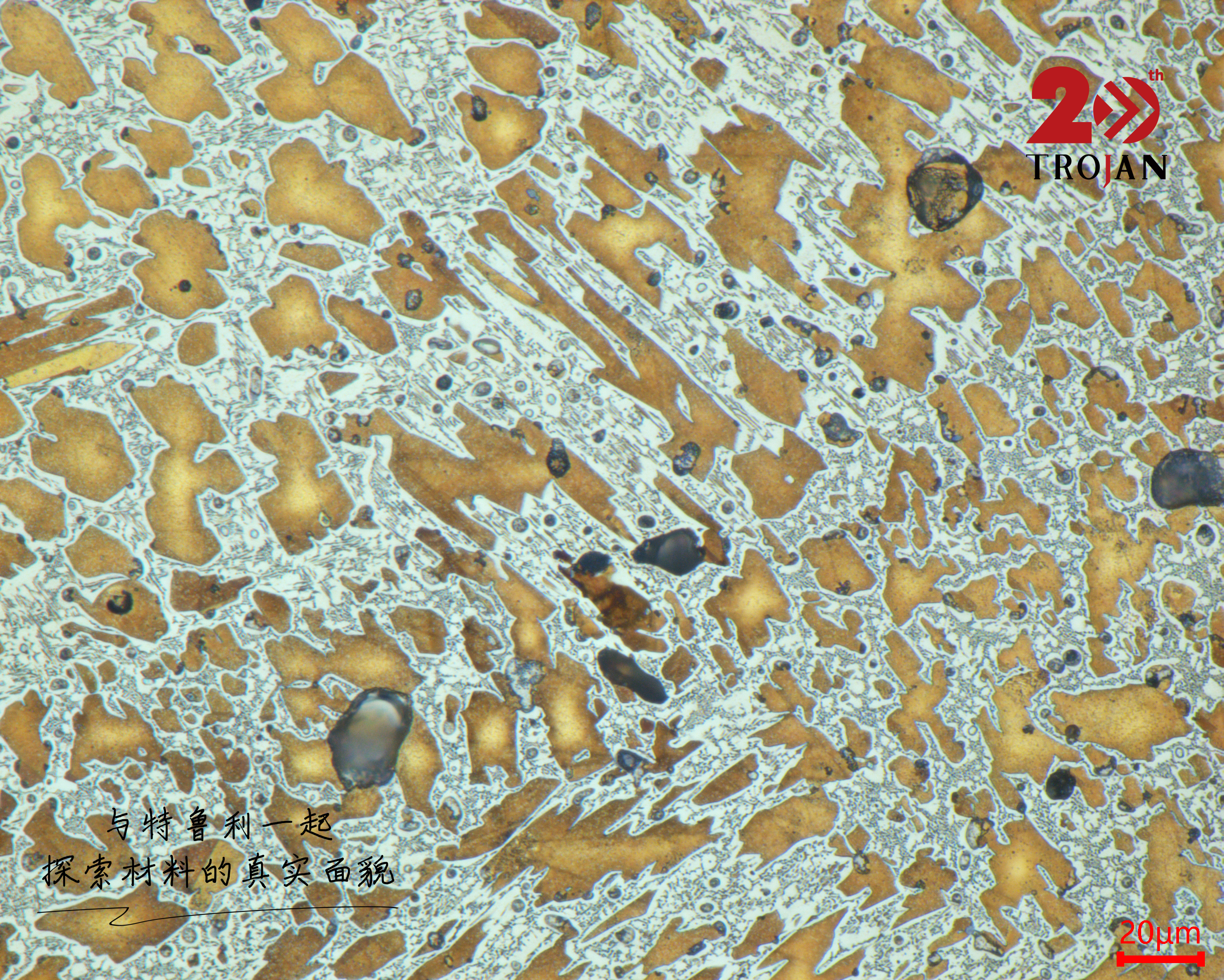
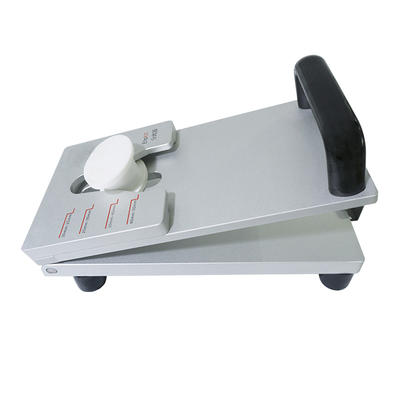
- Cold mounting with TJ2226 cold resin to fully encapsulate and reinforce fragile corroded edges
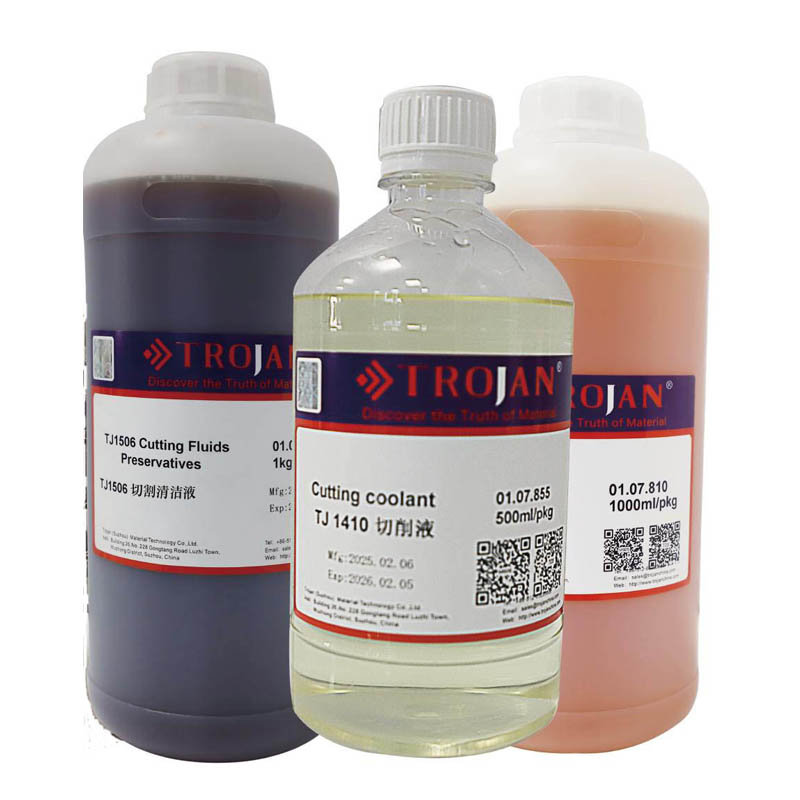
- Sequential fine abrasive papers with light pressure & short grinding cycles, plus continuous water cooling to control heat buildup
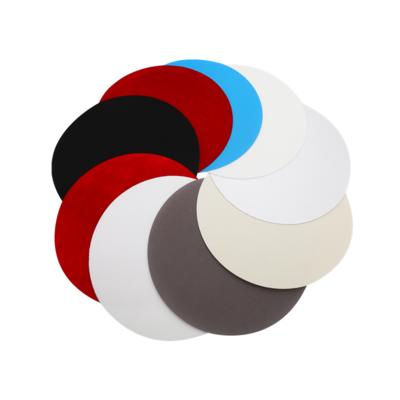
- Soft silk polishing cloths to minimize material deformation
Full Metallographic Processing Parameters
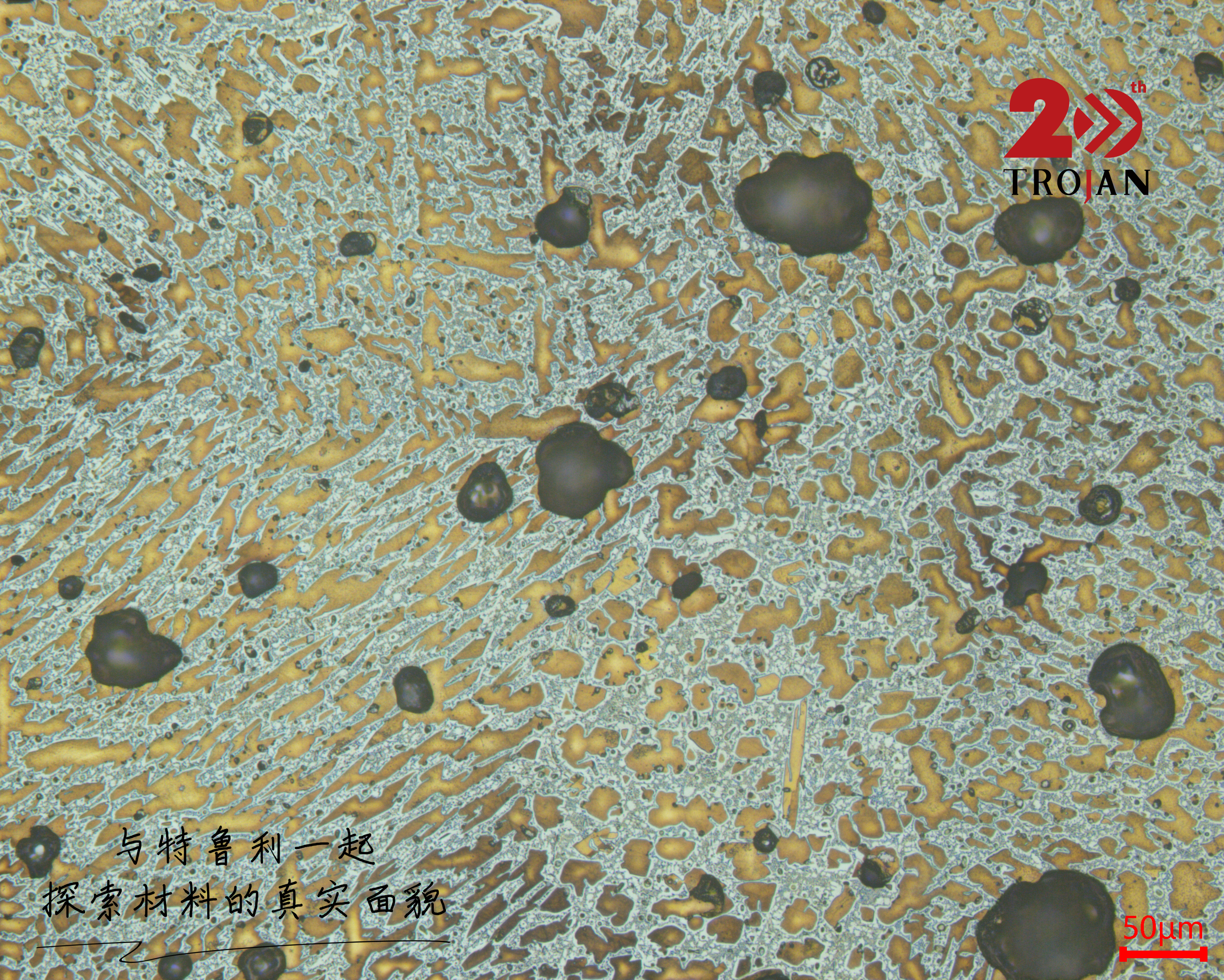
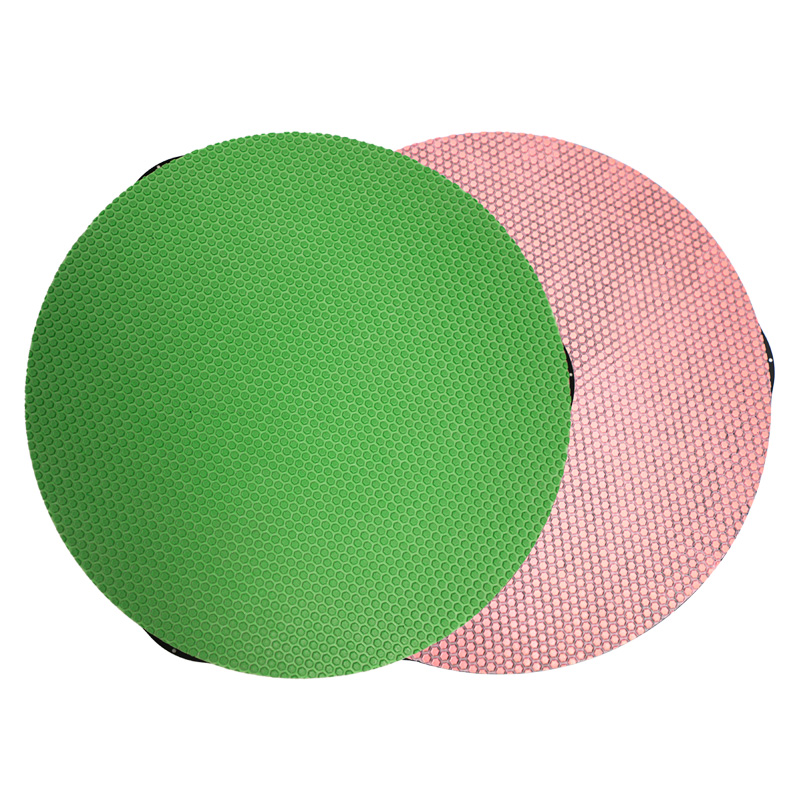
- Rough Grinding: MET-SP P800 abrasive paper
- Fine Grinding: POS + 9μm PD-WT suspension
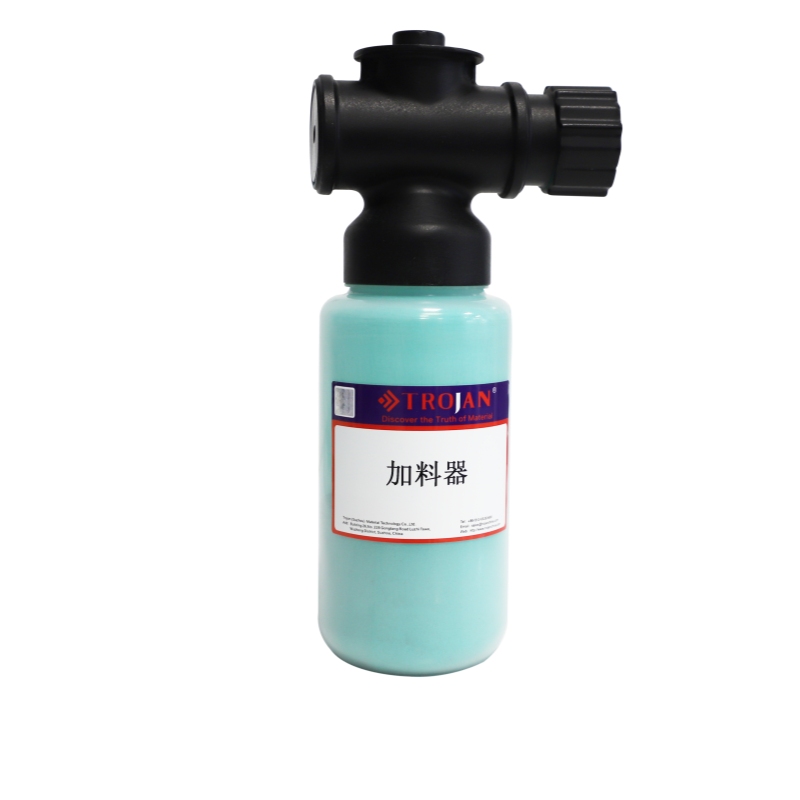
- Rough Polishing: SC + 3μm PD-WT suspension
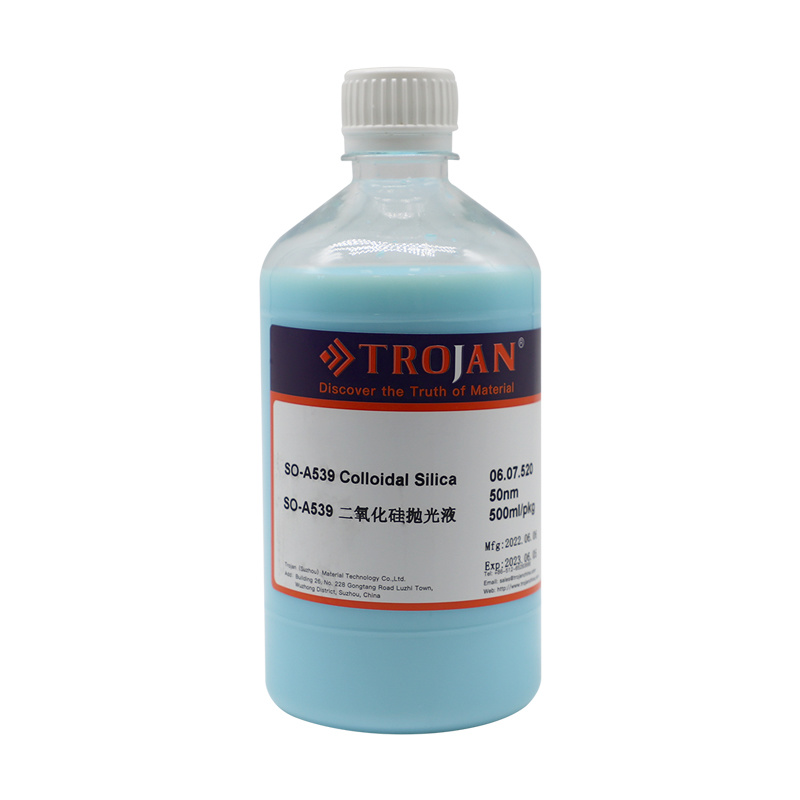
- Final Polishing: ZN + 50nm SO-439 polishing fluid
#Trojan #Trojanmetallography #Metallography #AncientBronzeAnalysis #HanDynastyMirror #ArchaeologicalSamplePrep #CulturalRelicTesting #MetallographicConsumables
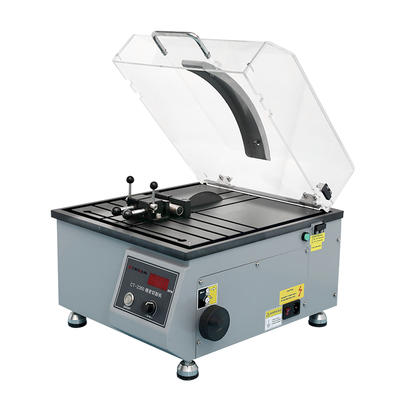
.jpg?imageView2/2/w/400/format/jpg/q/75 "Abrasive Wheels")
.jpg?imageView2/2/w/400/format/jpg/q/75 "MD-WT Monocrystalline Diamond Suspension")