
 英语
 西班牙语
 德语
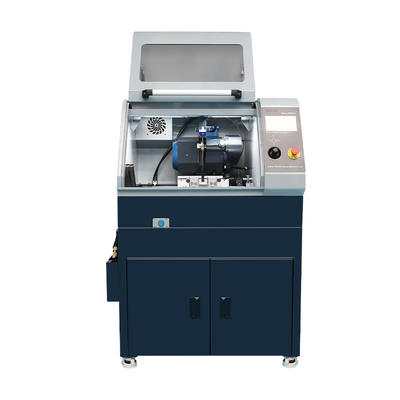
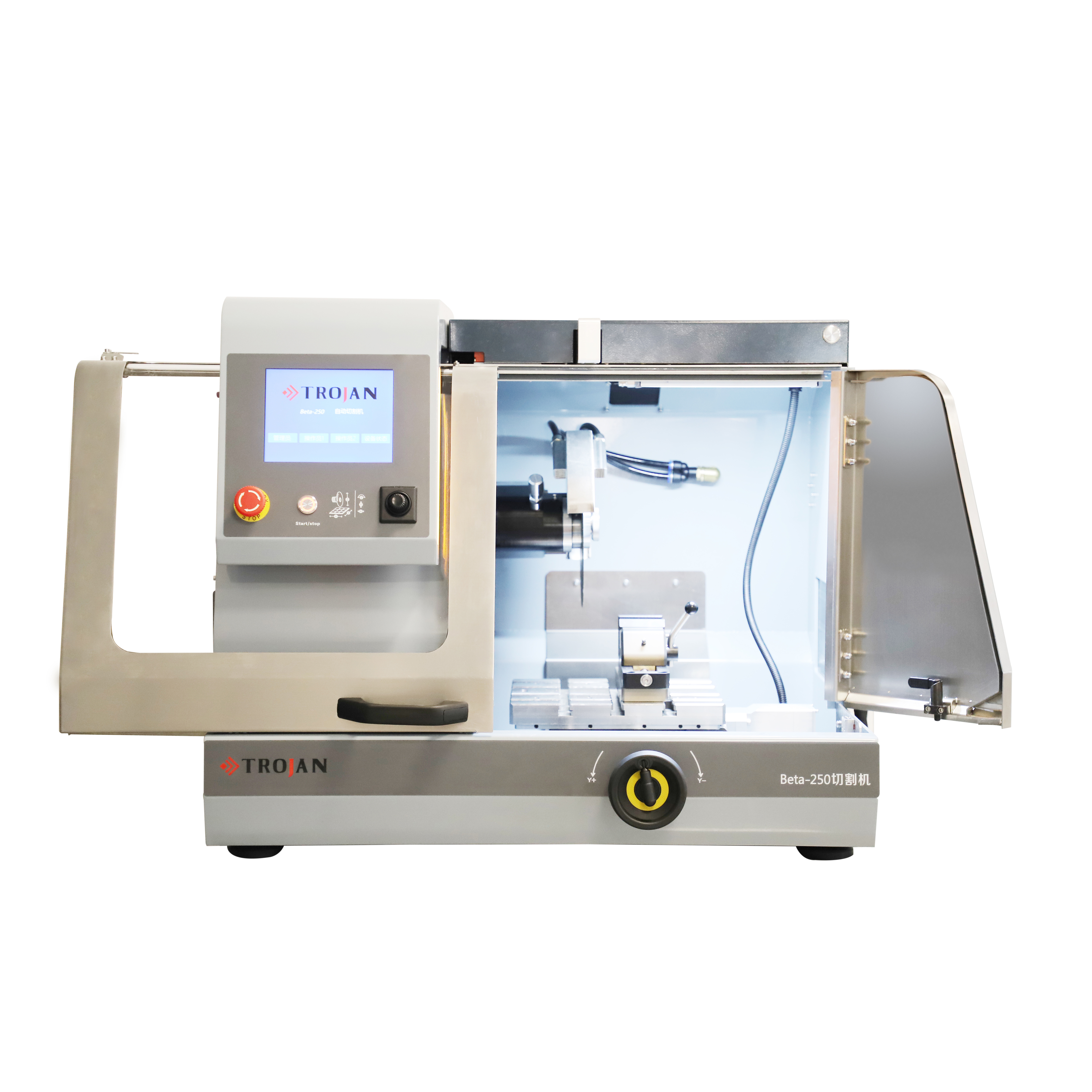
Beta-300Pro Automatic Abrasive Sectioning Machine
Beta-300Pro is a fully automatic vertical metallographic cutting machine. It utilizes advanced intel...
We use first- and third-party cookies including other tracking technologies from third party publishers to give you the full functionality of our website, to customize your user experience, perform analytics and deliver personalized advertising on our websites, apps and newsletters across internet and via social media platforms. For that purpose, we collect information about user, browsing patterns and device.
By clicking "Accept All Cookies", you accept this, and agree that we share this information with third parties, such as our advertising partners. If you prefer, you can choose to continue with "Only Required Cookies". But keep in mind that blocking some types of cookies may impact how we can deliver tailored content that you might like.
For more information and to customize your options, click on "Cookie settings". If you want to learn more about cookies and why we use them, visit our Cookie Policy page at any time. Cookie Policy

Silicon–carbon composites are promising anode materials for next-generation lithium-ion batteries. However, their porous structure and the coexistence of soft and hard phases make metallographic preparation challenging.
Particle pull-out, pore-related artifacts, surface deformation, and edge damage can compromise microstructural evaluation. A carefully controlled preparation process is essential to preserve the material's original features.
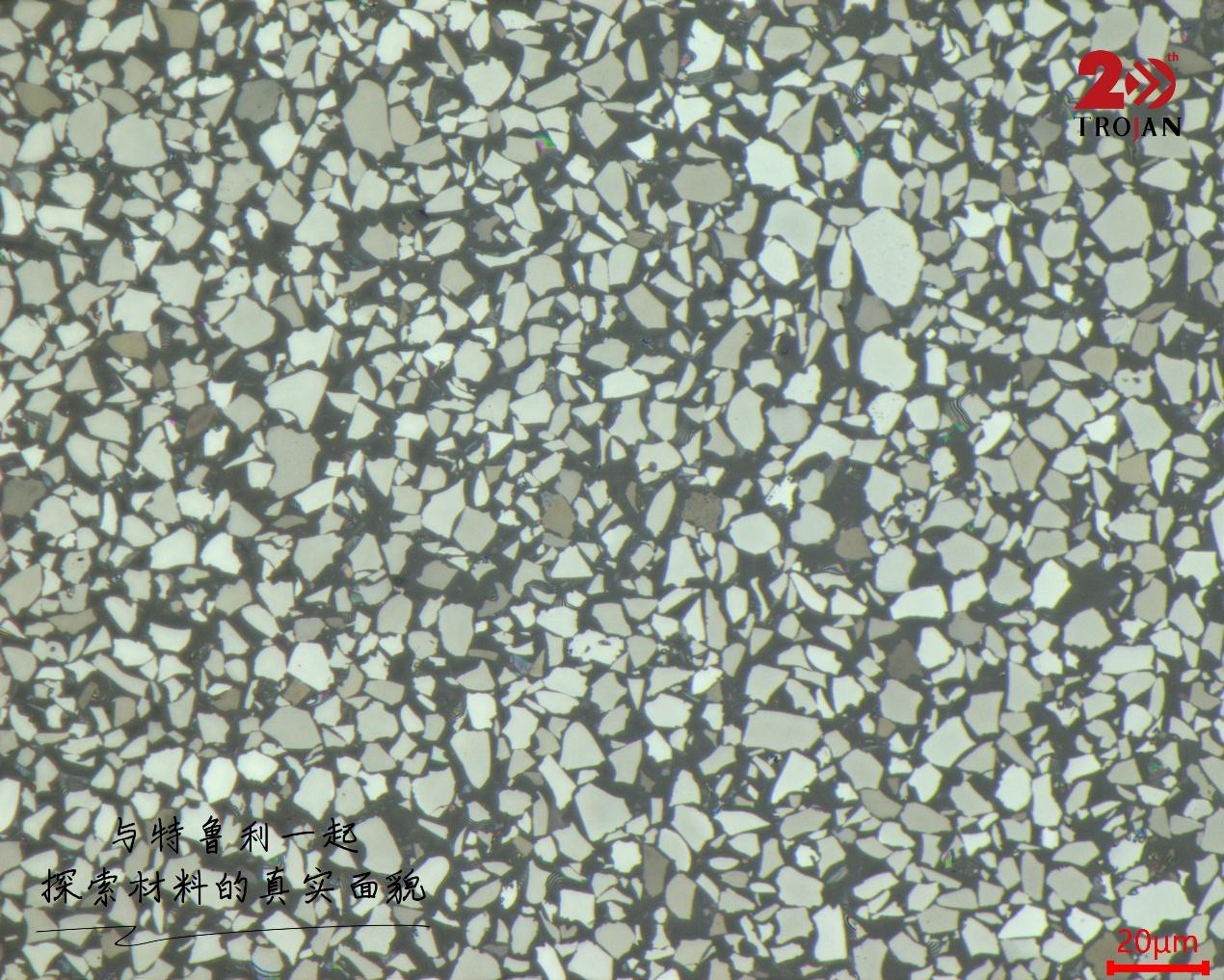
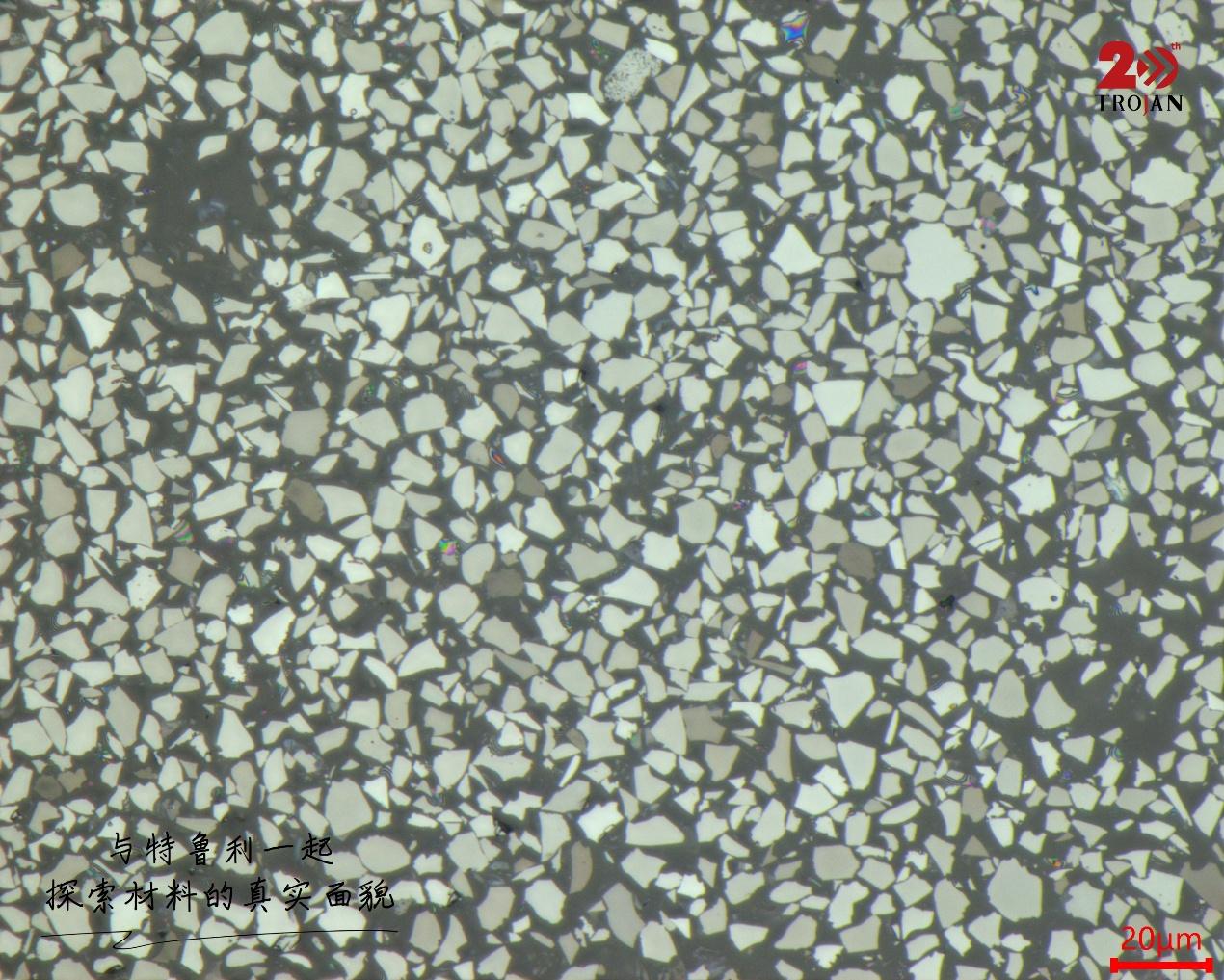
Preparation route:
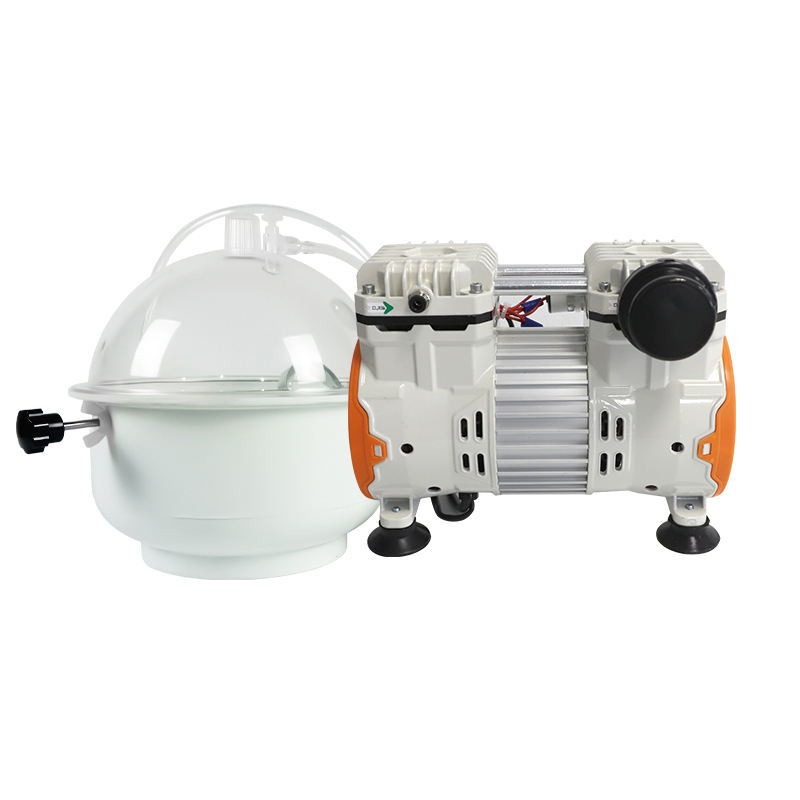
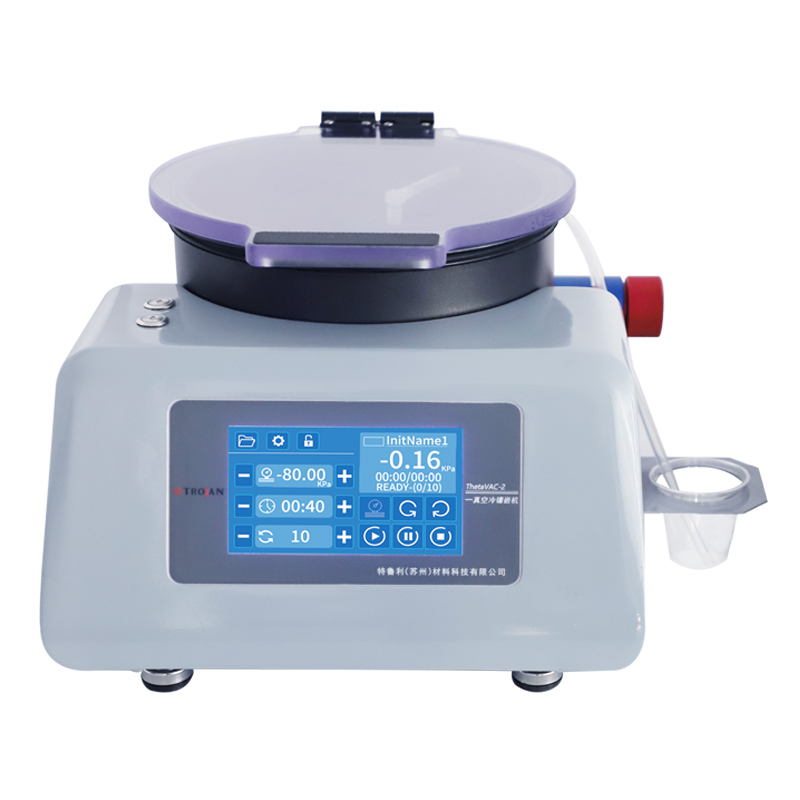
Low-shrinkage cold mounting with vacuum impregnation can help support porous structures, while fine, controlled polishing helps minimize particle damage and preparation-induced artifacts.
For demanding cross-section analysis, additional ion polishing may be considered to reduce mechanical damage before advanced characterization.
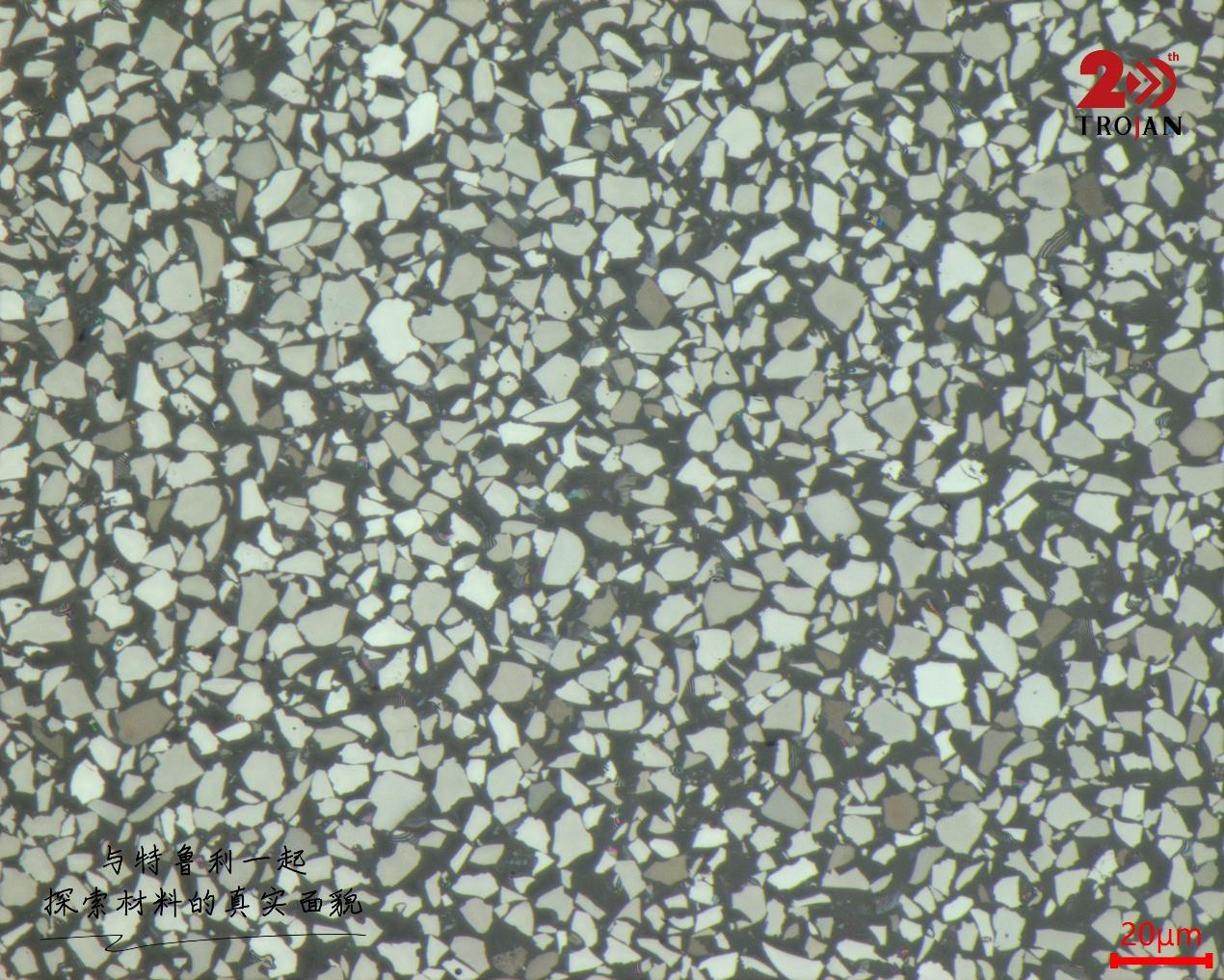
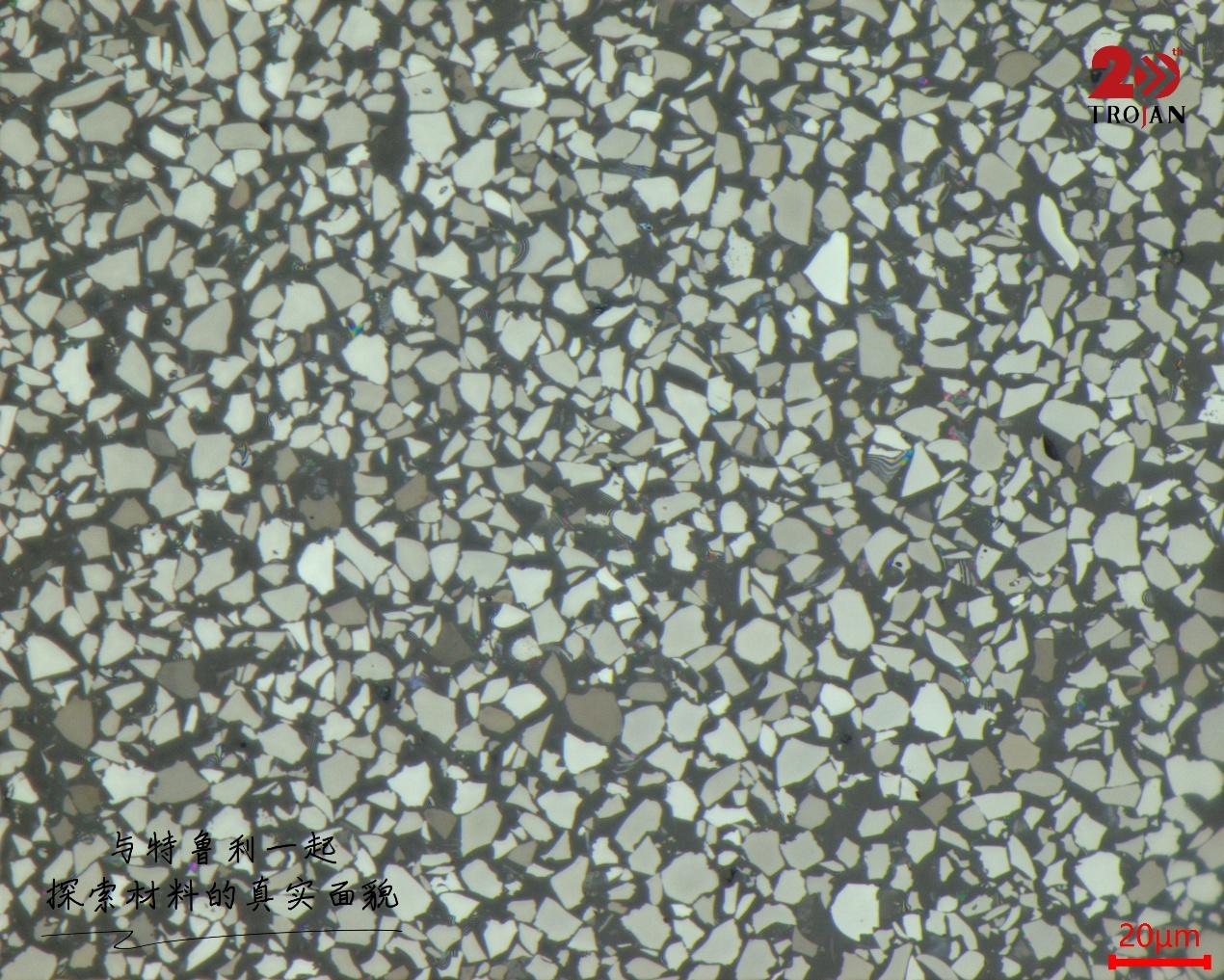
The goal is not simply to achieve a smooth surface, but to preserve the true structure of silicon particles, porous carbon, and the outer carbon coating for reliable microstructural analysis.




Based in China, TROJAN pays attention to the international market, and has sold metallographic equipment to more than 50 countries, such as Europe, America, Japan and South Korea, Southeast Asia countries and regions


