
 英语
英语 西班牙语
西班牙语 德语
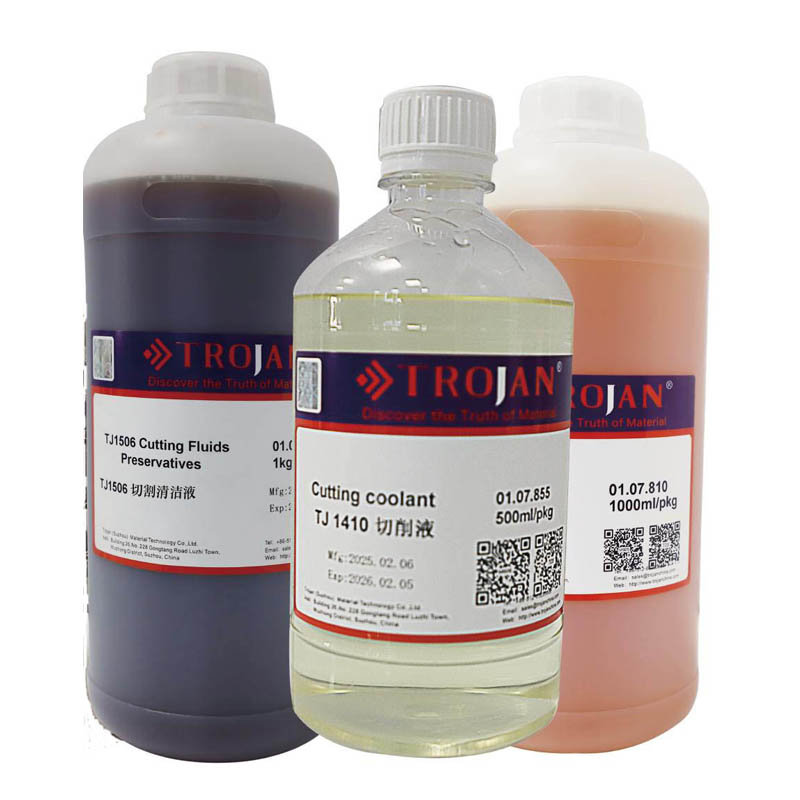
德语Cutting Coolant
Product Description
To achieve optimal cutting results and minimize thermal damage during metallogra...
We use first- and third-party cookies including other tracking technologies from third party publishers to give you the full functionality of our website, to customize your user experience, perform analytics and deliver personalized advertising on our websites, apps and newsletters across internet and via social media platforms. For that purpose, we collect information about user, browsing patterns and device.
By clicking "Accept All Cookies", you accept this, and agree that we share this information with third parties, such as our advertising partners. If you prefer, you can choose to continue with "Only Required Cookies". But keep in mind that blocking some types of cookies may impact how we can deliver tailored content that you might like.
For more information and to customize your options, click on "Cookie settings". If you want to learn more about cookies and why we use them, visit our Cookie Policy page at any time. Cookie Policy

As the core carrier of photovoltaic systems, solar panels have evolved from a niche laboratory technology into the main force driving the global energy transition. Deceptively simple in appearance, they incorporate sophisticated technological fundamentals: tempered glass forms a robust protective barrier, EVA film seals the internal components, silicon-based cells act as the energy heart, and an aluminum alloy frame provides stable support against wind and rain. This layered structure enables highly efficient conversion from light energy to electrical energy.
From the high conversion efficiency of monocrystalline silicon to the cost-effectiveness of polycrystalline silicon, from the widespread adoption of PERC technology to the efficiency breakthroughs of perovskite tandem cells, each iteration of solar panels continues to push the boundaries of clean energy utilization. Requiring no fuel and producing no emissions, solar panels reduce household electricity bills, lower energy costs for industry and commerce, deliver reliable power to remote areas, and cut carbon emissions for the planet.
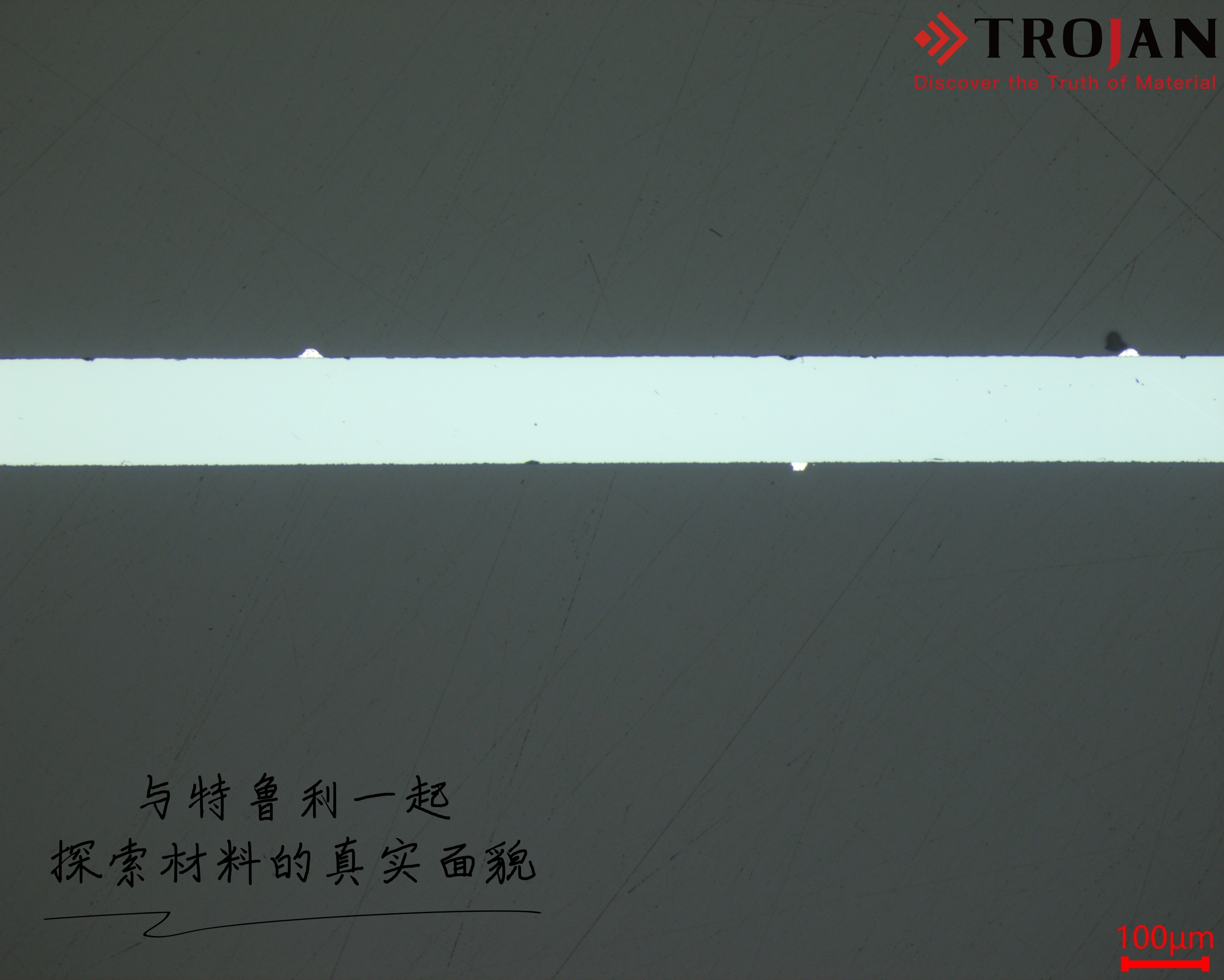
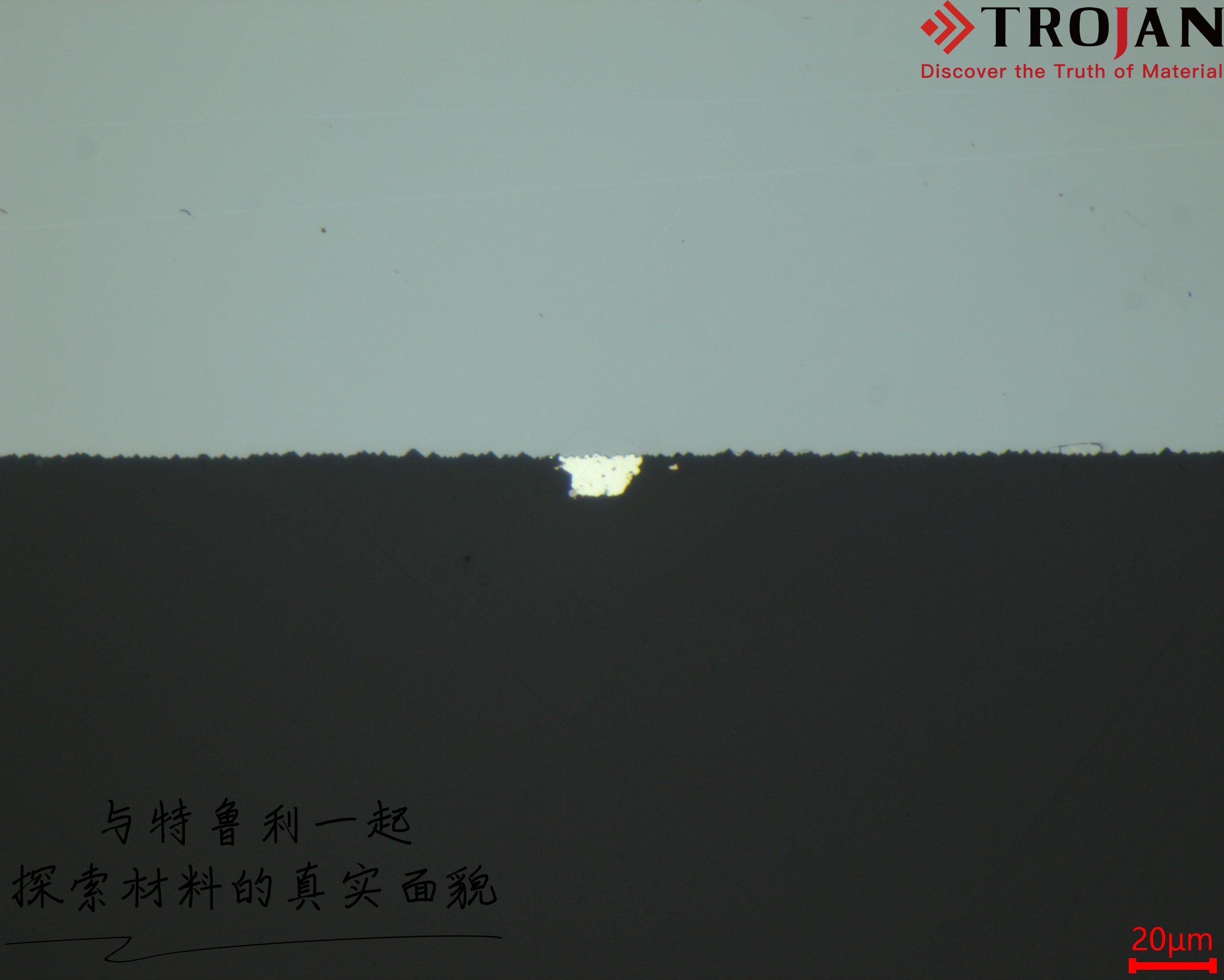
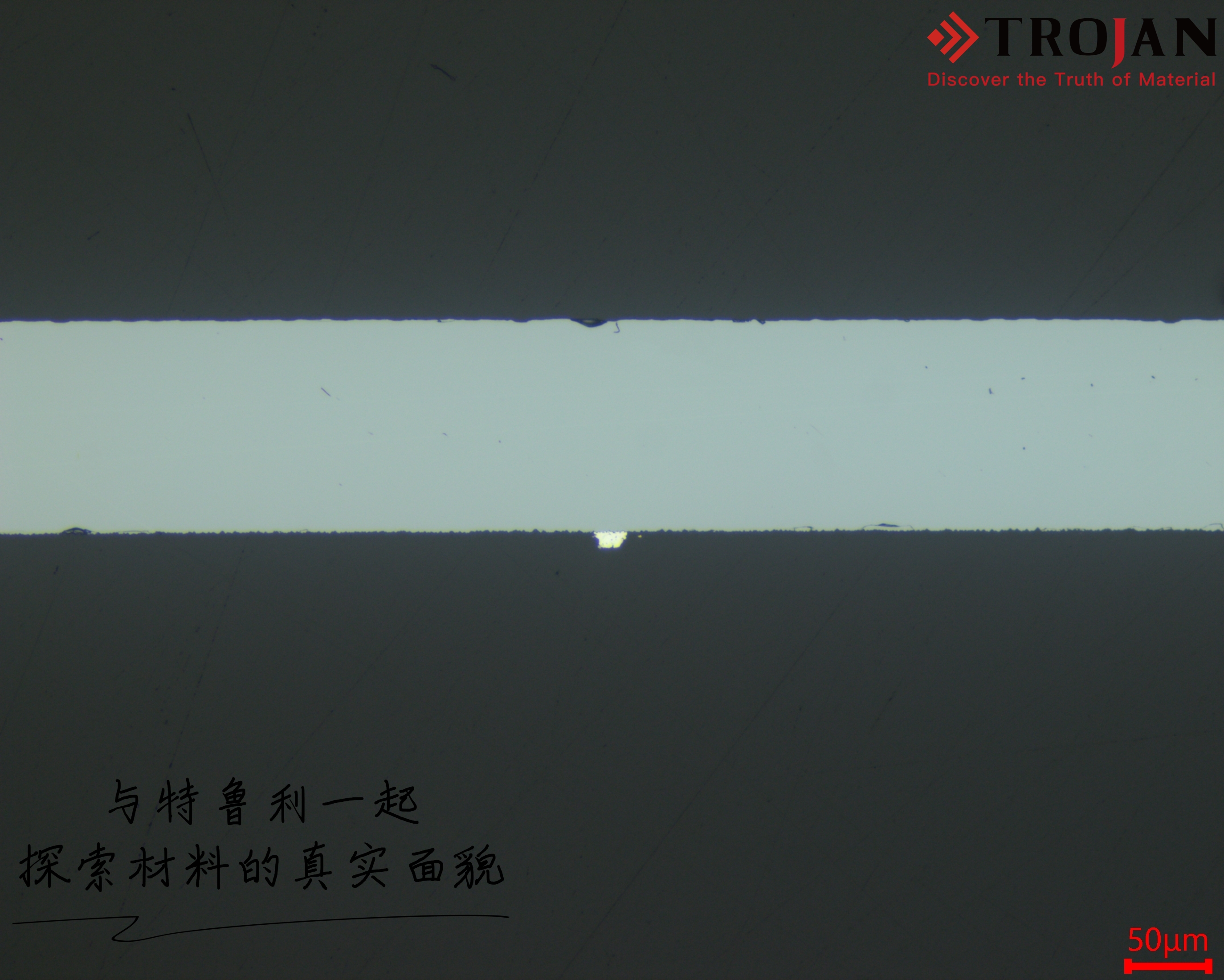
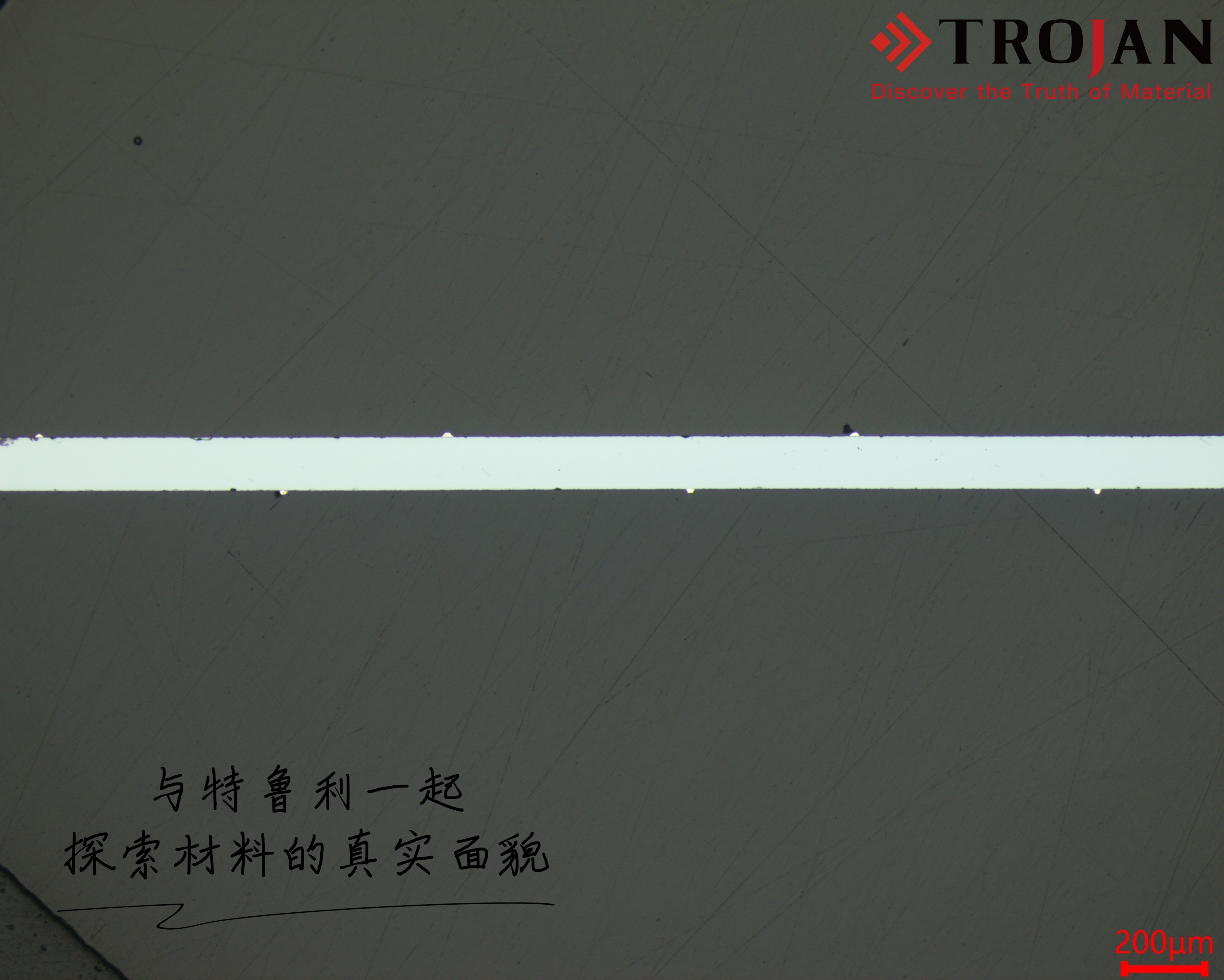
Below are the sample preparation parameters and metallographic effect highlights for silicon-based solar cells:
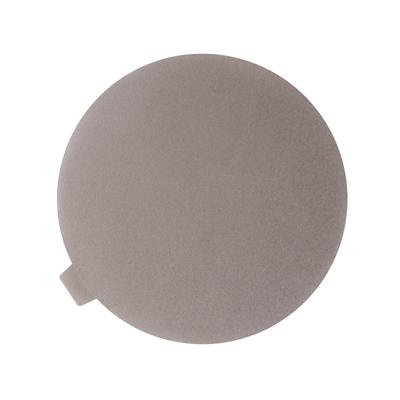
1️⃣ Grinding: MET‑SP P400–4000
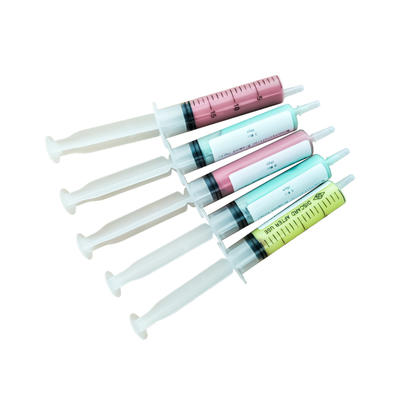
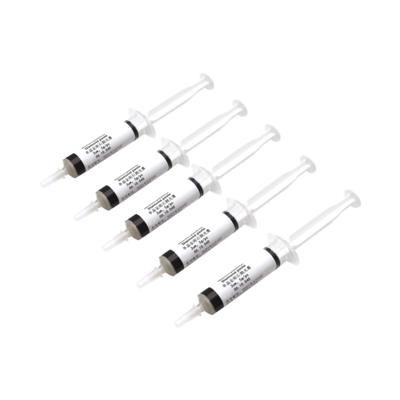
2️⃣ Rough polishing: SC + 3 μm PD‑WT
3️⃣ Fine polishing: SC + 1 μm PD‑WT
4️⃣ Final polishing: ZN + SO‑A439
#Trojan #Metallography #DistributorWanted #GlobalPartnership #LaboratoryEquipment




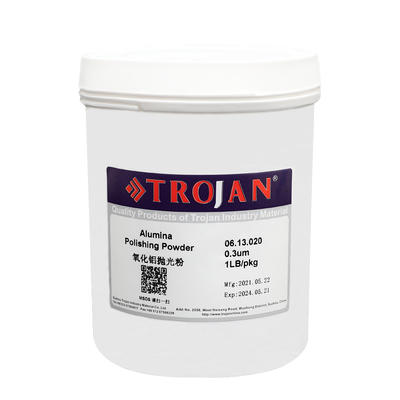
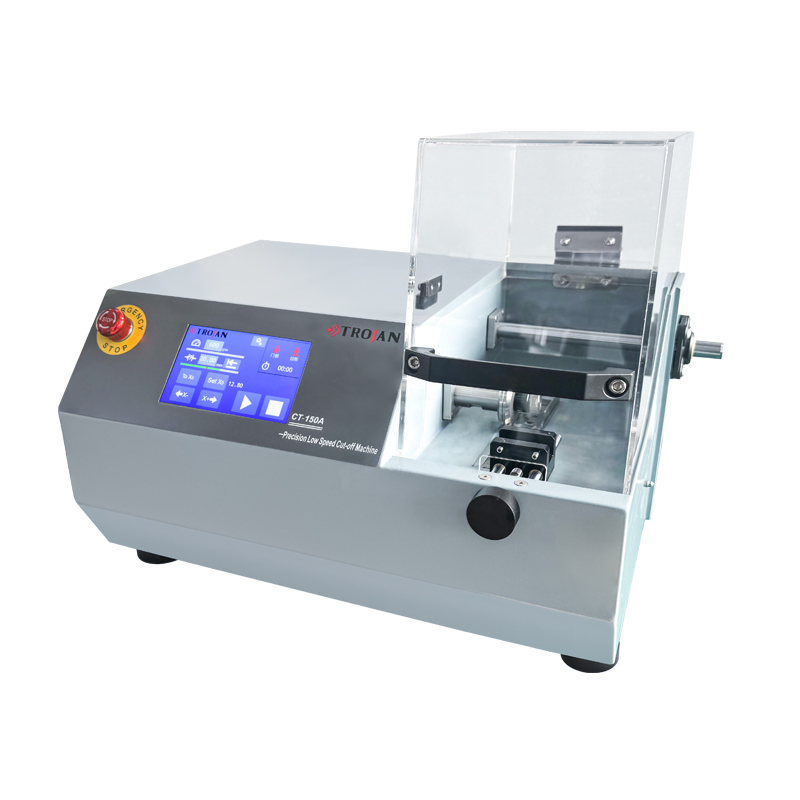
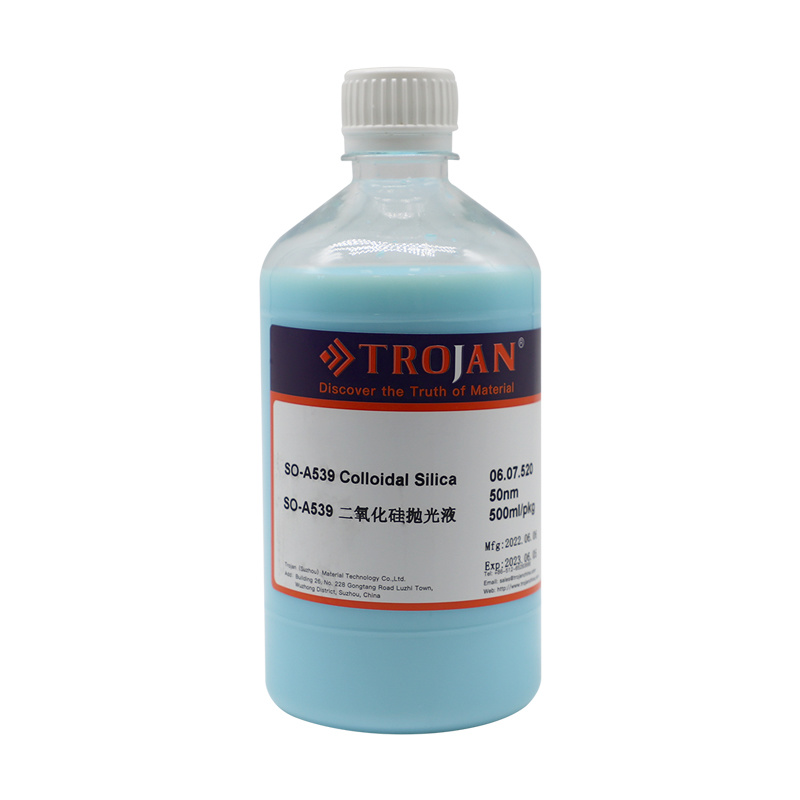

Based in China, TROJAN pays attention to the international market, and has sold metallographic equipment to more than 50 countries, such as Europe, America, Japan and South Korea, Southeast Asia countries and regions


