 英语
英语 西班牙语
西班牙语 德语
德语CT-2300 Manual Cut-off Machine
Product Description
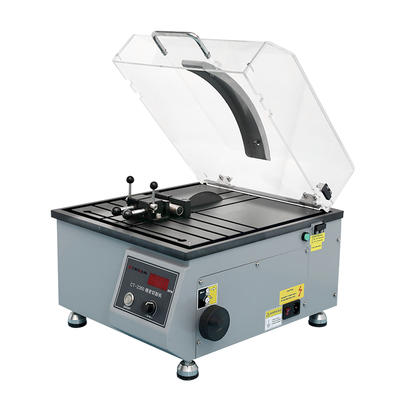
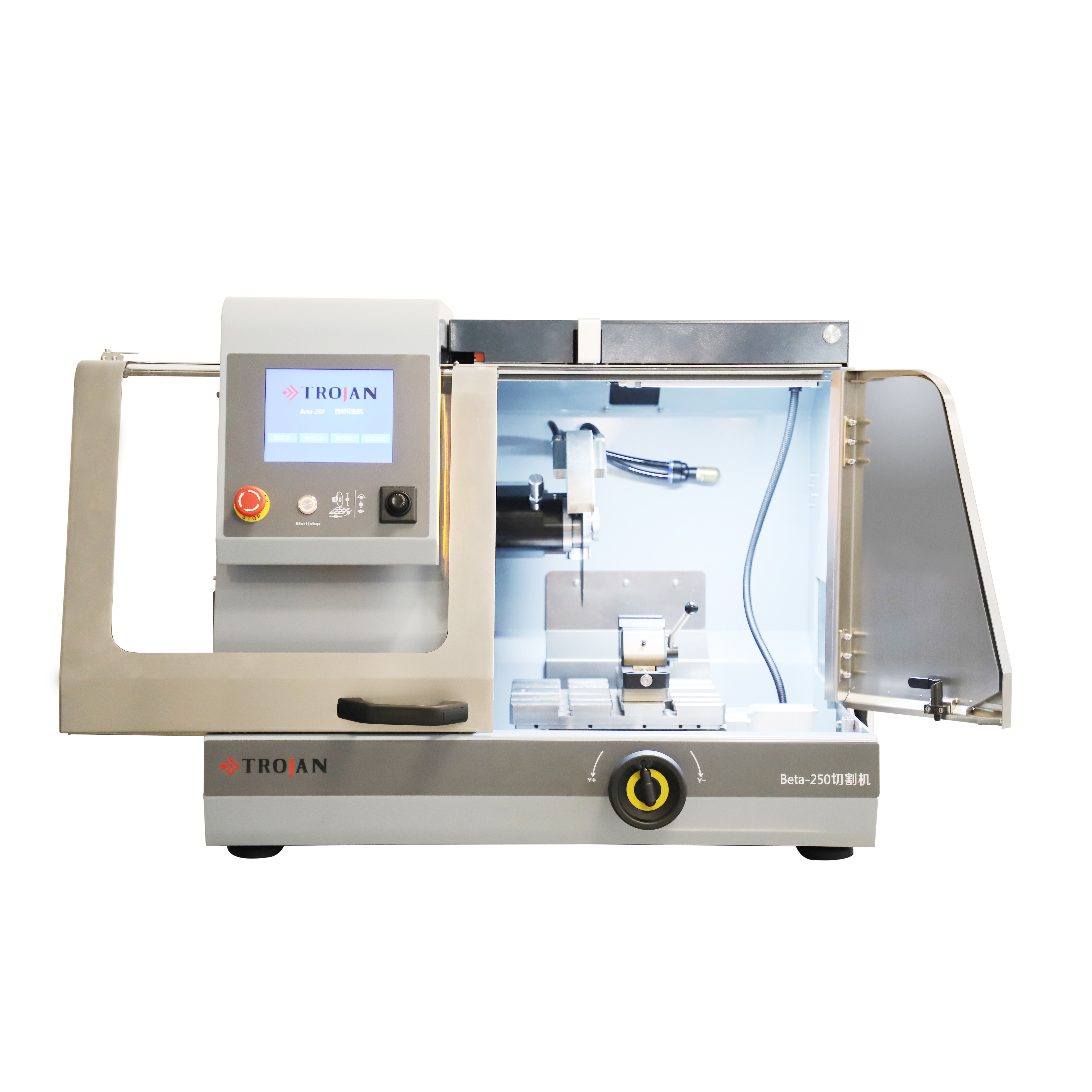
CT-2300 is a compact, desktop Manual Cut-off Machine,widely used for cutting mat...
We use first- and third-party cookies including other tracking technologies from third party publishers to give you the full functionality of our website, to customize your user experience, perform analytics and deliver personalized advertising on our websites, apps and newsletters across internet and via social media platforms. For that purpose, we collect information about user, browsing patterns and device.
By clicking "Accept All Cookies", you accept this, and agree that we share this information with third parties, such as our advertising partners. If you prefer, you can choose to continue with "Only Required Cookies". But keep in mind that blocking some types of cookies may impact how we can deliver tailored content that you might like.
For more information and to customize your options, click on "Cookie settings". If you want to learn more about cookies and why we use them, visit our Cookie Policy page at any time. Cookie Policy

In metallographic examination, the sectioning or cutting stage is the single most influential step affecting downstream analysis. Improper cutting introduces surface deformations, thermal damage, and microstructural artifacts that can compromise mechanical testing and microscopic evaluation. Industry studies indicate that up to 70% of preparation errors originate in the initial cutting phase, making the selection of appropriate metallographic sectioning equipment paramount for reliable results.
Modern laboratories face a constant trade-off: achieving rapid throughput while maintaining deformation-free surfaces. This article dissects advanced cutting methodologies, from abrasive wheel selection to precision diamond sawing, and provides actionable data on cooling system optimization. We focus on practical parameters that directly influence cut quality, wheel life, and specimen integrity.
Metallographic sectioning machines fall into three primary categories based on cutting action, wheel type, and control precision. Understanding these distinctions helps match equipment to specific material challenges.
These utilize abrasive cut-off wheels composed of aluminum oxide or silicon carbide bonded with resin. They excel for general ferrous and non-ferrous metals up to 35 HRC. Typical rotational speeds range from 2800 to 4000 RPM, with wheel diameters from 250 mm to 450 mm. For hardened steels above 45 HRC, silicon carbide wheels reduce burn risks.
Equipped with diamond or CBN blades, precision sectioning systems operate at variable speeds (200–5000 RPM) and incorporate micrometer-controlled feed rates. They achieve cut tolerances below 0.01 mm, ideal for electronic components, coatings, and brittle materials. These machines typically include integrated coolant recirculation and load monitoring.
Designed for high-volume production labs, these units combine abrasive wheels with automated clamping and programmable cutting sequences. Cutting capacities range from 50 mm to 150 mm diameter stock, with cycle times under 90 seconds for standard steels.
Selecting between conventional abrasive wheels and diamond blades requires analyzing material hardness, required surface integrity, and cost-per-cut. The table below summarizes key performance indicators derived from controlled cutting trials on medium-carbon steel (1020) and alumina ceramic.
| Parameter | Abrasive Cut-Off Wheel (Al₂O₃) | Diamond Blade (Resin Bond) |
|---|---|---|
| Material Suitability | Steels < 45 HRC, ductile metals | Hardened steels >50 HRC, ceramics, composites |
| Deformation Layer Depth (µm) | 80–150 | 15–30 |
| Wheel Life (cuts per wheel, Ø350 mm) | 120–180 (steel bars 30 mm) | 600–900 (same material) |
| Cutting Speed (mm²/s) | 250–400 | 80–150 |
| Coolant Requirement (L/min) | 6–10 | 3–5 |
Data shows that while diamond blade cutting reduces deformation by a factor of 4–5 compared to conventional abrasives, it operates at slower material removal rates. For routine analysis of common alloys, abrasive wheels provide cost-effective solutions when paired with proper cooling. Conversely, failure analysis or EBSD specimens demand diamond cutting to preserve near-surface grain structure.
Plastic deformation during cutting arises from excessive wheel pressure, inadequate cooling, or dull abrasive grains. The affected zone, known as the deformed layer, can extend 200 µm beneath the cut surface in steel if parameters are mismanaged. Advanced methodologies target three control levers:
A case study on heat-treated 4140 steel (48 HRC) compared three cutting protocols: standard abrasive wheel (3000 RPM, hand feed), constant-force abrasive cutting (3200 RPM, 12 N feed), and precision diamond saw (2500 RPM, 2 N feed). The deformed layer depths were 110 µm, 65 µm, and 18 µm respectively. The results confirm that force-controlled abrasive cutting approaches the quality of diamond methods for many alloys, reducing preparation time by 40% compared to a full diamond workflow.
Thermal damage during cutting manifests as blue oxidation (temper colors) in steels or melting in low-melting-point alloys. A properly designed specimen cooling system removes 85–95% of generated heat before it reaches the cut zone. Critical parameters include:
Quantitative thermal imaging of cut zones in 316L stainless steel revealed that increasing coolant flow from 4 L/min to 10 L/min reduces peak surface temperature from 340°C to 95°C, completely avoiding blue oxide formation. For temperature-sensitive materials like aluminum alloys, sub-zero coolant systems (5–10°C) further minimize recrystallization artifacts.
The following matrix provides empirically derived starting points for common engineering materials using a standard 350 mm abrasive wheel (Al₂O₃, medium hardness). Always validate with a test cut and examine for burn or deformation.
| Material Group | Hardness (HB) | Wheel Speed (RPM) | Feed Rate (mm/s) | Coolant Flow (L/min) |
|---|---|---|---|---|
| Low-carbon steel (1018) | 120–160 | 3000 | 1.5–2.0 | 7 |
| Medium-carbon steel (1045) | 170–210 | 2800 | 1.2–1.5 | 8 |
| Alloy steel (4140 annealed) | 200–240 | 2700 | 1.0–1.2 | 9 |
| Tool steel (D2, annealed) | 240–280 | 2500 | 0.8–1.0 | 10 |
| Aluminum (6061-T6) | 95 | 3500 | 2.5–3.0 | 6 |
| Copper C110 | 45–55 | 3200 | 1.8–2.2 | 7 |
| Stainless Steel 304 | 150–190 | 2900 | 1.0–1.3 | 9 |
For metallographic cut-off equipment utilizing diamond blades, reduce feed rates by 50% compared to abrasive wheels and increase wheel speed by 10–20% to prevent glaze formation. Always prioritize consistent force over high speed when pursuing deformation-free surfaces.
A comparative study across 12 industrial labs evaluated how cutting methodology affects subsequent grinding and polishing times. Using standardized 30 mm diameter steel rods (4140, 35 HRC), three sectioning approaches were tested:
The total preparation time to achieve a scratch-free, mirror finish (Ra < 0.05 µm) was measured. Method A required 14 minutes of grinding and polishing (excluding cutting). Method B reduced this to 7 minutes, while Method C achieved the finish in 5.5 minutes. However, when including the cutting step, Method B completed full preparation in 9.5 minutes versus 12 minutes for Method C (due to slower diamond cutting speed). The defect rate (microcracks visible at 200x) was 12% for Method A, 2% for Method B, and 0.5% for Method C.
This data indicates that advanced abrasive sectioning with force control and adequate cooling offers an optimal balance for most production labs, reducing total preparation time by 32% compared to basic methods while maintaining high integrity.
Even with quality equipment, operator errors degrade cut quality. This table links common defects to root causes and corrective actions.
| Observed Defect | Likely Cause | Corrective Action |
|---|---|---|
| Blue discoloration (steel) | Inadequate cooling, excessive wheel speed | Increase coolant flow; reduce RPM by 15% |
| Rough, jagged cut surface | Dull abrasive wheel, too high feed rate | Replace wheel; reduce feed rate by 0.5 mm/s |
| Burr formation on ductile metals | Insufficient clamping, wheel too hard | Use softer bond wheel; slower retraction |
| Cut-off wheel glazing | Wrong wheel for material (too soft/hard) | Switch to silicon carbide or softer bond |
| Vibration marks on surface | Unbalanced wheel, loose spindle | Check wheel balance; tighten spindle nut |
Regular maintenance of the specimen cooling system is critical: clogged nozzles or depleted coolant concentration (below 3%) dramatically increase heat damage. Weekly checks of pH and concentration (using a refractometer) prevent bacterial growth and maintain lubricity.
For Vickers microhardness testing at loads below 200 gf, the deformed layer should not exceed 15% of the indentation depth. Typically this means deformation < 5 µm. Precision sectioning or diamond blade cutting is recommended for such applications.
Wheel dressing (using a dressing stick) should be performed after every 20–30 cuts in steel or when glazing appears. Excessive dressing reduces wheel life. Modern metallographic sectioning equipment often includes automatic dressing cycles.
No. Thin foils require high wheel speeds (4000+ RPM) and very low feed rates (0.2 mm/s) to prevent tearing. Thick bars demand lower speeds and higher feed forces. Always adjust parameters based on cross-sectional area.
Aluminum requires a 6–8% semi-synthetic coolant emulsion to prevent chip welding and surface smearing. Adding a corrosion inhibitor specific for aluminum further improves surface quality.
Perform a simple etch test: after cutting, etch the sample with a suitable reagent (2% nital for steels). Examine at 100–200x magnification. A deformation-free surface shows uniform grain structure right up to the cut edge, while deformed zones appear as flow lines or darker bands.
Mastering advanced sectioning methodologies transforms the quality and efficiency of metallographic specimen preparation. By matching metallographic cut-off equipment and wheel technology to the specific material, controlling feed forces, and engineering effective cooling systems, labs can achieve deformation-free cuts consistently. The data presented confirms that force-controlled abrasive cutting reduces total preparation time by 30–40% while maintaining defect rates below 2% for common alloys. For mission-critical applications like failure analysis or EBSD, diamond blade cutting provides the highest integrity. Ultimately, the investment in training and parameter optimization yields the greatest return by eliminating rework and ensuring accurate material characterization.
.png?imageView2/2/w/400/format/jpg/q/75 "Disposable Sample Cups")

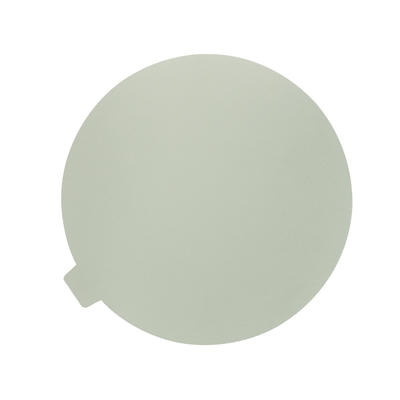
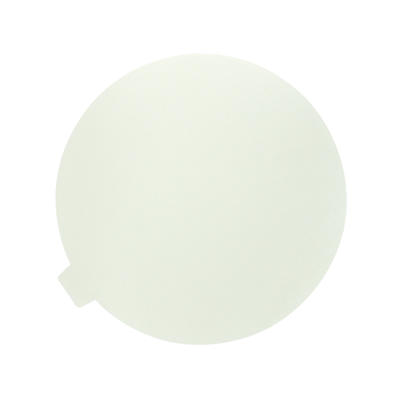
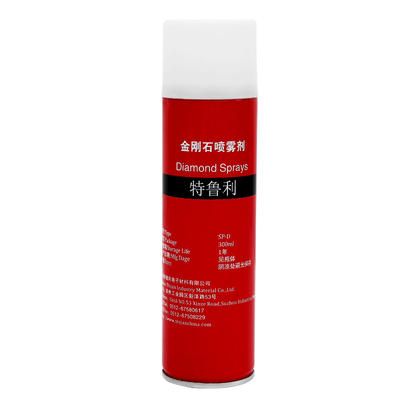
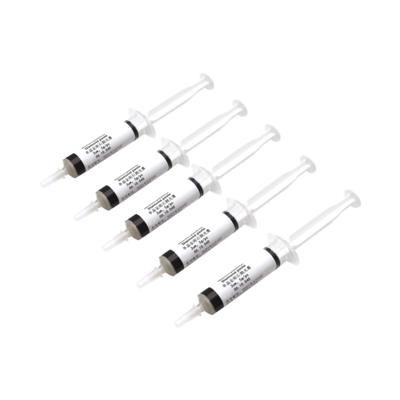

Based in China, TROJAN pays attention to the international market, and has sold metallographic equipment to more than 50 countries, such as Europe, America, Japan and South Korea, Southeast Asia countries and regions