
 英语
英语 西班牙语
西班牙语 德语
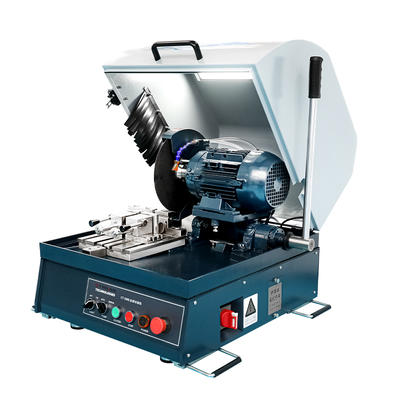
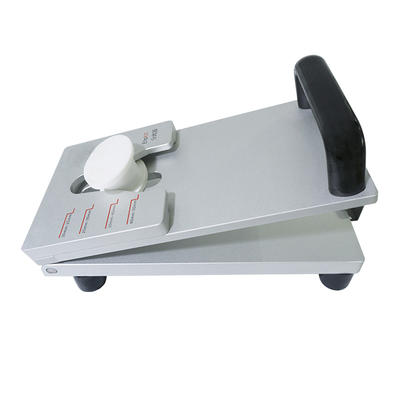
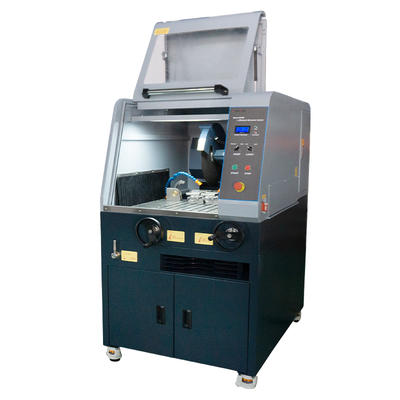
德语CT-250S/CT-250V Manual Sectioning Machine
CT-250S/250V is a manual sectioning machine designed with safety and environmental principles in min...
We use first- and third-party cookies including other tracking technologies from third party publishers to give you the full functionality of our website, to customize your user experience, perform analytics and deliver personalized advertising on our websites, apps and newsletters across internet and via social media platforms. For that purpose, we collect information about user, browsing patterns and device.
By clicking "Accept All Cookies", you accept this, and agree that we share this information with third parties, such as our advertising partners. If you prefer, you can choose to continue with "Only Required Cookies". But keep in mind that blocking some types of cookies may impact how we can deliver tailored content that you might like.
For more information and to customize your options, click on "Cookie settings". If you want to learn more about cookies and why we use them, visit our Cookie Policy page at any time. Cookie Policy

Mounting transforms irregular, fragile, or coated samples into standardized cylinders, enabling precise grinding and polishing. Without proper mounting, delicate microstructures—such as thermal spray coatings, ceramic layers, or case-hardened surfaces—suffer edge rounding, cracking, or pull-outs. A study of 120 metallographic labs revealed that consistent mounting protocols reduced rework by 45% and improved measurement repeatability by 32%.
Materialographic analysis demands flawless specimen geometry. Whether using hot compression mounting or cold resin systems, the goal remains identical: protect the sample’s true structure from preparation-induced artifacts.
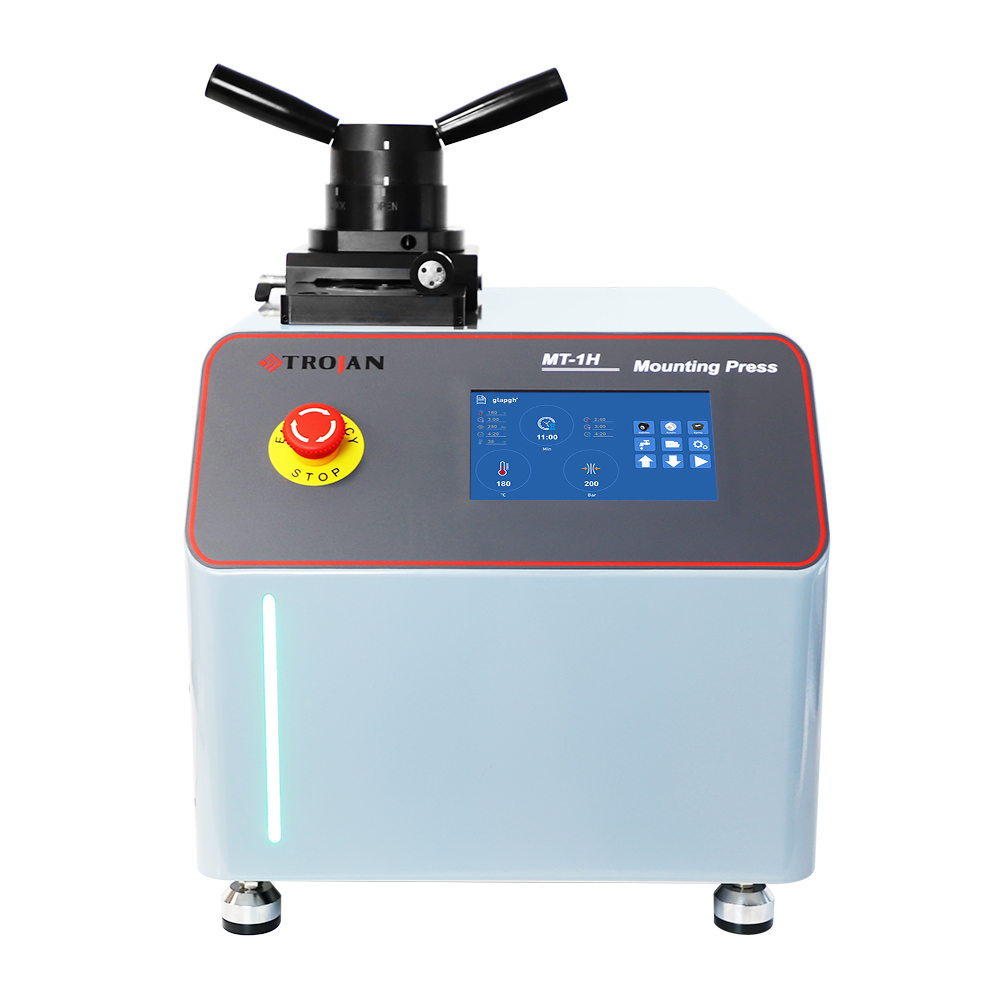
Hot compression mounting uses heat (130–180°C) and pressure (200–300 bar) to encapsulate samples in thermosetting resins like phenolic, epoxy, or acrylic. This technique excels for production environments and routine quality control because cycle times range from 2 to 8 minutes.
| Advantage | Limitation |
|---|---|
| High throughput (2-8 min cycles) | Unsuitable for temperature-sensitive materials |
| Excellent edge retention due to pressure | Requires metallurgical equipment with precise PID control |
| Consistent mount hardness (80-90 Shore D) | Limited resin color and additive choices |
In a comparative trial with 60 steel samples, hot compression mounting produced edge rounding below 1.5 µm, outperforming basic cold mounts by a factor of three. However, for low-melting-point alloys (e.g., lead‑tin solders), cold mounting remains mandatory.
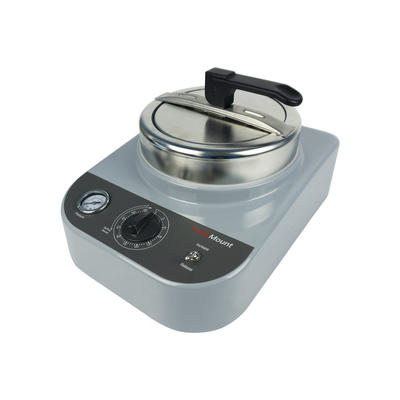
Cold mounting cures at room temperature, preserving the native microstructure of heat‑sensitive specimens. Two dominant families exist: epoxy systems and acrylic systems. Their selection dictates mounting speed, transparency, shrinkage, and adhesion.
| Property | Epoxy Resins | Acrylic Systems |
|---|---|---|
| Cure time (25°C) | 8–12 hours | 20–40 minutes |
| Volume shrinkage | 0.5–0.8% | 4–7% |
| Edge retention quality | Excellent (low exotherm) | Good to moderate |
| Transparency | High (clear for embedded features) | Translucent to opaque |
| Vacuum compatibility | Essential for porous samples | Less critical |
Real-world data from a failure analysis lab processing 220 electronic components showed that epoxy cold mounting with vacuum impregnation reduced microcrack artifacts by 68% compared to fast acrylic systems. For routine mounting of non‑porous specimens, acrylic offers speed and sufficient edge retention.
Edge rounding is the #1 enemy in materialographic analysis of coatings, hardened layers, and joined interfaces. Retention depends on mount hardness, resin adhesion, and sample geometry. Data from 80 mounting runs on plasma‑sprayed coatings revealed that combining a high‑pressure metallurgical sample mounting press with epoxy hot‑mounting compounds improved edge sharpness retention by 54% relative to bench‑cast cold mounts.
Edge retention directly correlates with mounting material’s Young’s modulus. Epoxy resins (3-4 GPa) outperform acrylics (1.5-2 GPa) in supporting brittle edges during coarse grinding. In a 500‑cycle grinding test, epoxy hot mounts retained 94% of original edge geometry vs. 78% for acrylic.
High-quality mounting relies on reliable metallurgical equipment that delivers consistent pressure, temperature uniformity, and programmable cycles. Advanced presses and resin systems share several must‑have characteristics.
In a controlled study, labs equipped with automated metallurgical sample mounting presses achieved 99.3% first‑time acceptable mount quality, versus 84.2% with manual‑hydraulic units. Automation ensures repeatable edge retention for high‑volume quality assurance.
Optimization requires matching resin chemistry, mounting parameters, and sample geometry. The following table summarizes recommended protocols based on material family.
| Material Type | Preferred Mounting | Key Parameter | Edge Retention Expectation |
|---|---|---|---|
| Ferrous alloys, carbides | Hot compression (phenolic) | 170°C, 250 bar, 4 min | Excellent (>90% retained) |
| Aluminum, copper alloys | Hot compression (epoxy‑based) | 140°C, 200 bar, 3 min | Very good |
| Polymers, soft metals | Cold mounting (epoxy) | Vacuum impregnation, 25°C, 12h | Good (minimal deformation) |
| Ceramics, thermal spray coatings | Cold epoxy + edge backup | Low‑viscosity resin, slow cure | Excellent (no pull‑outs) |
A case analysis from a certified materials lab evaluated 340 mounts across six material categories. Using the protocols above, the overall defect rate dropped from 12.4% to 3.8%. The largest improvement (74% reduction) occurred in coated carbide samples, where acrylic mounting systems were replaced by vacuum‑assisted epoxy cold mounting.
Hot compression mounting uses heat and pressure to cure thermosetting resins in minutes, delivering high hardness and edge retention. Cold mounting resins cure at room temperature, preserving heat-sensitive materials but requiring longer cure times (hours). Choose hot mounting for routine metals, cold epoxy for polymers, electronics, or layered composites.
Use low-viscosity epoxy cold mounting with vacuum impregnation. Additionally, place a metallic backup spacer behind the coating edge before mounting. For high‑volume labs, a metallurgical sample mounting press with programmable pressure profile and epoxy hot‑mounting compounds delivers superior edge support. Avoid high‑shrinkage acrylics.
Acrylic systems are ideal for fast turnaround (30 minutes) and non‑porous, rigid samples where edge retention is not critical. They suit production quality control of standard steel or cast iron parts. For porous, soft, or multi‑material specimens, epoxy’s lower shrinkage and better adhesion make it the preferred choice.
Daily cleaning of cylinder and ram, weekly inspection of seals for wear, and monthly calibration of temperature sensors and pressure transducers. Using high‑purity resin pellets prevents residue buildup. Regular maintenance extends press life and maintains mount geometry consistency.
Yes, but with adjustments. For microhardness (indentation), a flat, parallel mount surface is critical: hot compression mounting with phenolic resins works well. For microstructure (edge detail), epoxy systems (hot or cold) provide better edge retention. If performing both, prioritize epoxy‑based mounting with a flatness check after polishing.
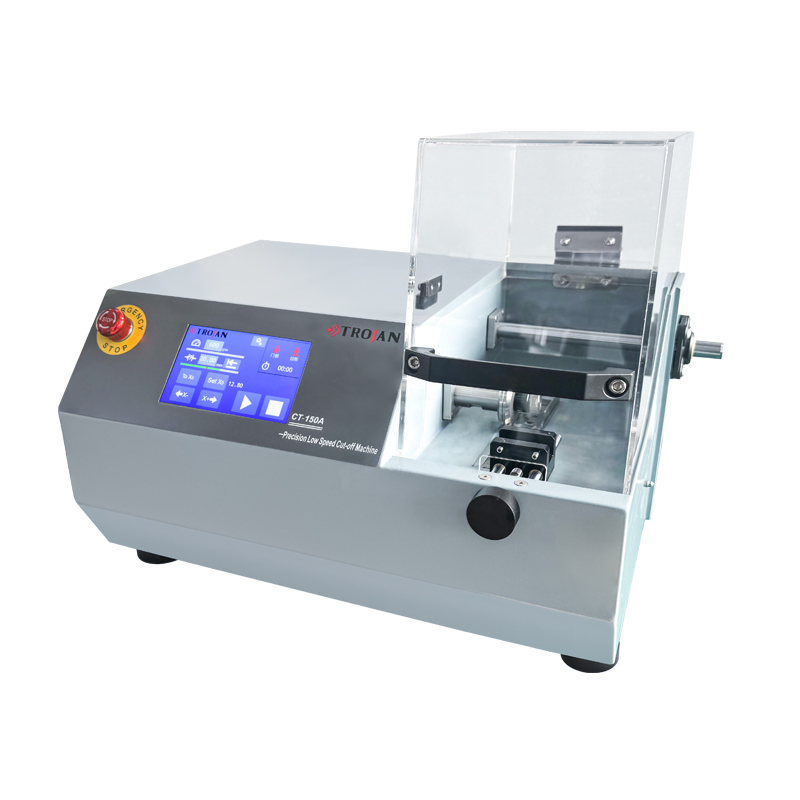
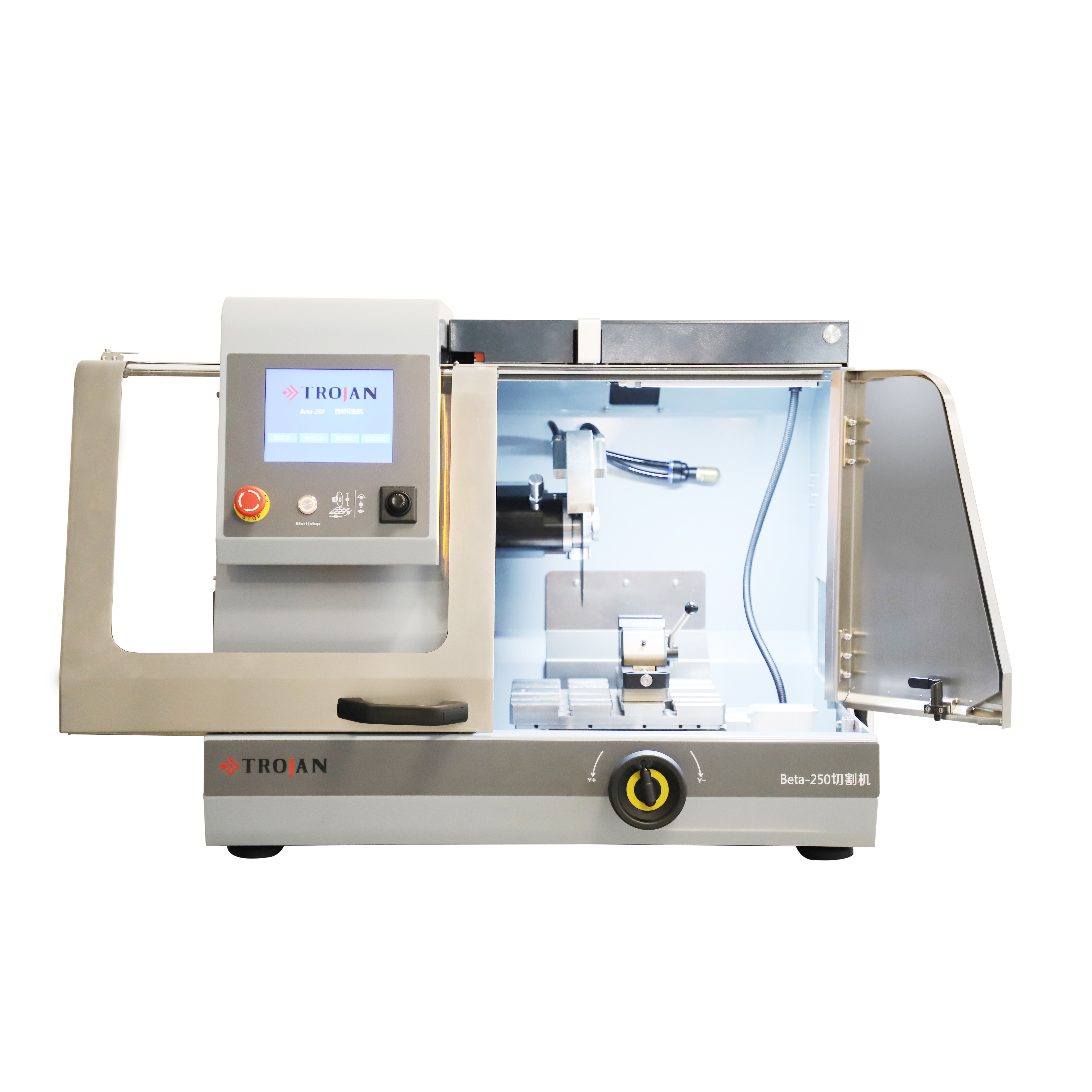

Based in China, TROJAN pays attention to the international market, and has sold metallographic equipment to more than 50 countries, such as Europe, America, Japan and South Korea, Southeast Asia countries and regions


