
 英语
英语 西班牙语
西班牙语 德语
德语Disposable Sample Cups
product manual
Used for cold curing.
We use first- and third-party cookies including other tracking technologies from third party publishers to give you the full functionality of our website, to customize your user experience, perform analytics and deliver personalized advertising on our websites, apps and newsletters across internet and via social media platforms. For that purpose, we collect information about user, browsing patterns and device.
By clicking "Accept All Cookies", you accept this, and agree that we share this information with third parties, such as our advertising partners. If you prefer, you can choose to continue with "Only Required Cookies". But keep in mind that blocking some types of cookies may impact how we can deliver tailored content that you might like.
For more information and to customize your options, click on "Cookie settings". If you want to learn more about cookies and why we use them, visit our Cookie Policy page at any time. Cookie Policy

A grinding machine is a power-driven tool or industrial equipment that uses an abrasive wheel, belt, or disc to remove material from a workpiece through friction and cutting action. The core purpose is to achieve precise dimensions, smooth surface finishes, or sharp edges that cannot be efficiently obtained through other machining processes.
In manufacturing and materials processing, grinding machines are indispensable. They operate by rotating an abrasive element at high speed — typically between 1,500 and 35,000 RPM depending on the application — to wear away excess material with high precision. The process produces surface tolerances as tight as ±0.001 mm in precision grinding operations.
Unlike cutting tools that shear material in defined chips, grinding works through micro-cutting by thousands of abrasive grains simultaneously. This makes it suitable for hard materials like hardened steel, ceramics, glass, and stone that resist conventional machining.
Grinding machines serve a broad range of industrial and laboratory functions. Below are the primary use categories:
In scientific and industrial laboratories, grinding polishing machine systems are specifically designed to prepare cross-sections of materials with minimal deformation, enabling accurate microstructural analysis under optical or electron microscopes.
Grinding machines are classified based on their operating mechanism, workpiece geometry, and intended application. The major types include:
Surface grinders use a rotating abrasive wheel to produce flat surfaces. The workpiece is held on a magnetic chuck or fixture and moved linearly beneath the wheel. Surface grinding is capable of flatness tolerances within 0.005 mm, making it essential for precision tooling, molds, and machine components.
Used to grind the outer or inner diameter of cylindrical workpieces such as shafts, bearings, and bushings. External cylindrical grinders rotate the workpiece between centers while the wheel contacts the surface; internal grinders use a smaller wheel inside a bore. These machines are standard in automotive and aerospace component manufacturing.
Centerless grinders do not require the workpiece to be mounted between centers. Instead, the part is supported by a work rest blade and regulated by a control wheel. This method enables high-volume continuous production of round parts such as pins, rollers, and tubes, with throughput rates far exceeding conventional cylindrical grinding.
Compact machines mounted on a bench or floor pedestal with one or two abrasive wheels. Widely used in workshops for manual sharpening of tools, deburring of castings, and rough shaping. These are among the most common grinding machines in general manufacturing environments.
Portable handheld tools used for grinding, cutting, and polishing in construction, metalworking, and maintenance. They accept interchangeable discs — grinding wheels, cutting discs, flap discs, and wire brushes — for different tasks. Angle grinders typically operate between 4,500 and 12,000 RPM.
Use an abrasive belt looped over driven rollers to grind and finish surfaces. Belt grinders are preferred for large flat surfaces, weld seam removal, and blending operations on structural steelwork and fabricated components.
Designed specifically for laboratory sample preparation, these machines use rotating platens with abrasive papers or polishing cloths to prepare cross-sections of metals, alloys, ceramics, and composites. They progress through multiple abrasive grades — from coarse (e.g., 80 grit) to ultra-fine (e.g., 0.05 µm colloidal silica) — to achieve scratch-free, deformation-free surfaces suitable for microstructural analysis.
The following table summarizes how grinding machines are used across different sectors:
| Industry | Grinding Machine Type | Typical Application |
| Automotive | Cylindrical / Centerless | Crankshafts, camshafts, bearing races |
| Aerospace | Surface / CNC Grinding | Turbine blades, precision structural parts |
| Electronics | Precision Surface Grinder | Silicon wafer thinning, ceramic substrates |
| Materials Laboratory | Metallographic Grinder/Polisher | Sample cross-section preparation for SEM/OM |
| Construction / Fabrication | Angle Grinder / Belt Grinder | Weld finishing, surface preparation, cutting |
| Tool and Die | Surface / Universal Grinder | Mold cavities, punch dies, gauge blocks |
Grinding and polishing are often part of the same workflow but serve distinct purposes:
In metallographic preparation, the sequence typically follows: sectioning → mounting → planar grinding → fine grinding → coarse polishing → final polishing. Each stage uses finer abrasives to remove the damage introduced by the previous step. Skipping stages increases the risk of residual surface deformation, which misrepresents the true microstructure of the material.
Effective grinding requires control over several key variables. Mismanaging these parameters leads to surface damage, dimensional errors, or excessive tool wear.
Common abrasive materials include aluminum oxide (Al₂O₃) for general steel grinding, silicon carbide (SiC) for non-ferrous metals and ceramics, cubic boron nitride (CBN) for hardened steels, and diamond for the hardest materials such as tungsten carbide and glass. The choice of abrasive directly determines material removal rate and achievable surface quality.
Grit size defines the coarseness of the abrasive. Lower grit numbers (e.g., 60–120) remove material faster but leave rougher surfaces, while higher grit numbers (e.g., 1000–4000+) produce finer finishes with slower removal rates. Selecting the correct grit progression minimizes processing time while achieving the required surface quality.
Higher wheel speeds generally improve surface finish but can cause thermal damage (burning) to sensitive materials. Feed rate — the speed at which the workpiece moves relative to the wheel — must be balanced against depth of cut to prevent overheating and wheel loading. In precision grinding, coolant application is critical to maintain workpiece temperature below 150°C to avoid microstructural changes in metals.
Especially relevant in metallographic grinding and polishing. Excessive force causes subsurface deformation (smearing, work hardening), while insufficient force slows material removal. Automated grinding and polishing machines allow precise force control, typically programmable between 5 N and 50 N per sample, ensuring reproducible preparation across multiple specimens.
Choosing the appropriate grinding machine depends on several practical factors:
A grinding machine works by rotating an abrasive wheel or surface against the workpiece. The abrasive grains act as micro-cutting tools, removing small amounts of material through friction to shape, finish, or sharpen the part.
Grinding machines can process a wide range of materials including hardened steel, cast iron, aluminum, ceramics, glass, stone, carbide, and composite materials. The abrasive type must be matched to the workpiece hardness.
Grinding removes significant material using coarse abrasives to shape or flatten a surface. Polishing uses very fine abrasives to eliminate surface scratches and achieve a smooth or mirror finish. In many workflows, both processes are performed in sequence on the same machine.
It is used in laboratories to prepare material samples (metals, alloys, ceramics) for microstructural examination. The machine progressively grinds and polishes sample cross-sections to produce flat, scratch-free surfaces suitable for optical microscopy or electron microscopy analysis.
Start with a coarser grit (e.g., 120–240) to remove material efficiently or correct surface defects, then progress to finer grits (e.g., 600–2000+) to improve surface finish. The starting grit depends on how much material must be removed and the condition of the incoming surface.
Not always, but coolant is strongly recommended for precision and heavy grinding operations. It controls heat, prevents thermal damage to the workpiece, flushes away swarf, and extends abrasive wheel life. Dry grinding is acceptable for light deburring or rough shaping where surface integrity is less critical.
.png?imageView2/2/w/400/format/jpg/q/75 "Disposable Sample Cups")
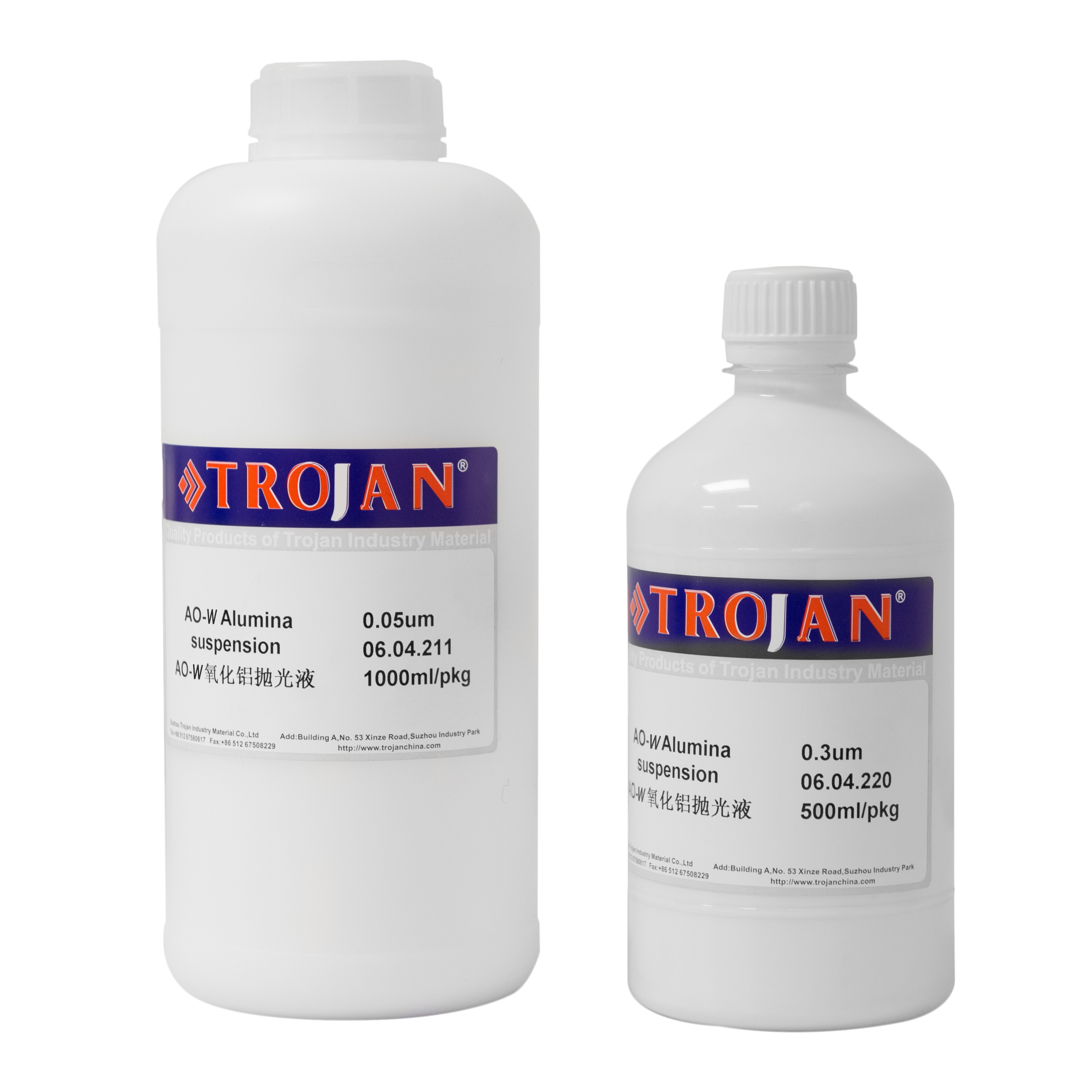
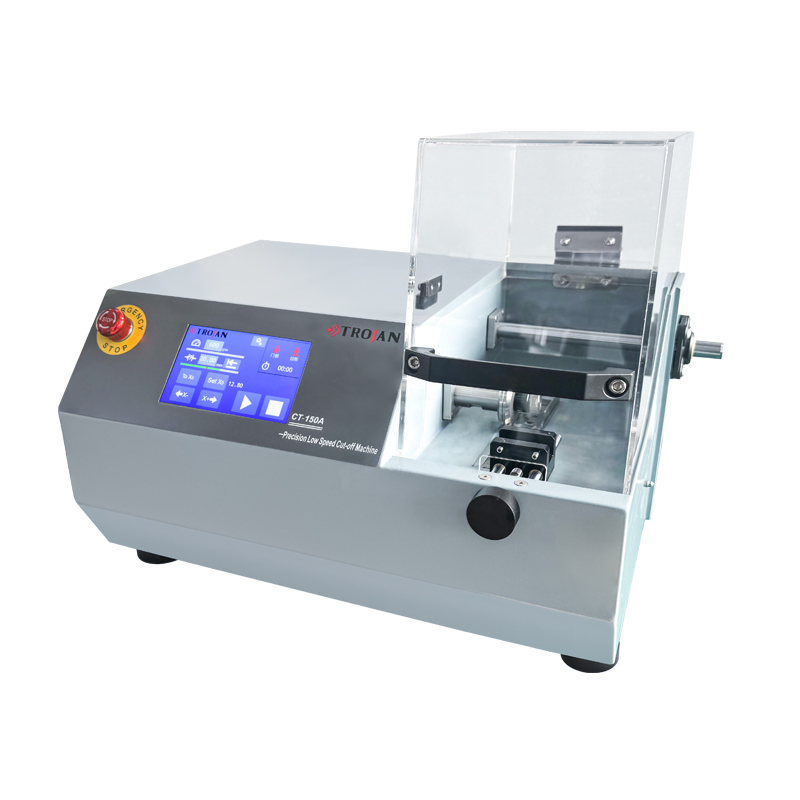
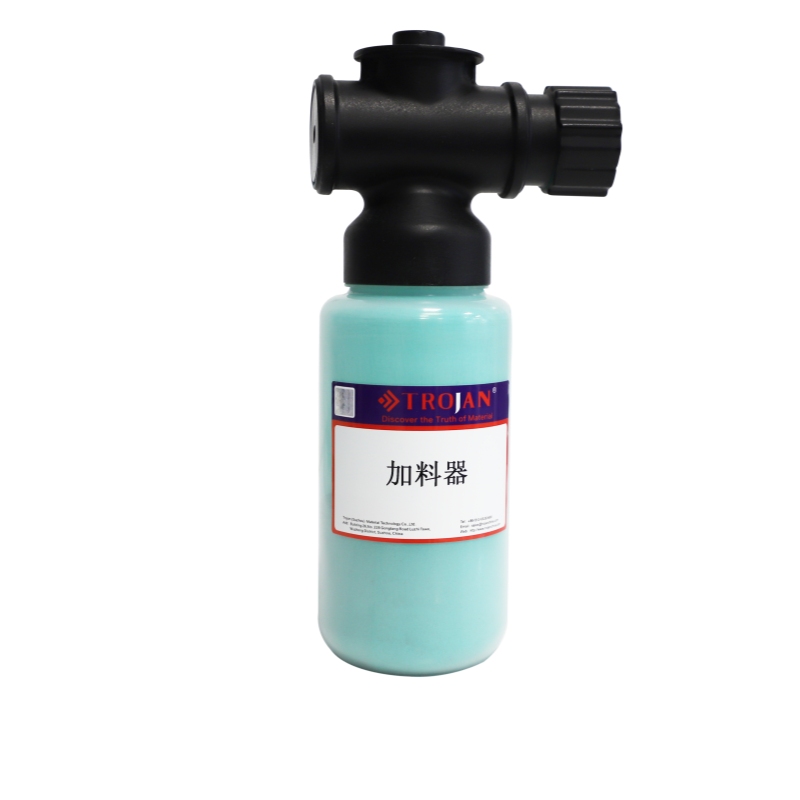
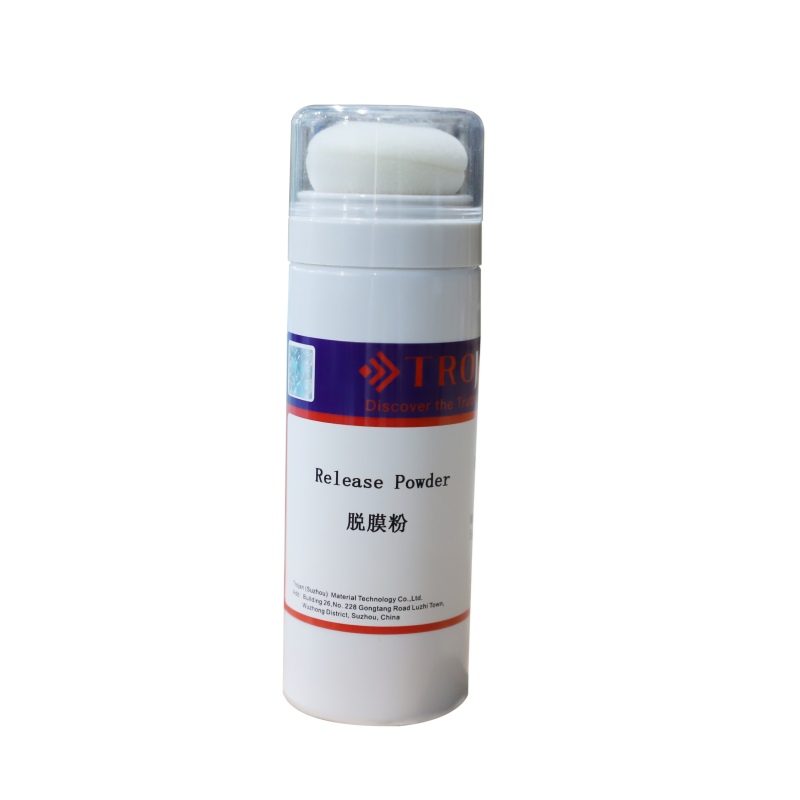
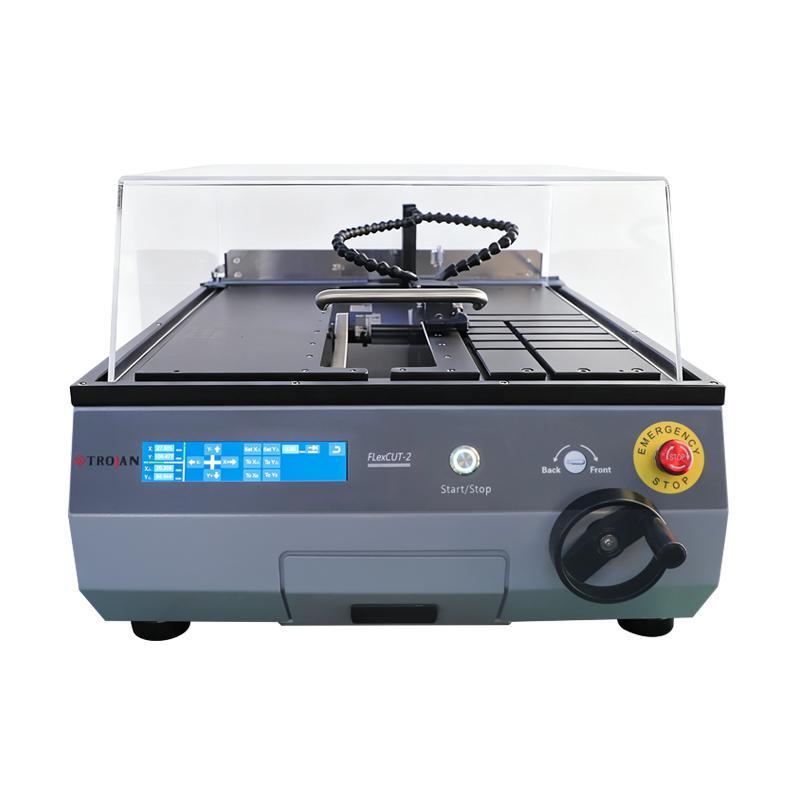

Based in China, TROJAN pays attention to the international market, and has sold metallographic equipment to more than 50 countries, such as Europe, America, Japan and South Korea, Southeast Asia countries and regions


