
 英语
英语 西班牙语
西班牙语 德语
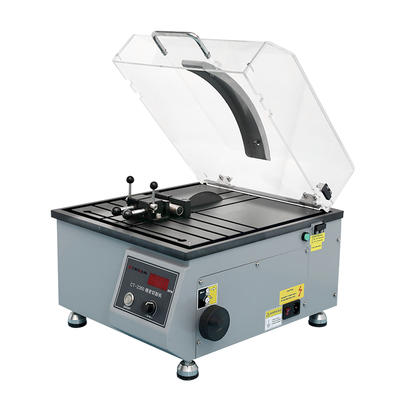
德语CT-2300 Manual Cut-off Machine
Product Description
CT-2300 is a compact, desktop Manual Cut-off Machine,widely used for cutting mat...
We use first- and third-party cookies including other tracking technologies from third party publishers to give you the full functionality of our website, to customize your user experience, perform analytics and deliver personalized advertising on our websites, apps and newsletters across internet and via social media platforms. For that purpose, we collect information about user, browsing patterns and device.
By clicking "Accept All Cookies", you accept this, and agree that we share this information with third parties, such as our advertising partners. If you prefer, you can choose to continue with "Only Required Cookies". But keep in mind that blocking some types of cookies may impact how we can deliver tailored content that you might like.
For more information and to customize your options, click on "Cookie settings". If you want to learn more about cookies and why we use them, visit our Cookie Policy page at any time. Cookie Policy

Metallographic preparation is a multi-step process that converts a raw metal sample into a mirror-polished, properly etched specimen ready for microscopic examination. The core sequence is: sectioning → mounting → grinding → polishing → etching → examination. Each stage directly affects the quality of the microstructure revealed, making proper technique essential for reliable material analysis.
The microstructure of a metal determines its mechanical properties—hardness, toughness, ductility, and fatigue resistance. Without accurate metallographic sample preparation, features such as grain boundaries, phases, inclusions, and cracks cannot be correctly identified. Errors introduced during preparation—surface deformation, scratches, or improper etching—can lead to misinterpretation of material condition and potentially costly engineering decisions.
Industries relying on metallography include aerospace, automotive, electronics, and construction, where material integrity is non-negotiable.
Sectioning is the first and most critical step. The goal is to cut the sample to the appropriate size while minimizing damage to the microstructure. Abrasive cutting and precision sawing are the two primary methods.
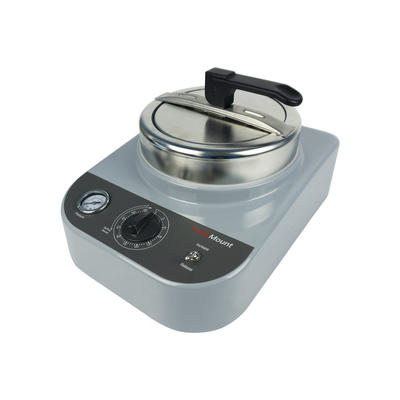
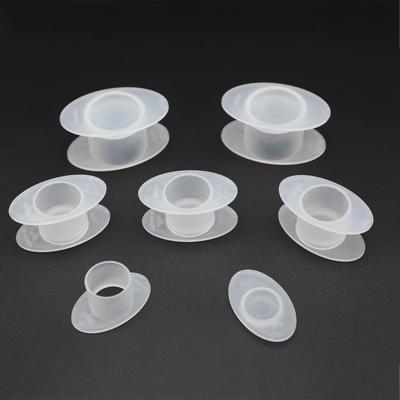
Small or irregularly shaped samples require mounting in resin for safe handling and edge retention during subsequent steps. There are two main mounting approaches:
| Mounting Type | Method | Typical Cure Time | Best For |
| Hot Compression Mounting | Heat + pressure with phenolic resin | 5–10 minutes | Routine samples |
| Cold Mounting | Epoxy or acrylic resin, no heat | 30–60 minutes | Heat-sensitive samples |
Edge retention is a key concern; conductive or hard resins help preserve edge integrity when examining surface coatings or case-hardened layers.
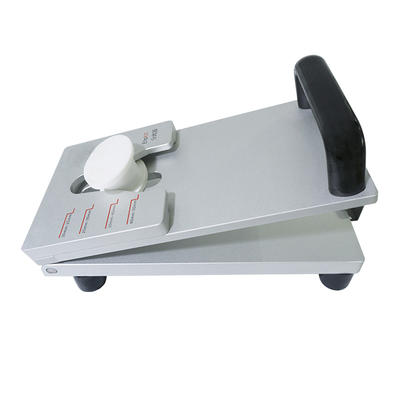
Grinding removes the deformed layer introduced by sectioning and flattens the sample surface. Silicon carbide (SiC) abrasive papers are the standard medium, progressing from coarse to fine grit sizes.
Polishing produces the mirror-like surface needed for microstructural observation. It is divided into two phases:
A properly polished surface should appear featureless under reflected light—any visible scratches indicate incomplete polishing and require returning to the previous stage.
Etching selectively attacks different phases and grain boundaries to create contrast under the microscope. The choice of etchant depends on the alloy system:
| Material | Common Etchant | Typical Etching Time |
| Carbon and Low-Alloy Steel | Nital (2–5% nitric acid in ethanol) | 5–30 seconds |
| Stainless Steel | Aqua regia or electrolytic etching | 10–60 seconds |
| Aluminum Alloys | Keller's reagent | 10–20 seconds |
| Copper and Brass | Ferric chloride solution | 5–15 seconds |
After etching, immediately rinse with water, then ethanol, and dry with warm air to halt the reaction and prevent staining.
Even experienced metallographers encounter preparation artifacts that can mask true microstructural features. Recognizing and preventing these defects is a key part of reliable analysis.
The choice between manual and automated preparation affects reproducibility, throughput, and cost.
| Factor | Manual Preparation | Automated Preparation |
| Reproducibility | Operator-dependent | High consistency |
| Throughput | Low (1 sample at a time) | High (up to 6+ samples simultaneously) |
| Cost | Low equipment cost | Higher initial investment |
| Skill Requirement | High | Moderate |
| Best Application | Research, one-off samples | Production QC, high-volume labs |
Automated systems are recommended when sample volumes exceed 10–15 per day or when inter-operator variability has caused inconsistent results in quality control environments.
Materials with hardness above 60 HRC require diamond grinding discs rather than SiC paper. Polishing times are extended, and water-based lubricants should replace alcohol-based ones to prevent cracking in brittle phases.
Soft metals smear easily. Use minimal applied force (under 15 N), short polishing cycles, and frequently replace polishing cloths to prevent contamination and surface smearing.
When examining coatings, edge retention is paramount. Use electroless nickel plating or hard resin mounting to support the edge. Grinding direction should be perpendicular to the coating layer to prevent delamination.
Weld cross-sections include multiple zones (base metal, heat-affected zone, fusion zone) with different hardness levels. Preparation must achieve uniform flatness across all zones; automated systems with controlled head pressure are preferred for these samples.
Metallographic preparation involves cutting tools, abrasives, and corrosive chemicals. Strict safety protocols must be followed:
For a routine steel sample, manual preparation typically takes 30–60 minutes. Automated systems can reduce this to 15–25 minutes per batch of multiple samples.
Yes. Re-polish starting from the grinding stage to remove the previous surface layer, then repeat polishing and etching. If over-etched, polishing alone is sufficient to remove the etched layer.
Not always. As-polished surfaces can be examined for porosity, cracks, and inclusions without etching. Etching is required only when grain structure or phase identification is needed.
Start with 80–120 grit to quickly remove the corroded surface layer, then progress through the normal sequence. Avoid excessive stock removal that could eliminate features of interest.
Mechanical polishing uses abrasive media physically; electrolytic polishing uses an electrical current in a chemical bath to dissolve the surface layer uniformly. Electrolytic polishing is preferred for work-hardened or very soft materials where mechanical methods introduce deformation.


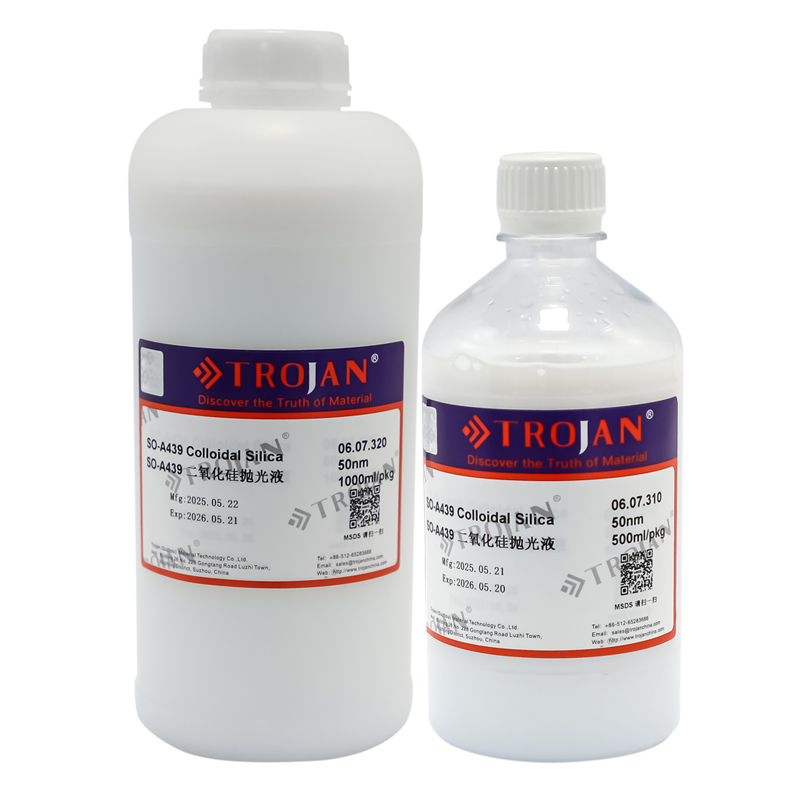
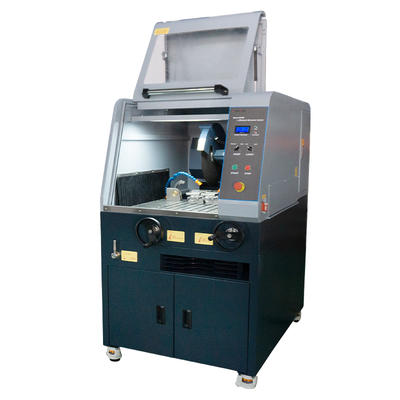
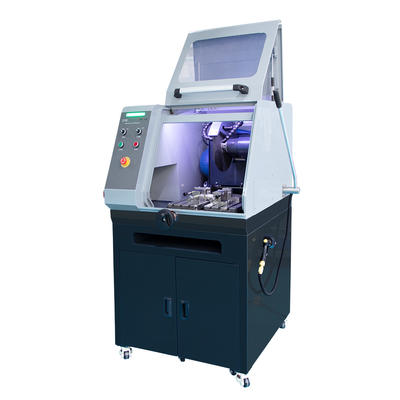


Based in China, TROJAN pays attention to the international market, and has sold metallographic equipment to more than 50 countries, such as Europe, America, Japan and South Korea, Southeast Asia countries and regions


