
 英语
英语 西班牙语
西班牙语 德语
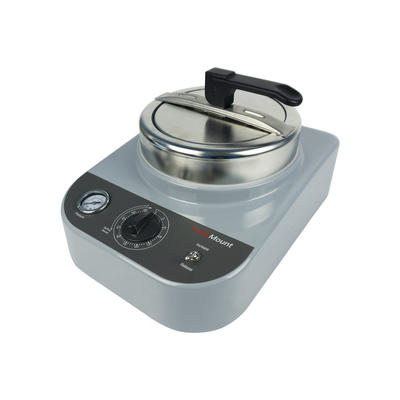
德语ThetaMount Pressure Cold Mounting Machine
Product Description
ThetaMount Pressure Cold Machine features a compact design with a maximum pressu...
We use first- and third-party cookies including other tracking technologies from third party publishers to give you the full functionality of our website, to customize your user experience, perform analytics and deliver personalized advertising on our websites, apps and newsletters across internet and via social media platforms. For that purpose, we collect information about user, browsing patterns and device.
By clicking "Accept All Cookies", you accept this, and agree that we share this information with third parties, such as our advertising partners. If you prefer, you can choose to continue with "Only Required Cookies". But keep in mind that blocking some types of cookies may impact how we can deliver tailored content that you might like.
For more information and to customize your options, click on "Cookie settings". If you want to learn more about cookies and why we use them, visit our Cookie Policy page at any time. Cookie Policy

Metallographic analysis is a systematic process used to examine the internal microstructure of metals and alloys. The core conclusion is straightforward: proper sample preparation and correct use of metallographic equipment directly determine the accuracy and reliability of your results. Whether you are inspecting grain size, detecting phase distribution, or identifying defects like cracks and porosity, each step must be executed precisely to obtain meaningful data.
This technique is widely applied in quality control, failure analysis, research and development, and manufacturing process verification. Industries such as aerospace, automotive, and materials engineering rely on metallographic analysis to ensure structural integrity and performance compliance.
The process follows a defined sequence. Skipping or rushing any stage will compromise the final microstructure image. Below are the standard steps performed in a professional metallographic workflow.
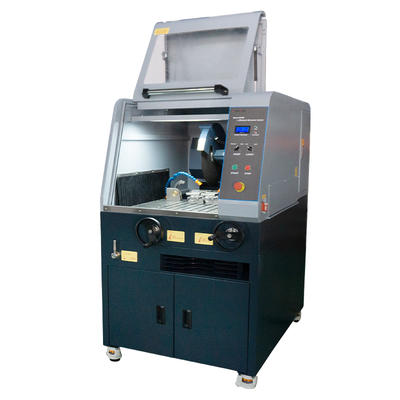
Select a representative area from the material under investigation. Use a precision abrasive cut-off machine or diamond wire saw to section the sample. Cutting speed and coolant flow must be controlled to prevent thermal damage or deformation of the surface layer. A typical section thickness is 5 mm to 15 mm, depending on the material hardness and downstream mounting requirements.
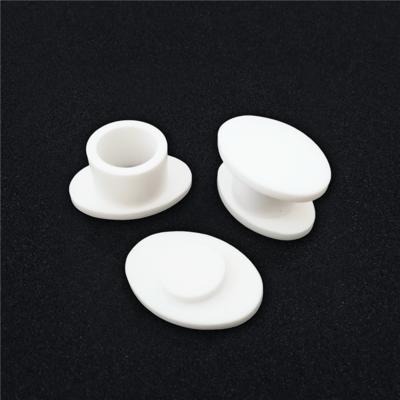
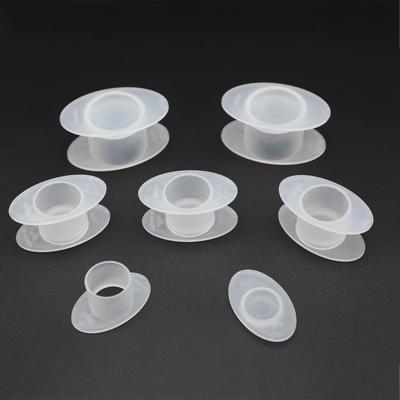
Small or irregularly shaped samples are mounted in a resin for easier handling. Two common methods are used:
Proper mounting ensures a flat, stable surface and edge retention during subsequent grinding and polishing.
Grinding removes surface damage introduced during sectioning. The sample is ground using a series of abrasive papers with progressively finer grit sizes, typically starting at 120 or 180 grit and advancing to 600, 800, or 1200 grit. Each stage removes the scratches from the previous one. Water or lubricant is applied throughout to minimize heat buildup and contamination.
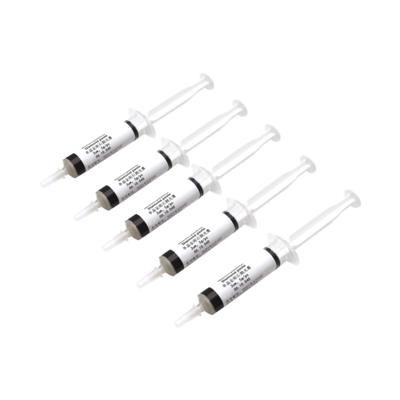
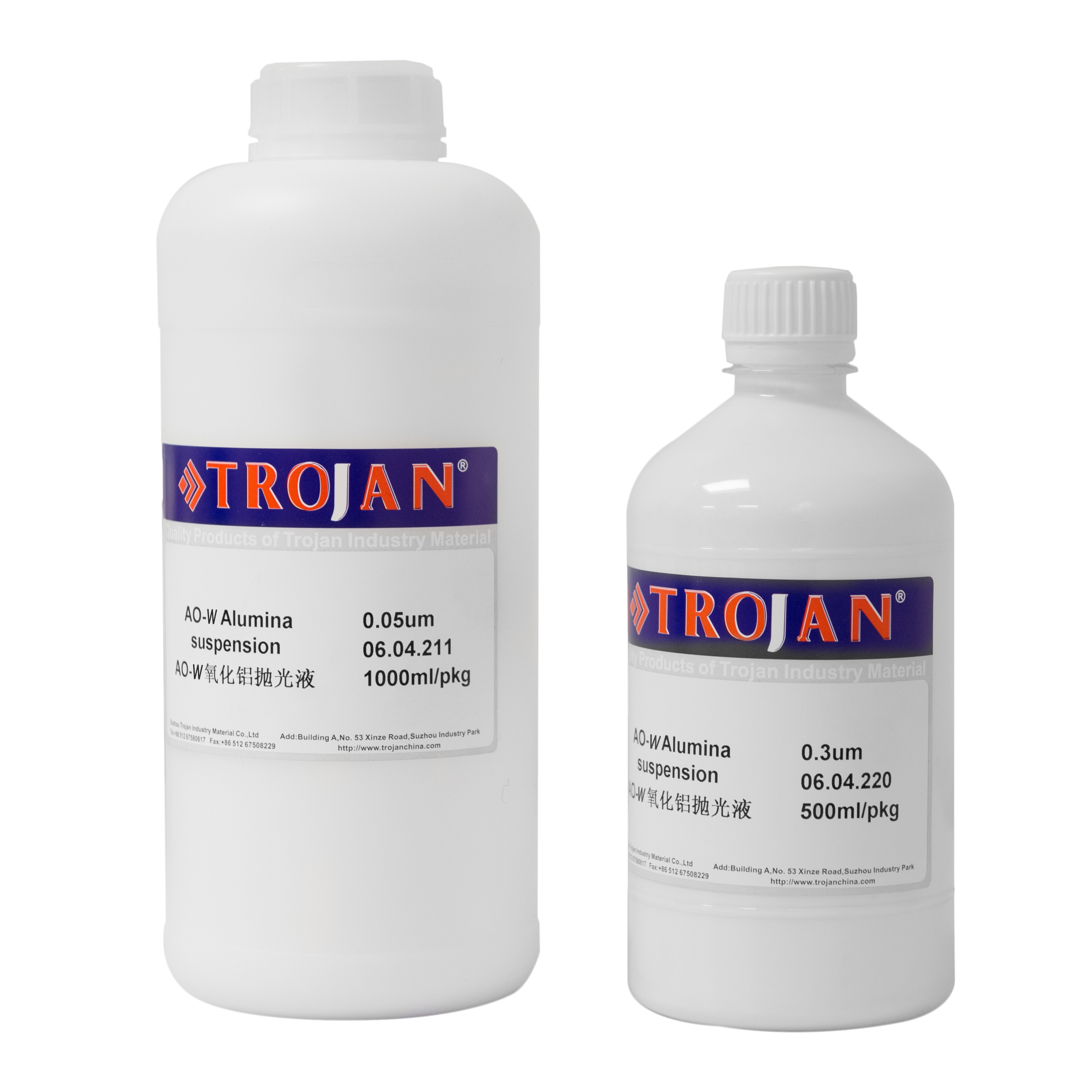
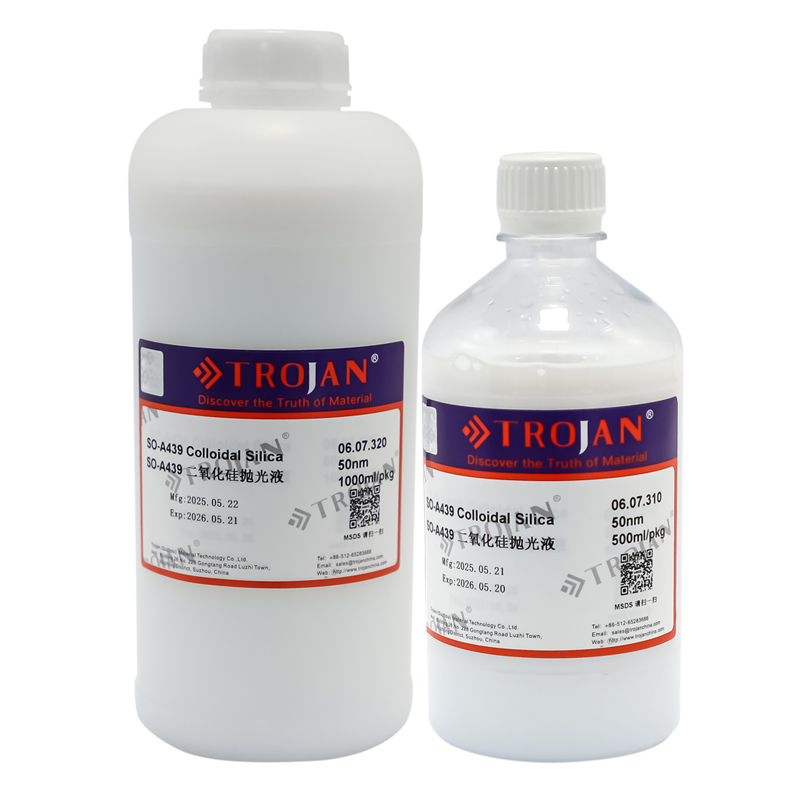
After grinding, the sample is polished on a rotating wheel using diamond suspensions or alumina slurries. A final polishing step with 0.05 µm colloidal silica is common for achieving a mirror-like surface with minimal residual deformation. The surface must be scratch-free before etching to ensure accurate microstructure visualization.
Chemical or electrolytic etching selectively attacks grain boundaries, phases, and structural features to create contrast under the microscope. The choice of etchant depends on the material:
| Material | Common Etchant | Typical Etching Time |
|---|---|---|
| Carbon Steel / Low Alloy Steel | Nital (2–5% HNO₃ in ethanol) | 5–30 seconds |
| Stainless Steel | Aqua Regia / Glyceregia | 10–60 seconds |
| Aluminum Alloys | Keller's Reagent | 10–20 seconds |
| Copper and Brass | Ammonium Persulfate Solution | 15–30 seconds |
Over-etching will obscure fine microstructural detail, while under-etching will produce insufficient contrast. Timing and concentration must be carefully controlled.
The etched sample is examined under a metallurgical microscope at magnifications typically ranging from 50× to 1000×. Objectives are selected based on the features of interest — low magnification for overall structure overview, high magnification for fine precipitates or crack tips. Digital cameras capture images for documentation. Image analysis software can then quantify grain size per ASTM E112, measure phase fractions, or assess inclusion ratings.
Reliable results depend on having the right metallographic equipment at each stage. Below is a summary of the core instruments used throughout the process.
Even with proper equipment, several variables can compromise sample quality. Understanding these factors helps prevent common errors.
Every cutting and grinding step introduces a deformed layer beneath the surface. Insufficient polishing leaves this damaged zone intact, causing false microstructural features under the microscope. Each grinding stage should remove at least 1.5× the depth of damage from the previous stage.
Contamination between polishing stages is a leading cause of scratches on the final surface. Thoroughly cleaning the sample with ethanol and drying with compressed air between each step is mandatory. Cross-contamination from coarser diamond compounds to finer polishing pads will re-introduce scratches that require additional polishing time.
Etchant reactivity changes with temperature. At room temperature above 25°C, etchants may act faster than expected, leading to over-etching. Standardize etching conditions by working at a consistent ambient temperature and always using freshly prepared solutions for critical analyses.
Incorrect Köhler illumination setup or a misaligned condenser will reduce image contrast and resolution. Calibrate the microscope stage micrometer regularly, especially after changing objectives, to ensure accurate dimensional measurements in image analysis.
The technique serves distinct purposes depending on the application context:
| Industry | Typical Application | Key Parameter Measured |
|---|---|---|
| Aerospace | Turbine blade grain inspection | Grain size, porosity, coating thickness |
| Automotive | Weld joint quality verification | Heat-affected zone width, crack detection |
| Tool and Die Manufacturing | Carbide distribution analysis | Phase fraction, carbide size and distribution |
| Additive Manufacturing | Printed part microstructure validation | Porosity level, layer bonding integrity |
| Failure Analysis | Root cause investigation | Crack morphology, inclusion content |
For a single standard sample, the full process from sectioning to microscopic examination typically takes 1 to 3 hours, depending on material hardness and the level of polishing required.
Yes. The same preparation steps apply to ceramics, composites, and electronic components, though etchants and abrasives must be selected for the specific material system.
Polishing is often considered the most critical step. Any residual scratches or deformation at this stage will directly affect the visibility and accuracy of microstructural features during examination.
Grain size measurement is typically performed at 100× magnification following ASTM E112 guidelines, though finer grain structures may require 200× or 400×.
For reproducibility and consistency across multiple samples, automated polishing machines are preferred. Manual polishing depends heavily on operator skill and introduces variability in applied force and time.
Uneven etching is usually caused by incomplete polishing, residual contamination, inconsistent etchant application, or a non-flat sample surface. Ensure the polished surface is fully clean and level before etching.
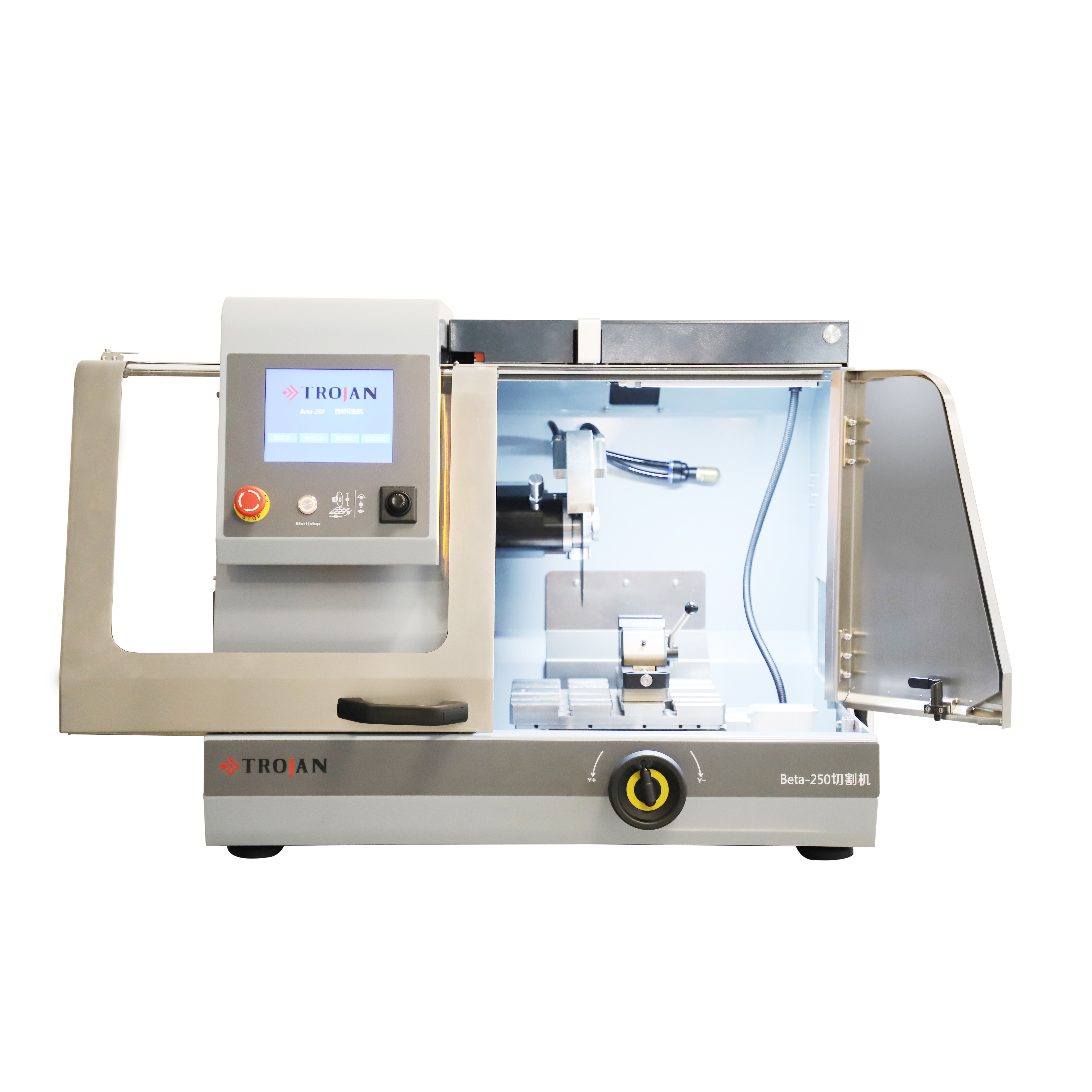
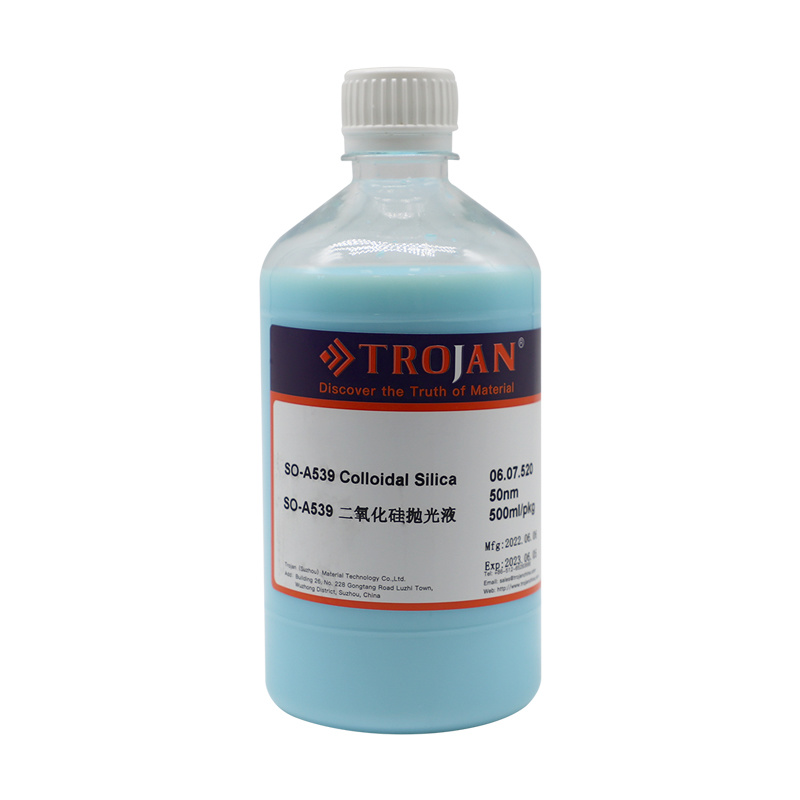
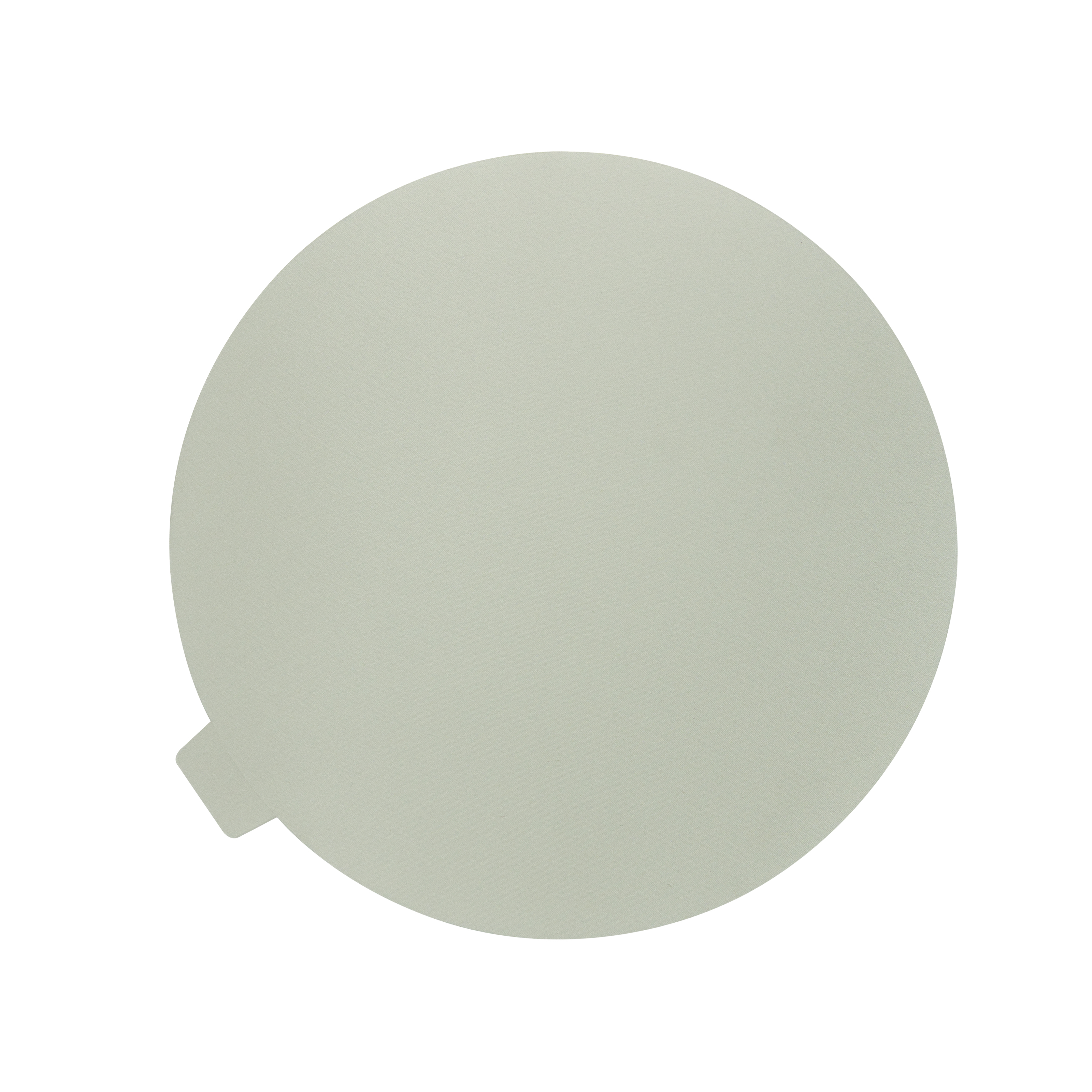
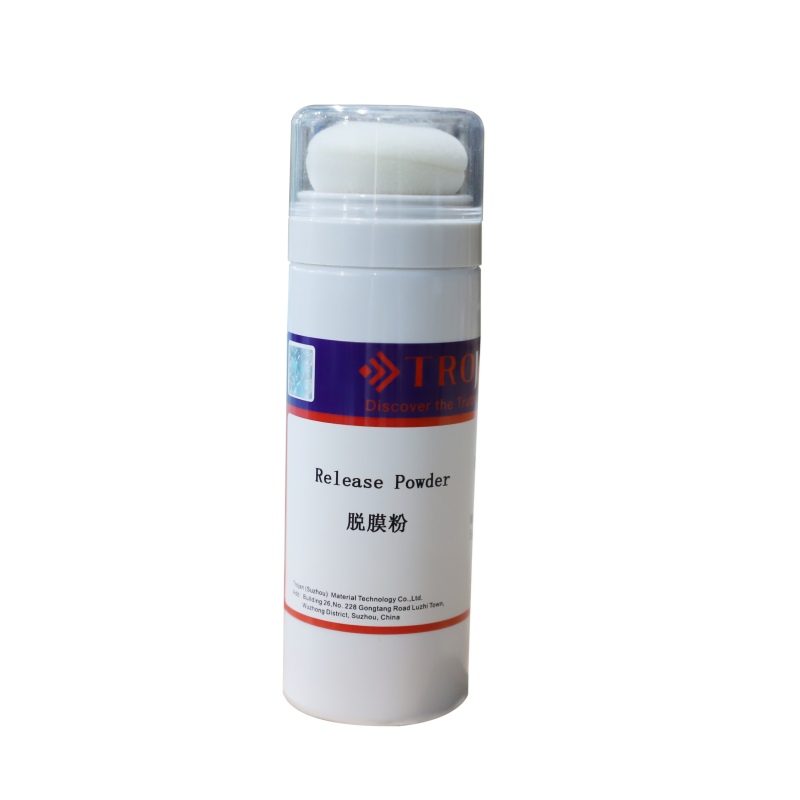

Based in China, TROJAN pays attention to the international market, and has sold metallographic equipment to more than 50 countries, such as Europe, America, Japan and South Korea, Southeast Asia countries and regions


