
 英语
英语 西班牙语
西班牙语 德语
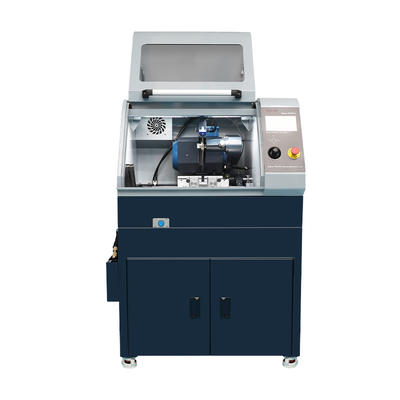
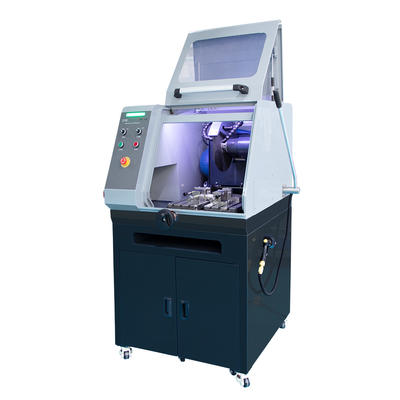
德语Beta-300Pro Automatic Abrasive Sectioning Machine
Beta-300Pro is a fully automatic vertical metallographic cutting machine. It utilizes advanced intel...
We use first- and third-party cookies including other tracking technologies from third party publishers to give you the full functionality of our website, to customize your user experience, perform analytics and deliver personalized advertising on our websites, apps and newsletters across internet and via social media platforms. For that purpose, we collect information about user, browsing patterns and device.
By clicking "Accept All Cookies", you accept this, and agree that we share this information with third parties, such as our advertising partners. If you prefer, you can choose to continue with "Only Required Cookies". But keep in mind that blocking some types of cookies may impact how we can deliver tailored content that you might like.
For more information and to customize your options, click on "Cookie settings". If you want to learn more about cookies and why we use them, visit our Cookie Policy page at any time. Cookie Policy

The UVmount Curing Machine represents a significant advancement in metallographic sample preparation technology. This innovative equipment utilizes ultraviolet light to rapidly cure mounting resins, transforming what traditionally took hours into a process measured in seconds or minutes. The technology addresses critical needs in modern laboratories where efficiency, sample integrity, and processing speed are paramount concerns.
At the core of this technology is the principle of photopolymerization, where UV light triggers a chemical reaction that converts liquid resin into a solid, transparent mount. The main wavelength of 365 nm is specifically selected to optimize the curing reaction while minimizing thermal stress on sensitive samples. This cold mounting approach eliminates the heat damage risks associated with traditional compression mounting methods, making it ideal for delicate materials and heat-sensitive specimens.
The UVmount Curing Machine offers a curing time range of 0 to 100 minutes, providing exceptional flexibility for various sample types and resin formulations. While the standard rapid curing cycle completes in approximately 60 seconds, the adjustable timer allows operators to customize the process based on specific requirements. This adaptability ensures that laboratories can achieve optimal results across diverse applications, from routine metallographic analysis to specialized research projects.
Understanding the average curing time is essential for laboratory planning and workflow optimization. The UVmount Curing Machine delivers remarkable speed without compromising quality, with typical curing cycles significantly shorter than conventional mounting methods. For standard samples using fast-curing UV resins, the average curing time ranges from 60 seconds to 10 minutes, depending on sample size, resin type, and desired hardness.
For routine metallographic samples with diameters between 25mm and 50mm, the UVmount system achieves complete curing in approximately 60 seconds when using optimized UV-curable acrylic resins. This rapid processing capability represents a dramatic improvement over traditional epoxy mounting, which typically requires 8 to 24 hours for full curing. The 60-second standard cycle enables laboratories to process multiple samples efficiently, significantly increasing throughput.
Sample height also influences curing time. The UVmount Curing Machine accommodates samples up to 50mm (2 inches) in height. Thicker mounts may require extended exposure times to ensure complete polymerization throughout the entire volume. For mounts approaching the maximum 50mm height, curing times may extend to 8-10 minutes to guarantee uniform hardness and eliminate uncured resin zones.
When processing multiple samples simultaneously on the 260 x 200mm sample support surface, the average curing time remains consistent with single-sample processing. The dual light source configuration—featuring upper and lower UV lamps—ensures uniform irradiation across the entire chamber, eliminating dead angles and ensuring all samples receive equal exposure. This design allows laboratories to batch-process samples without extending the standard curing duration.
Several critical factors determine the optimal curing time for samples in a UVmount Curing Machine. Understanding these variables enables operators to fine-tune the process for specific applications, ensuring consistent quality while maximizing efficiency.
The type of UV-curable resin significantly impacts curing time. One-component modified methacrylate systems, commonly used with UVmount equipment, are specifically formulated for rapid photopolymerization. These resins achieve a Shore D hardness of 83 after complete curing, providing excellent edge retention and grindability for subsequent metallographic preparation steps.
Some specialized formulations prioritize slower curing to minimize gap formation around samples, requiring 8-10 minutes for optimal results. These extended-cure formulations are particularly valuable for samples requiring exceptional edge retention or those with complex geometries where resin shrinkage must be carefully controlled.
The material being mounted affects curing parameters. Metallic samples, functional ceramics, and soft to medium-hard materials process exceptionally well within the standard 60-second cycle. However, samples with high thermal conductivity may benefit from slightly extended curing times to ensure the resin achieves full polymerization temperature without thermal shock.
Porous materials or samples with complex surface geometries may require layer-by-layer mounting techniques. In such cases, each layer receives individual UV exposure, with cumulative curing time increasing proportionally with the number of layers. This approach maintains low heat input while ensuring complete infiltration and curing.
The UVmount Curing Machine operates at a primary wavelength of 365 nm, which corresponds to the optimal absorption spectrum of standard UV-curable mounting resins. The intensity of UV irradiation directly correlates with curing speed—higher intensity enables faster polymerization, while lower intensity requires extended exposure.
The dual light source system provides comprehensive coverage, with upper and lower lamps ensuring that samples cure uniformly from both surfaces. This configuration prevents the formation of uncured zones in the center of thick mounts and eliminates the need for sample rotation during the curing process.
The UVmount Curing Machine is engineered to deliver consistent, repeatable results across a wide range of operating conditions. Understanding the technical specifications helps laboratory managers assess equipment capabilities and plan integration into existing workflows.
| Parameter | Specification |
| Sample Support Surface | 260 x 200mm (10.2 x 7.9 inch) |
| Maximum Sample Height | 50mm (2 inch) |
| Curing Time Range | 0 - 100 minutes |
| Standard Curing Time | 60 seconds |
| UV Wavelength | 365 nm (main) |
| Maximum Curing Temperature | < 90°C |
| Final Sample Temperature | < 60°C |
| Power Supply | 85-240V, 50/60Hz |
| Equipment Weight | 15 kg (33 lbs) |
The temperature control features are particularly noteworthy. Despite the rapid curing process, the UVmount system maintains the maximum curing temperature below 90°C, with samples emerging at temperatures below 60°C. This low-heat operation protects temperature-sensitive materials and eliminates the thermal damage risks associated with hot compression mounting methods.
Achieving optimal laboratory efficiency requires balancing curing time with sample quality requirements. The UVmount Curing Machine's adjustable timing capabilities enable operators to develop standardized protocols that maximize throughput while ensuring consistent results.
The equipment features 4 preset timer buttons that allow operators to store frequently used curing durations. This functionality eliminates manual time entry for routine applications, reducing operator error and accelerating workflow. Typical preset configurations might include:
The rapid curing capability of the UVmount system enables significant workflow optimization. Laboratories can implement continuous processing cycles where operators prepare subsequent samples while current samples cure. With a 60-second standard cycle, an experienced operator can prepare and mount 40-50 samples per hour, dramatically increasing laboratory throughput compared to traditional mounting methods.
The automatic sample delivery system further enhances efficiency. Upon completion of the curing cycle, the equipment automatically presents the finished mount, eliminating manual retrieval and reducing cycle time. The one-key start functionality simplifies operation, allowing even novice users to achieve consistent results.
Maintaining consistent curing quality is essential for reliable metallographic analysis. The UVmount Curing Machine incorporates several features designed to ensure repeatable results across all samples.
The dual light source configuration—featuring upper and lower UV lamps—provides 360-degree irradiation coverage. This design ensures that samples cure uniformly from the inside out, eliminating the density variations and hardness inconsistencies that can compromise subsequent grinding and polishing operations. The uniform curing process produces mounts with consistent Shore D hardness of 83, ensuring predictable material removal rates during preparation.
The integrated dual fan cooling system maintains optimal operating temperatures during continuous use. This cooling capability prevents UV lamp overheating, ensuring consistent light intensity throughout extended operating sessions. Temperature stability directly correlates with curing consistency—variations in lamp temperature can affect output intensity and, consequently, curing time requirements.
The cooling system also ensures that samples emerge at safe handling temperatures. With final sample temperatures below 60°C, operators can immediately proceed with subsequent preparation steps without waiting for thermal equilibration.
The UVmount Curing Machine serves diverse applications across multiple industries, with curing time requirements varying based on specific material characteristics and analytical requirements.
In metallographic laboratories, the UVmount system excels at preparing samples for microstructural analysis. Standard metallic samples—including steels, aluminum alloys, copper, and specialty alloys—process effectively within the 60-second standard cycle. The transparent mounting medium enables clear visualization of sample edges during grinding and polishing, facilitating precise targeting of analysis areas.
For electronic components and semiconductor materials, the low-temperature curing process is particularly valuable. These heat-sensitive materials require mounting methods that preserve microstructural integrity. The UVmount system's maximum temperature below 90°C prevents thermal damage to solder joints, coatings, and polymer substrates while delivering fully cured mounts in minutes rather than hours.
Functional ceramics and composite materials benefit from the UVmount's gentle mounting approach. The absence of mechanical pressure prevents cracking and delamination of brittle materials, while the rapid curing minimizes exposure to any thermal effects. For porous ceramics, the low-viscosity UV resin options provide excellent infiltration, with curing times adjusted to ensure complete polymerization within pore structures.
Understanding the time advantages of UVmount technology requires comparison with conventional mounting approaches. This analysis demonstrates why laboratories increasingly adopt UV curing systems for routine sample preparation.
| Mounting Method | Average Curing Time | Temperature Exposure |
| UVmount Curing Machine | 60 seconds - 10 minutes | < 90°C |
| Standard Epoxy Casting | 8 - 24 hours | Room temperature to 60°C |
| Fast-Cure Acrylic | 15 - 30 minutes | Exothermic heat to 100°C+ |
| Compression Mounting | 5 - 15 minutes | 150 - 180°C |
The time advantages are clear: UVmount technology reduces curing time by 99% compared to standard epoxy and 90% compared to fast-cure acrylics. Even compared to compression mounting, which requires 5-15 minutes per cycle, the UVmount's 60-second standard cycle offers significant throughput improvements.
Beyond speed, the temperature advantages are substantial. Compression mounting exposes samples to temperatures of 150-180°C, which can alter microstructures in heat-sensitive materials. Self-curing acrylics generate significant exothermic heat during polymerization, potentially damaging delicate specimens. The UVmount system's controlled low-temperature process preserves sample integrity while delivering superior processing speed.
Maximizing the benefits of UVmount technology requires adherence to established best practices. These guidelines help operators achieve consistent, high-quality results while minimizing curing time.
Proper sample preparation directly impacts curing efficiency. Samples should be thoroughly cleaned and completely dry before mounting. Contamination or moisture can interfere with resin polymerization, potentially requiring extended curing times or compromising mount quality. For porous materials, vacuum infiltration prior to UV exposure ensures complete resin penetration, enabling uniform curing throughout the sample.
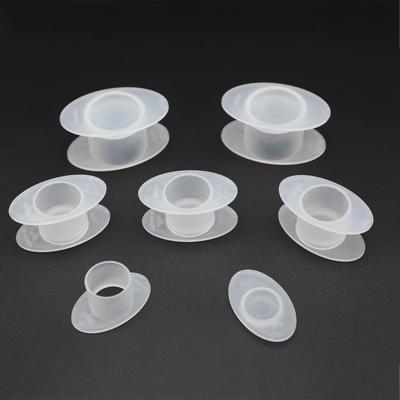
Using UV-transparent molds is essential for optimal curing. Polypropylene molds or specialized clear mounting cups allow UV transmission from all directions, facilitating uniform polymerization. Molds should be clean and free of residual release agents that could inhibit curing at the mount surface.
Proper mold filling minimizes air entrapment, reducing bubble formation that could necessitate remounting. Pouring resin slowly along the mold wall, rather than directly onto the sample, helps prevent air pocket formation.
After the curing cycle completes, allow mounts to cool briefly if they feel warm to the touch. While the UVmount system maintains low temperatures, some residual heat may be present. Cleaning cured samples in an ethanol bath removes any release agent residue and prepares mounts for grinding and polishing operations.
Avoid extended ethanol exposure, as prolonged immersion can affect mount surface quality. Brief rinsing or ultrasonic cleaning for 1-2 minutes typically provides optimal results.
Modern laboratories prioritize operator safety and environmental responsibility. The UVmount Curing Machine addresses these concerns through thoughtful design features that complement its rapid curing capabilities.
The optional air extraction and purification system prevents the release of unpleasant odors during the curing process. This feature is particularly valuable in laboratories processing high volumes of samples or operating in confined spaces. The closed-chamber design contains resin vapors during curing, with optional activated carbon filtration removing volatile compounds before air recirculation.
The automatic door system with electric open/close functionality prevents operator exposure to UV radiation during the curing cycle. The chamber remains sealed throughout the process, with UV lamps automatically deactivating if the door is opened prematurely. These safety interlocks protect operators while ensuring consistent curing conditions.
The equipment's compact dimensions—400 x 404 x 188mm when closed—minimize laboratory space requirements while maintaining safe operating clearances. At 15 kg, the unit is readily repositionable as laboratory layouts evolve.
Sustaining optimal curing performance requires routine maintenance. The UVmount Curing Machine is designed for minimal maintenance requirements, with accessible components and straightforward service procedures.
UV lamps experience gradual intensity attenuation over extended use. Regular monitoring of curing times helps identify when lamp replacement may be necessary. If standard samples require progressively longer curing times to achieve full hardness, lamp replacement should be considered. Maintaining spare lamps ensures continuous operation without workflow interruption.
Periodic cleaning of the curing chamber maintains optimal UV reflectivity and prevents contamination buildup. The smooth interior surfaces are readily accessible for wiping with appropriate cleaning agents. Avoid abrasive cleaners that could scratch reflective surfaces and reduce UV distribution efficiency.
The cooling system filters should be inspected quarterly and cleaned or replaced as necessary. Restricted airflow can compromise temperature control and potentially extend required curing times.
The time savings provided by UVmount technology translate directly into economic benefits for laboratory operations. Understanding these advantages helps justify equipment investment and optimize resource allocation.
Reducing curing time from hours to minutes dramatically increases laboratory throughput. A single UVmount unit can process the sample volume that would require multiple traditional mounting stations, reducing capital equipment requirements and laboratory space needs. Labor efficiency improves as operators spend less time waiting for curing completion and more time on value-added preparation activities.
The one-component resin system eliminates mixing time and ratio verification, further accelerating the mounting process. Unlike two-part epoxy systems that require precise measurement and thorough mixing, UV resins are ready to use directly from the container, reducing preparation time and minimizing waste from mixing errors.
The consistent quality achieved through controlled UV curing reduces the need for remounting due to incomplete curing, bubble formation, or thermal damage. Each remounting event consumes additional resin, molds, and labor while delaying analytical results. The UVmount system's reliability minimizes these costly interruptions.
UV curing technology continues evolving, with ongoing developments promising further improvements in speed, quality, and capabilities. Understanding these trends helps laboratories plan long-term equipment strategies.
Next-generation UV-curable resins are being developed with enhanced properties, including lower shrinkage, improved edge retention, and specialized characteristics for specific applications. These formulations may enable even faster curing times while delivering superior mount quality. Laboratories should stay informed about new resin options that could further optimize their mounting operations.
The integration of UVmount systems with automated sample preparation lines represents a significant trend in high-volume laboratories. Automated sample loading, curing, and retrieval systems can operate continuously with minimal operator intervention, maximizing the benefits of rapid curing technology. The UVmount's one-key operation and automatic sample delivery provide a foundation for future automation integration.
The minimum practical curing time is approximately 60 seconds for standard samples using fast-cure UV resin. While the equipment offers timer settings down to 0 minutes, effective polymerization requires sufficient UV exposure to initiate and complete the chemical reaction. Attempting to cure for less than 60 seconds may result in incomplete hardening and compromised mount quality.
Yes, the UVmount Curing Machine features adjustable curing times from 0 to 100 minutes. Small samples (25mm diameter, thin mounts) typically cure effectively in 60 seconds. Larger samples or those approaching the maximum 50mm height may require 5-10 minutes for complete through-curing. The 4 preset timer buttons allow quick selection of appropriate durations for common sample configurations.
Sample thickness directly influences curing time. The UV light must penetrate through the entire resin volume to ensure complete polymerization. For mounts up to 25mm thick, the standard 60-second cycle is typically sufficient. For mounts between 25-50mm thick, extending the curing time to 8-10 minutes ensures the center of the mount achieves full hardness. The dual light source system helps minimize this effect by curing from both directions.
Exceeding the optimal curing time rarely damages the mount but provides no additional benefit. Once polymerization is complete, additional UV exposure does not further enhance hardness or properties. The UVmount's temperature control system prevents overheating even during extended cycles, though unnecessary extended curing reduces throughput and increases energy consumption without quality benefits.
Fully cured mounts exhibit a Shore D hardness of 83 and feel solid to the touch with no tacky surfaces. The resin transforms from liquid to a rigid, transparent solid. If the mount remains soft or sticky after the curing cycle, extend the curing time for subsequent similar samples. The transparent appearance of properly cured mounts allows visual verification of sample positioning and edge condition.
No, unlike traditional compression mounting equipment that requires preheating, the UVmount system is ready for immediate operation. The UV lamps achieve full output intensity instantly when activated, eliminating warm-up delays. This immediate readiness contributes to the system's exceptional throughput capabilities.
The UVmount Curing Machine features safety interlocks that prevent door opening during active UV exposure. Opening the chamber interrupts the curing cycle and exposes the operator to UV radiation. For safety and quality reasons, allow the programmed curing time to complete before retrieving samples. The transparent mold materials allow visual monitoring without chamber opening.
The UVmount Curing Machine operates effectively across standard laboratory temperature ranges (15-30°C). The internal temperature control systems maintain consistent curing conditions regardless of ambient variations. Extreme temperatures outside this range may slightly affect resin viscosity and flow characteristics but typically do not require curing time adjustments.
Regular UV lamp replacement according to manufacturer recommendations maintains consistent output intensity and curing times. Cleaning the chamber and reflective surfaces preserves UV distribution efficiency. The dual fan cooling system requires periodic filter cleaning to maintain temperature control. Following the recommended maintenance schedule ensures that the 60-second standard curing time remains achievable throughout the equipment's service life.
The 60-second curing time applies specifically to UV-curable resins formulated for rapid photopolymerization, such as modified methacrylate systems designed for UVmount equipment. Traditional two-part resins (epoxies, self-curing acrylics) are not compatible with UV curing and require their standard curing durations. Always use resins specifically formulated for UV curing to achieve the rapid processing times the UVmount system enables.
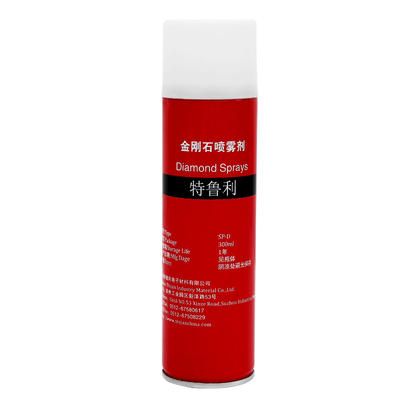
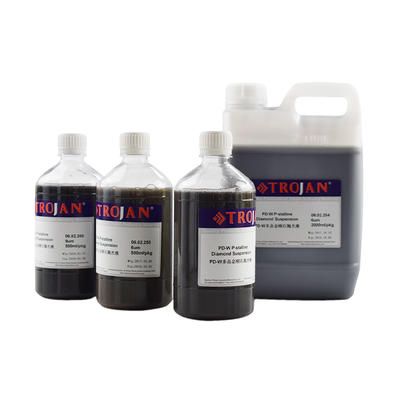

Based in China, TROJAN pays attention to the international market, and has sold metallographic equipment to more than 50 countries, such as Europe, America, Japan and South Korea, Southeast Asia countries and regions


