
 英语
英语 西班牙语
西班牙语 德语
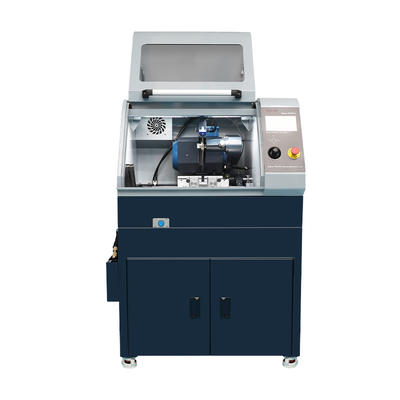
德语Beta-300Pro Automatic Abrasive Sectioning Machine
Beta-300Pro is a fully automatic vertical metallographic cutting machine. It utilizes advanced intel...
We use first- and third-party cookies including other tracking technologies from third party publishers to give you the full functionality of our website, to customize your user experience, perform analytics and deliver personalized advertising on our websites, apps and newsletters across internet and via social media platforms. For that purpose, we collect information about user, browsing patterns and device.
By clicking "Accept All Cookies", you accept this, and agree that we share this information with third parties, such as our advertising partners. If you prefer, you can choose to continue with "Only Required Cookies". But keep in mind that blocking some types of cookies may impact how we can deliver tailored content that you might like.
For more information and to customize your options, click on "Cookie settings". If you want to learn more about cookies and why we use them, visit our Cookie Policy page at any time. Cookie Policy

Thermal spraying is an advanced surface engineering technology that heats materials to a molten or semi-molten state, then sprays them onto a substrate surface at high velocity to form a functional protective coating.
Like applying custom-made armor to workpieces, it significantly improves key properties including wear resistance, corrosion resistance, high-temperature resistance, thermal insulation, electrical insulation or conductivity.
From flame spraying, arc spraying to plasma spraying, processes have been continuously upgraded, and coating quality and precision have steadily improved. It is widely used in high-end manufacturing sectors such as aerospace, petrochemical, machinery, and molds.
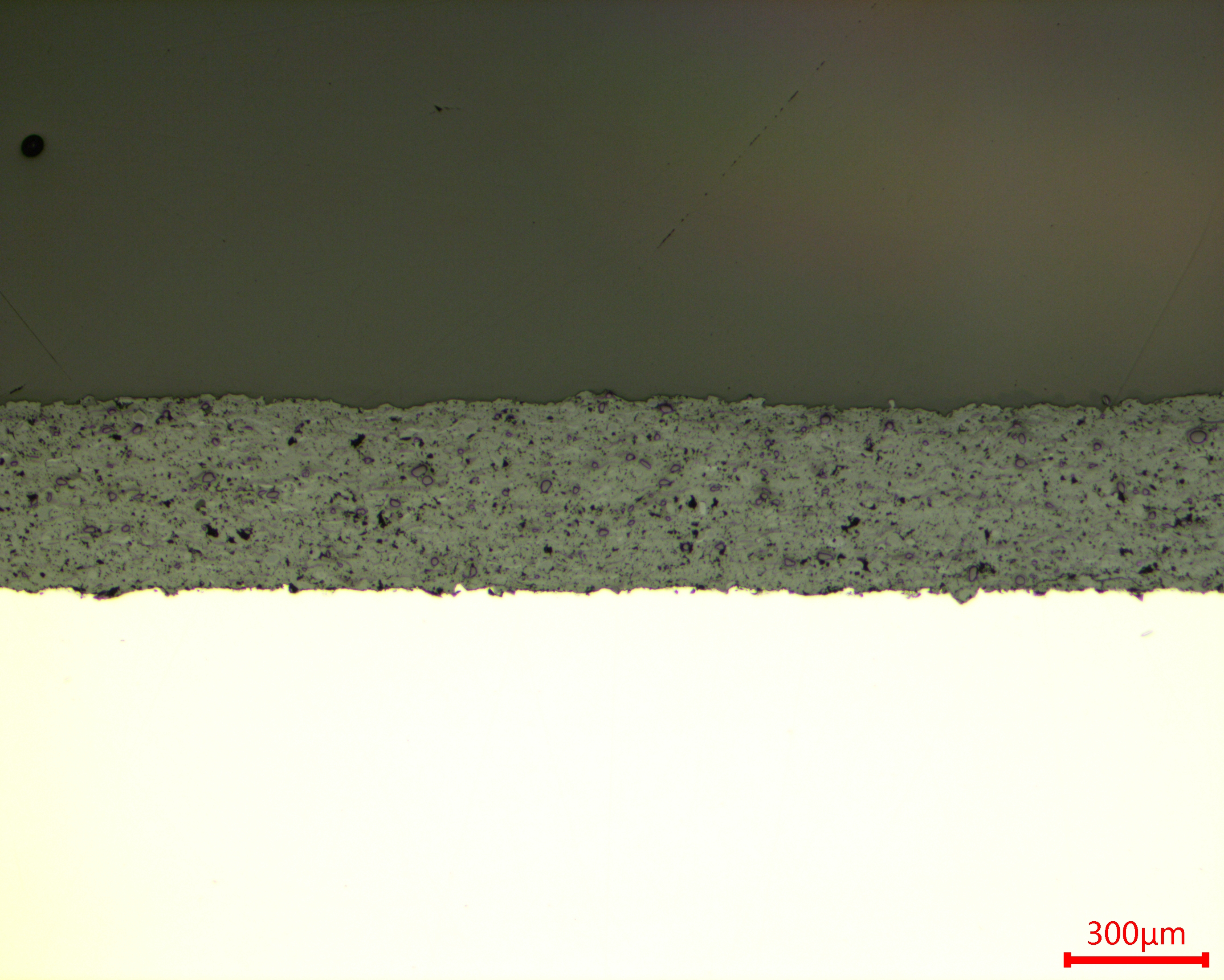
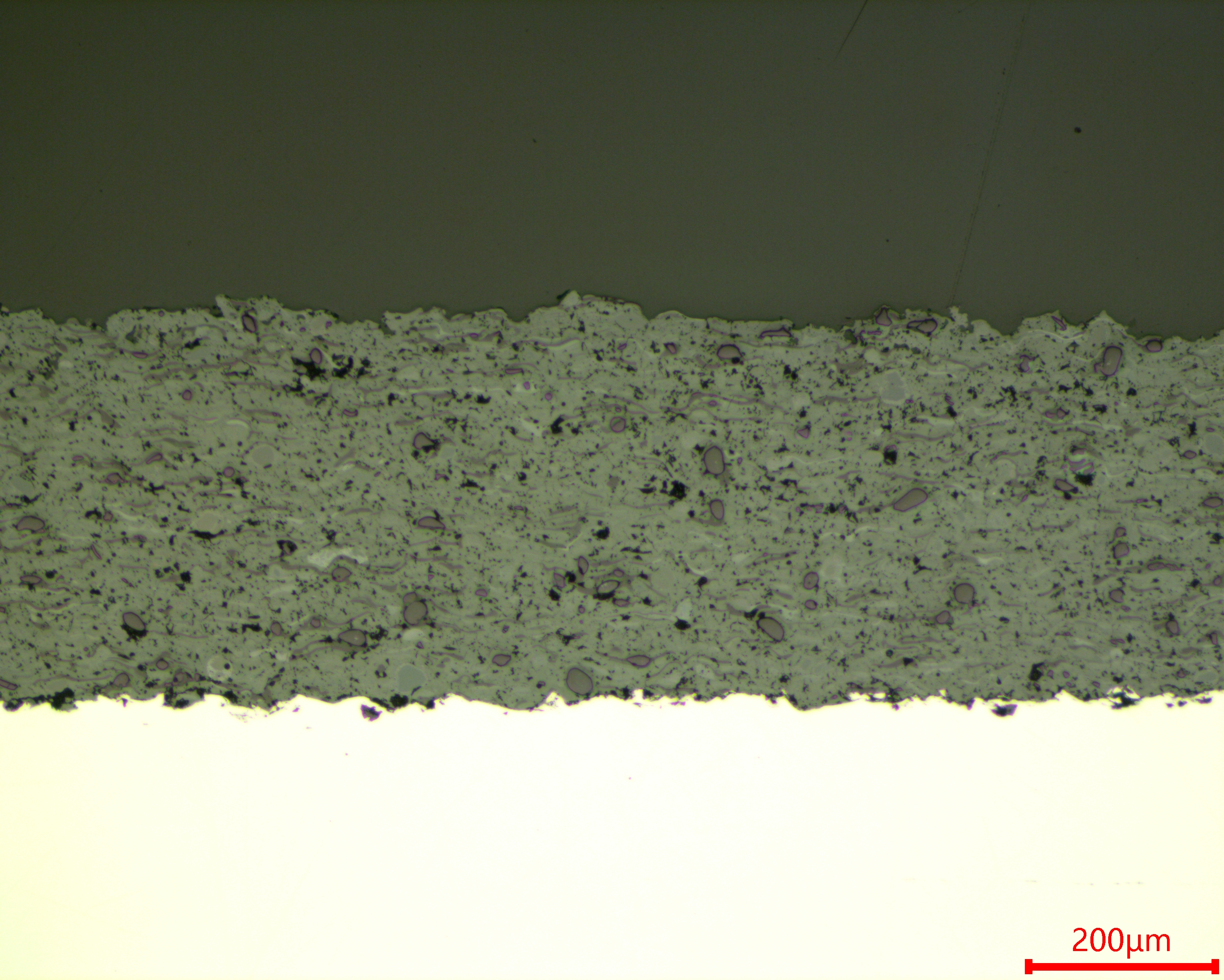
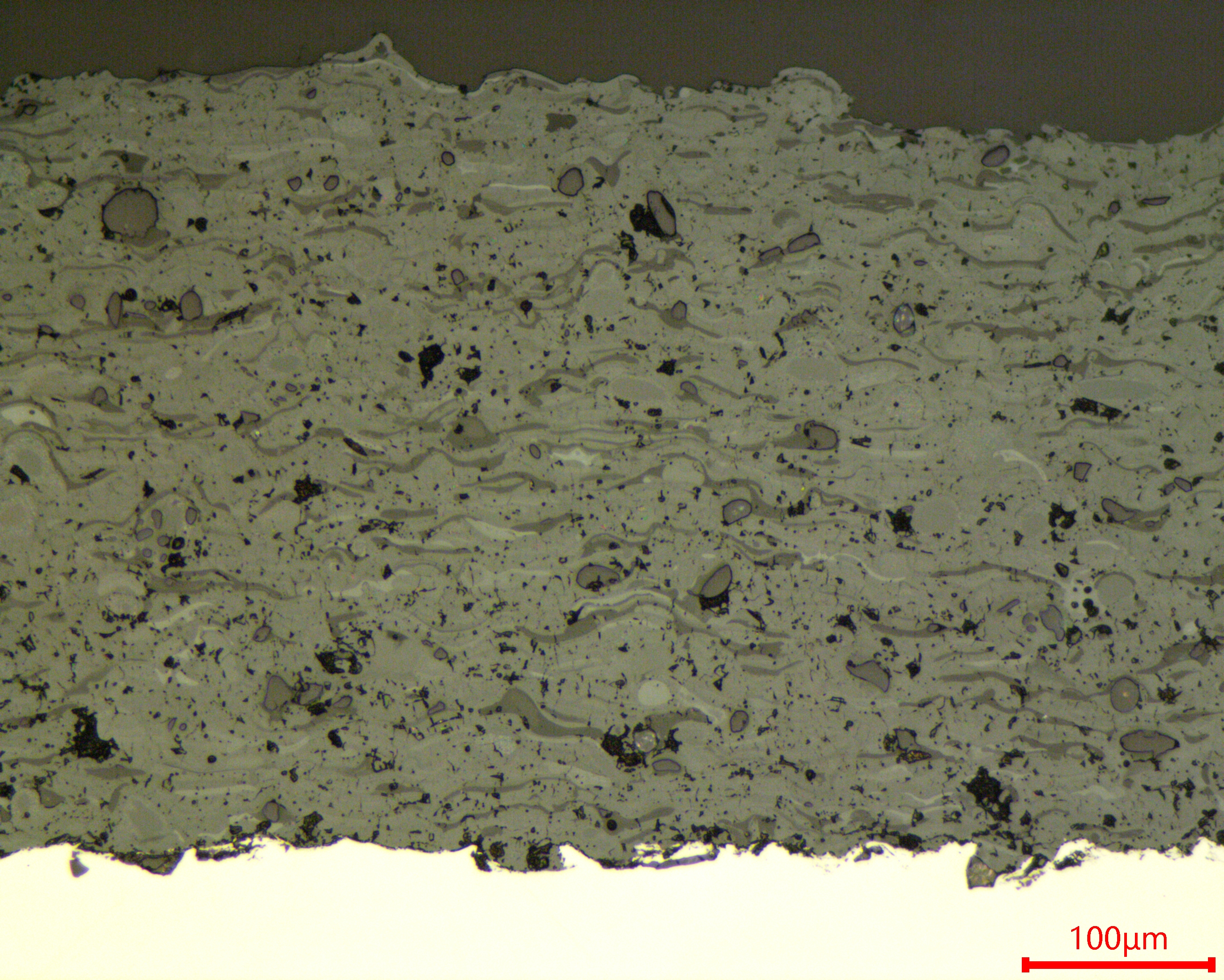
As a critical method for evaluating coating quality, metallographic analysis accurately characterizes porosity, interfacial bonding, phases, and coating thickness, providing essential data for process optimization and quality control.
The evaluation of coating properties highly depends on accurate metallographic examination, and sample preparation quality directly determines result reliability.
Common issues such as misjudged porosity, artificial cracks, and interface damage are often caused by improper preparation procedures, rather than actual defects in the coating.
Below is a recommended metallographic preparation workflow for flame-sprayed coatings:
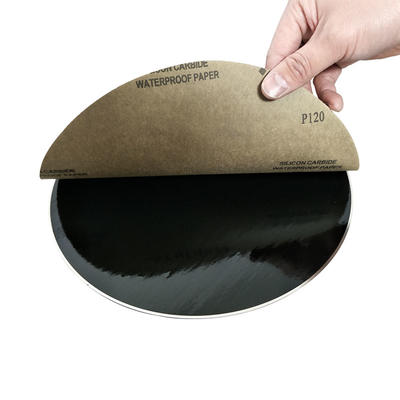
1️⃣ Plane using P180 metallographic abrasive paper
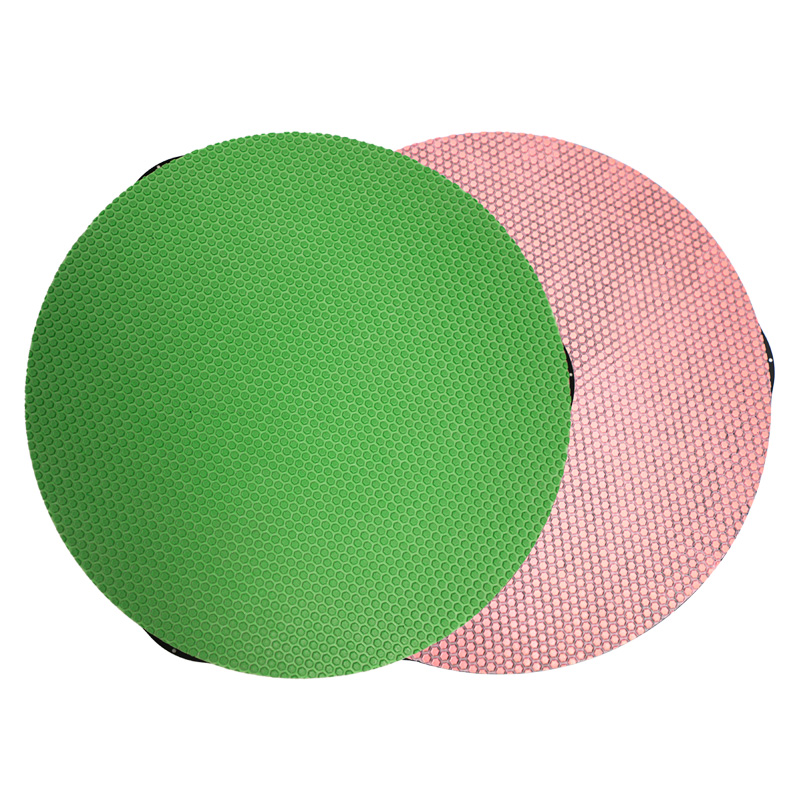
2️⃣ Fine grind with POS grinding disc + 9 μm PD-WT polishing suspension
3️⃣ Rough polish with GF-JP polishing cloth + 3 μm PD-WT polishing suspension
4️⃣ Final polish with ET-JP polishing cloth + 1 μm PD-WT polishing suspension
#TROJAN #Trojanmetallography #Metallographic #Material
.jpg?imageView2/2/w/400/format/jpg/q/75 "PL-W Polishing Lubricants")
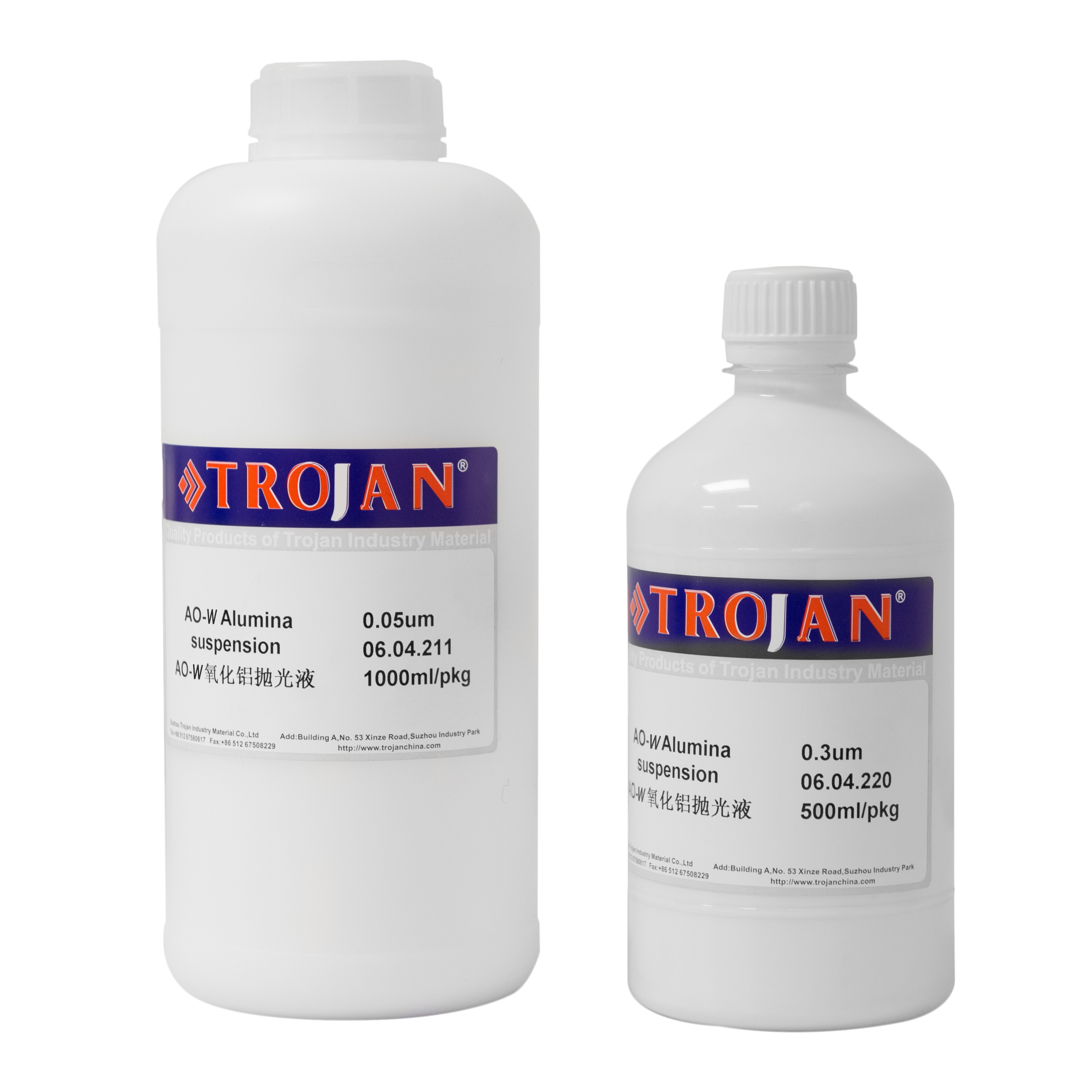
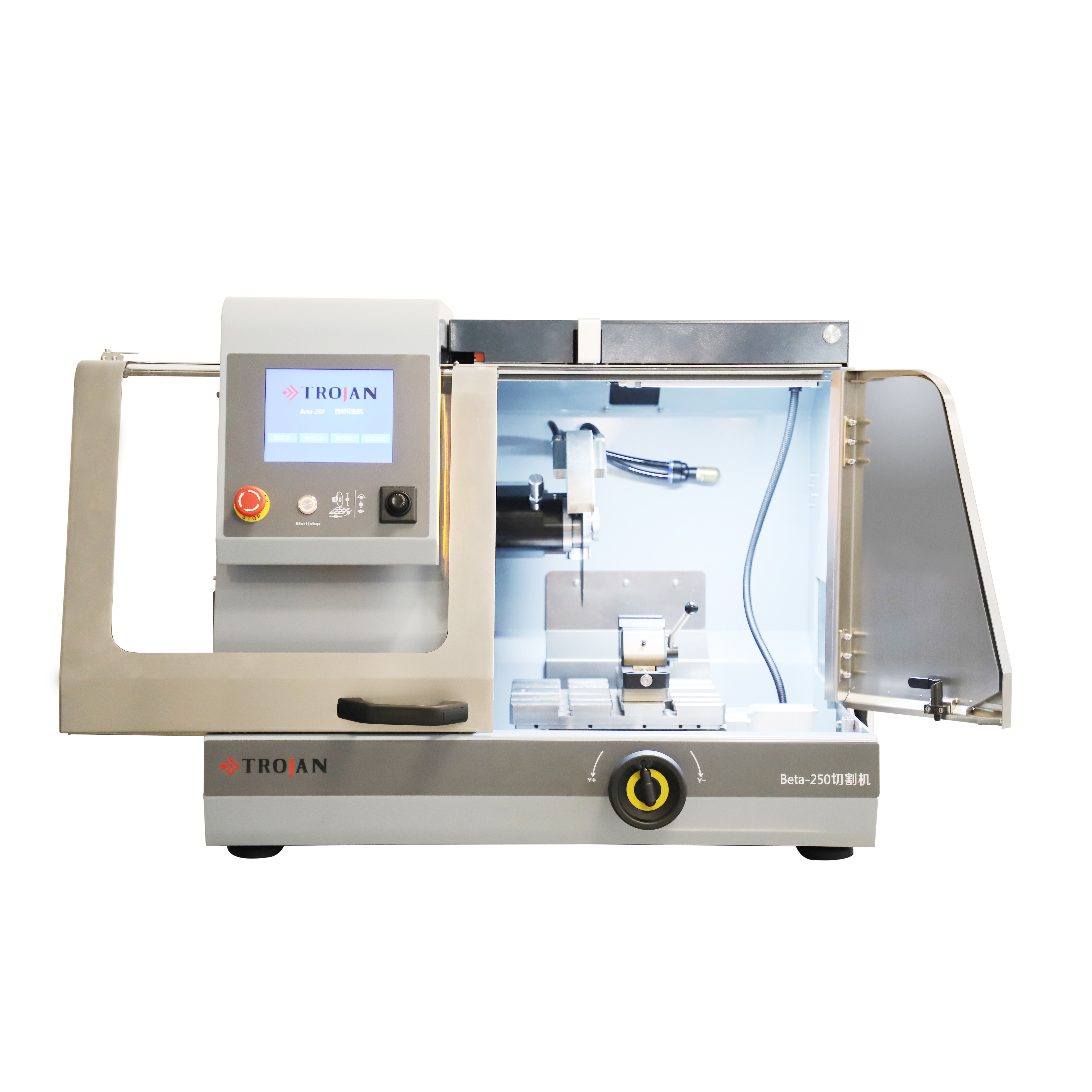


Based in China, TROJAN pays attention to the international market, and has sold metallographic equipment to more than 50 countries, such as Europe, America, Japan and South Korea, Southeast Asia countries and regions


