
 英语
英语 西班牙语
西班牙语 德语
德语Abrasive Wheels
Product Description
Cuting is the first step in material analysis, and the selection of the cutting ...
We use first- and third-party cookies including other tracking technologies from third party publishers to give you the full functionality of our website, to customize your user experience, perform analytics and deliver personalized advertising on our websites, apps and newsletters across internet and via social media platforms. For that purpose, we collect information about user, browsing patterns and device.
By clicking "Accept All Cookies", you accept this, and agree that we share this information with third parties, such as our advertising partners. If you prefer, you can choose to continue with "Only Required Cookies". But keep in mind that blocking some types of cookies may impact how we can deliver tailored content that you might like.
For more information and to customize your options, click on "Cookie settings". If you want to learn more about cookies and why we use them, visit our Cookie Policy page at any time. Cookie Policy

The cross-sectional morphology of nylon and PET fibers holds critical clues to material performance. Metallographic analysis reveals distinct fiber cross-section geometries—standard circular, custom cross-shaped, hollow or trilobal profiles. These microstructures directly govern fiber luster, hand feel, moisture absorption and mechanical strength.
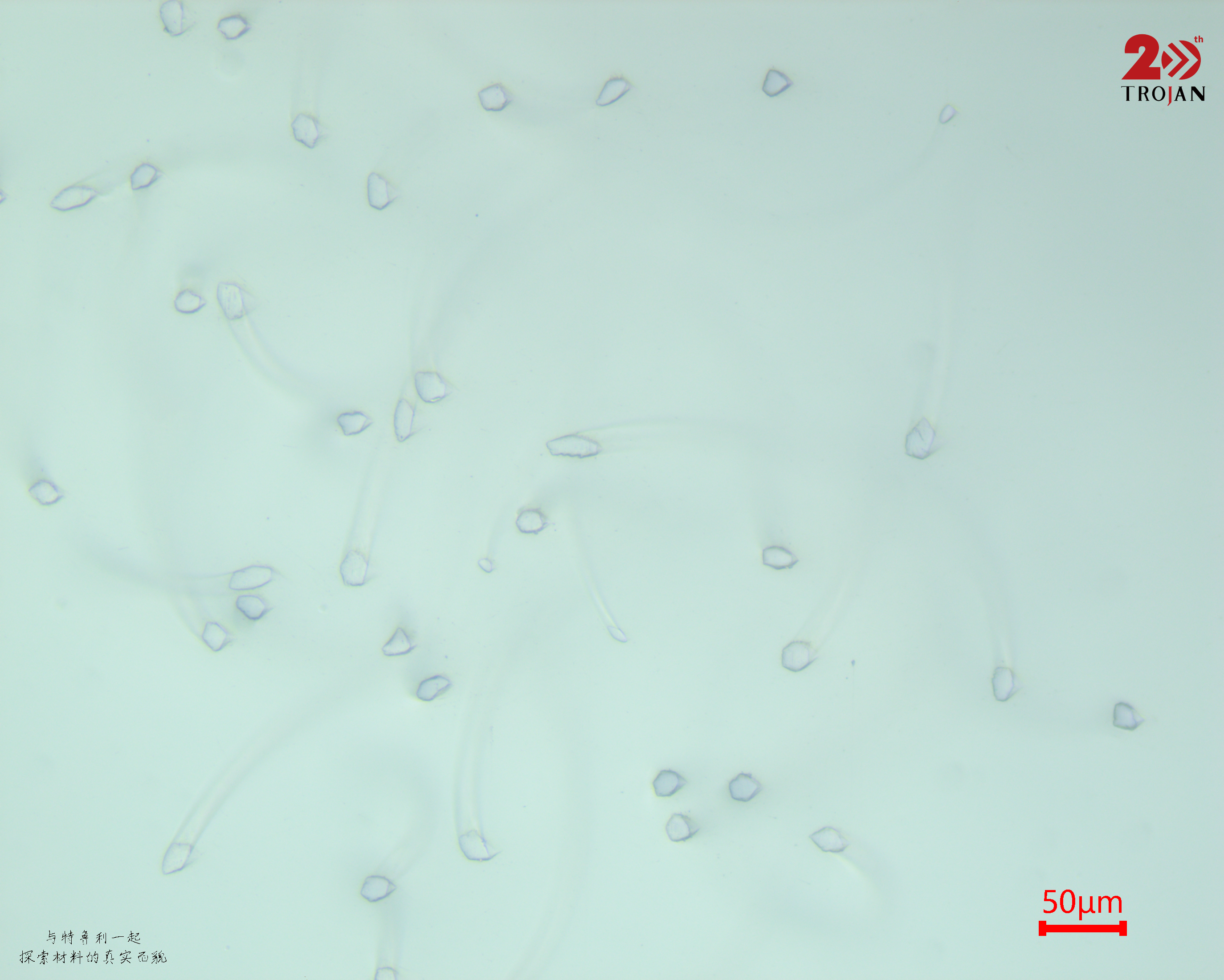 Figure 1: Overview of Fiber Cross-Sections
For instance, hollow cross-sections deliver lightweight warmth, while profiled shapes improve moisture wicking. Engineers utilize metallographic observation to rapidly identify fiber types, evaluate spinning process consistency, and detect defects such as air bubbles, irregular profiles and voids.
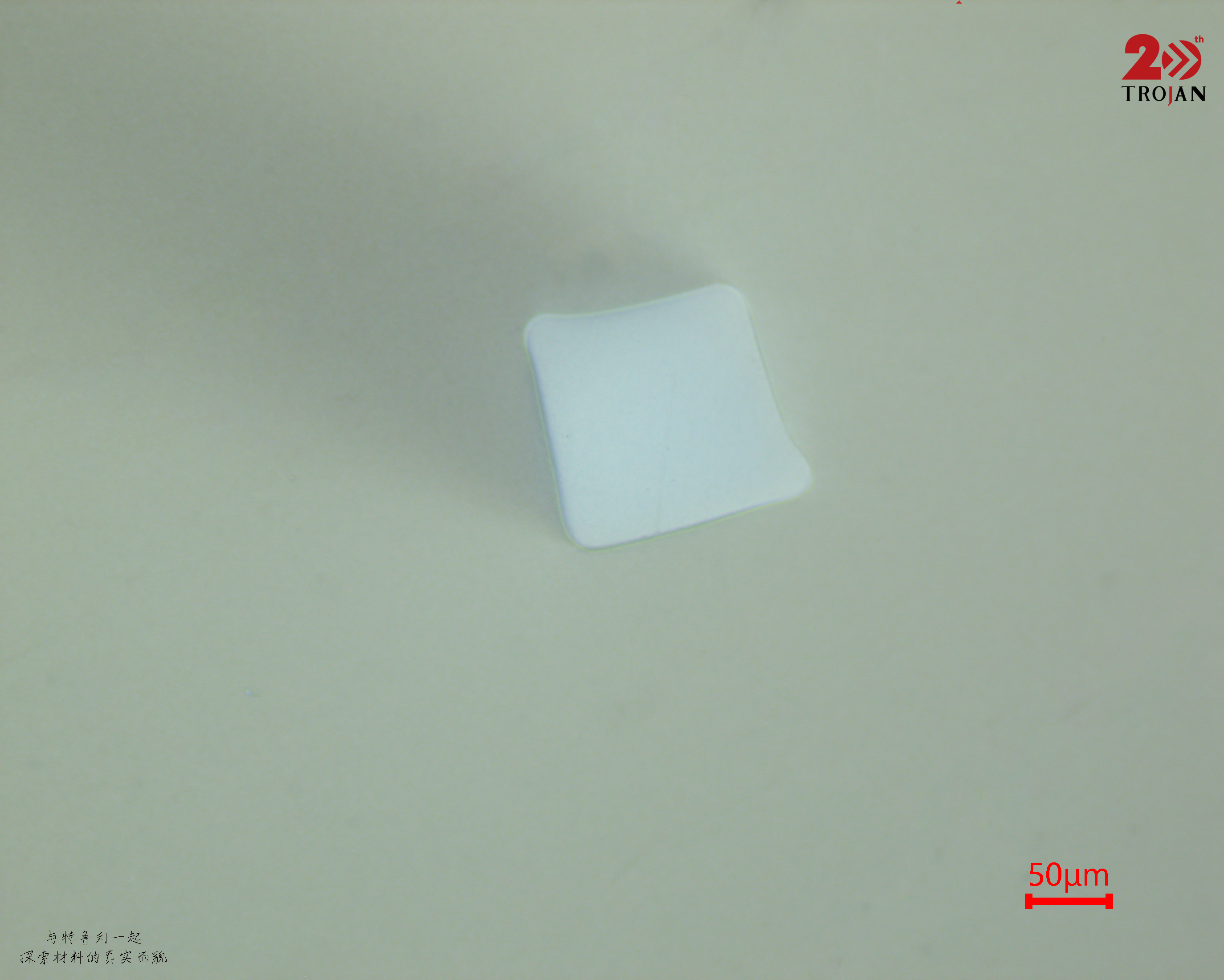 Figure 2: Custom Profile Geometry
Whether for process optimization, quality improvement or failure investigation, cross-section metallographic analysis acts as a "microscope lens" linking microstructures to macroscopic properties, supporting material innovation.
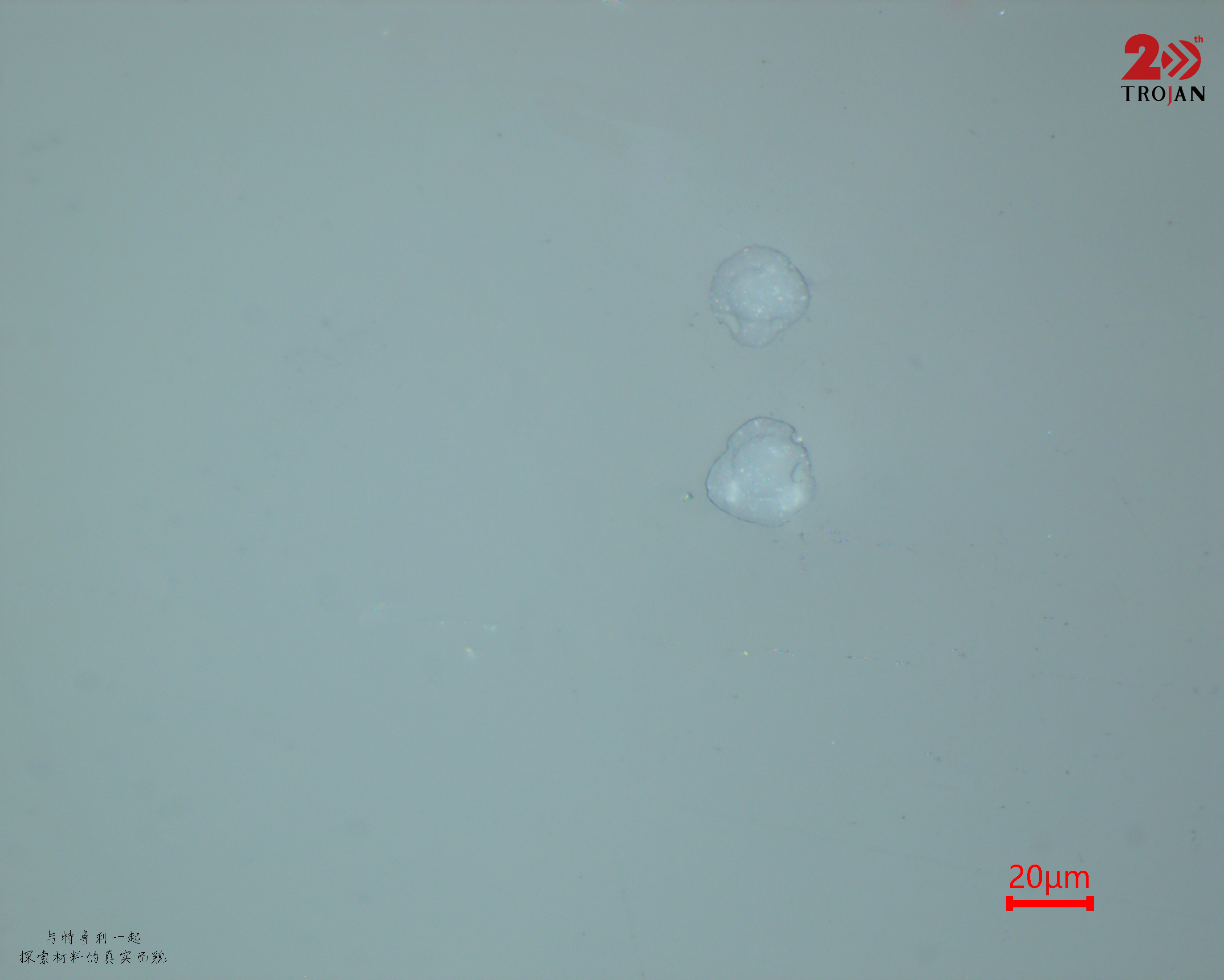 Figure 3: High-Magnification Defect Detection
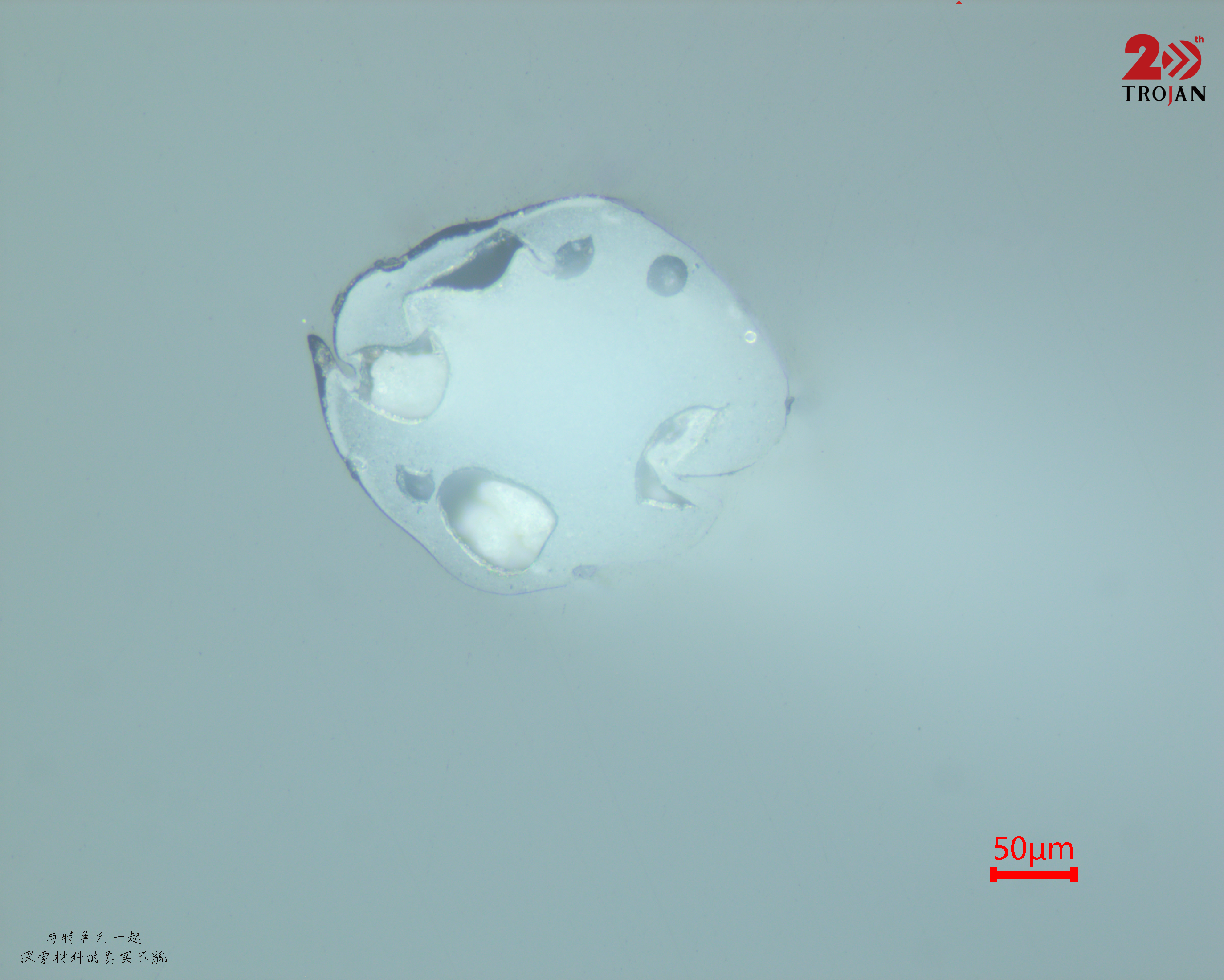 Figure 4: Final Polished Microstructure
#Trojan #Trojanmetallography #Metallography #SamplePreparation #PolymerFiber #Nylon #PET #MaterialScience #TextileTesting #QualityControl
.jpg?imageView2/2/w/400/format/jpg/q/75 "Abrasive Wheels")

Based in China, TROJAN pays attention to the international market, and has sold metallographic equipment to more than 50 countries, such as Europe, America, Japan and South Korea, Southeast Asia countries and regions


