 英语
英语 西班牙语
西班牙语 德语
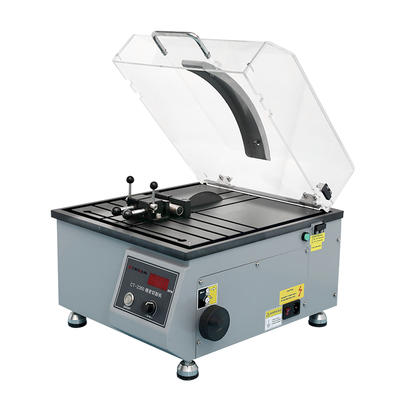
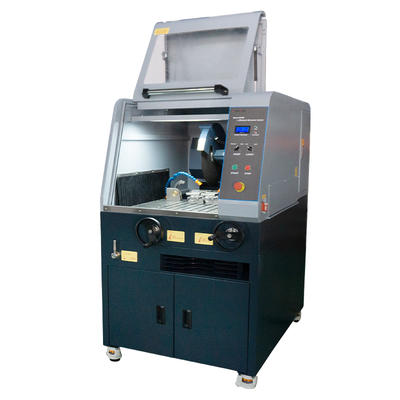
德语CT-2300 Manual Cut-off Machine
Product Description
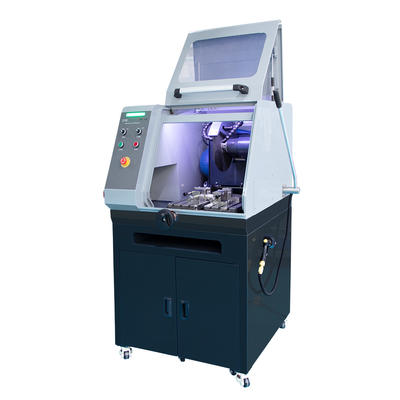
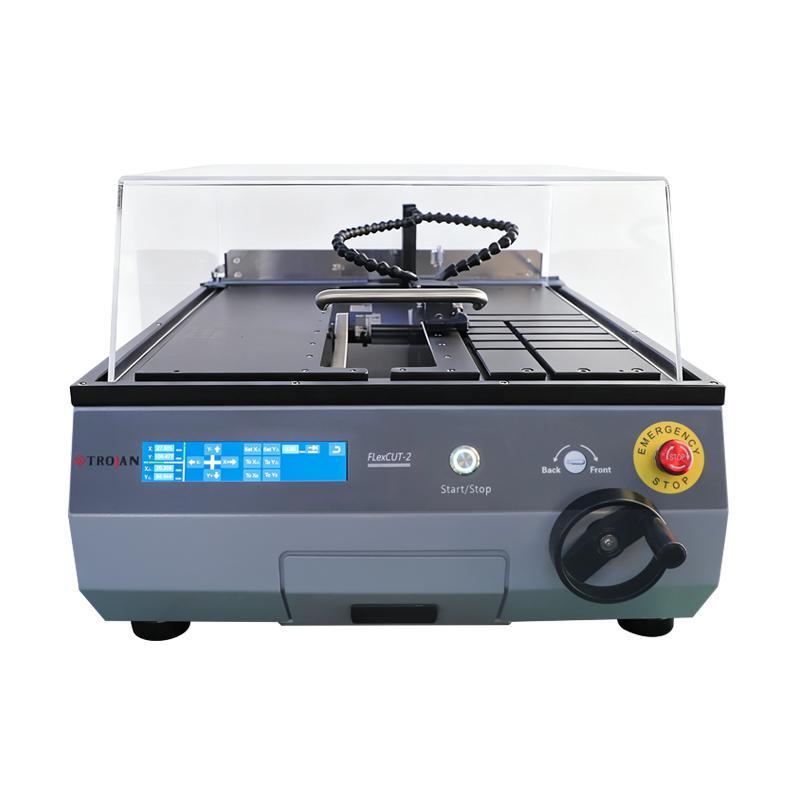
CT-2300 is a compact, desktop Manual Cut-off Machine,widely used for cutting mat...
We use first- and third-party cookies including other tracking technologies from third party publishers to give you the full functionality of our website, to customize your user experience, perform analytics and deliver personalized advertising on our websites, apps and newsletters across internet and via social media platforms. For that purpose, we collect information about user, browsing patterns and device.
By clicking "Accept All Cookies", you accept this, and agree that we share this information with third parties, such as our advertising partners. If you prefer, you can choose to continue with "Only Required Cookies". But keep in mind that blocking some types of cookies may impact how we can deliver tailored content that you might like.
For more information and to customize your options, click on "Cookie settings". If you want to learn more about cookies and why we use them, visit our Cookie Policy page at any time. Cookie Policy

The Han Dynasty marked the golden age of ancient Chinese bronze mirror craftsmanship. Mirrors were predominantly cast from a ternary alloy of lead, tin and copper with a classic ratio roughly 14:5:1. Lead improves the fluidity of molten alloy, enabling sharply defined decorative patterns, stable forming and mass production — a remarkable achievement of Han metallurgical technology.
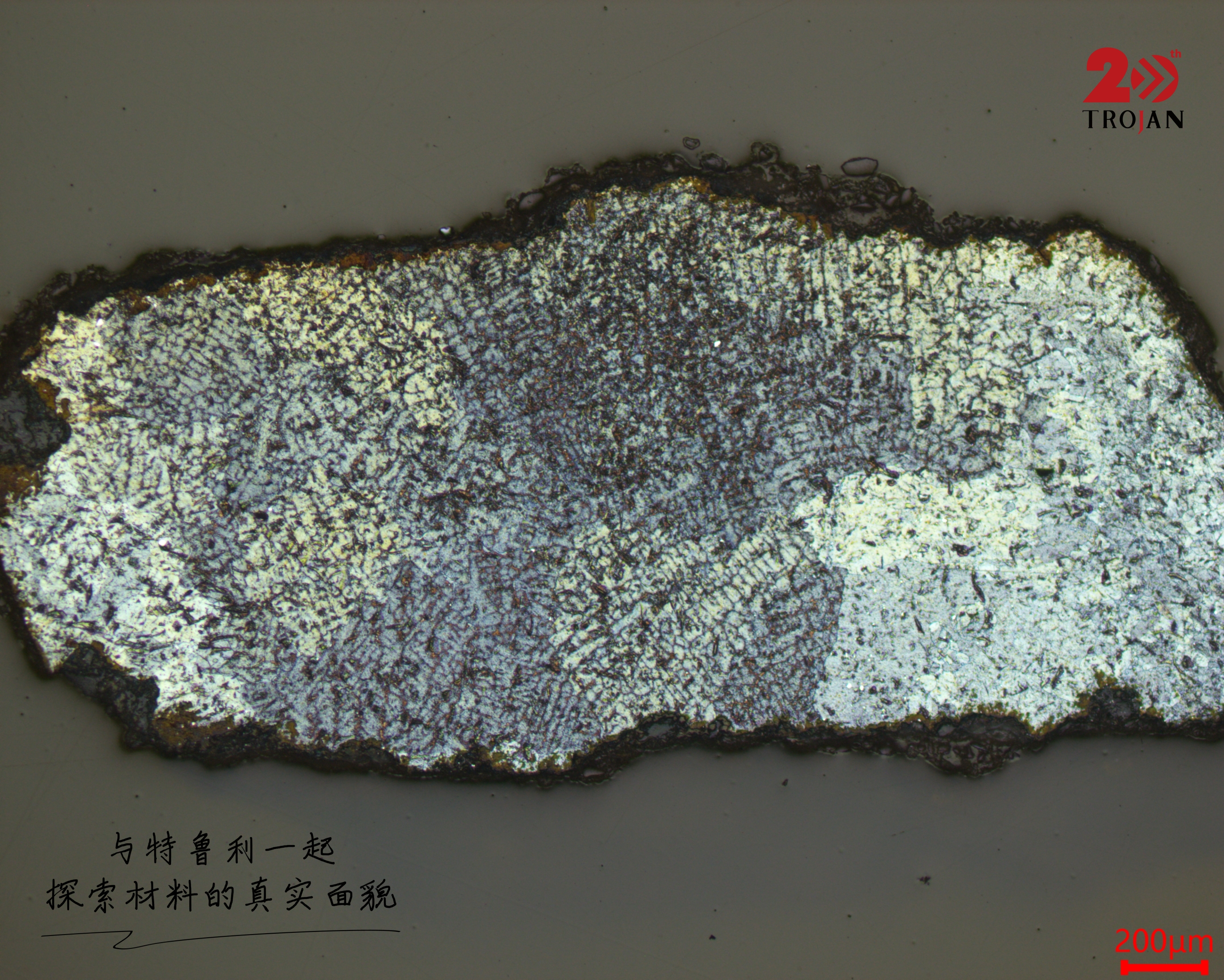
Figure 1: Initial overview of Han bronze mirror sample preparation.
After thousands of years underground, these bronze mirrors develop porosity, segregation and corrosion layers. These unique microstructures create major challenges for metallographic sample preparation of cultural relics.
Key challenges of Han bronze mirror metallography: Uneven hardness across the specimen; lead phases prone to shedding. Grinding easily causes scratches and surface deformation. Loosely bonded corrosion layers tend to peel off during polishing, creating false features that distort observations of the original casting microstructure.
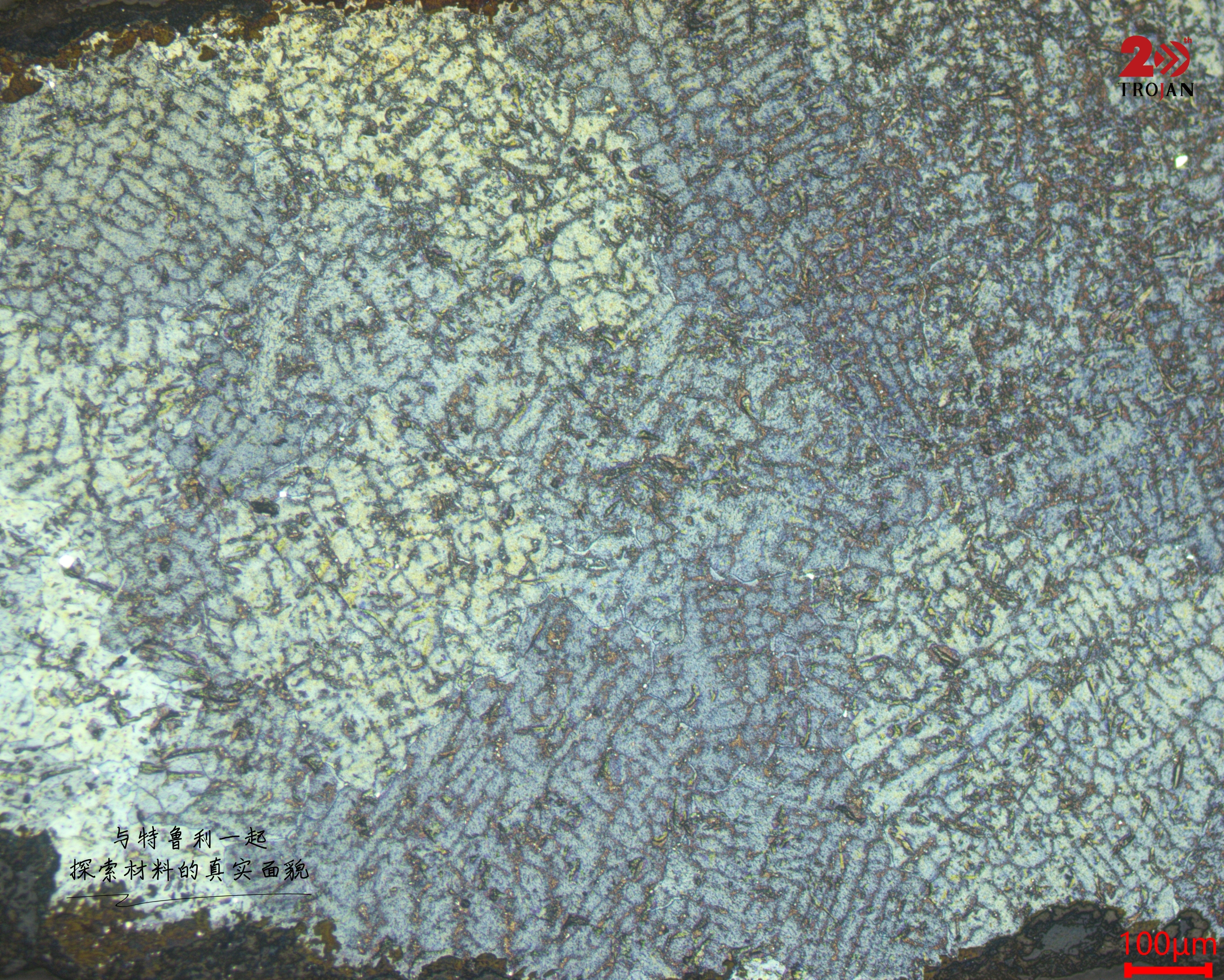
Figure 2: Detailed view showcasing porosity and structural characteristics.
Truly has developed a complete workflow to solve these difficulties:
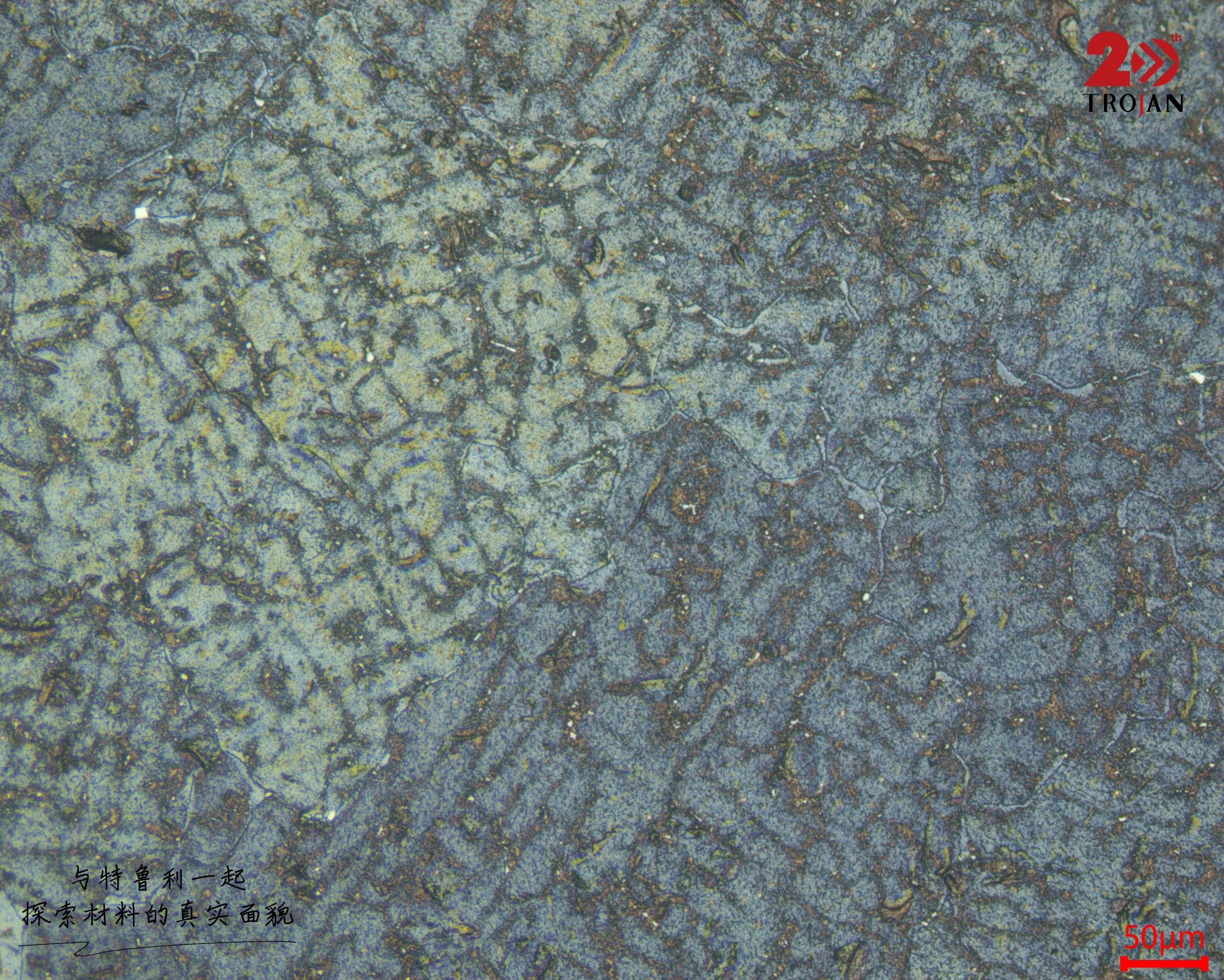
Figure 3: Microstructure after implementing the specialized preparation workflow.
This workflow preserves intact original microstructures, accurately revealing casting techniques of Han bronze mirrors and delivering reliable data for cultural heritage research.
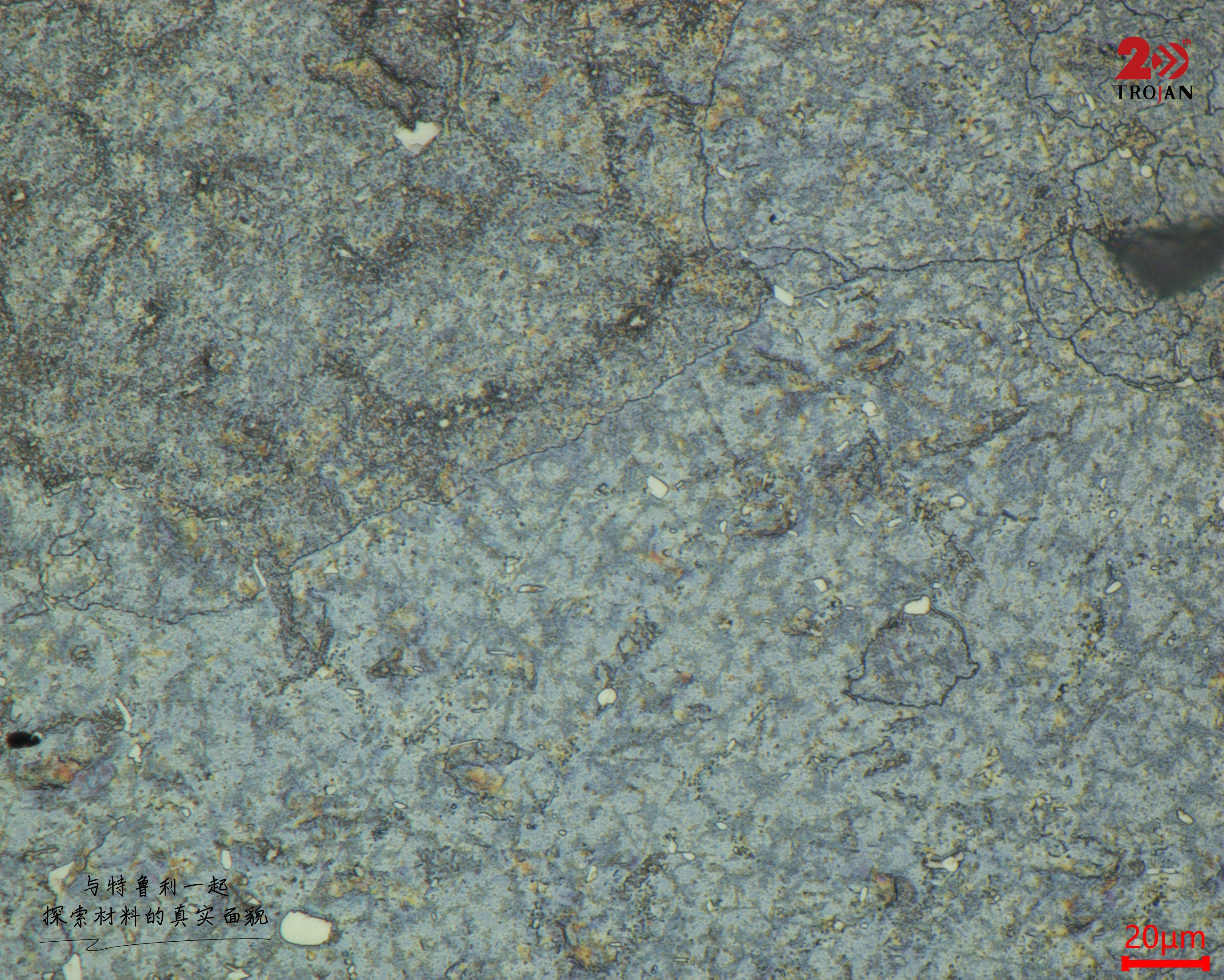
Figure 4: High-magnification final result showing preserved phases.



Based in China, TROJAN pays attention to the international market, and has sold metallographic equipment to more than 50 countries, such as Europe, America, Japan and South Korea, Southeast Asia countries and regions