
 英语
英语 西班牙语
西班牙语 德语
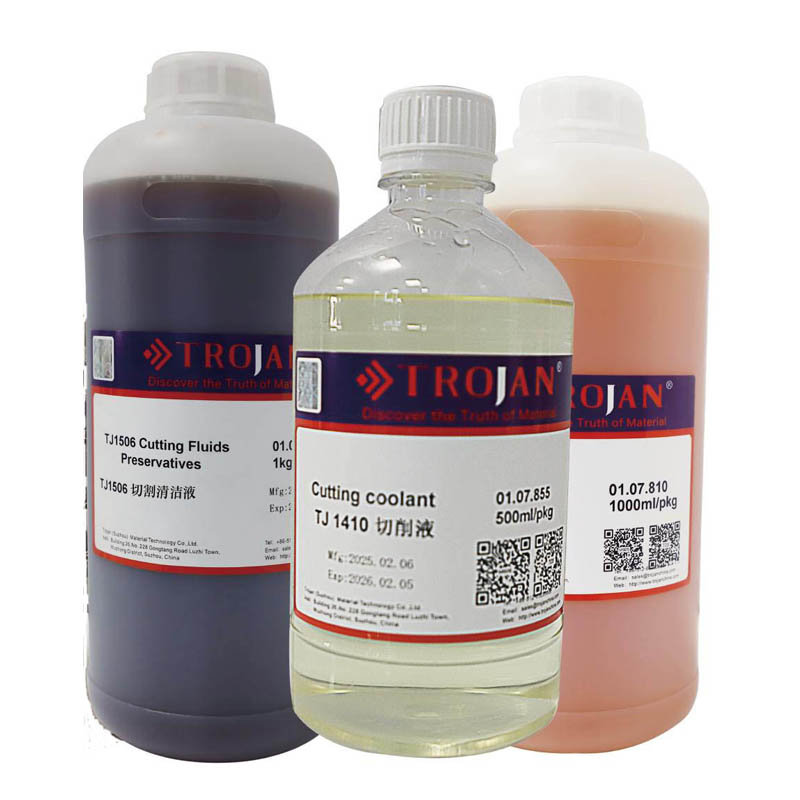
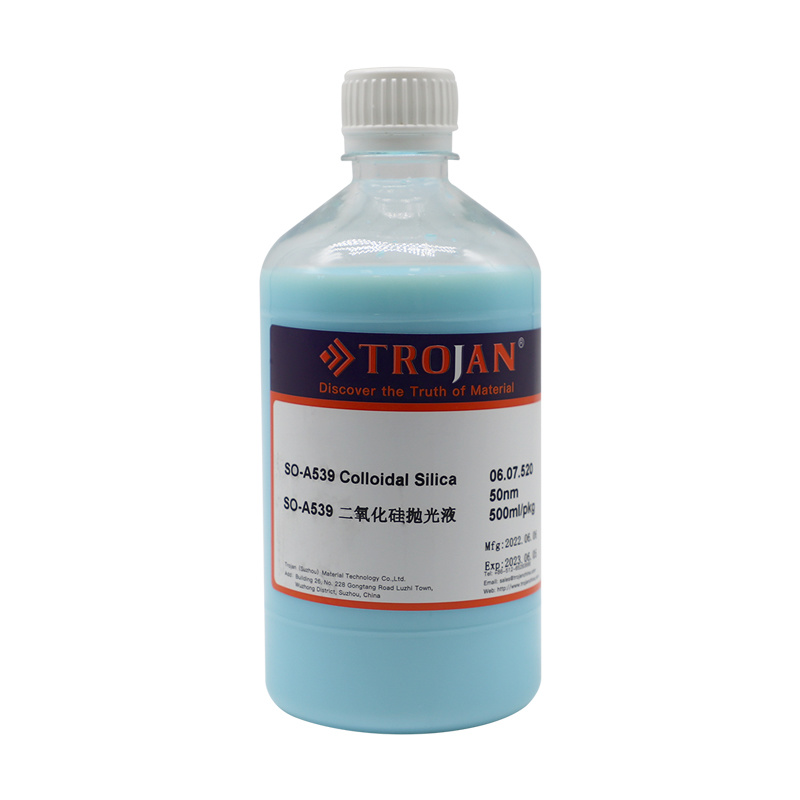
德语Cutting Coolant
Product Description
To achieve optimal cutting results and minimize thermal damage during metallogra...
We use first- and third-party cookies including other tracking technologies from third party publishers to give you the full functionality of our website, to customize your user experience, perform analytics and deliver personalized advertising on our websites, apps and newsletters across internet and via social media platforms. For that purpose, we collect information about user, browsing patterns and device.
By clicking "Accept All Cookies", you accept this, and agree that we share this information with third parties, such as our advertising partners. If you prefer, you can choose to continue with "Only Required Cookies". But keep in mind that blocking some types of cookies may impact how we can deliver tailored content that you might like.
For more information and to customize your options, click on "Cookie settings". If you want to learn more about cookies and why we use them, visit our Cookie Policy page at any time. Cookie Policy

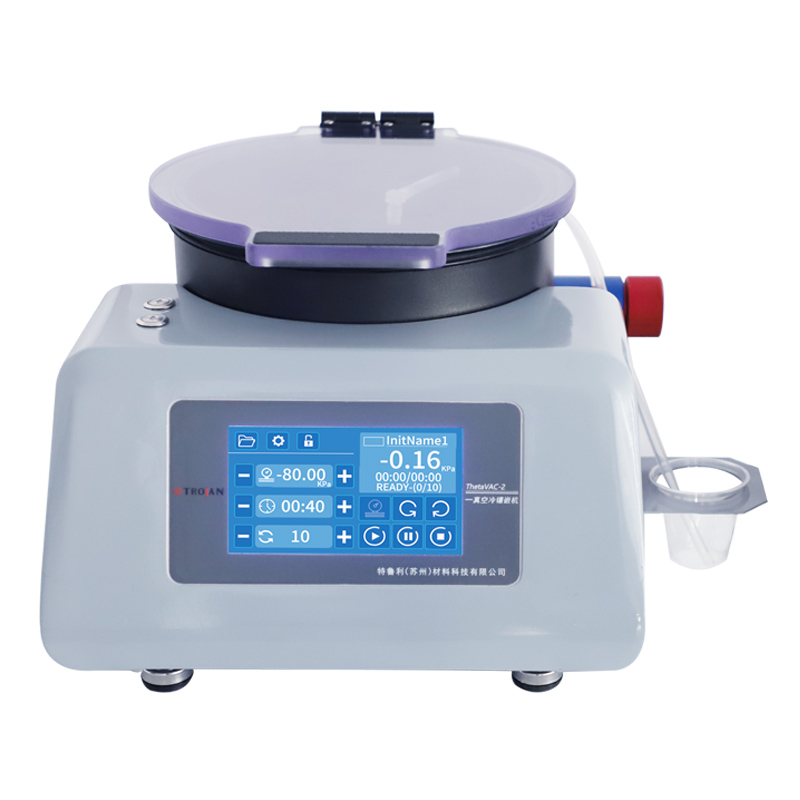
In metallography, materials testing, and laboratory analysis, the preparation of specimens is critical for obtaining accurate and reliable results. One essential step in specimen preparation is mounting, which stabilizes the sample and allows for consistent sectioning and polishing. Among mounting technologies, thetaMount Pressure Cold Mounting Machine has emerged as a notable alternative to traditional hot mounting methods.
Cold mounting, performed by thetaMount Pressure Cold Mounting Machine, involves encapsulating the specimen in a resin that cures at room temperature or under mild conditions. Unlike heat-based mounting, this method does not require elevated temperatures or thermal initiation. The cold mounting process offers several advantages:
Hot mounting, in contrast, uses thermosetting materials that are cured under high temperatures and pressure. While this approach is suitable for high-throughput applications and provides durable mounts, it introduces several limitations:
By comparing these processes, it becomes clear that thetaMount Pressure Cold Mounting Machine provides an alternative approach focused on sample integrity and adaptability.
One of the defining features of thetaMount Pressure Cold Mounting Machine is its pressure-based resin impregnation system. The machine applies consistent pressure during curing, which ensures:
ThetaMount Pressure Cold Mounting Machine is compatible with a range of cold-curing resins, including acrylic, epoxy, and polyester-based compounds. This versatility allows laboratories to:
Operating a thetaMount Pressure Cold Mounting Machine does not require high-temperature handling, reducing risks associated with hot mounting machines. Benefits include:
One of the most critical differences between thetaMount Pressure Cold Mounting Machine and hot mounting machines is the preservation of sample integrity. Cold mounting ensures:
Although hot mounting may be suitable for bulk processing, thetaMount Pressure Cold Mounting Machine offers workflow efficiency in laboratory settings where sample integrity and speed are crucial. Key aspects include:
While hot mounting is often limited to metals and alloys, thetaMount Pressure Cold Mounting Machine is effective for a wide variety of materials:
| Material Type | Suitability Cold Mounting | Suitability Hot Mounting |
|---|---|---|
| Metals & alloys | High | High |
| Composites | High | Medium |
| Plastics | High | Low |
| Ceramics | Medium | High |
| Fragile or porous samples | High | Low |
This table demonstrates that cold mounting provides broader applicability across industries such as aerospace, automotive, electronics, and research laboratories.
In metallography, accurate microstructural analysis is essential. ThetaMount Pressure Cold Mounting Machine allows:
For electronics and composite materials:
Laboratories conducting material research or quality control benefit from:
Choosing the appropriate resin for the thetaMount Pressure Cold Mounting Machine is critical. Considerations include:
Proper maintenance of pressure systems ensures:
The thetaMount Pressure Cold Mounting Machine accommodates a variety of sample sizes and geometries. Guidelines include:
While cold mounting offers significant advantages, certain limitations exist:
The thetaMount Pressure Cold Mounting Machine represents a significant advancement in specimen preparation, providing laboratories with a method that emphasizes sample integrity, operational efficiency, and versatility. Unlike traditional hot mounting machines, it avoids thermal stress, accommodates a wide range of materials, and simplifies laboratory workflows. While hot mounting retains advantages for certain high-volume or heat-tolerant applications, cold mounting offers a safer, adaptable, and efficient alternative for metallography, electronics, composites, and research applications.
By understanding the differences in process, material compatibility, and operational requirements, laboratory professionals can make informed decisions when selecting a mounting solution that best fits their analytical needs. The thetaMount Pressure Cold Mounting Machine continues to gain recognition for its ability to maintain specimen quality while improving laboratory productivity.





Based in China, TROJAN pays attention to the international market, and has sold metallographic equipment to more than 50 countries, such as Europe, America, Japan and South Korea, Southeast Asia countries and regions


