
 英语
英语 西班牙语
西班牙语 德语
德语CT-250S/CT-250V Manual Sectioning Machine
CT-250S/250V is a manual sectioning machine designed with safety and environmental principles in min...
We use first- and third-party cookies including other tracking technologies from third party publishers to give you the full functionality of our website, to customize your user experience, perform analytics and deliver personalized advertising on our websites, apps and newsletters across internet and via social media platforms. For that purpose, we collect information about user, browsing patterns and device.
By clicking "Accept All Cookies", you accept this, and agree that we share this information with third parties, such as our advertising partners. If you prefer, you can choose to continue with "Only Required Cookies". But keep in mind that blocking some types of cookies may impact how we can deliver tailored content that you might like.
For more information and to customize your options, click on "Cookie settings". If you want to learn more about cookies and why we use them, visit our Cookie Policy page at any time. Cookie Policy

Operating a uvmount curing machine safely is critical for both the quality of production and the protection of personnel. These machines are widely used in industries such as electronics, printing, medical device manufacturing, and adhesives, where ultraviolet (UV) light is applied to cure coatings, inks, or adhesives. While a uvmount curing machine is a highly efficient and reliable tool, improper handling can lead to equipment damage, occupational hazards, or compromised product quality.
A uvmount curing machine employs high-intensity UV light to initiate chemical reactions in curing compounds. UV radiation is invisible but can cause significant harm if direct or reflected light contacts the skin or eyes. Prolonged or repeated exposure may result in skin irritation, burns, or even eye damage such as photokeratitis.
Operators of a uvmount curing machine face multiple risks:
Understanding these hazards is the first step in implementing safety measures that protect both personnel and equipment.
When working with a uvmount curing machine, it is essential to wear UV-blocking safety goggles or face shields. Standard eyewear cannot filter high-intensity UV light, so specialized protective lenses are required.
Operators should wear long-sleeved clothing, gloves, and lab coats to minimize skin exposure. Heat-resistant gloves are also recommended when handling freshly cured products, as these may retain high temperatures immediately after the curing process.
Depending on the material being cured, some coatings or adhesives may release fumes. Wearing appropriate respirators or masks ensures inhalation exposure is minimized, particularly in confined workspaces.
Proper installation of a uvmount curing machine is vital for safe operation. Ensure that the machine is located in a well-ventilated area to prevent accumulation of fumes. Ventilation systems with exhaust fans or air filtration units can help maintain air quality during extended operation.
The uvmount curing machine must be placed on a stable, level surface to prevent accidental tipping or vibration that could affect curing quality or cause injury. Machines should never be placed near combustible materials.
Most uvmount curing machines operate on high-voltage electrical systems. Ensure that all power connections are secure, the machine is grounded properly, and emergency power-off mechanisms are accessible. Regular inspections of cables and connectors are essential to prevent electrical hazards.
Before starting the uvmount curing machine, conduct the following checks:
These checks help prevent accidental exposure and ensure consistent curing quality.
Operators should adhere to the following:
UV lamps are a key component of the uvmount curing machine and must be handled carefully. Always turn off the machine and disconnect power before attempting maintenance. Use gloves or protective sleeves to avoid contact with lamp surfaces, as oils from the skin can reduce lamp efficiency.
Regular cleaning prevents the accumulation of dust, adhesive residues, or cured material that could interfere with UV transmission. Use non-abrasive cleaning agents and avoid exposing the machine to water or liquids that could damage electrical components.
Periodic inspection of a uvmount curing machine should include:
Routine inspections ensure long-term operational safety and product quality.
All operators must be familiar with the location and use of emergency stop buttons. In case of sudden malfunctions, overheating, or accidental exposure, the machine must be immediately powered down to prevent injury.
Some coatings and adhesives may emit hazardous fumes if exposed to prolonged UV light. Operators should have spill kits and ventilation strategies ready to manage accidental releases safely.
Proper training is crucial for preventing accidents. Operators should receive guidance on:
A trained workforce reduces risks and ensures compliance with workplace safety standards.
In PCB production, precise curing is critical. UV exposure time and intensity must be carefully controlled, as overexposure may damage components. Operators should follow manufacturer guidelines for safety shields and avoid touching UV lamps during operation.
Medical adhesives and coatings require stringent hygiene standards. The uvmount curing machine must be maintained in sterile conditions, and operators must use PPE to prevent contamination while protecting against UV hazards.
In printing, UV inks cure rapidly, reducing production time but increasing the risk of accidental exposure. Protective barriers, automated material handling, and consistent maintenance routines are essential for safe operation.
| Safety Aspect | Recommended Measures |
|---|---|
| Eye protection | Wear UV-blocking safety goggles or face shields |
| Skin protection | Long sleeves, gloves, lab coats, heat-resistant gloves |
| Respiratory protection | Use respirators or masks if fumes are generated |
| Machine placement | Stable, level surface, ventilated area, away from combustible materials |
| Electrical safety | Ensure proper grounding, inspect cables, emergency stop accessible |
| Operational checks | Verify shields, lamp condition, conveyor alignment, interlocks |
| Maintenance | Power off, use gloves for lamp handling, clean with non-abrasive agents |
| Training | Provide safety training on PPE, UV hazards, emergency procedures |
A uvmount curing machine is a highly efficient tool for curing adhesives, coatings, and inks across multiple industries. However, safe operation requires careful adherence to safety protocols, proper use of personal protective equipment, and regular maintenance. By understanding UV hazards, implementing operational guidelines, and ensuring personnel are trained, companies can maximize productivity while minimizing risks.
Investing time in safety precautions not only protects operators but also maintains the reliability and longevity of the uvmount curing machine, ensuring consistent, high-quality production.
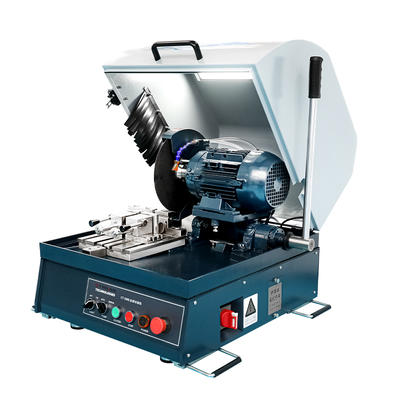
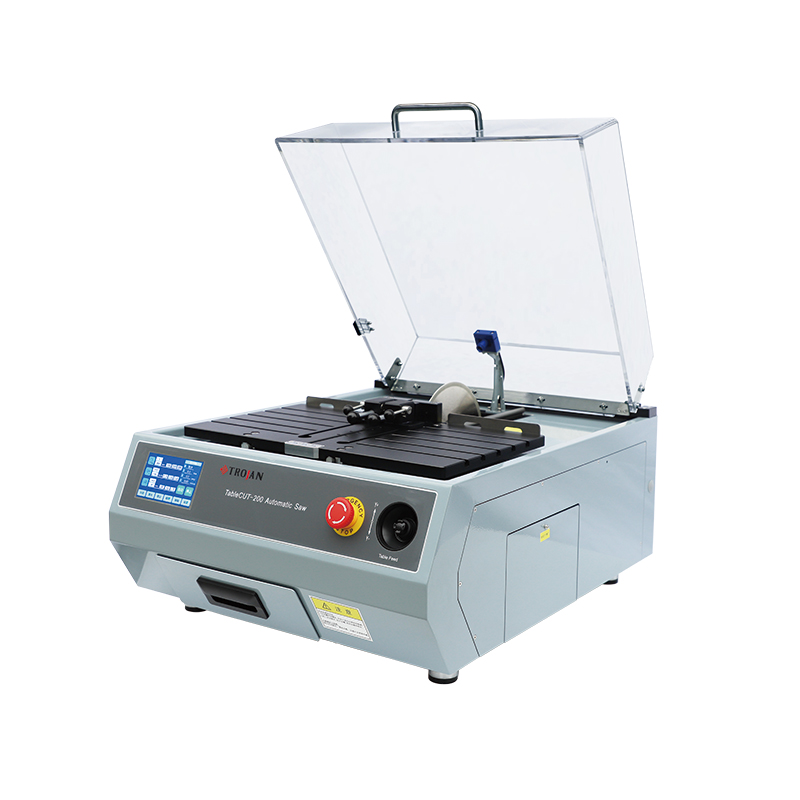
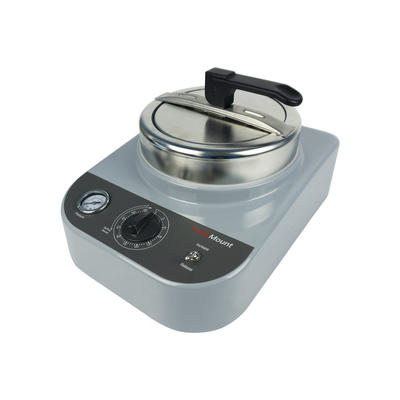
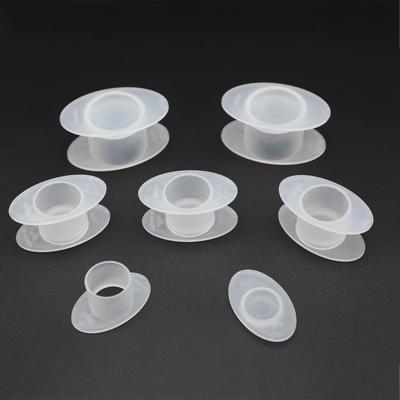

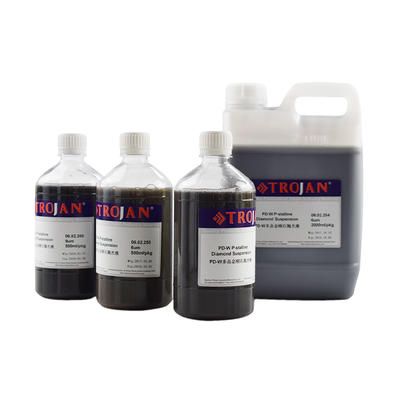
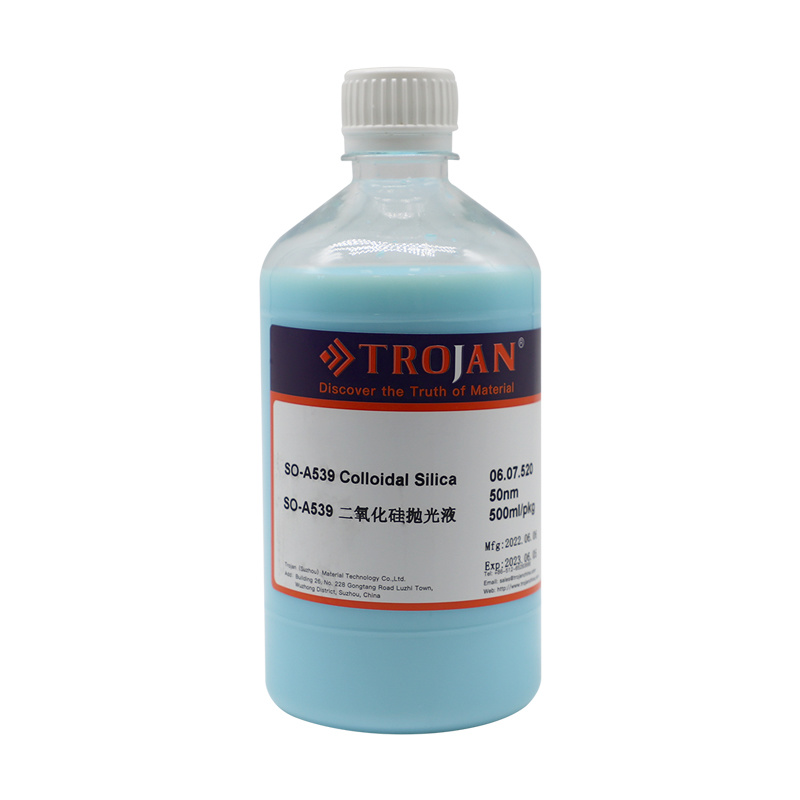
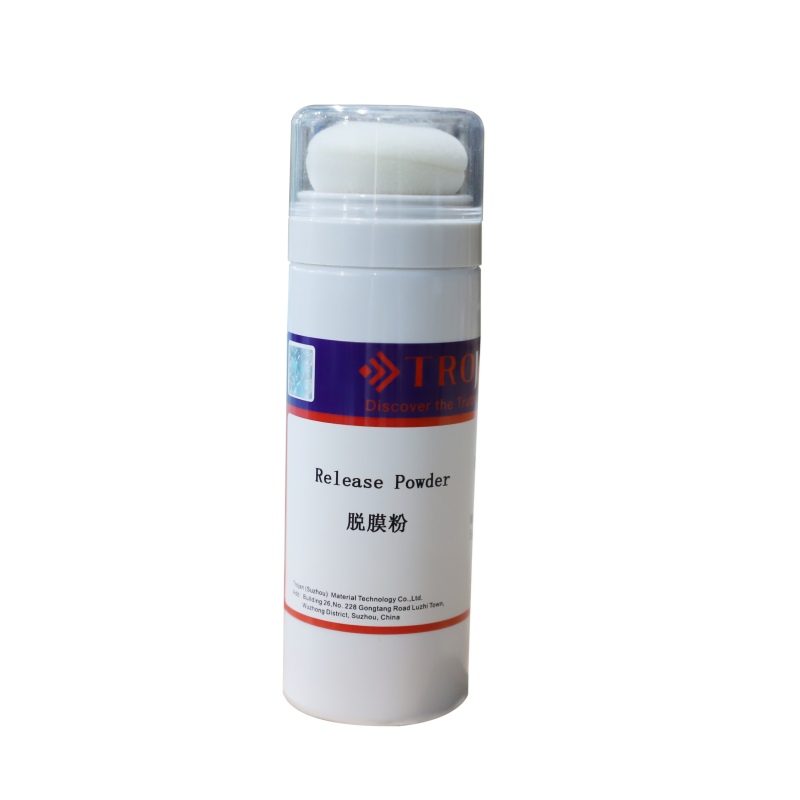
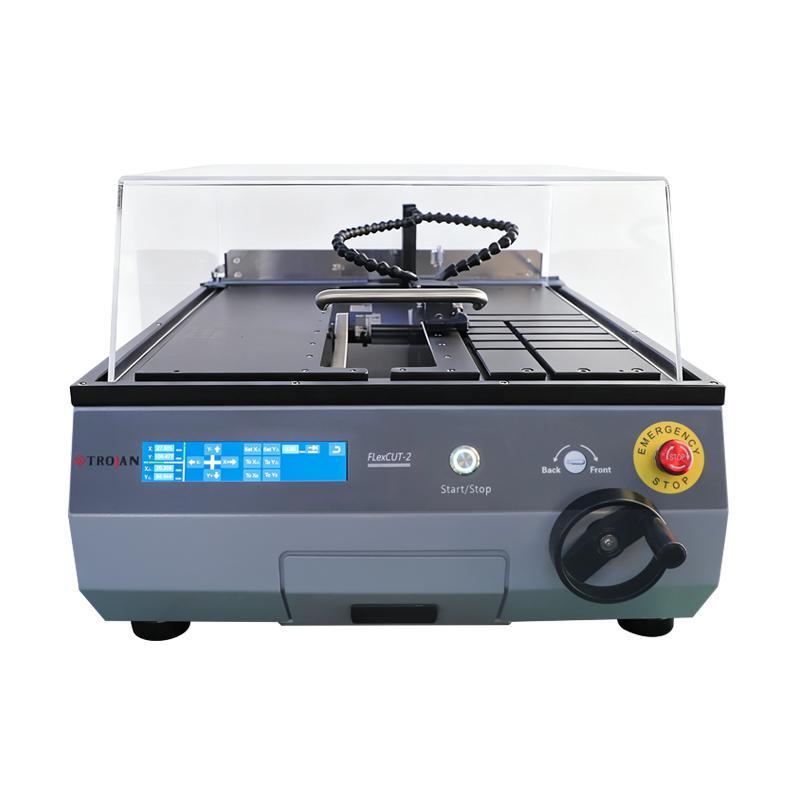

Based in China, TROJAN pays attention to the international market, and has sold metallographic equipment to more than 50 countries, such as Europe, America, Japan and South Korea, Southeast Asia countries and regions


