
 英语
英语 西班牙语
西班牙语 德语
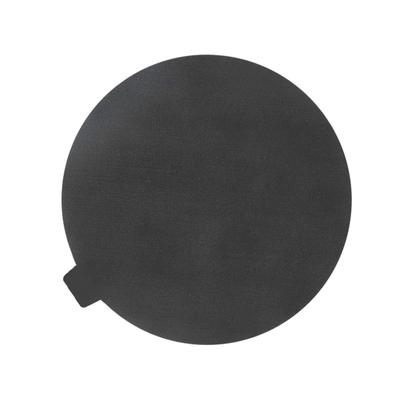
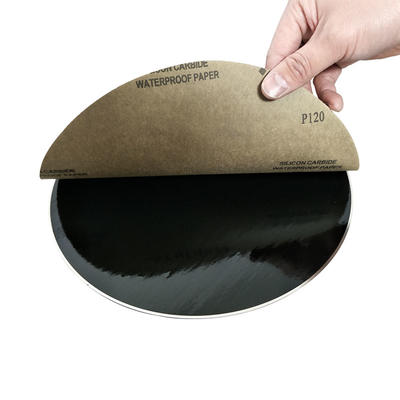
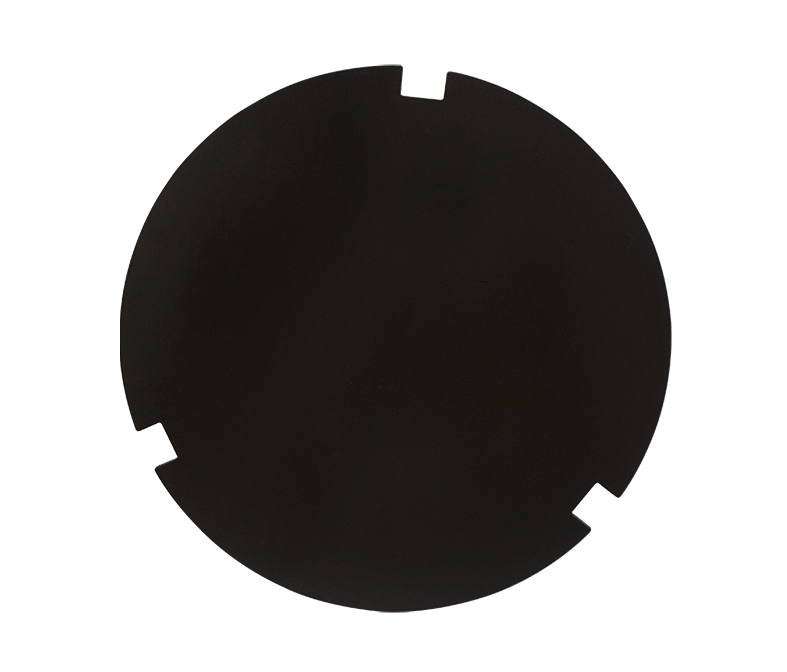
德语ZN-ZP Black Polyurethane Polishing Cloth (PSA)
Product Description
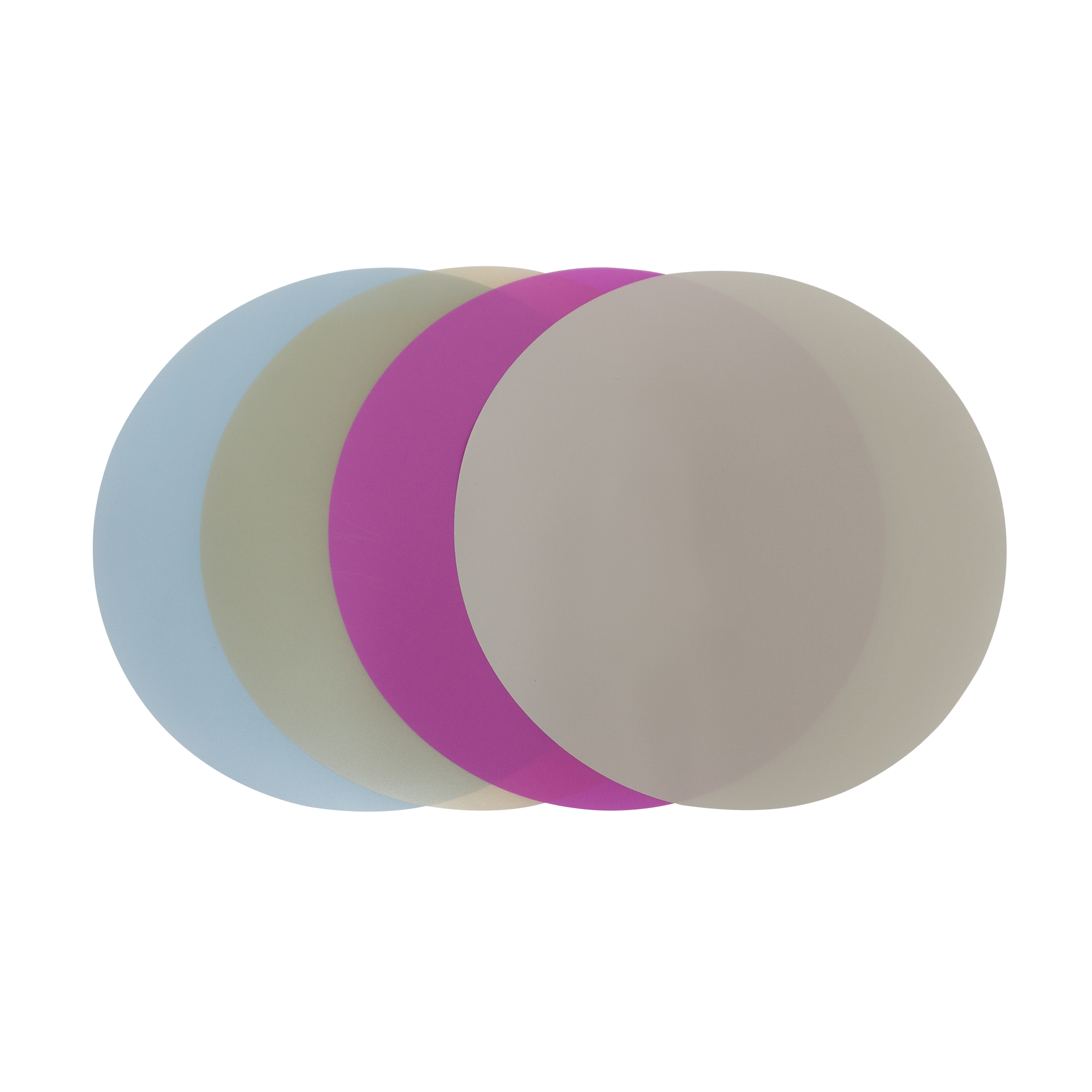
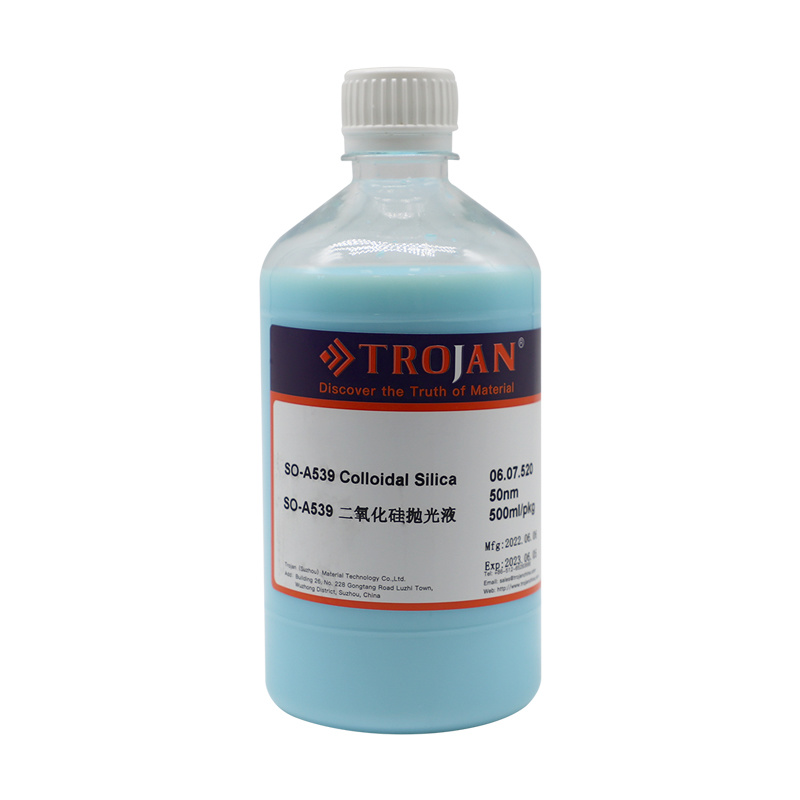
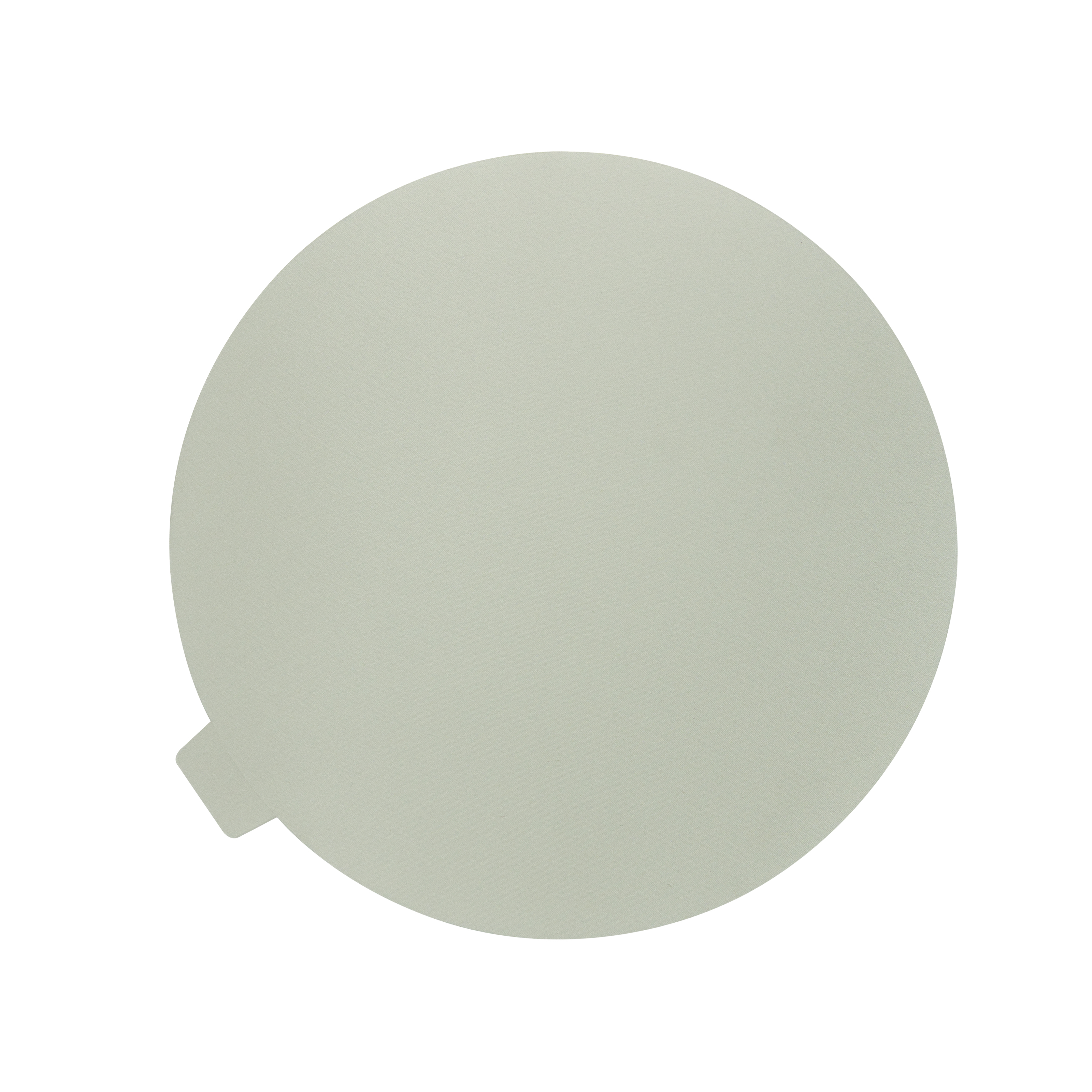
It is low-napped, used for chemical/mechanical polishing. Recommend to use with...
We use first- and third-party cookies including other tracking technologies from third party publishers to give you the full functionality of our website, to customize your user experience, perform analytics and deliver personalized advertising on our websites, apps and newsletters across internet and via social media platforms. For that purpose, we collect information about user, browsing patterns and device.
By clicking "Accept All Cookies", you accept this, and agree that we share this information with third parties, such as our advertising partners. If you prefer, you can choose to continue with "Only Required Cookies". But keep in mind that blocking some types of cookies may impact how we can deliver tailored content that you might like.
For more information and to customize your options, click on "Cookie settings". If you want to learn more about cookies and why we use them, visit our Cookie Policy page at any time. Cookie Policy

In modern industrial and manufacturing processes, the demand for high-quality coatings has increased substantially. Coatings are applied for protective, decorative, or functional purposes across a variety of materials including plastics, metals, and composites. The UVmount Curing Machine has emerged as a critical technology in this domain, enabling rapid curing of coatings using ultraviolet light. While curing thin single layers is relatively straightforward, handling thick or multi-layer coatings presents unique challenges that require careful consideration of machine capabilities, curing parameters, and material properties.
The fundamental principle of UV curing involves initiating polymerization reactions within the coating material through exposure to ultraviolet light. When a coating is applied, photoinitiators present in the formulation absorb UV energy, generating reactive species that trigger cross-linking. This cross-linking solidifies the coating, forming a durable surface.
When coatings are thick or applied in multiple layers, several issues arise:
The UVmount Curing Machine addresses these challenges through controlled UV intensity, adjustable curing speed, and advanced conveyor or lamp systems designed to provide uniform exposure across all layers.
The design of UVmount Curing Machine significantly influences its ability to handle thick or multi-layer coatings. Several components and configurations are optimized to ensure effective curing:
UV lamps are the core of the curing process. For thick coatings, lamps with higher intensity or multiple lamp arrays are used to increase penetration. Adjustable lamp height and angle allow manufacturers to target specific coating depths.
The conveyor system ensures consistent movement of substrates under the UV source. For multi-layer applications, the conveyor speed is often reduced to extend exposure time, while maintaining uniformity.
Effective heat management is critical. UV lamps generate heat, and multi-layer coatings may retain this heat, risking substrate deformation. The machine typically incorporates cooling systems, such as air circulation or liquid cooling, to maintain stable operating conditions.
To optimize curing of thick or multi-layer coatings, manufacturers employ specific strategies:
Instead of applying all layers at once, coatings are applied in successive layers, with each layer partially or fully cured before applying the next. This prevents uncured regions and ensures structural integrity.
Thicker coatings require longer exposure to UV light. UVmount Curing Machine allows fine-tuning of lamp intensity and conveyor speed to achieve complete curing without overheating the substrate.
In some cases, substrates pass under the UV source multiple times. Each pass incrementally cures the material, enabling even highly pigmented or multi-layer coatings to polymerize effectively.
Advanced UVmount Curing Machine models incorporate sensors to monitor UV intensity and substrate temperature, providing real-time feedback. This ensures optimal curing conditions are maintained, even for complex multi-layer coatings.
The type of coating material significantly affects curing efficiency. For instance, pigmented coatings, metallic inks, and thick resin layers absorb UV light differently, requiring adjustments in machine settings. Table 1 illustrates typical considerations for various coating types.
Table 1: Material Considerations for Multi-Layer Coatings in UVmount Curing Machine
| Coating Type | Layer Thickness | UV Absorption | Recommended Strategy |
|---|---|---|---|
| Clear resin | 50–200 µm | Low | Single pass or standard exposure |
| Pigmented ink | 30–100 µm | High | Layer-by-layer curing, longer exposure |
| Metallic coating | 20–80 µm | Very High | Multi-pass curing, adjust lamp height |
| Functional coatings | 10–150 µm | Medium | Monitor temperature, fine-tune intensity |
Optimizing UVmount Curing Machine for thick coatings involves multiple adjustments:
Different photoinitiators respond to specific UV wavelengths. Adjusting lamp types and intensity ensures complete polymerization, particularly for deeper layers.
Slower conveyor speeds allow longer exposure per layer. In some cases, intermittent stops or dwell zones enhance curing without overheating the substrate.
Some formulations are designed for better UV penetration, including reduced pigmentation or the use of photoinitiators that activate at lower energy levels.
Even after initial UV exposure, certain coatings may require a post-curing phase under controlled conditions to ensure full cross-linking. UVmount Curing Machine may integrate post-curing zones or allow transfer to secondary curing stations.
Maintaining quality in thick or multi-layer coatings requires rigorous inspection:
Surface uniformity and hardness are primary indicators of proper curing. Visual gloss, adhesion, and smoothness provide immediate feedback.
Testing the mechanical resistance of cured layers ensures that each layer bonds correctly. Adhesion tests may involve tape tests or scratch testing.
Using non-destructive methods such as optical or ultrasonic measurements helps verify uniform thickness across all layers.
Table 2: Quality Control Measures for Multi-Layer Coatings in UVmount Curing Machine
| Quality Metric | Measurement Method | Purpose |
|---|---|---|
| Surface Gloss | Gloss meter | Detect uneven curing |
| Hardness | Pencil or indentation test | Assess curing depth and cross-linking |
| Adhesion | Tape or scratch test | Verify inter-layer bonding |
| Thickness Uniformity | Optical/ultrasonic gauge | Ensure consistent coating application |
Ensuring consistent performance of UVmount Curing Machine requires regular maintenance:
The ability of UVmount Curing Machine to handle thick or multi-layer coatings has made it indispensable in industries such as:
Each application benefits from controlled curing, consistent quality, and the ability to process complex coating structures efficiently.
The UVmount Curing Machine provides a versatile and efficient solution for curing thick or multi-layer coatings. By adjusting lamp intensity, exposure time, conveyor speed, and cooling systems, manufacturers can achieve uniform curing across multiple layers. Material selection, process strategy, and rigorous quality control further enhance the performance and reliability of cured coatings. As industrial requirements evolve, the UVmount Curing Machine continues to offer a practical and adaptable approach for high-quality coating applications.
Q1: Can UVmount Curing Machine cure very thick single layers effectively?
Yes, by adjusting lamp intensity, exposure time, and employing multi-pass strategies, thick single layers can be cured uniformly without substrate damage.
Q2: Is it necessary to use a layer-by-layer approach for all multi-layer coatings?
While not always mandatory, layer-by-layer curing is recommended for highly pigmented or complex formulations to ensure complete polymerization and inter-layer bonding.
Q3: How often should the UV lamps be replaced?
Lamp replacement frequency depends on operating hours and intensity usage, typically ranging from several hundred to a few thousand hours. Regular monitoring of UV intensity is recommended.
Q4: Can UVmount Curing Machine handle coatings with metallic pigments?
Yes, metallic or reflective coatings may require adjusted lamp height, multi-pass curing, and careful monitoring to achieve uniform curing without shadowing effects.
Q5: What safety measures are recommended when operating UVmount Curing Machine?
Operators should use protective shielding, wear UV-resistant eye protection, and ensure proper ventilation to prevent exposure to UV radiation and heat.
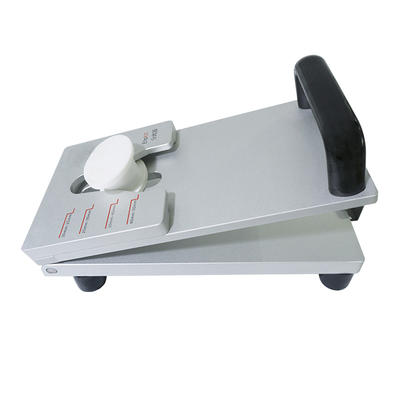
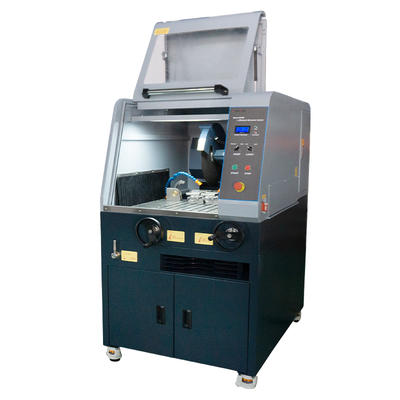
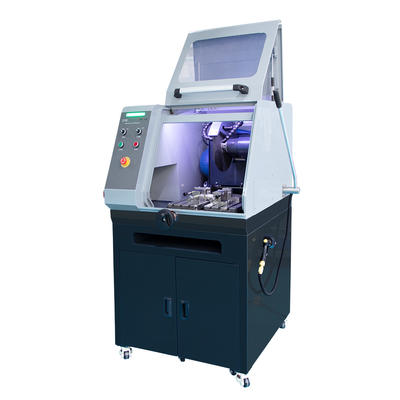

Based in China, TROJAN pays attention to the international market, and has sold metallographic equipment to more than 50 countries, such as Europe, America, Japan and South Korea, Southeast Asia countries and regions


