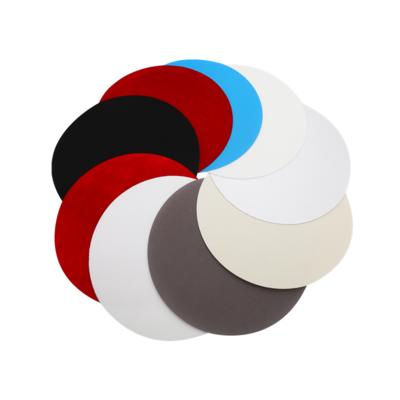
 英语
英语 西班牙语
西班牙语 德语
德语Abrasive Wheels
Product Description
Cuting is the first step in material analysis, and the selection of the cutting ...
We use first- and third-party cookies including other tracking technologies from third party publishers to give you the full functionality of our website, to customize your user experience, perform analytics and deliver personalized advertising on our websites, apps and newsletters across internet and via social media platforms. For that purpose, we collect information about user, browsing patterns and device.
By clicking "Accept All Cookies", you accept this, and agree that we share this information with third parties, such as our advertising partners. If you prefer, you can choose to continue with "Only Required Cookies". But keep in mind that blocking some types of cookies may impact how we can deliver tailored content that you might like.
For more information and to customize your options, click on "Cookie settings". If you want to learn more about cookies and why we use them, visit our Cookie Policy page at any time. Cookie Policy

The ThetaVAC-2 Vacuum Cold Mounting Machine has become an essential instrument in laboratory environments for the preparation of metallographic, electronic, and material science samples. The mounting process allows technicians and researchers to secure specimens in a resin matrix, facilitating handling, sectioning, and subsequent analysis. One of the critical aspects of sample preparation is the selection and handling of different resin types. Resin compatibility, curing characteristics, and vacuum-assisted impregnation are all factors that affect the quality and reproducibility of the mounted samples.
Cold mounting resins can be categorized primarily into thermosetting and thermoplastic resins, with variations in viscosity, curing time, and mechanical properties. Laboratories often select resins based on the sample type, analysis method, and desired surface finish.
Thermosetting resins, such as epoxy and polyester-based compounds, undergo a chemical reaction during curing, resulting in a rigid and durable matrix. ThetaVAC-2 Vacuum Cold Mounting Machine is specifically designed to handle these resins efficiently, providing controlled vacuum conditions to remove air bubbles and enhance resin penetration.
Key characteristics of thermosetting resins include:
Thermoplastic resins, such as acrylics and polystyrene-based compounds, rely on physical cooling for solidification. The ThetaVAC-2 Vacuum Cold Mounting Machine accommodates these materials by maintaining a stable temperature environment and vacuum-assisted molding, which ensures uniform resin flow around intricate sample geometries.
Key characteristics of thermoplastic resins include:
| Resin Type | Curing Mechanism | Adhesion | Viscosity | Typical Applications |
|---|---|---|---|---|
| Epoxy | Chemical reaction | High | Medium | Metallography, electronics |
| Polyester | Chemical reaction | Moderate | Low-Medium | Material analysis, composites |
| Acrylic | Physical cooling | Moderate | Low | Quick sample preparation |
| Polystyrene | Physical cooling | Low-Moderate | Medium | Educational labs, general purposes |
One of the primary advantages of the ThetaVAC-2 Vacuum Cold Mounting Machine is its ability to employ vacuum technology to improve resin handling. Air entrapment within the resin can lead to voids, bubbles, and surface defects, which compromise analytical results. The vacuum function in the ThetaVAC-2 Vacuum Cold Mounting Machine ensures:
Epoxy Resins: These often require longer degassing times due to higher viscosity. The ThetaVAC-2 Vacuum Cold Mounting Machine allows for adjustable vacuum cycles to accommodate variations in resin formulations.
Polyester Resins: Polyester-based compounds may emit small amounts of gas during curing. Using vacuum-assisted mounting mitigates bubble formation and improves surface smoothness.
Acrylic Resins: These are more fluid and cure quickly. The machine’s precise vacuum control ensures that the rapid flow of resin does not trap air, even in complex geometries.
Polystyrene Resins: With moderate viscosity and lower adhesion, the vacuum function aids in uniform distribution without the need for extended curing times.
While cold mounting resins do not require high temperatures, thermal stability can influence curing and handling. The ThetaVAC-2 Vacuum Cold Mounting Machine maintains a stable ambient temperature during the mounting process, which is particularly important for thermosetting resins that are sensitive to environmental fluctuations.
The combination of vacuum-assisted resin flow and temperature stability ensures that samples are securely mounted without defects.
Laboratories may work with proprietary or specialized resin formulations tailored to specific applications. The ThetaVAC-2 Vacuum Cold Mounting Machine provides:
This flexibility enables the handling of both standard resins and customized compounds, ensuring optimal results for each sample type.
| Resin Type | Vacuum Time (min) | Curing Time (min) | Mold Type | Notes |
|---|---|---|---|---|
| Epoxy | 3-5 | 15-20 | Standard | High viscosity requires longer vacuum |
| Polyester | 2-4 | 10-15 | Standard | Low-medium viscosity, monitor for bubbles |
| Acrylic | 1-2 | 5-10 | Quick-mount | Rapid curing, short vacuum cycle sufficient |
| Polystyrene | 2-3 | 8-12 | General-purpose | Moderate adhesion, ensure even coverage |
The ThetaVAC-2 Vacuum Cold Mounting Machine ensures that resin types do not compromise the surface finish or structural integrity of the sample. Features supporting this include:
For delicate materials or samples with fine microstructures, the machine’s precise control prevents resin overflow, cracking, or incomplete encapsulation, which is essential for metallographic analysis and microscopic examination.
Working with different resins requires adherence to safety protocols, particularly for chemical and thermosetting resins. The ThetaVAC-2 Vacuum Cold Mounting Machine incorporates:
These safety features are effective across all common resin types, ensuring a safe and controlled working environment.
The ThetaVAC-2 Vacuum Cold Mounting Machine supports high-throughput laboratory environments by enabling:
By providing reliable performance regardless of resin type, the machine enhances overall laboratory efficiency and sample preparation quality.
The ThetaVAC-2 Vacuum Cold Mounting Machine demonstrates versatility and reliability in handling various resin types, including thermosetting and thermoplastic compounds. Its vacuum-assisted mounting, temperature stability, and adjustable cycle controls ensure optimal resin flow, curing, and sample integrity. By addressing viscosity differences, adhesion characteristics, and curing requirements, the machine provides a consistent, high-quality mounting process suitable for a wide range of laboratory applications.
Q1: Can the ThetaVAC-2 Vacuum Cold Mounting Machine handle highly viscous epoxy resins?
A1: Yes, the machine provides adjustable vacuum cycles and longer degassing times to accommodate high-viscosity resins.
Q2: How does the machine prevent bubbles in low-viscosity acrylic resins?
A2: Precise vacuum control ensures rapid resin flow does not trap air, maintaining a smooth surface.
Q3: Are temperature fluctuations a concern for cold mounting resins?
A3: Minimal, but the machine maintains a stable ambient temperature to ensure consistent curing, particularly for thermosetting resins.
Q4: Can the machine accommodate customized resin formulations?
A4: Yes, cycle duration, vacuum intensity, and mold selection are adjustable to handle non-standard resins.
Q5: Is the ThetaVAC-2 Vacuum Cold Mounting Machine suitable for delicate or fine-structured samples?
A5: Yes, controlled vacuum pressure and uniform resin flow protect delicate microstructures and ensure surface integrity.
.jpg?imageView2/2/w/400/format/jpg/q/75 "Abrasive Wheels")
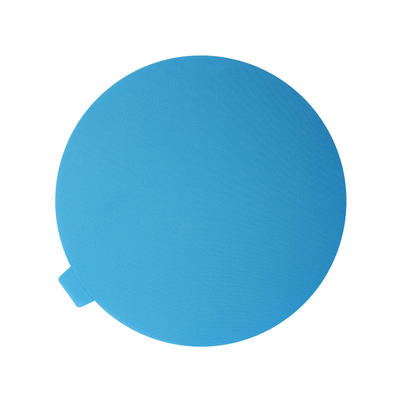
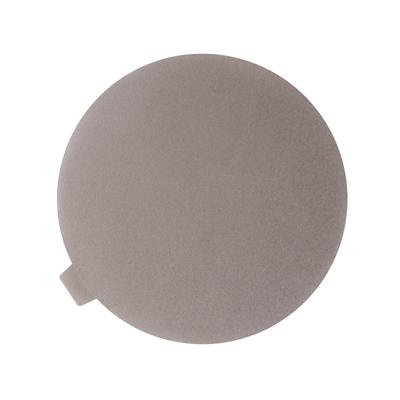
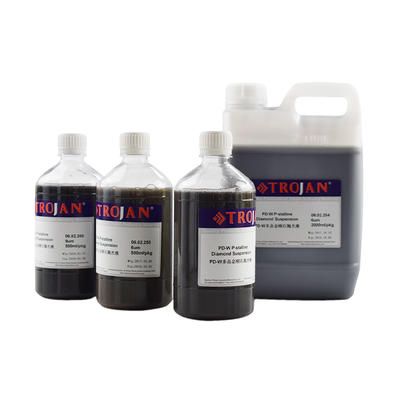
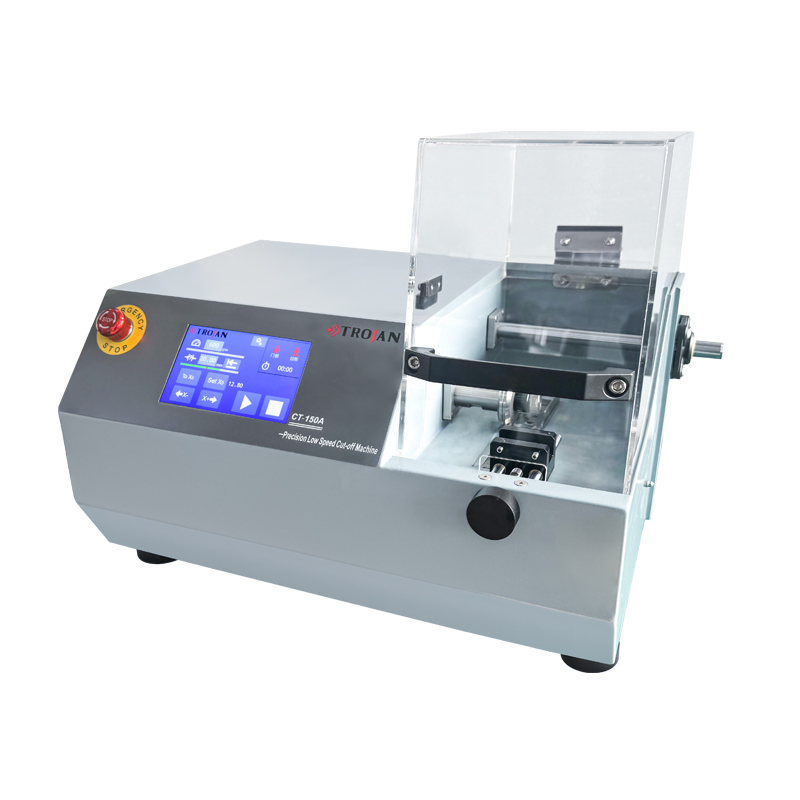
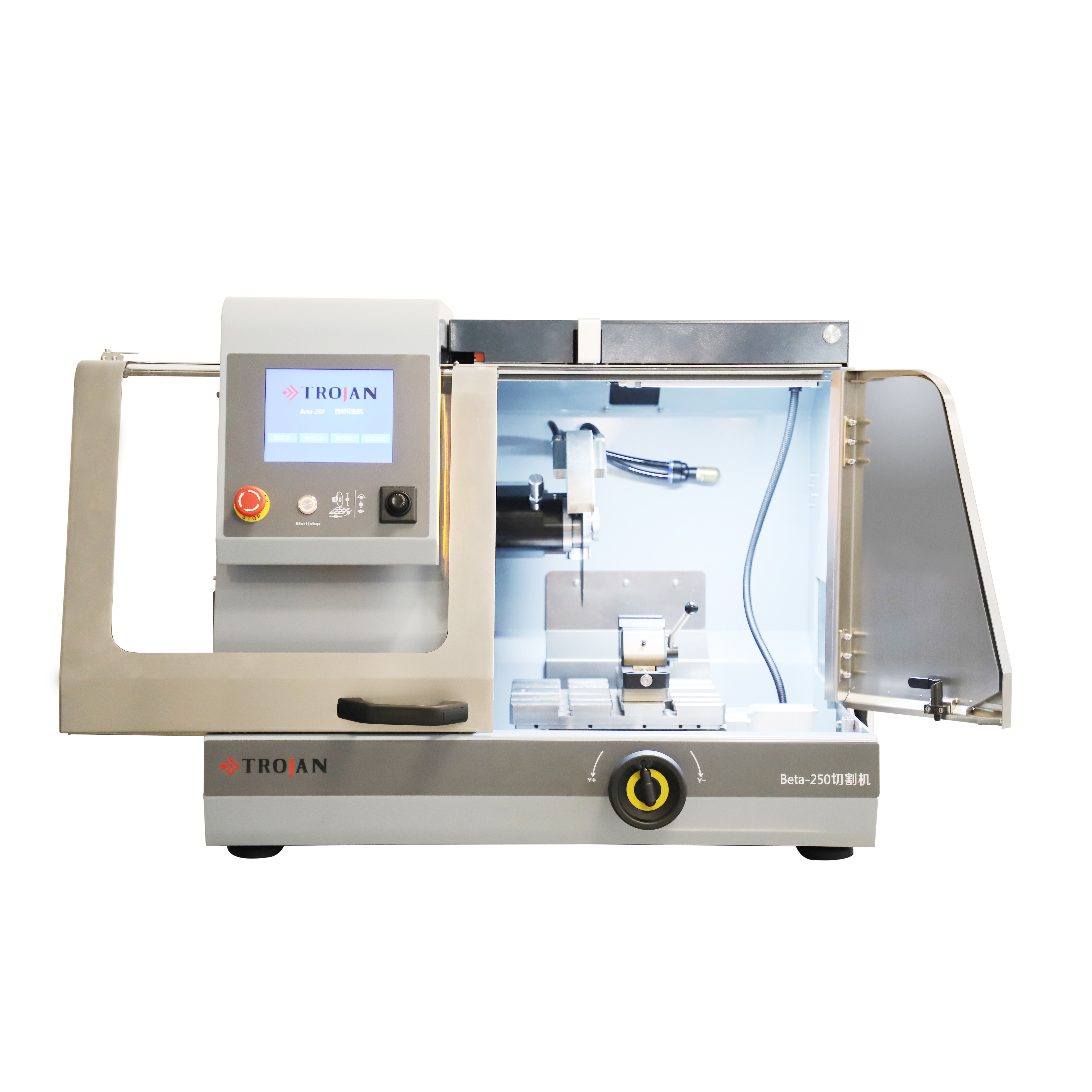


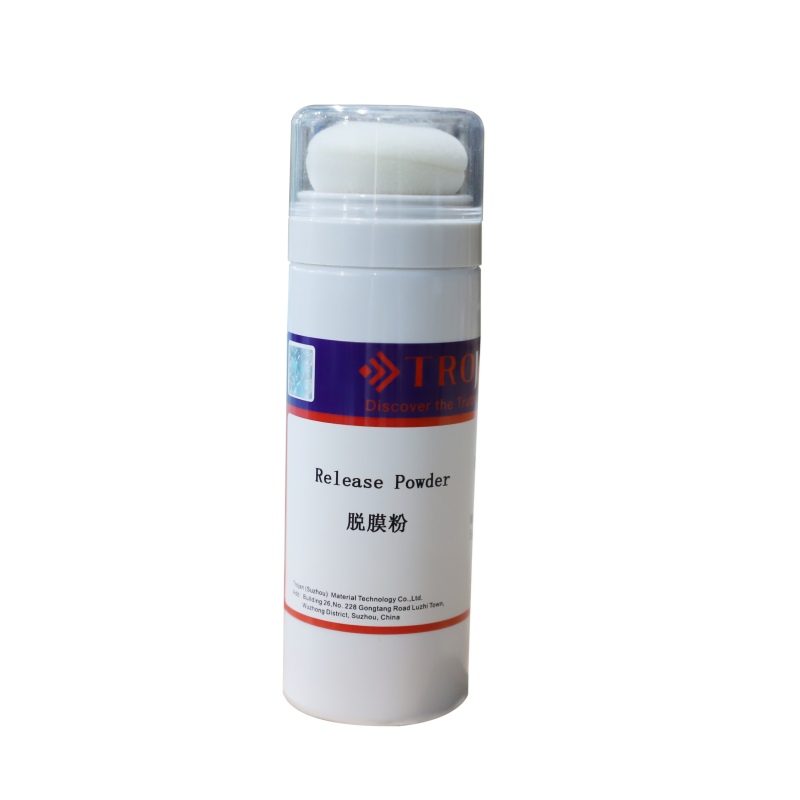

Based in China, TROJAN pays attention to the international market, and has sold metallographic equipment to more than 50 countries, such as Europe, America, Japan and South Korea, Southeast Asia countries and regions