 英语
英语 西班牙语
西班牙语 德语
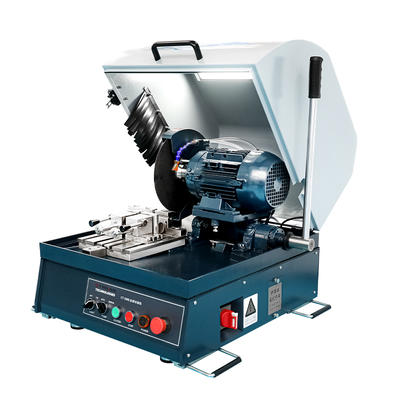
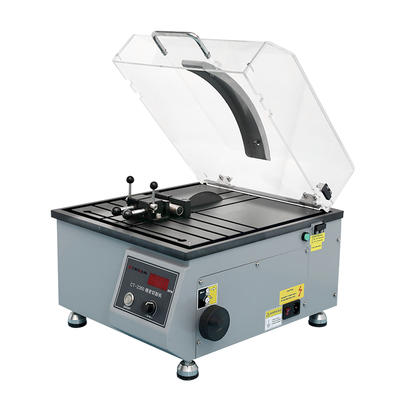
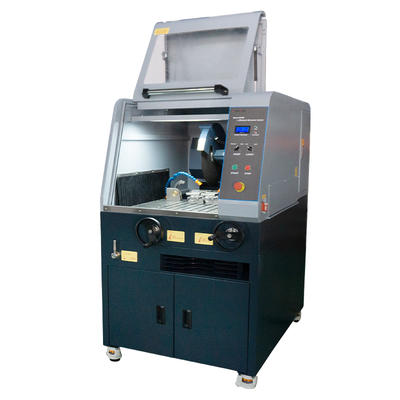
德语CT-250S/CT-250V Manual Sectioning Machine
CT-250S/250V is a manual sectioning machine designed with safety and environmental principles in min...
We use first- and third-party cookies including other tracking technologies from third party publishers to give you the full functionality of our website, to customize your user experience, perform analytics and deliver personalized advertising on our websites, apps and newsletters across internet and via social media platforms. For that purpose, we collect information about user, browsing patterns and device.
By clicking "Accept All Cookies", you accept this, and agree that we share this information with third parties, such as our advertising partners. If you prefer, you can choose to continue with "Only Required Cookies". But keep in mind that blocking some types of cookies may impact how we can deliver tailored content that you might like.
For more information and to customize your options, click on "Cookie settings". If you want to learn more about cookies and why we use them, visit our Cookie Policy page at any time. Cookie Policy

Metallographic examination of carbon steel weld joints fabricated via CO₂ gas metal arc welding serves as the core method to assess welding quality and process rationality.
Columnar grains, along with small amounts of proeutectoid ferrite, side-plate ferrite and pearlite are generally found in the weld metal zone.
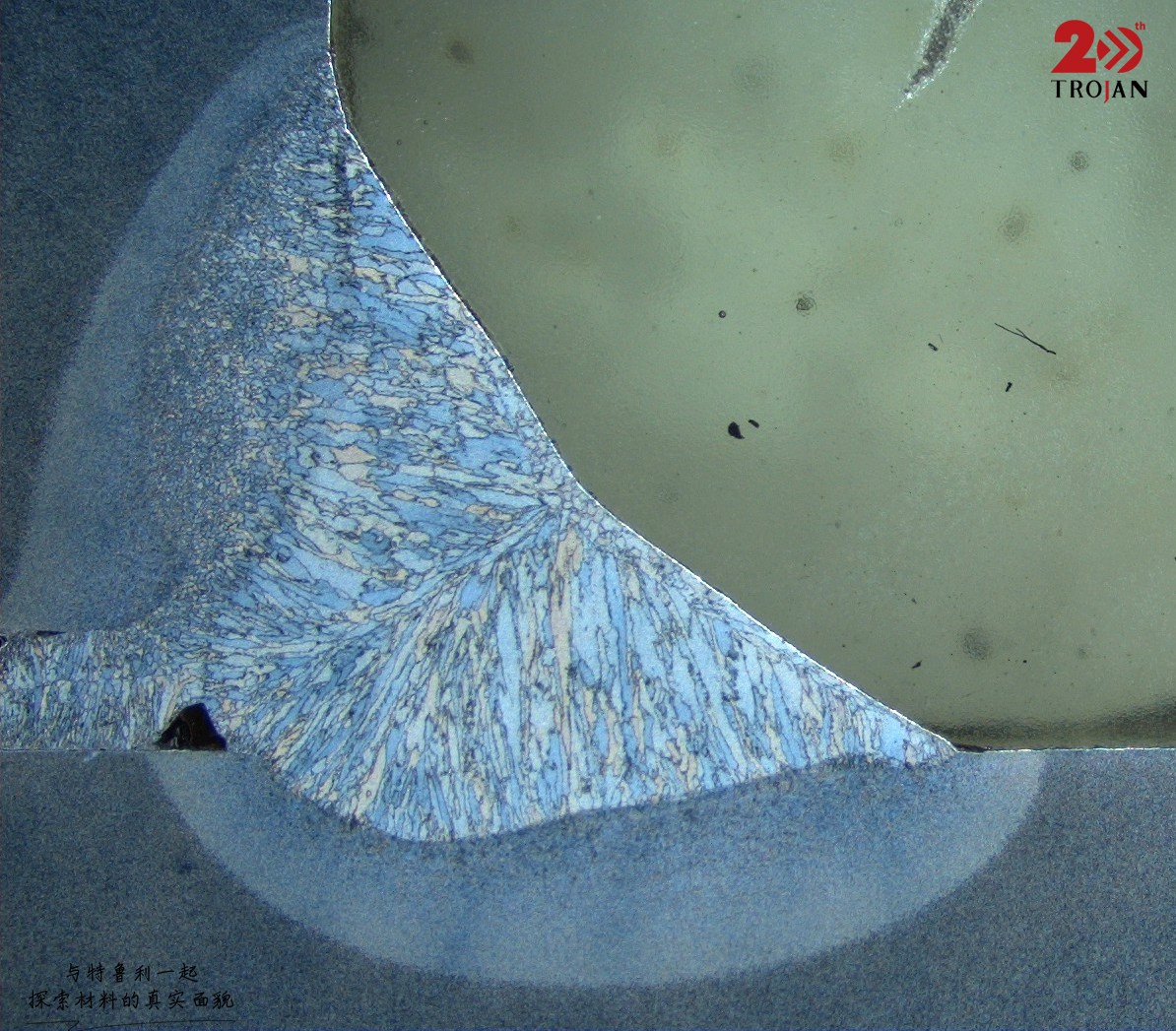
The heat-affected zone (HAZ) exhibits microstructural transitions between coarse-grained and fine-grained regions. Widmanstätten structures and martensitic hardened layers tend to form in the coarse-grained zone, which embrittles the welded joint.
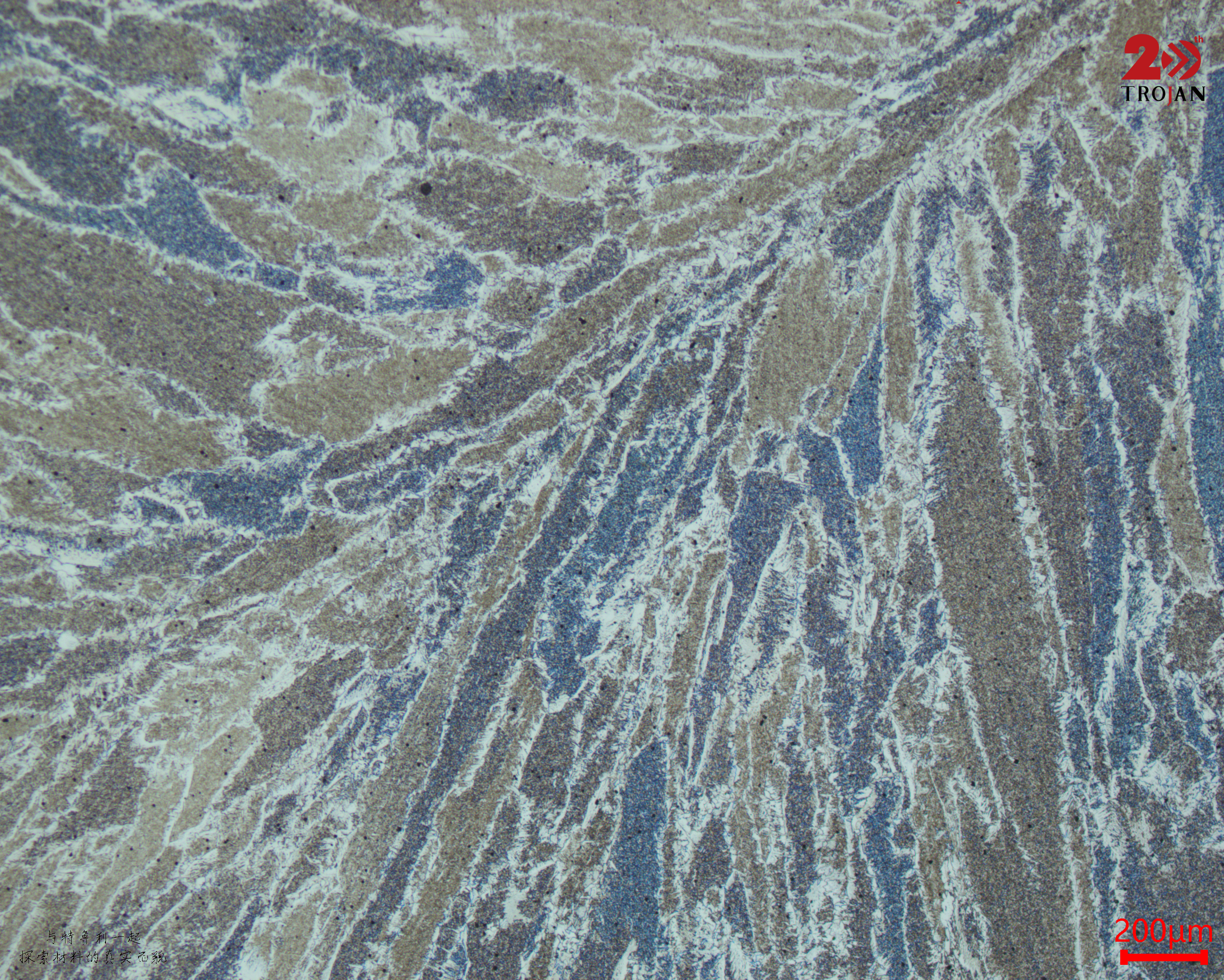
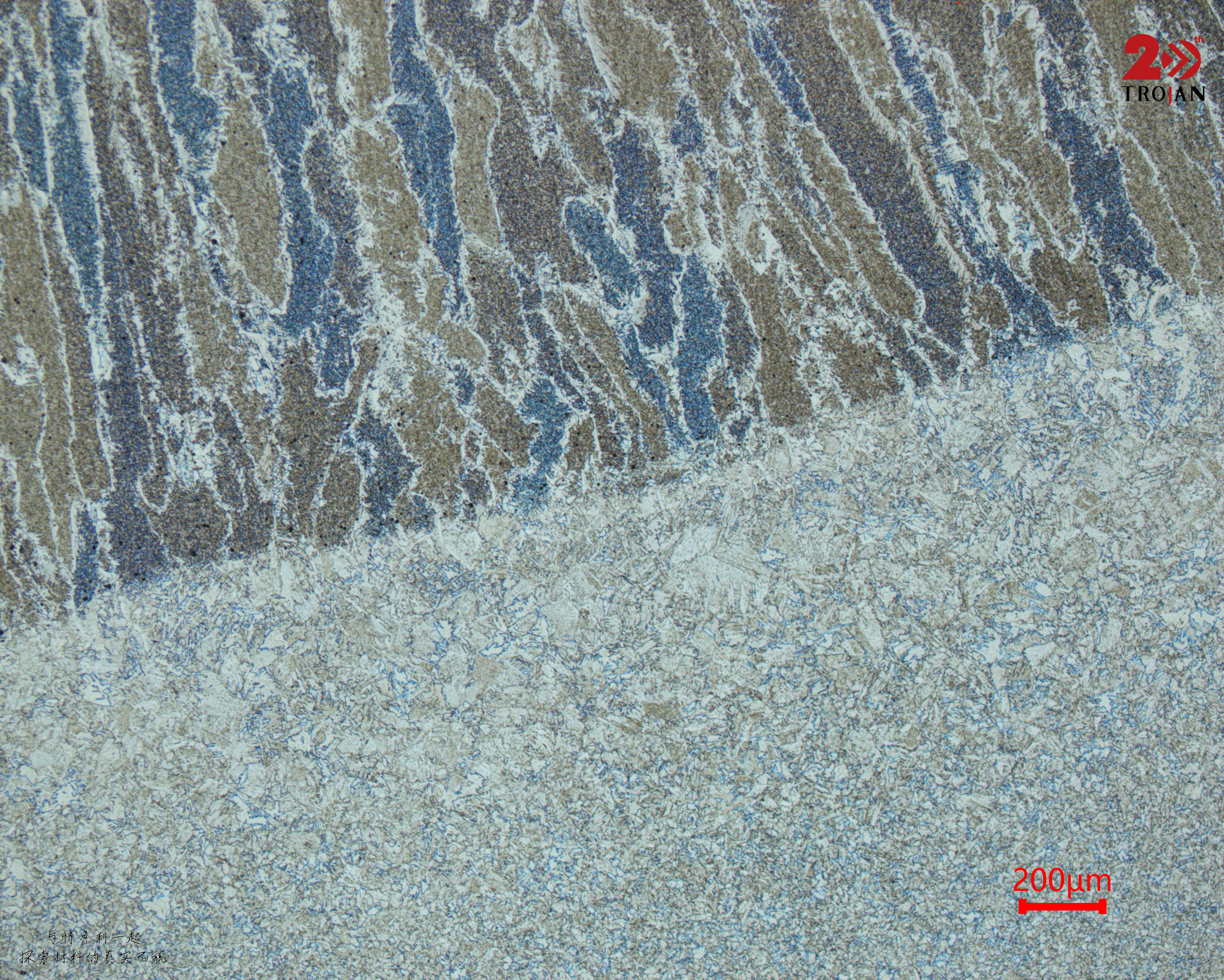
Microscopic observation near the fusion line enables identification of internal defects such as incomplete fusion, microcracks, pores and inclusions. It also evaluates how overheating level and cooling rate affect microstructure morphology. Metallographic test results provide direct reference for adjusting welding heat input, preheating temperature and interpass temperature, effectively controlling hardening tendency and hydrogen-induced cracking risks.
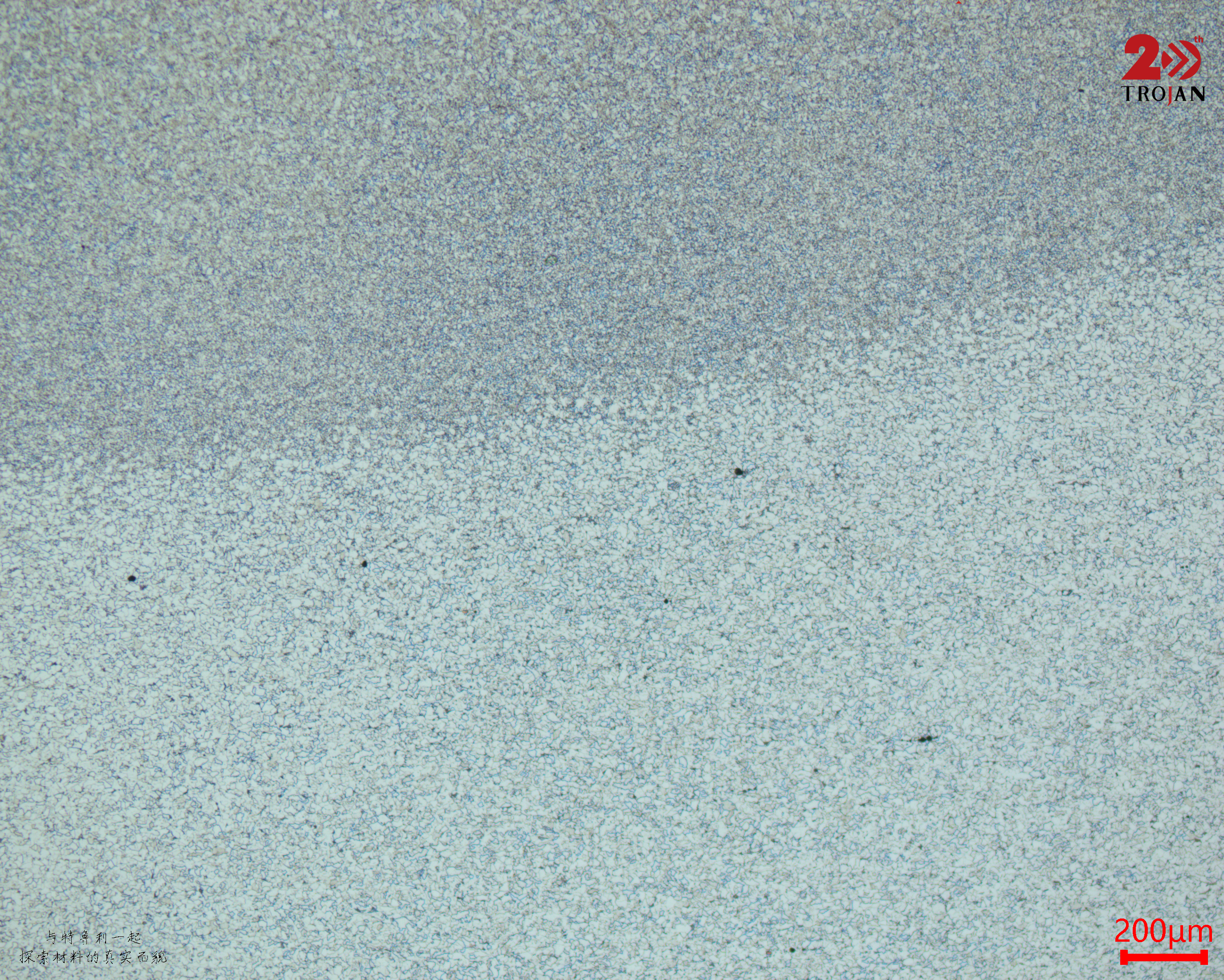
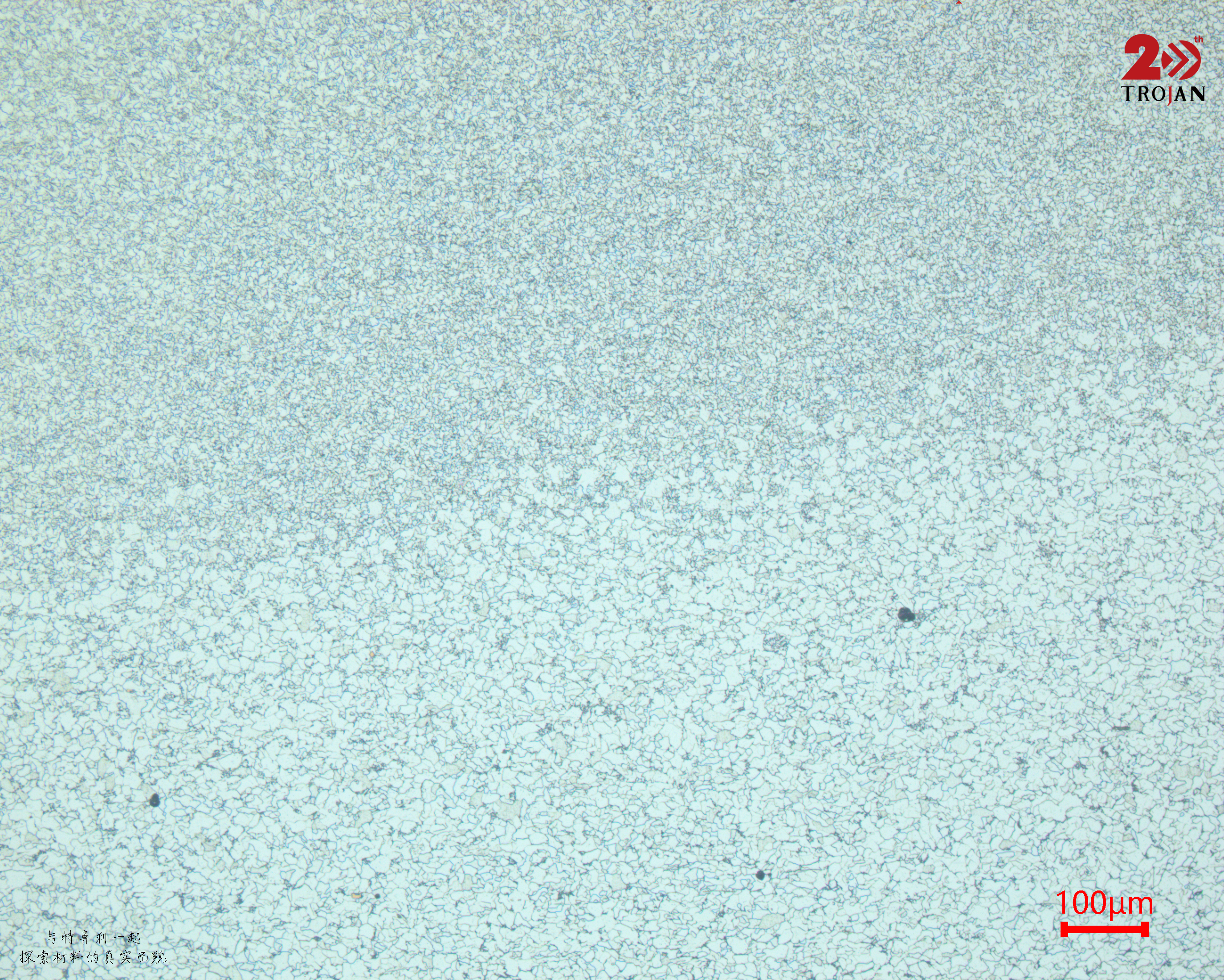
Combined metallographic evaluation integrating hardness distribution and microstructure assessment is a reliable approach to verify welding procedure specifications and guarantee structural integrity.
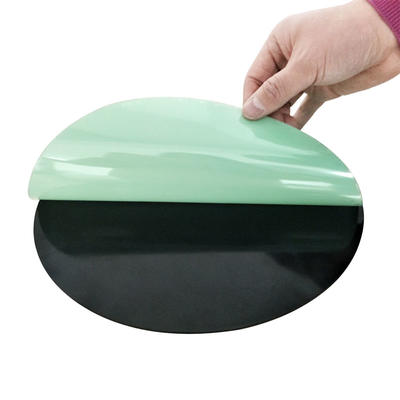
1️⃣ Coarse Grinding: MET-M P400
2️⃣ Fine Grinding: POS + 9μm PD-WT
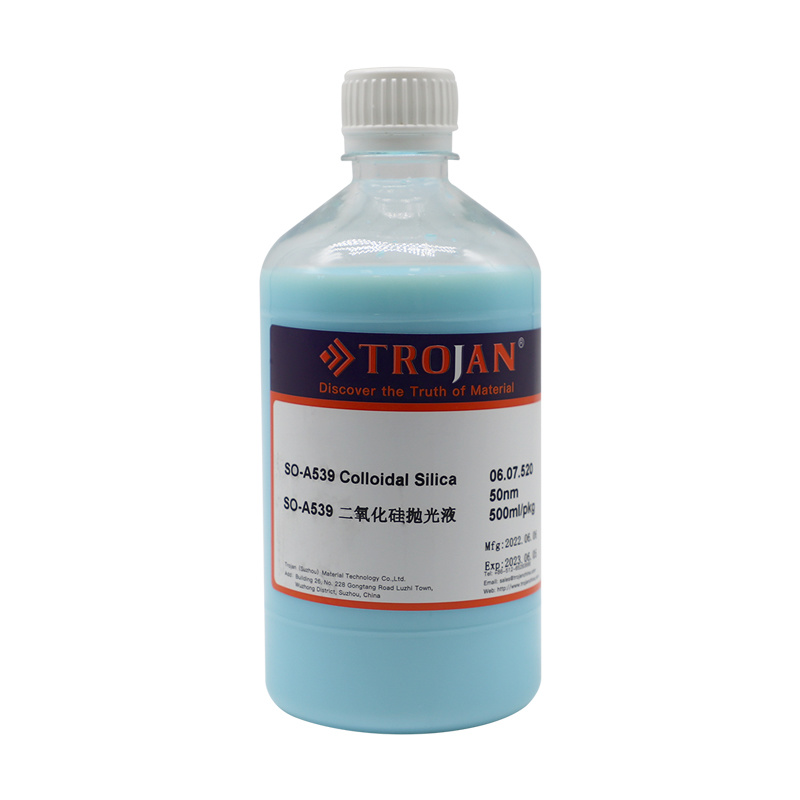
3️⃣ Polishing: ET-JP + 1μm PD-WT
*Alternative for Step 2: P800 to P2000 abrasive paper

Based in China, TROJAN pays attention to the international market, and has sold metallographic equipment to more than 50 countries, such as Europe, America, Japan and South Korea, Southeast Asia countries and regions