
 英语
英语 西班牙语
西班牙语 德语
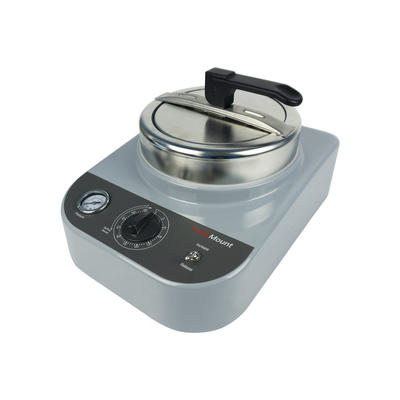
德语ThetaMount Pressure Cold Mounting Machine
Product Description
ThetaMount Pressure Cold Machine features a compact design with a maximum pressu...
We use first- and third-party cookies including other tracking technologies from third party publishers to give you the full functionality of our website, to customize your user experience, perform analytics and deliver personalized advertising on our websites, apps and newsletters across internet and via social media platforms. For that purpose, we collect information about user, browsing patterns and device.
By clicking "Accept All Cookies", you accept this, and agree that we share this information with third parties, such as our advertising partners. If you prefer, you can choose to continue with "Only Required Cookies". But keep in mind that blocking some types of cookies may impact how we can deliver tailored content that you might like.
For more information and to customize your options, click on "Cookie settings". If you want to learn more about cookies and why we use them, visit our Cookie Policy page at any time. Cookie Policy

Alumina ceramics possess outstanding properties including high hardness, superior wear resistance, corrosion resistance and excellent insulation. As widely used structural and functional ceramics, they are applied in electronic insulation parts, precision wear-resistant components, high-temperature shielding, aerospace and metallurgy. Their microstructure directly governs the service performance and lifespan of finished products.
Metallographic examination allows clear observation of grain size, grain boundary morphology, pore distribution, microcracks and impurity defects to accurately assess sintering quality and microstructure homogeneity. Metallographic data helps optimize sintering parameters and prevent product failures such as cracking, abrasion and insulation breakdown. It is an essential technical foundation for mass production quality control, performance improvement and failure analysis of alumina ceramics.
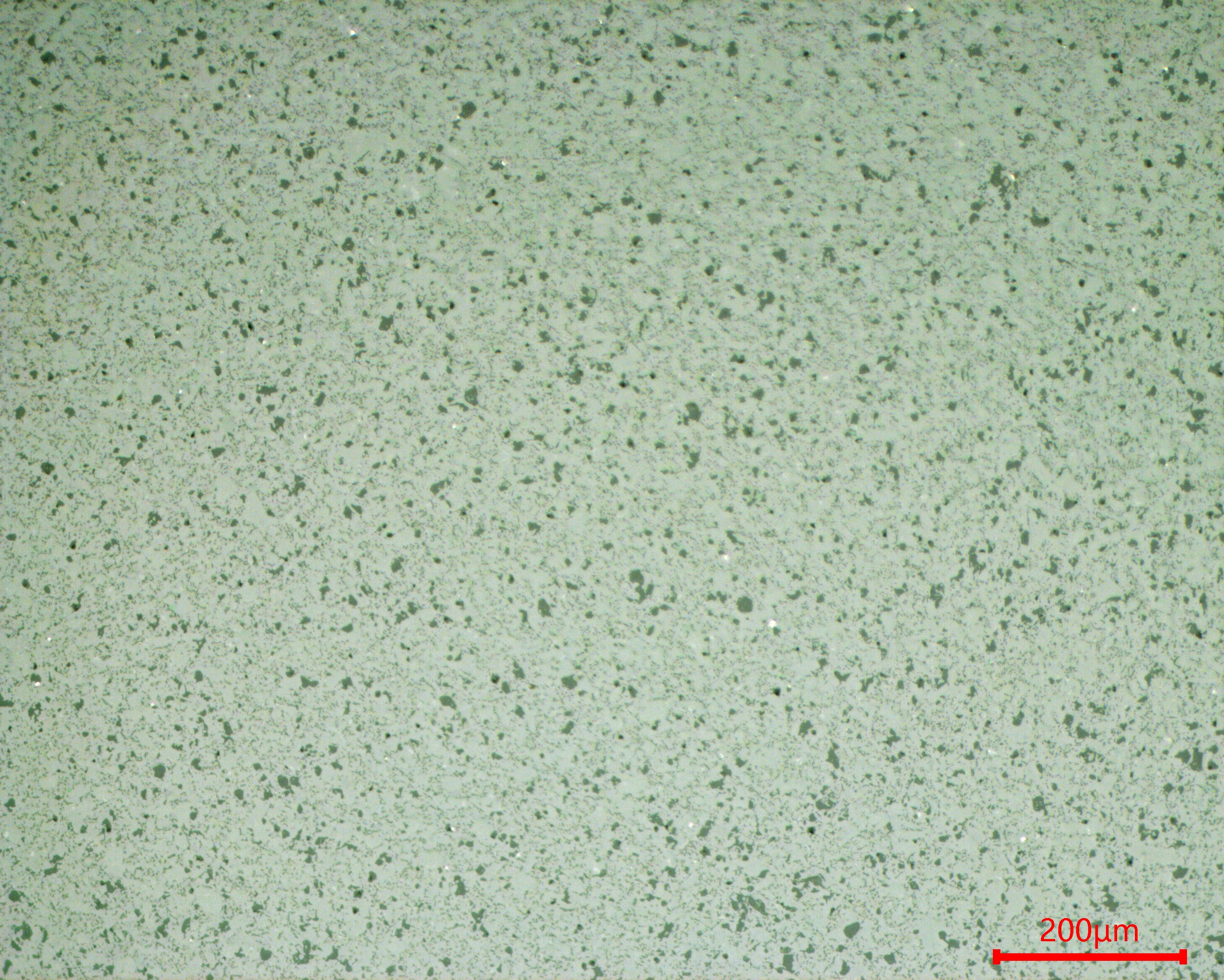
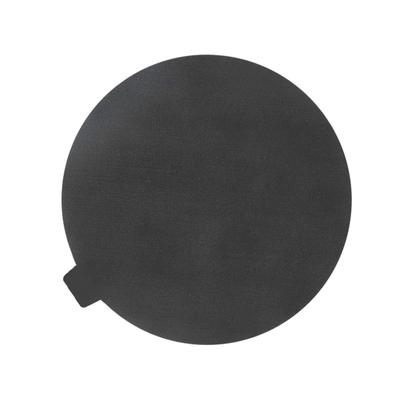
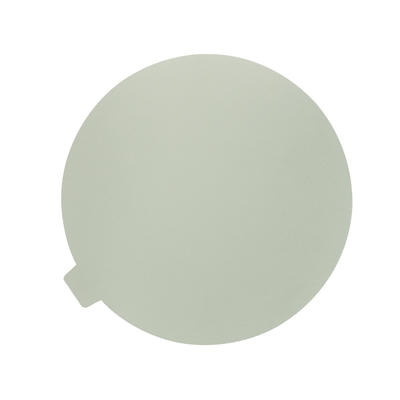
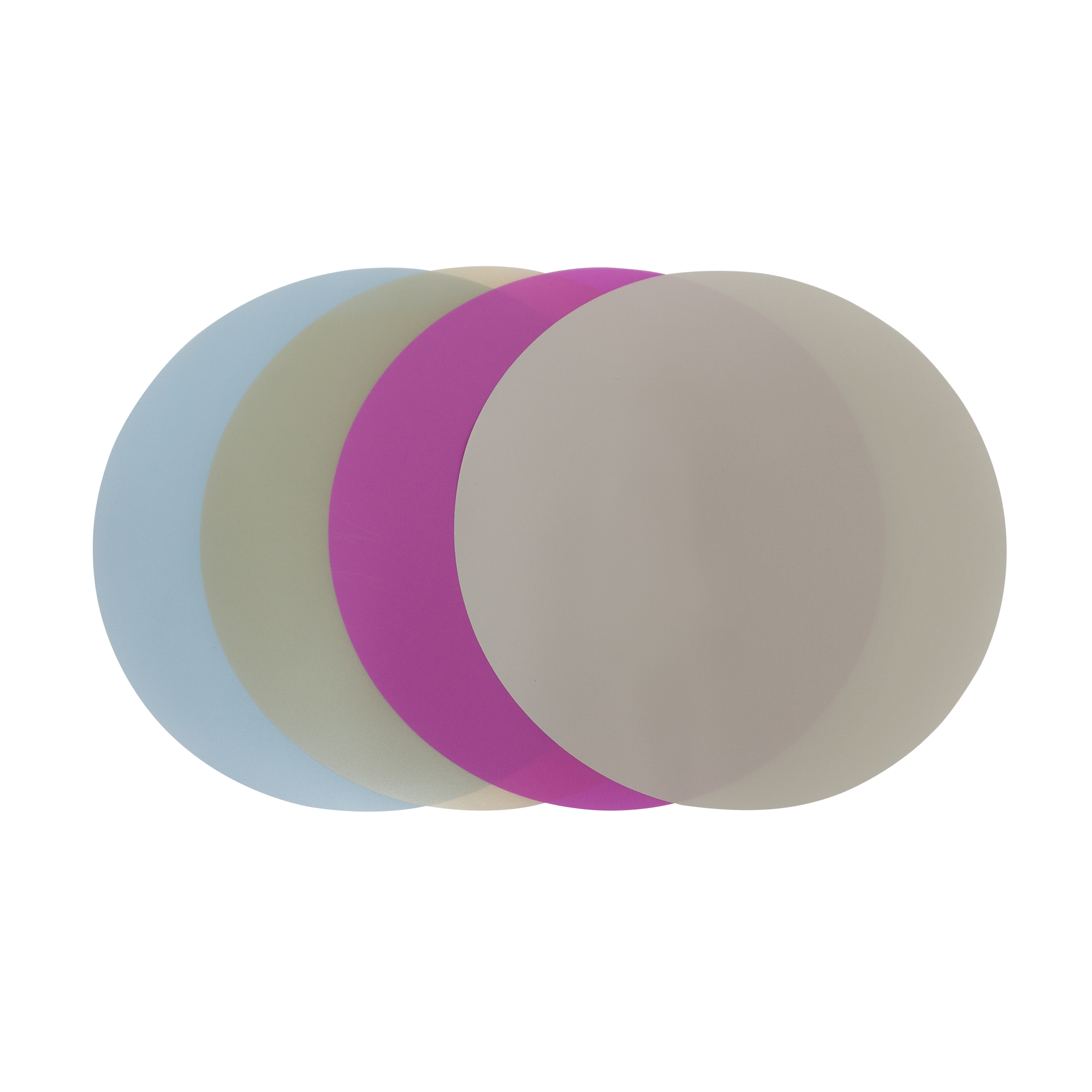
Alumina ceramics feature high hardness and brittleness, making conventional sandpaper ineffective for grinding. Resin-bonded diamond grinding discs are adopted for coarse grinding, followed by fine grinding with a POH disc and 9 μm diamond suspension. Resin grinding discs provide cushioning during processing, avoiding severe longitudinal cracks and enabling efficient preparation of alumina ceramic specimens.
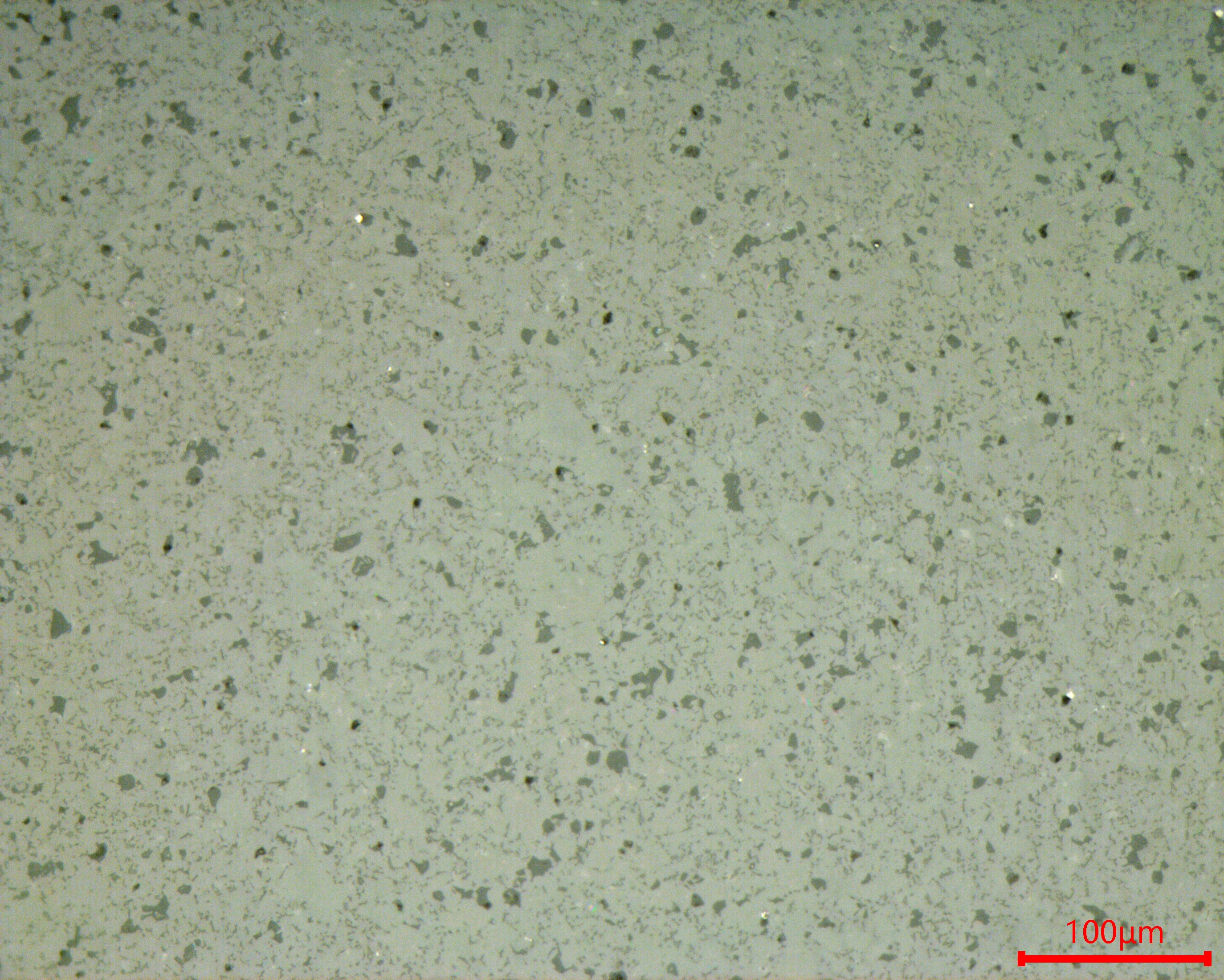
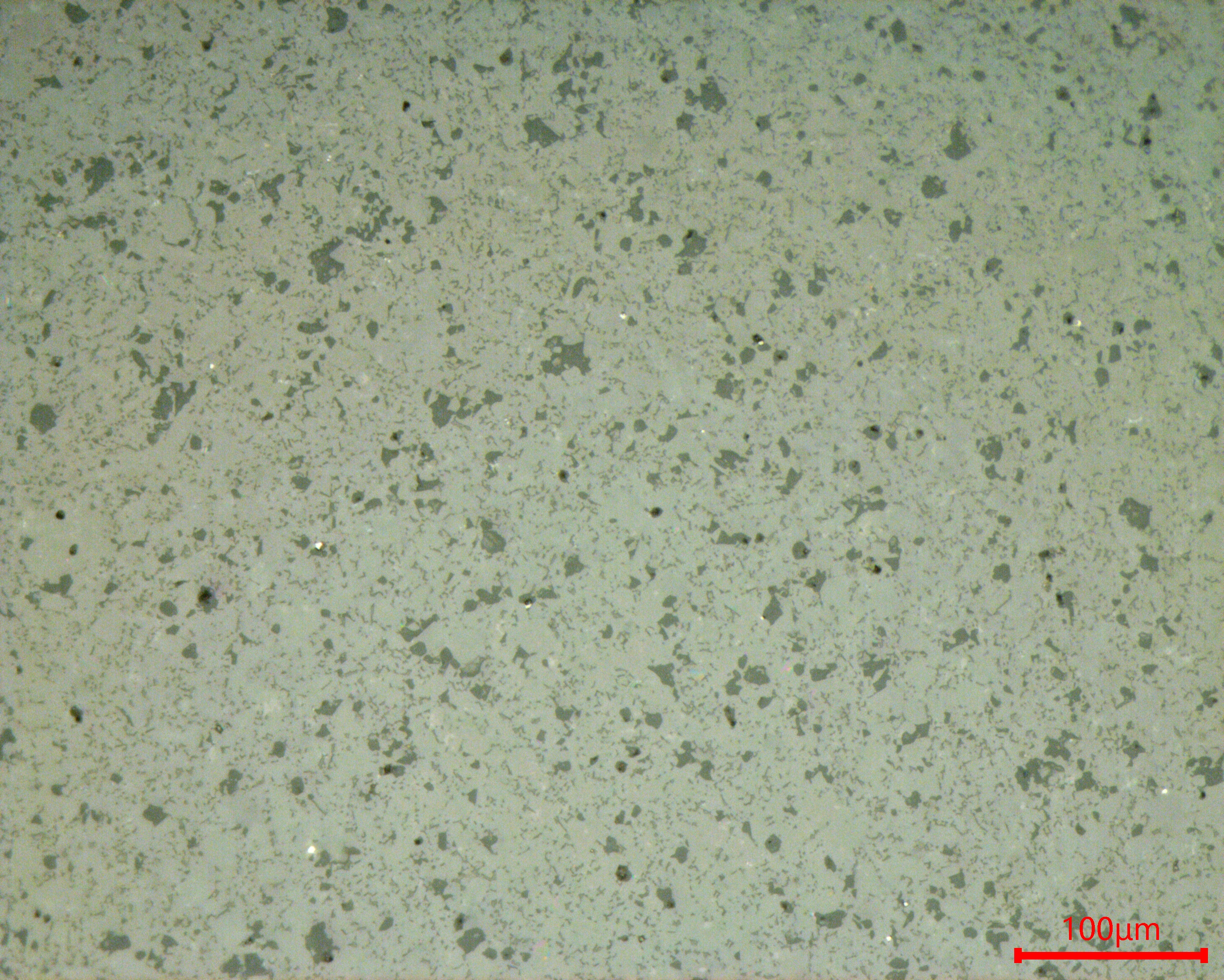
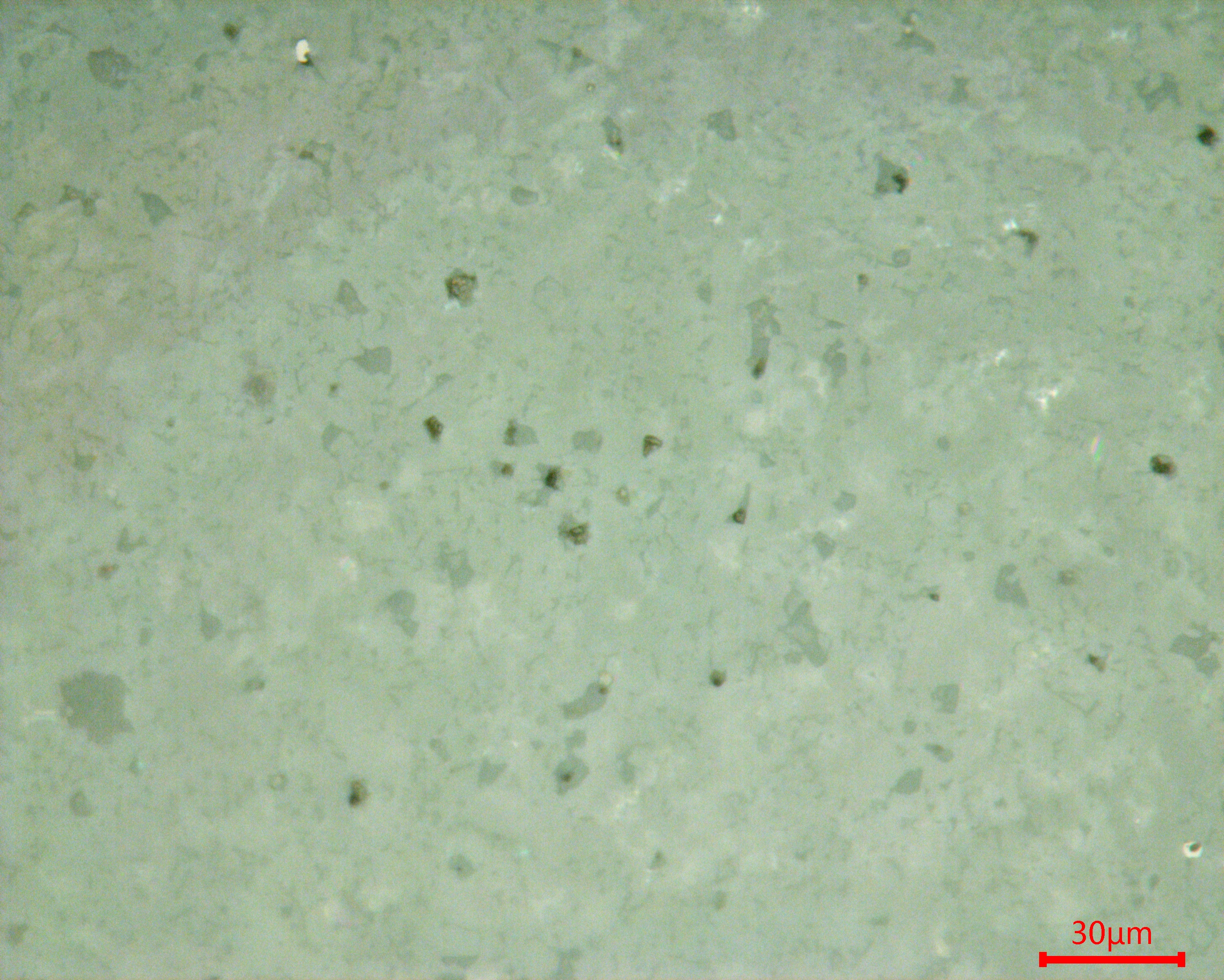
We share the metallographic preparation procedure for sintered alumina samples below for your reference:
#Trojan #Trojanmetallography #Metallography #SamplePreparation #AluminaCeramics #StructuralCeramics #MaterialTesting #FailureAnalysis #CeramicResearch

.jpg?imageView2/2/w/400/format/jpg/q/75 "PL-W Polishing Lubricants")

Based in China, TROJAN pays attention to the international market, and has sold metallographic equipment to more than 50 countries, such as Europe, America, Japan and South Korea, Southeast Asia countries and regions


