 英语
英语 西班牙语
西班牙语 德语
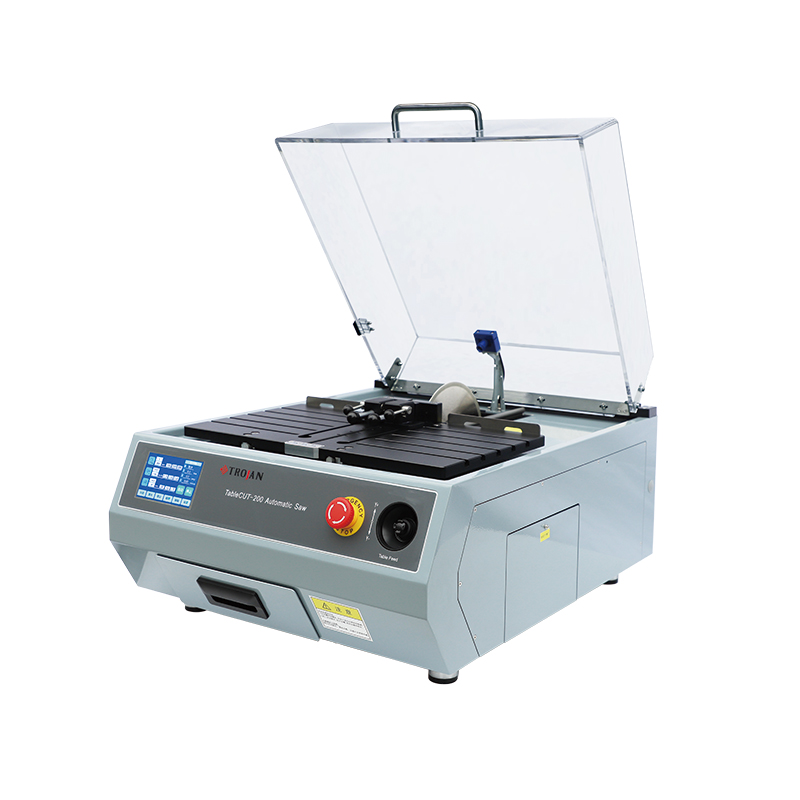
德语TableCUT-200 Automatic Precision Cut-Off Machine
Product Description
TableCUT-200 is automatic precision cut-off machine, equipped with various fixtu...
We use first- and third-party cookies including other tracking technologies from third party publishers to give you the full functionality of our website, to customize your user experience, perform analytics and deliver personalized advertising on our websites, apps and newsletters across internet and via social media platforms. For that purpose, we collect information about user, browsing patterns and device.
By clicking "Accept All Cookies", you accept this, and agree that we share this information with third parties, such as our advertising partners. If you prefer, you can choose to continue with "Only Required Cookies". But keep in mind that blocking some types of cookies may impact how we can deliver tailored content that you might like.
For more information and to customize your options, click on "Cookie settings". If you want to learn more about cookies and why we use them, visit our Cookie Policy page at any time. Cookie Policy

Mo-W alloys combine the superior properties of two refractory metals, featuring ultra-high melting points and excellent dimensional stability at elevated temperatures, widely adopted for high-temperature structural applications. Different from most hard alloys, Mo-W alloys are relatively softer with better ductility — a characteristic that creates challenges for metallographic sample preparation.
When processed on a countertop grinding & polishing system with co-rotating platens, continuous directional mechanical compression and cutting easily induce invisible plastic deformation layers on the sample surface. Such subsurface damage cannot be identified visually, yet it distorts the original crystal structure. It leads to misinterpretation of SEM images, unreliable EBSD orientation data and other errors during material characterization.
To solve this issue, we implement vibratory polishing as the final step of the workflow. Vibratory polishing delivers random, low-stress gentle micro-friction without directional aggressive cutting. It removes surface damage and residual stress accumulated during grinding and preliminary polishing, eliminates preparation-induced artifacts, and restores the true intrinsic microstructure of materials. This approach consistently yields high-quality specimens for high-precision characterization.
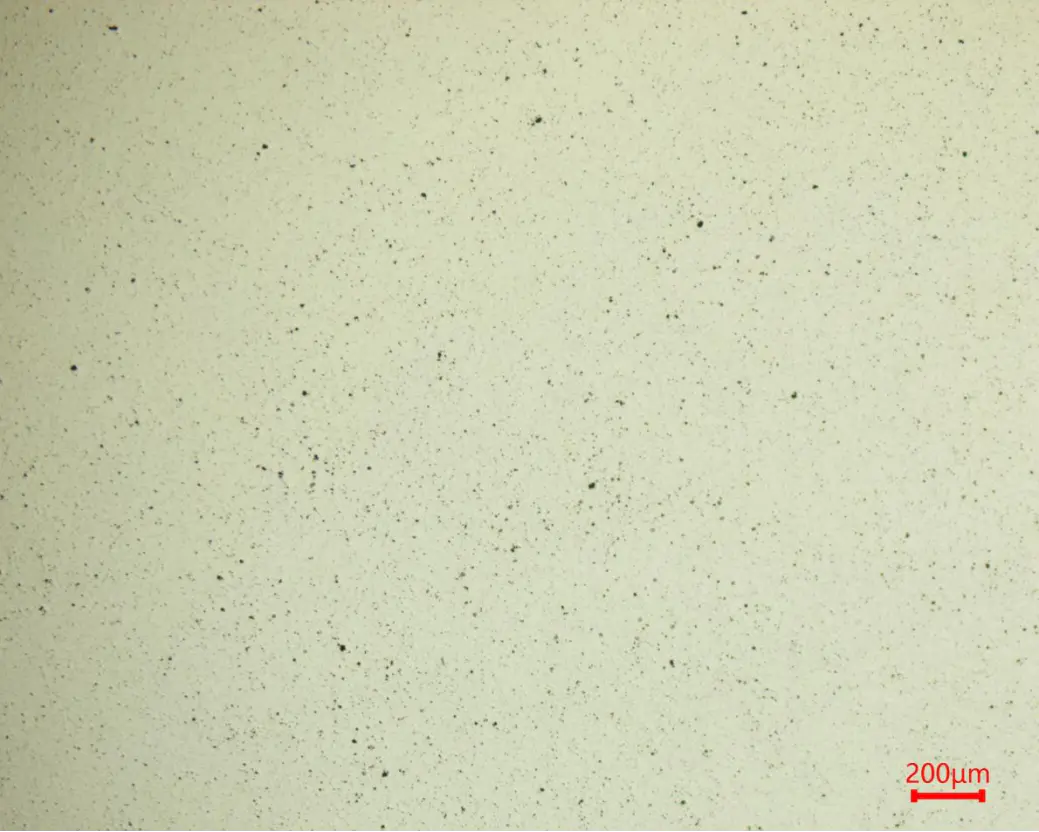
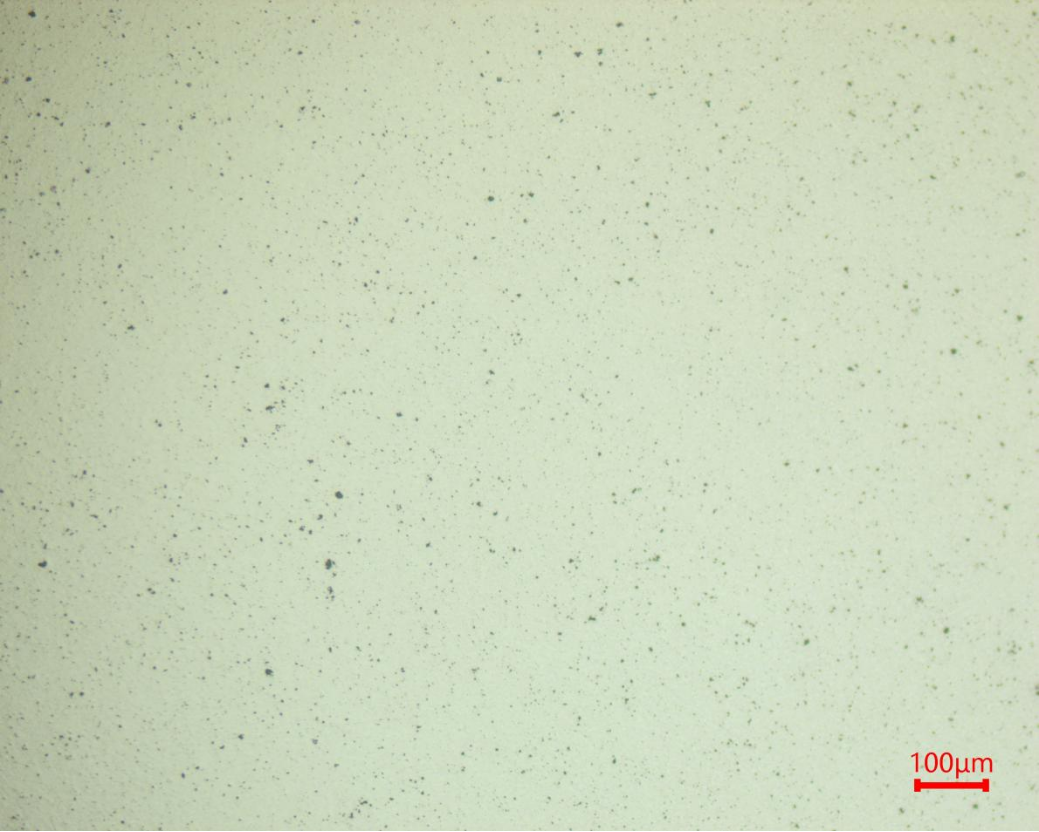
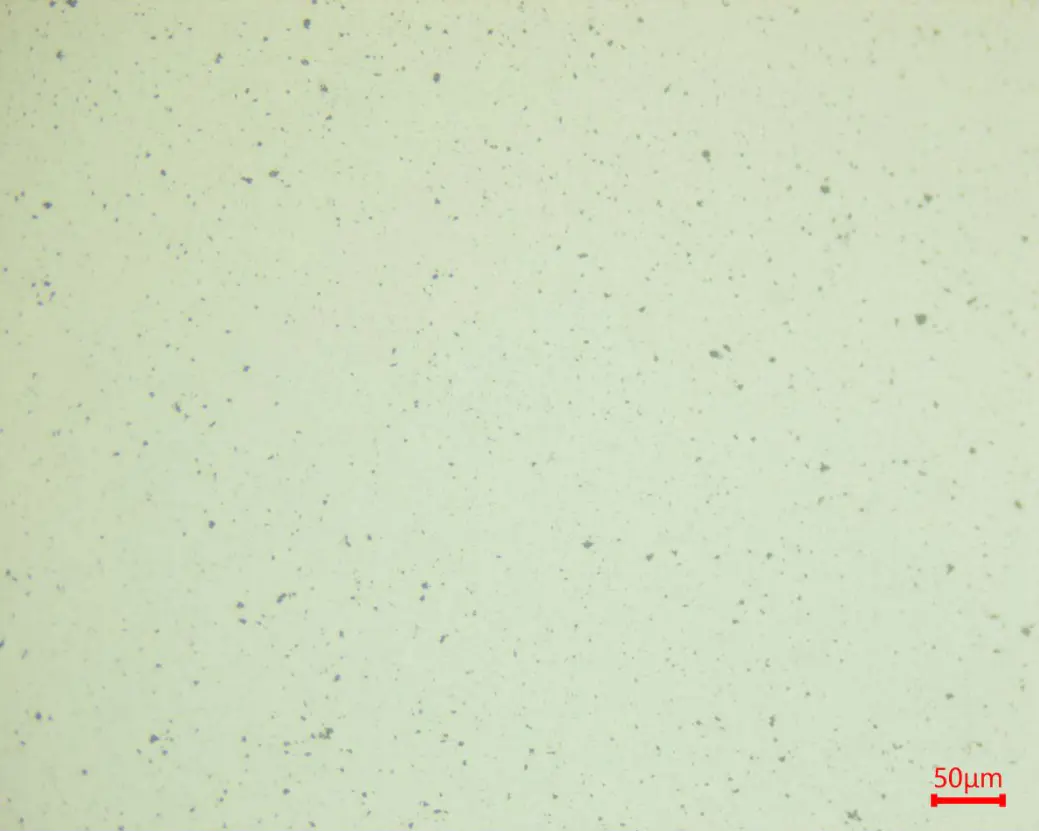
Metallographic micrograph results are shared below for your reference.




Based in China, TROJAN pays attention to the international market, and has sold metallographic equipment to more than 50 countries, such as Europe, America, Japan and South Korea, Southeast Asia countries and regions