
 英语
英语 西班牙语
西班牙语 德语
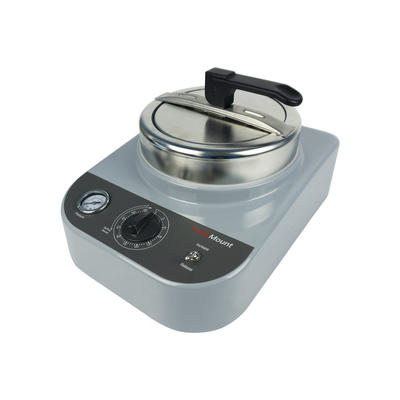
德语ThetaMount Pressure Cold Mounting Machine
Product Description
ThetaMount Pressure Cold Machine features a compact design with a maximum pressu...
We use first- and third-party cookies including other tracking technologies from third party publishers to give you the full functionality of our website, to customize your user experience, perform analytics and deliver personalized advertising on our websites, apps and newsletters across internet and via social media platforms. For that purpose, we collect information about user, browsing patterns and device.
By clicking "Accept All Cookies", you accept this, and agree that we share this information with third parties, such as our advertising partners. If you prefer, you can choose to continue with "Only Required Cookies". But keep in mind that blocking some types of cookies may impact how we can deliver tailored content that you might like.
For more information and to customize your options, click on "Cookie settings". If you want to learn more about cookies and why we use them, visit our Cookie Policy page at any time. Cookie Policy

The working principle of power inductors is based on Faraday’s Law of Electromagnetic Induction, with the core being the mutual conversion between electrical energy and magnetic energy.
Their function is to store magnetic field energy and achieve filtering, energy storage, current chokes, resonance, and other purposes. In short, power inductors realize the mutual conversion of electrical and magnetic energy through electromagnetic induction, and use self-inductance to impede current changes—thus achieving DC conduction, AC blocking, energy storage, filtering, and other functions in circuits.
Widely used in consumer electronics (power management of smartphones and tablets), industrial equipment (power modules of control boards), automotive electronics (on-board power systems), communication devices (signal processing of routers), and other fields, they play a key role in circuits such as DC-DC conversion, power supply noise filtering, and signal resonant frequency selection.
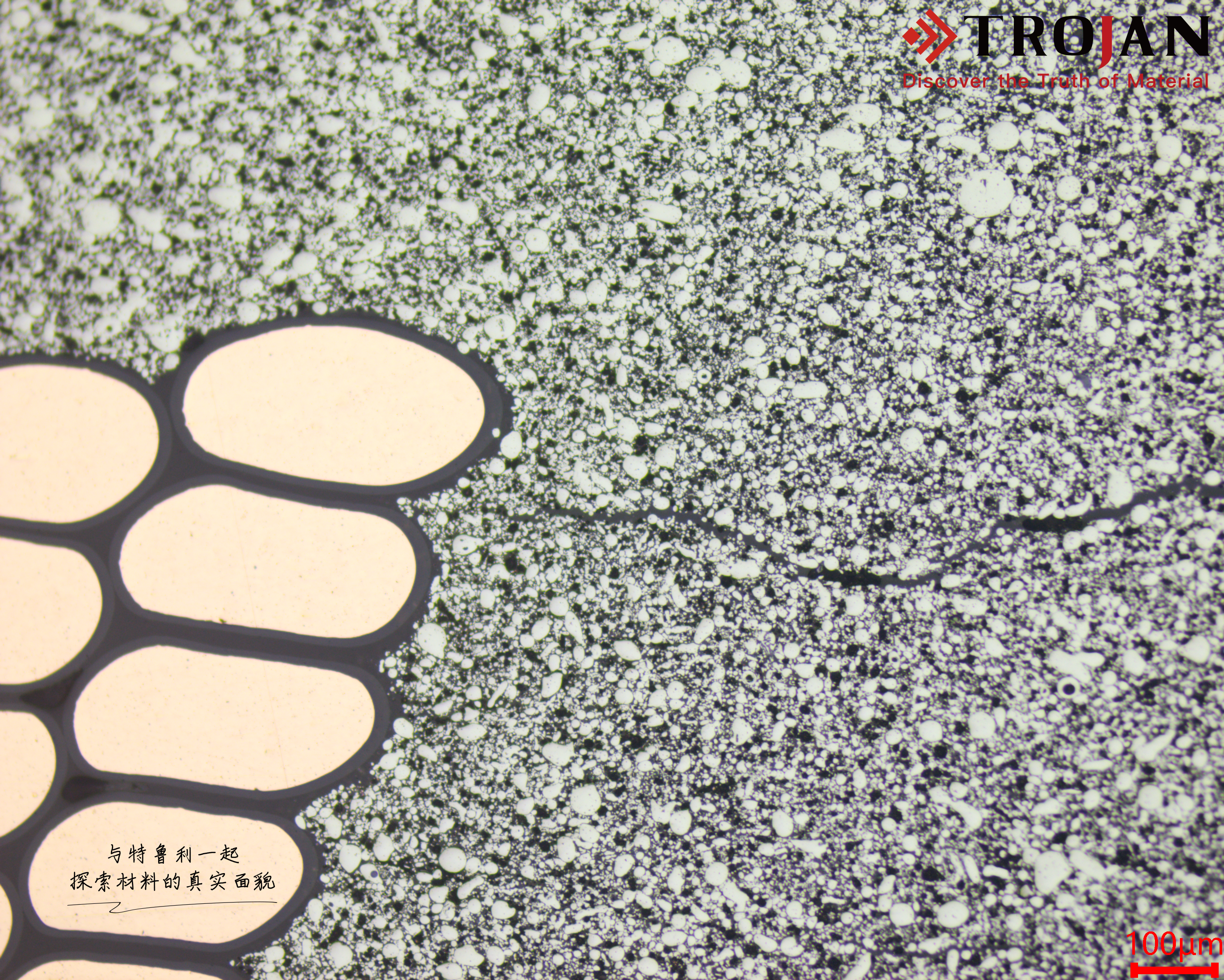
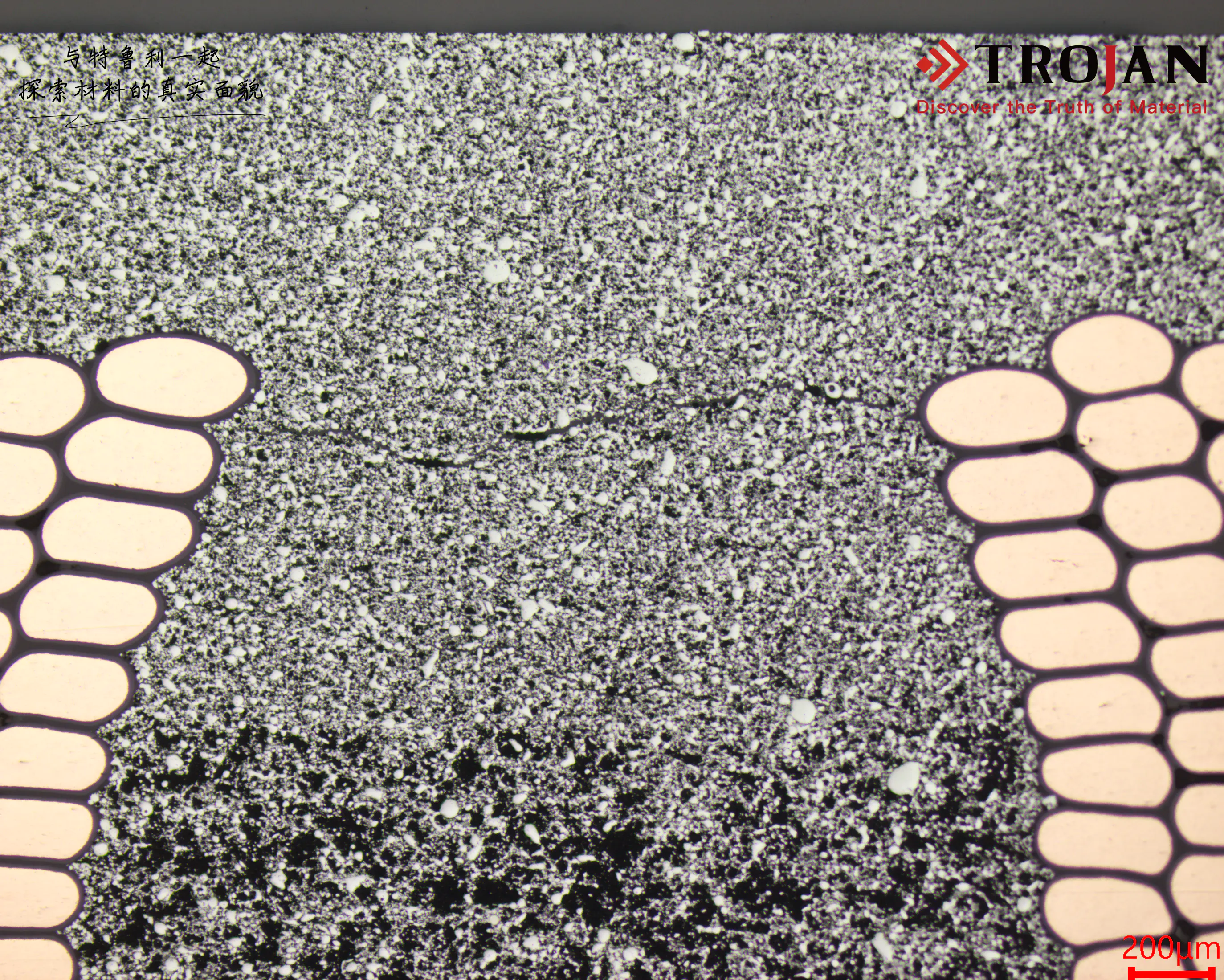
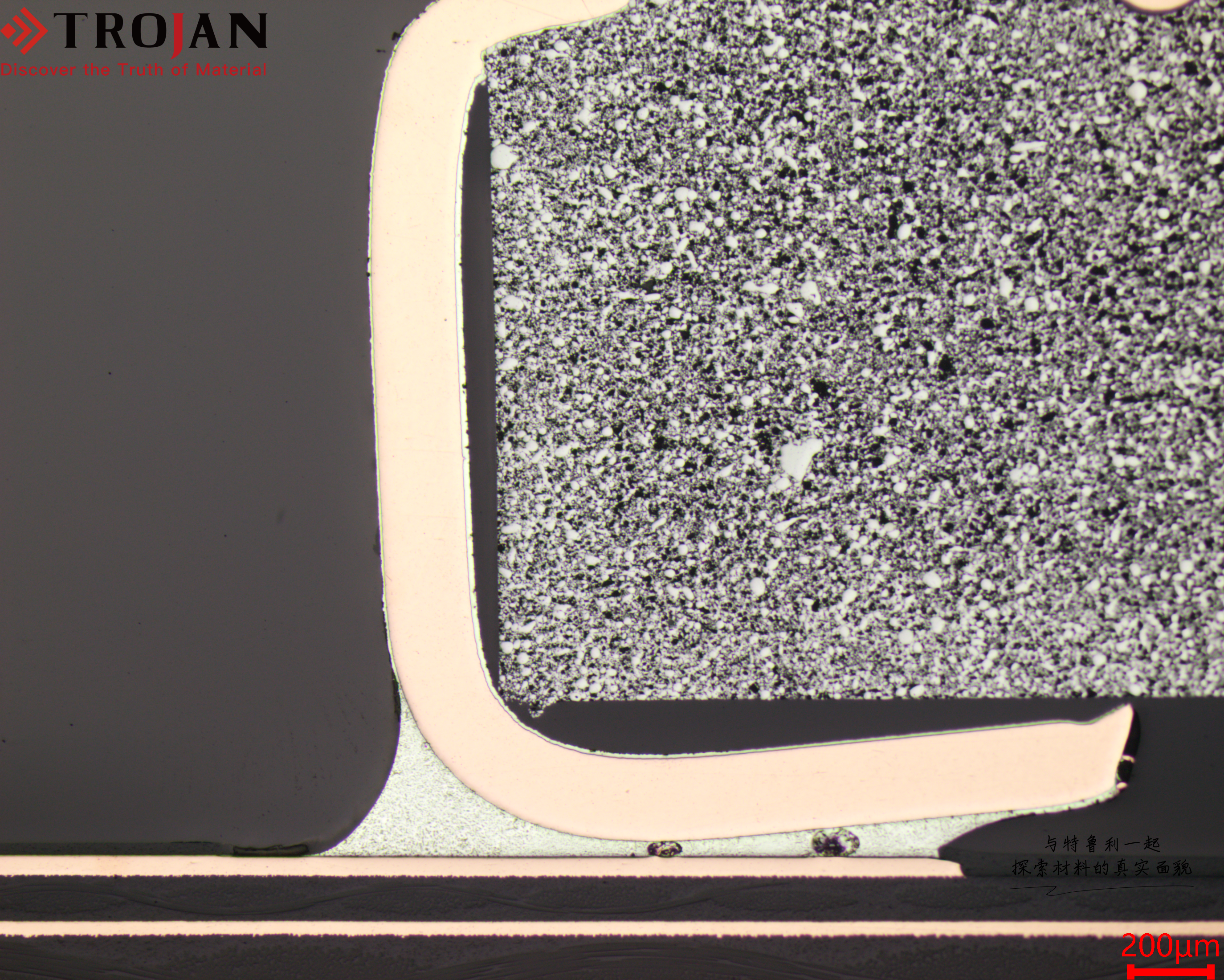
Below are the sample preparation parameters for failed power inductors and an appreciation of metallographic microscopic effects:
1️⃣ Grinding: Sandpaper P800 → P1200 → P2000 → P4000
2️⃣ Rough polishing: SC + 3μm polycrystalline diamond
3️⃣ Final polishing: ZN + SO-A439 polishing fluid
#Trojan #Trojanmetallographic #SteelMicrostructure #MaterialScience #Metallography #SteelSamples #MicrostructureAnalysis #SteelPrep #MaterialTechnician #SamplePreparation


.jpg?imageView2/2/w/400/format/jpg/q/75 "PL-W Polishing Lubricants")
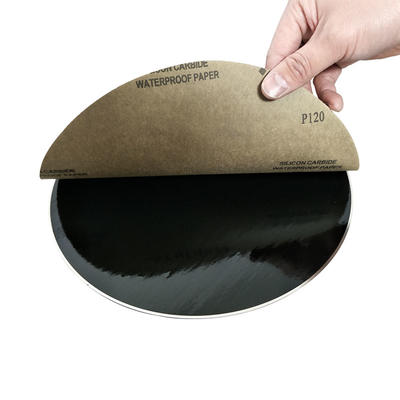


Based in China, TROJAN pays attention to the international market, and has sold metallographic equipment to more than 50 countries, such as Europe, America, Japan and South Korea, Southeast Asia countries and regions


